Pevita Pearce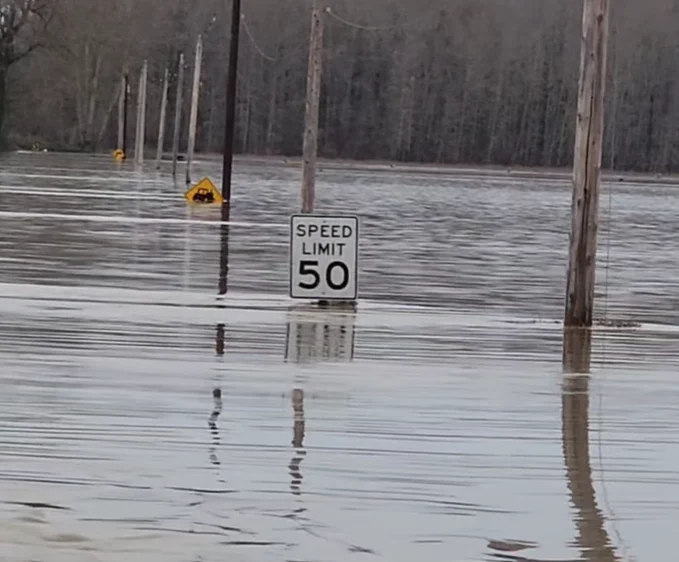
Washington residents grappling with the aftermath of severe storms, widespread flooding, and destructive landslides that struck in December 2025 now have a reprieve from the immediate pressures of Tax Day. The Internal Revenue Service (IRS) has announced an extended deadline, pushing the filing and payment due date to May 1, 2026, for taxpayers and businesses situated in or significantly affected by these natural disasters. This critical relief applies to federal income tax returns, quarterly payroll tax returns, and certain excise tax returns, providing a much-needed buffer for individuals and businesses still engaged in recovery efforts. The IRS has proactively identified taxpayers within the designated disaster zones and will automatically apply this extension, aiming to alleviate the administrative burden on those already facing immense challenges.
Scope of the Extension and Affected Counties
The IRS’s decision to grant this deadline extension specifically targets individuals and businesses located within or operating in the following Washington counties: Benton, Chelan, Clallam, Grays Harbor, Jefferson, King, Kittitas, Lewis, Mason, Pierce, Skagit, Snohomish, Thurston, Wahkiakum, Whatcom, and Yakima. This comprehensive list reflects the widespread devastation experienced across a significant portion of the state, from the mountainous regions to the coastal areas and the heavily populated Puget Sound corridor. The extension covers a range of tax obligations, including individual income tax returns, contributions to Individual Retirement Arrangements (IRAs) and Health Savings Accounts (HSAs) for the 2025 tax year, and various tax payments.
Background: A Devastating December in Washington
The December 2025 weather events were characterized by a relentless barrage of atmospheric rivers, which saturated the region, leading to unprecedented levels of rainfall and subsequent flooding. These prolonged periods of intense precipitation were compounded by powerful windstorms that caused widespread power outages, downed trees, and significant structural damage. Adding to the peril, the saturated ground conditions triggered numerous landslides and mudslides, which not only caused property destruction but also rendered critical roadways impassable, severing vital transportation links and hindering emergency response efforts.
The cumulative impact of these natural disasters was profound. Communities were displaced, infrastructure was severely damaged, and the economic fabric of many areas was strained. For many residents and business owners, the immediate focus shifted from financial and tax obligations to the urgent tasks of ensuring safety, securing shelter, and beginning the arduous process of cleanup and rebuilding. This context underscores the necessity and importance of the IRS’s timely intervention.
Chronology of the Disaster and Relief
The severe weather events began in early December 2025, with atmospheric rivers making landfall and persisting for several weeks. The peak of the flooding and landslide activity occurred between mid-December and the end of the month. During this period, emergency services were overwhelmed, and residents faced widespread disruptions.
Following the immediate crisis, state and local officials began assessing the damage and coordinating relief efforts. Concurrently, the IRS, in coordination with state emergency management agencies, initiated its disaster declaration process. The announcement of the tax deadline extension, made public in late December 2025 or early January 2026, provided a crucial piece of support for those affected.
The original federal tax filing deadline for most individuals and businesses is April 15th. For the 2026 tax year, this would have fallen on April 15, 2026. The IRS’s extension to May 1, 2026, provides an additional two weeks and a half, a significant period for those grappling with the complexities of disaster recovery while also facing tax deadlines.
Specific Tax Obligations Covered by the Extension
The IRS has clarified that the May 1, 2026 deadline applies to a broad spectrum of tax-related activities. This includes:
- Individual Income Tax Returns: The deadline for filing 2025 federal income tax returns for affected taxpayers has been postponed.
- Tax Payments: Any tax payments that would have been due by the original deadline are now deferred until May 1, 2026. This is particularly important for estimated tax payments and any outstanding balances from the 2025 tax year.
- IRA and HSA Contributions: The deadline for making deductible contributions to Individual Retirement Arrangements (IRAs) and Health Savings Accounts (HSAs) for the 2025 tax year has also been extended to May 1, 2026. This allows individuals more time to contribute to these important savings vehicles.
- Quarterly Payroll and Certain Excise Tax Returns: Businesses that are required to file quarterly payroll tax returns and certain excise tax returns also benefit from this extension, providing relief to employers and businesses still working to stabilize their operations.
Navigating Potential IRS Notices and Further Assistance
The IRS acknowledges that despite automatic extensions, some affected taxpayers might still receive automated notices from the agency regarding late filing or late payment penalties that do not reflect the granted relief. In such instances, the IRS advises taxpayers to contact the agency directly. The telephone number provided on the penalty notice should be used to reach the IRS, which will then lift any erroneously applied penalties. This proactive communication from the IRS aims to prevent undue stress and confusion for disaster victims.
Furthermore, the IRS recognizes that individuals and businesses outside the officially designated disaster coverage areas might still have experienced significant impacts from the December 2025 storms. For those who can demonstrate that their inability to meet tax deadlines was a direct result of these disasters, the IRS offers a path to request relief. These individuals are encouraged to contact IRS Special Services at 866-562-5227 to discuss their specific circumstances and explore potential options for extensions.
Disaster Loss Deductions and Insurance Considerations
Beyond the extension of filing and payment deadlines, the IRS also provides provisions for taxpayers to claim disaster-related losses on their federal income tax returns. Affected individuals and businesses can deduct personal property losses that are not covered by insurance or other forms of reimbursement. The deadline for claiming these disaster-related losses on their federal income tax return is extended to October 15, 2026. This allows taxpayers more time to assess the full extent of their losses, gather necessary documentation, and accurately report them on their tax filings.
The ability to deduct uninsured losses is a critical component of federal disaster relief, helping to offset some of the financial burdens incurred by individuals and businesses. It is essential for taxpayers to maintain thorough records of damaged or destroyed property, including receipts, appraisals, and photographs, to substantiate their claims.
Broader Economic and Social Implications
The December 2025 weather events in Washington have had far-reaching economic and social implications that extend beyond immediate tax relief. The cost of rebuilding infrastructure, such as roads, bridges, and utilities, is expected to be substantial, requiring significant investment from federal, state, and local governments. The disruption to businesses, particularly small businesses, could lead to temporary or permanent closures, impacting local economies and employment rates.
The extended tax deadline offers a vital breathing room for these entities, allowing them to focus resources on recovery and rebuilding rather than immediate financial obligations. This can be instrumental in preventing further economic decline and supporting a more robust recovery process.
Moreover, the psychological toll on residents and business owners cannot be underestimated. The constant threat of natural disasters, coupled with the extensive damage and displacement, can create significant stress and uncertainty. The IRS’s proactive measures, by alleviating one immediate pressure point, contribute to a more stable environment for individuals and businesses to navigate the complex recovery landscape.
Supporting Data and Statistics
While specific figures detailing the total economic damage from the December 2025 storms are still being compiled, historical data from similar events in the Pacific Northwest provides context. For instance, the 2021 atmospheric river events in British Columbia, which had spillover effects into Washington, resulted in billions of dollars in damages. In Washington specifically, the December 2025 storms are estimated to have caused significant damage to residential properties, commercial buildings, and public infrastructure.
Reports from the Washington State Emergency Management Division indicated that thousands of homes were damaged or destroyed, and hundreds of miles of roads were impacted. The agricultural sector, a significant contributor to the state’s economy, also suffered considerable losses due to flooding and landslides. The extended tax deadline is a recognition of the scale of these impacts and the need for comprehensive support.
Official Responses and Analysis
The IRS’s announcement of the extended deadline was met with a degree of relief from community leaders, business organizations, and affected residents. A spokesperson for the Washington State Department of Revenue commented, "We are grateful for the IRS’s swift action in providing this crucial tax relief. It will allow our communities to prioritize recovery and rebuilding efforts without the immediate pressure of tax deadlines."
Economists suggest that such extensions can have a positive multiplier effect on recovery. By allowing businesses to retain cash flow and individuals to focus on rebuilding their lives, the economic disruption is lessened. The ability to deduct disaster losses also provides a tangible financial benefit, encouraging investment in repairs and replacements.
However, the long-term implications of repeated extreme weather events also raise broader questions about infrastructure resilience, climate change adaptation, and the need for sustained support for disaster-affected communities. While tax relief is a critical immediate measure, ongoing discussions about disaster preparedness and mitigation strategies are essential for the future well-being of the state.
The extended deadline is not merely a bureaucratic adjustment; it represents a crucial lifeline for Washington residents and businesses navigating the profound challenges left in the wake of unprecedented December 2025 natural disasters. The IRS’s action underscores the federal government’s commitment to supporting its citizens during times of crisis, allowing for a more focused and effective path toward recovery and rebuilding.