Pevita Pearce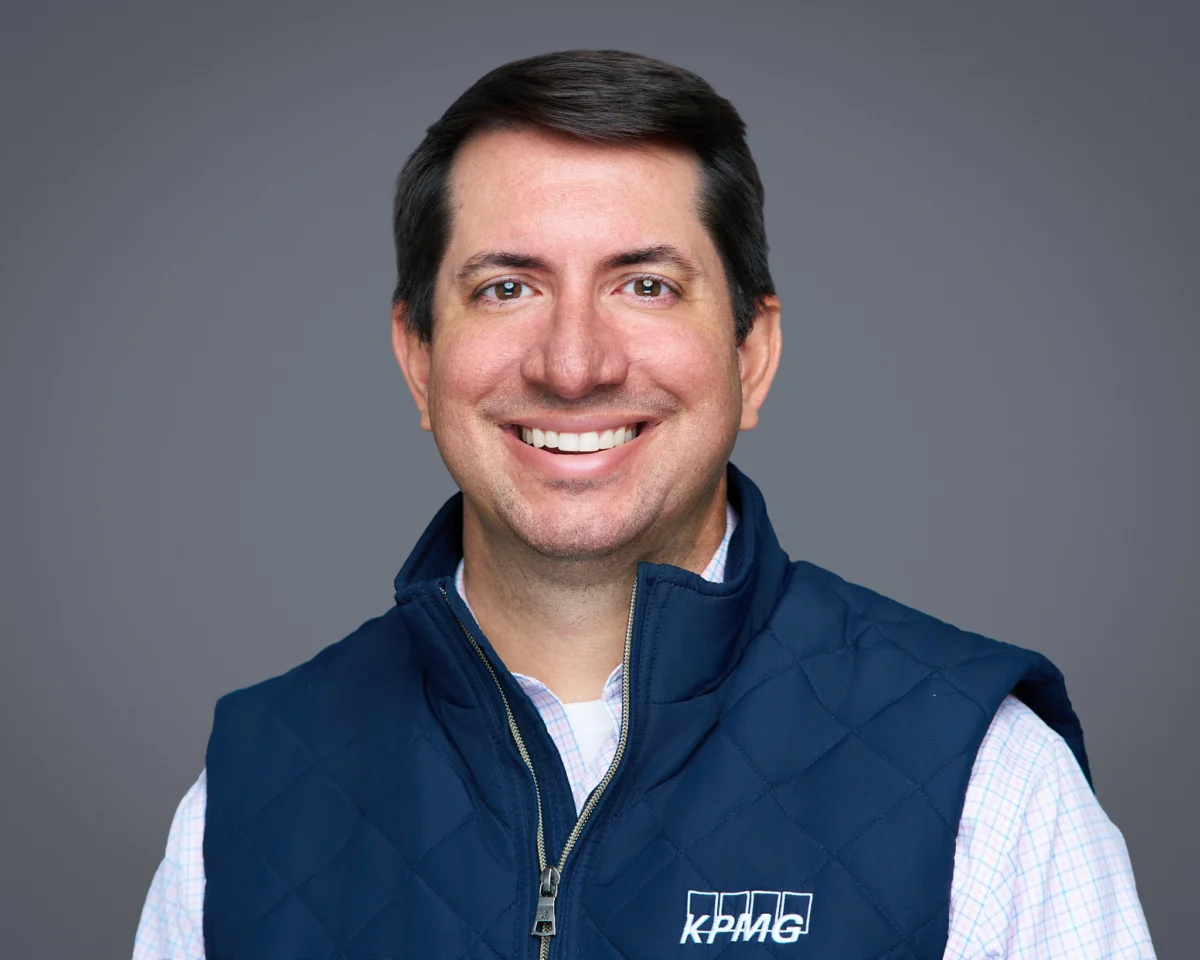
KPMG US has announced the appointment of Jason LaRue as its next Vice Chair of Talent and Culture, a pivotal role within the professional services firm. LaRue will assume his new responsibilities, succeeding Sandy Torchia, who is slated for retirement on September 30th. This leadership transition marks a significant moment for KPMG US as it continues to navigate the evolving landscape of workforce development and organizational culture.
As a key member of KPMG US’s management committee, LaRue’s mandate will encompass the strategic direction and operational execution of the firm’s talent and culture initiatives. This broad scope includes oversight of all human resources functions, such as workforce planning and deployment, total rewards strategies, recruitment and onboarding processes, talent management programs, and continuous learning and development initiatives. His appointment signals a continued emphasis on investing in and nurturing the firm’s most valuable asset: its people.
LaRue’s ascension to this senior leadership position is built upon a substantial tenure of 20 years with KPMG, during which he has consistently demonstrated a deep understanding of the organization’s human capital needs and its inextricable link to client success. Prior to this appointment, he served as the National Managing Partner of Talent and Culture, where he was instrumental in driving forward numerous talent and culture initiatives. These efforts have been recognized for their contribution to strengthening the firm’s internal capabilities and fostering an environment conducive to client service excellence.
Tim Walsh, Chair and CEO of KPMG US, expressed strong confidence in LaRue’s capabilities, highlighting his extensive experience and forward-thinking approach. "Jason brings unrivaled knowledge, perspective, and the forward-looking vision needed to accelerate our talent transformation," Walsh stated in a press release dated August 18th. "Over more than 20 years with KPMG, he has developed a deep understanding of our business, our people, and the role Talent & Culture plays in helping both succeed. His expertise and strategic vision, paired with an appetite for change, meet the moment while also honoring our culture." This endorsement underscores LaRue’s preparedness for the challenges and opportunities that lie ahead in shaping KPMG’s workforce for the future.
A Legacy of Leadership: Sandy Torchia’s Contributions
The outgoing Vice Chair, Sandy Torchia, leaves behind a distinguished career spanning nearly three decades at KPMG. Her tenure has been marked by significant contributions across various leadership roles, demonstrating a profound impact on the firm’s growth and operational effectiveness. Before stepping into the Talent and Culture leadership role, Torchia served as National Managing Partner for KPMG’s Advisory practice, a role that involved overseeing a business valued in the billions of dollars. In this capacity, she was responsible for advancing strategic objectives, spearheading growth and innovation, and cultivating a diverse and inclusive culture within the practice. Her leadership also extended to managing several multimillion-dollar U.S. and global businesses, including spearheading the firm’s practice focused on information technology risk management and its U.S. Risk Advisory Solutions practice.
Walsh acknowledged Torchia’s extensive service and impact, stating, "Thank you to Sandy Torchia for her outstanding leadership and nearly 30 years of service to KPMG, as she prepares to retire in September. Since joining our Management Committee in 2022, Sandy has helped lead Talent & Culture through a period of significant change and transformation, while keeping our people at the center." Her leadership during a period of considerable change within the firm’s talent and culture functions has been particularly noted, emphasizing her commitment to prioritizing employees amidst organizational evolution.

Strategic Imperatives for Talent and Culture at KPMG US
The appointment of Jason LaRue comes at a critical juncture for professional services firms globally. The "war for talent" remains a significant challenge, characterized by intense competition for skilled professionals, a growing demand for flexible work arrangements, and an increasing emphasis on employee well-being and development. KPMG US, like its peers, is under pressure to adapt its talent strategies to attract, retain, and engage a diverse workforce in a rapidly changing economic and technological landscape.
LaRue’s background, particularly his extensive experience in advancing talent and culture initiatives, positions him well to address these challenges. His focus will likely be on several key areas:
- Talent Acquisition and Retention: In an era of high employee turnover and evolving career aspirations, LaRue will be tasked with refining KPMG’s recruitment strategies to attract top-tier talent and implementing robust retention programs that foster loyalty and engagement. This may involve exploring innovative recruitment channels, enhancing employer branding, and developing more personalized employee value propositions.
- Learning and Development: Continuous skill development is paramount in the fast-paced professional services industry. LaRue’s oversight of learning and development will be crucial in ensuring that KPMG professionals remain at the forefront of industry knowledge and possess the skills necessary to meet the complex needs of clients. This could involve expanding digital learning platforms, promoting upskilling and reskilling initiatives, and fostering a culture of lifelong learning.
- Diversity, Equity, and Inclusion (DEI): Building and maintaining a diverse and inclusive workplace is not only a social imperative but also a business necessity. LaRue’s role will be central to driving KPMG’s DEI agenda, ensuring that the firm creates an equitable environment where all employees feel valued, respected, and empowered to contribute their unique perspectives. This includes fostering inclusive leadership practices and promoting diversity at all levels of the organization.
- Employee Experience and Well-being: The pandemic has amplified the importance of employee well-being and a positive overall employee experience. LaRue will likely focus on initiatives that support mental health, promote work-life balance, and create a supportive and engaging work environment. This could involve reviewing benefits packages, enhancing mental health resources, and promoting flexible work models where appropriate.
- Workforce Planning and Agility: The ability to adapt workforce strategies to meet evolving client demands and market shifts is critical. LaRue’s responsibility for workforce planning and deployment will involve anticipating future talent needs, developing agile staffing models, and ensuring that the firm has the right people in the right places at the right time.
Broader Industry Context and Implications
KPMG’s leadership changes in talent and culture are reflective of broader trends within the professional services sector. The industry is undergoing a significant transformation driven by technological advancements, the rise of the gig economy, and shifting employee expectations. Firms are increasingly recognizing that their competitive advantage lies not only in their technical expertise but also in their ability to cultivate a high-performing, adaptable, and engaged workforce.
The emphasis on "talent transformation" mentioned by CEO Tim Walsh signals a strategic commitment to proactively shaping the future of work at KPMG. This involves moving beyond traditional HR functions to embrace a more holistic and strategic approach to human capital management. The success of these initiatives will have direct implications for KPMG’s ability to innovate, deliver exceptional client service, and maintain its position as a market leader.
Furthermore, LaRue’s involvement in external organizations, such as serving as a board member for Blessings in a Backpack and an advisory board member for Fairfield University’s John Charles Meditz College of Arts and Sciences, suggests a commitment to community engagement and the broader development of talent beyond the confines of KPMG. This outward-looking perspective can bring valuable insights and a wider network to his leadership role within the firm.
A Look Ahead
As Jason LaRue steps into his new role, the focus will be on how he will build upon the foundations laid by Sandy Torchia and further advance KPMG US’s talent and culture agenda. His two decades of experience within the firm provide him with an intimate understanding of its unique culture and operational dynamics. The coming months will likely see the articulation of his specific strategic priorities and initiatives designed to navigate the complexities of the modern workplace and ensure KPMG US remains an employer of choice and a trusted partner for its clients. The transition represents not just a change in leadership but a renewed commitment to the vital function of nurturing the human capital that drives organizational success.