admin
admin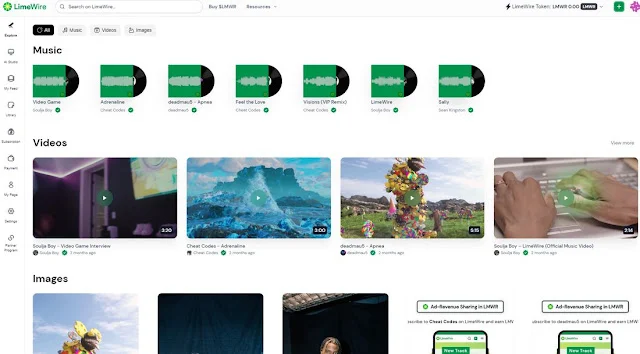
In a significant and strategic pivot, LimeWire, a name once synonymous with peer-to-peer file-sharing, has re-emerged as a sophisticated generative AI content platform, poised to redefine digital creation and monetization for artists worldwide. This dramatic transformation sees the platform leveraging advanced artificial intelligence to empower users to generate, share, and earn revenue from their digital creations, marking a profound departure from its controversial past and firmly positioning itself within the burgeoning Web3 and creator economy landscape.
The Genesis of a Transformation: From P2P to AI
The original LimeWire captivated millions in the early 2000s, becoming a prominent player in the nascent digital file-sharing revolution. Its decentralized nature allowed users to freely exchange music, movies, and software, fundamentally altering digital content consumption. However, this revolutionary accessibility came at a steep price. The platform became embroiled in extensive legal battles over copyright infringement, culminating in a permanent injunction in 2010 that effectively shuttered its operations. For over a decade, the brand lay dormant, a relic of the internet’s wild west era.
The decision to resurrect LimeWire under an entirely new paradigm speaks volumes about the shifting technological and cultural currents. The founders of the new entity recognized the parallels between the original platform’s decentralized ethos and the promise of Web3 technologies, particularly blockchain and non-fungible tokens (NFTs). This reincarnation is not merely a rebranding; it is a complete architectural overhaul, focusing on legitimate content creation, verifiable ownership, and direct monetization for artists. The re-launch signifies an ambition to move beyond the shadow of its past, embracing innovation to empower a new generation of digital creators in a legally compliant and economically sustainable manner.
Democratizing Creativity: The LimeWire AI Studio
At the heart of the new LimeWire ecosystem is the AI Studio, a powerful hub designed to democratize access to cutting-edge generative AI tools. Currently, the platform’s primary focus is on AI image generation, offering a versatile suite of capabilities that cater to both novice and experienced creators. Users can tap into the power of industry-leading AI models such as Stable Diffusion 2.1, Stable Diffusion XL, and DALL-E 2. This integration is crucial, as these models represent the vanguard of text-to-image synthesis, known for their ability to produce high-quality, diverse, and imaginative visuals from simple text prompts.
The user experience is designed for intuitive creativity. Artists can begin their generative journey with straightforward keyword prompts or delve into more intricate, detailed instructions to fine-tune their artistic vision. A key differentiator for LimeWire is the seamless flexibility it offers in exploring various AI models and design aesthetics. Users can effortlessly switch between different underlying AI engines and apply a wide array of stylistic filters, including cinematic, digital art, pixel art, anime, and analog film. Each style imparts a distinctive visual signature, enabling creators to experiment across a broad spectrum of artistic expressions and achieve precise visual outcomes tailored to their unique needs.
Beyond core generation, the platform provides advanced features such as samplers for refining image quality and detail, extensive customization options, and intelligent prompt guidance. This comprehensive toolkit ensures that creators have granular control over their output, allowing them to iterate and perfect their AI-generated art. Furthermore, LimeWire has announced ambitious plans to develop its proprietary AI model, indicating a long-term commitment to innovation and continuous enhancement of its generative capabilities. This proprietary model is expected to further expand the creative horizons for its user base, solidifying LimeWire’s position as a dynamic and evolving player in the AI-driven art space.
Empowering Creators Through Ownership and Revenue
Perhaps the most compelling aspect of LimeWire’s new iteration is its robust framework for creator empowerment and monetization, deeply rooted in Web3 principles. The platform introduces multiple revenue streams designed to provide artists with unprecedented control and economic benefit from their work.
Central to this model is the automatic minting of content as Non-Fungible Tokens (NFTs). Upon creation and selection for publication, every piece of content—be it an image, and eventually music or video—is automatically transformed into a unique digital asset on either the Polygon or Algorand blockchain. This process imbues the artwork with a verifiable digital signature, establishing irrefutable proof of authenticity and ownership in a decentralized ledger. Creators retain the power to decide the accessibility of their NFTs, opting for public release to foster broader engagement and trade, or choosing exclusive access for premium subscribers, cultivating an intimate connection with dedicated fans.
The monetization avenues extend beyond initial sales. LimeWire implements a revolutionary 2.5% royalty on every subsequent trade of a creator’s NFT within the platform’s ecosystem. This mechanism ensures that artists continue to earn from their creations long after the initial transaction, providing a sustainable, passive income stream. This contrasts sharply with traditional content platforms where creators often receive a one-time payment or a small fraction of ad revenue, with little to no ongoing benefit from secondary market activity.
In addition to NFT royalties, LimeWire offers a substantial ad revenue sharing program. Creators receive a remarkable 70% of all ad revenue generated from other users viewing their images, music, and videos on the platform. This aggressive revenue share is significantly higher than many mainstream content platforms, making it an attractive proposition for designers, artists, and musicians looking to supplement their income while experimenting with generative AI tools. This model actively incentivizes content creation and community engagement, transforming passive consumption into direct financial benefit for the creators.
The Web3 Advantage: LMWR Tokens and Digital Collectibles
The economic backbone of the LimeWire ecosystem is its native cryptocurrency, the LMWR token. All earnings from ad revenue and other monetization activities are distributed to creators in LMWR tokens on a monthly basis. This integration with cryptocurrency not only aligns LimeWire with the broader Web3 movement but also provides creators with liquid assets that can be traded on popular crypto exchanges such as Kraken, ByBit, and UniSwap. Furthermore, LMWR tokens can be utilized within the platform itself, for instance, to pay for prompts when leveraging LimeWire’s generative AI tools, creating a circular economy that reinforces the value and utility of the token.
The concept of digital collectibles is also deeply embedded within the LimeWire Studio. Fans are encouraged to subscribe to creators’ pages, immersing themselves in the artistic journey and gaining ownership of unique digital assets that hold tradable value within the LimeWire community. This fosters a vibrant, interactive ecosystem where fans become patrons and participants, directly supporting the artists they admire while potentially benefiting from the appreciation of their digital holdings. The platform’s flexibility is further underscored by its content publication options: creators can choose to share their work freely with the public or opt for a premium subscription model, granting exclusive access to specialized content for their most dedicated followers.
A Glimpse into the Future: Expanding AI Capabilities
LimeWire’s commitment to innovation is evident in its ambitious roadmap for future expansion. While currently excelling in AI image generation, the platform has clearly articulated plans to introduce AI music and video generation tools in the near future. This strategic broadening of its offerings promises to unlock even more avenues for expression and engagement, positioning LimeWire Studio as a comprehensive multimedia creation hub. The integration of AI for music and video creation holds immense potential, from generating unique soundscapes and compositions to crafting dynamic visual narratives, further democratizing the tools of content production for a wider spectrum of artists.
"Our vision for LimeWire is to be the ultimate platform for digital artists, offering not just cutting-edge AI tools but also a direct, transparent path to monetization and ownership," stated a spokesperson for LimeWire, emphasizing the platform’s commitment. "We believe that by leveraging Web3 technologies and a creator-centric economic model, we can truly empower artists to thrive in the digital age, much like the original LimeWire empowered users with decentralized access, but this time with verifiable ownership and fair compensation."
Industry Reactions and Creator Adoption
The platform has already garnered attention and adoption from established artists, signaling its potential to bridge the gap between traditional entertainment and the emerging Web3 space. Acclaimed musicians such as Deadmau5, Soulja Boy, and Sean Kingston have embraced LimeWire to publish their content in the form of NFT music, videos, and images. This early adoption by mainstream figures lends credibility to LimeWire’s model and demonstrates the growing appeal of Web3 platforms for artists seeking new ways to connect with fans and monetize their intellectual property.
"The re-emergence of LimeWire is a fascinating case study in brand transformation," notes Dr. Anya Sharma, a digital media analyst at Tech Insights Group. "By shedding its contentious past and embracing generative AI and NFTs, LimeWire is tapping into two of the most significant trends in the digital economy. The challenge will be in navigating the complexities of AI ethics, copyright in generative content, and building a sustainable, thriving community that can truly compete with established platforms while staying true to its decentralized, creator-first promise." The analyst further elaborated that LimeWire’s high ad revenue share and continuous royalties on NFT trades represent a bold move that could significantly disrupt traditional creator platform economics, setting a new standard for artist compensation.
Accessibility and Pricing Structure
True to its democratizing mission, LimeWire offers an accessible entry point for all creators. A free tier allows users to sign up and immediately begin experimenting with its AI tools, providing 10 credits daily for generating up to 20 AI images. This free access also includes a 50% share of ad revenue, allowing new creators to test the waters and earn a modest income.
For more prolific or professional creators, LimeWire offers a range of premium plans designed to scale with their needs:
- Basic Plan ($9.99/month): Provides 1,000 credits, enabling up to 2,000 image generations per month, early access to new AI models, and a 50% ad revenue share.
- Pro Plan ($29/month): Offers 3,750 credits for up to 7,500 image generations, early access to new AI models, and an increased 60% ad revenue share.
- Creator Plan ($49/month): Delivers 5,000 credits for up to 10,000 image generations, early access to new AI models, and a substantial 70% ad revenue share.
- Enterprise Plan ($99/month): The most comprehensive option, granting 11,250 credits for up to 22,500 image generations, early access to new AI models, and the highest 70% ad revenue share.
All premium plans come with additional benefits, including a Pro profile badge, full creation history, faster image generation speeds, and an ad-free experience, enhancing the overall professional utility of the platform.
Broader Implications for the Creative Landscape
LimeWire’s transformation represents more than just a brand relaunch; it signifies a pivotal moment in the evolution of the creative economy. By seamlessly integrating generative AI with blockchain-based ownership and diverse monetization models, it offers a compelling vision for the future of digital content creation and distribution. The platform stands as a democratizing force, eliminating traditional barriers to entry for artists and providing tools that empower anyone to unleash their artistic potential and effortlessly share their work.
The ongoing commitment to innovation, with plans to enhance generative AI tools and expand into music and video creation, positions LimeWire as a significant player to watch. While challenges related to AI ethics, copyright, and market adoption remain pertinent to the broader generative AI landscape, LimeWire’s proactive approach to creator empowerment and its strategic embrace of Web3 technologies offer a compelling model for how digital artists can navigate and thrive in an increasingly automated and decentralized world. As LimeWire continues to evolve, it invites creators to explore a future brimming with creative potential and endless artistic exploration, fundamentally reshaping how art is made, owned, and valued.