Pevita Pearce
The landscape of collegiate athletics, particularly in the highly competitive Southeastern Conference (SEC), is in a constant state of flux. Recent legislative actions in Mississippi have introduced a significant new factor into the recruiting equation, potentially altering the competitive balance and drawing the attention of neighboring states, including Alabama. A bill passed by the Mississippi House of Representatives proposes to eliminate state income tax on earnings derived by college athletes, a move that could provide its universities with a substantial recruiting advantage. This development arrives at a time when Name, Image, and Likeness (NIL) deals have already reshaped how student-athletes are compensated, and this legislative maneuver represents a novel approach to incentivizing talent.
The proposed legislation, which must still navigate the state senate and secure the governor’s signature, targets the financial implications of lucrative NIL agreements. Under Mississippi’s current state income tax structure, which has a top rate of 4 percent, top-tier college athletes earning substantial sums could see significant financial benefits. For instance, if a hypothetical quarterback were to earn $5 million annually through NIL deals, a 4 percent tax rate would translate to approximately $200,000 in potential annual savings. This financial incentive, presented as a tax exemption, could prove highly attractive to prospective recruits who are increasingly weighing financial opportunities alongside athletic and academic considerations.
Background of NIL and State-Level Incentives
The advent of Name, Image, and Likeness (NIL) policies, first implemented by the NCAA in July 2021, democratized the ability of college athletes to profit from their personal brands. Prior to this, athletes were largely prohibited from earning money related to their athletic status. The introduction of NIL deals allowed them to monetize endorsements, appearances, social media promotions, and other commercial activities. This shift has led to a significant influx of capital into college sports, with top athletes often securing deals worth hundreds of thousands, and in some cases, millions of dollars annually.
As NIL opportunities have grown, so too have the strategies employed by universities and their associated collectives to attract and retain top talent. This has led to concerns about a potential "arms race" where financial incentives become the primary driver of recruiting decisions. States and individual institutions have begun exploring various avenues to enhance their appeal to prospective student-athletes within the framework of NIL regulations. While some states have enacted laws to facilitate NIL deals, Mississippi’s proposal to exempt athlete earnings from state income tax represents a more direct and potentially impactful form of state-level incentive.
Mississippi’s Legislative Initiative
The bill’s passage through the Mississippi House of Representatives marks a critical step in its journey toward becoming law. The rationale behind such a measure, as articulated by proponents, centers on the economic impact of successful college football programs. Universities in Mississippi, particularly Ole Miss and Mississippi State, are significant economic engines for their respective communities. The success of their football teams can translate into increased tourism, local business revenue, and a heightened sense of state pride. Legislators supporting the bill likely view this tax exemption as a strategic investment in maintaining and enhancing the state’s competitive standing in college football.
This legislative action is not occurring in a vacuum. It follows a period where Alabama, for instance, grappled with its own NIL legislation. In 2022, Alabama lawmakers repealed their own NIL Act, which had initially been designed to limit the earning potential of football players. The swift reversal indicated a recognition that restrictive measures could place Alabama and Auburn at a competitive disadvantage. Mississippi’s current proposal can be seen as a proactive measure to ensure its universities are not left behind in the evolving NIL landscape.
Potential Implications for Recruiting and the SEC
The immediate impact of Mississippi’s proposed tax exemption is expected to be felt most acutely in college football recruiting. For athletes considering offers from Mississippi schools, the prospect of retaining a larger percentage of their NIL earnings could be a decisive factor. This is particularly true for athletes who anticipate significant earning potential through NIL deals. The savings from an income tax exemption could effectively amount to a substantial additional compensation, making Mississippi a more financially attractive destination than states with higher tax burdens.
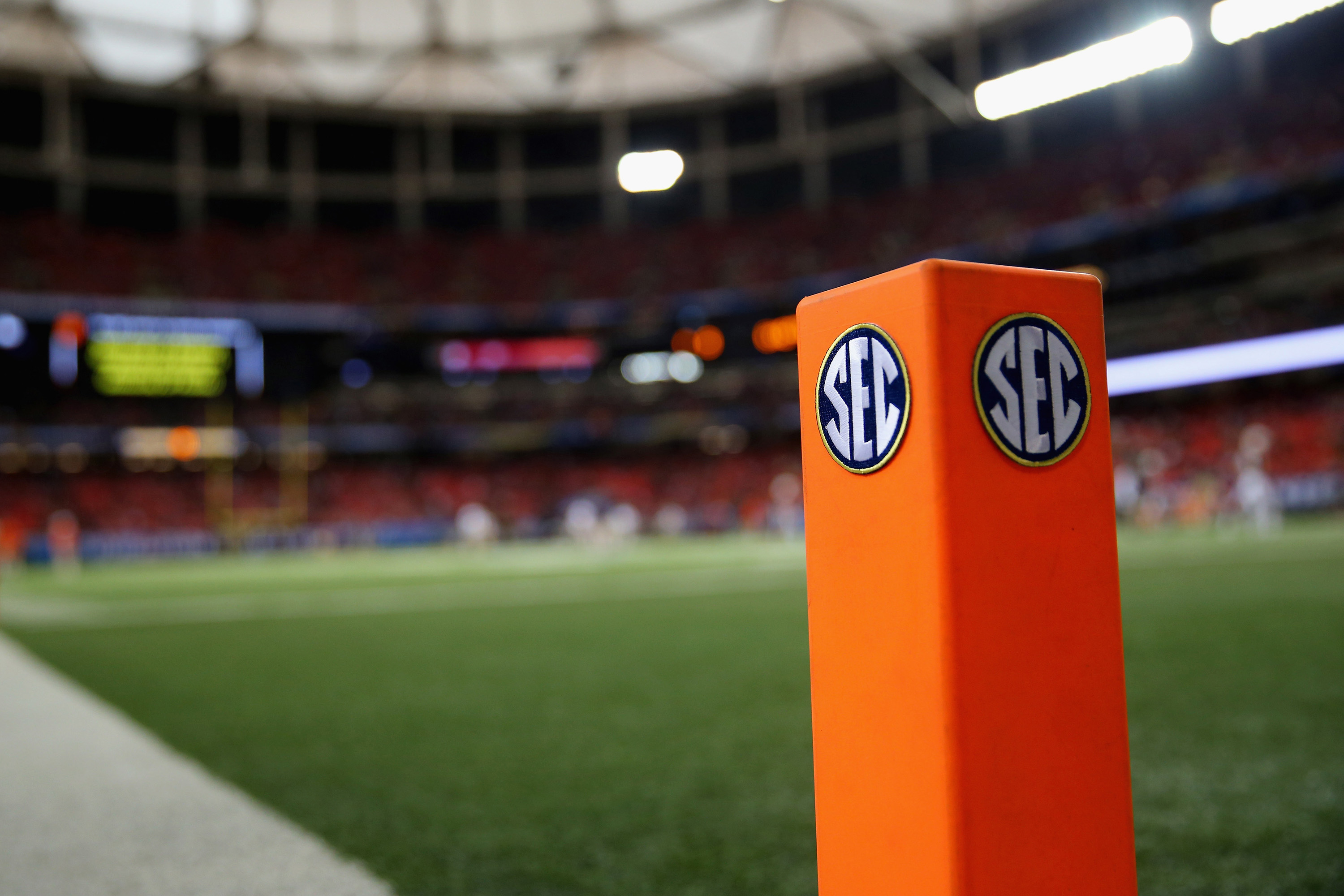
The SEC is renowned for its intense rivalries and the sheer financial investment poured into its football programs. States like Texas and Louisiana, with their own significant college football traditions and substantial NIL markets, are also navigating these competitive pressures. While Texas benefits from a robust oil and gas industry that fuels its NIL collectives, and Louisiana has its own legislative approaches to NIL, Mississippi’s direct tax incentive offers a unique angle.
The implications for Alabama, a state with a deeply ingrained college football culture and two prominent SEC programs, are significant. The pressure is now on Alabama lawmakers and university officials to consider how they might respond to Mississippi’s move. Historically, states have used various incentives to attract businesses and talent. If Mississippi is leveraging its tax code to attract elite athletes, other states may feel compelled to explore similar, or alternative, financial advantages.
Examining the "Trickle-Down" Economic Argument
The argument for state governments actively supporting college football programs often hinges on economic benefits. Proponents suggest that successful teams generate substantial revenue for local businesses through increased fan attendance, tourism, and media exposure. When an SEC team, such as Auburn or Alabama, hosts a playoff game or achieves a successful season, the economic ripple effect can be considerable, benefiting a wide range of businesses, from restaurants and hotels to retail establishments.
From this perspective, investing in the success of college football programs through legislative means like tax exemptions can be viewed as a form of economic development. The argument is that by making it more financially advantageous for top athletes to play in Mississippi, the state indirectly boosts its economy. This line of reasoning, often termed "trickle-down economics," posits that benefits to key sectors or individuals will eventually filter down to the broader population.
However, this perspective also raises questions about resource allocation and public policy priorities. Critics might argue that state resources and legislative efforts could be better directed toward public services such as education, healthcare, or infrastructure. The notion that public officials should prioritize legislation to enhance the competitive advantage of university football teams over other societal needs is a point of contention. The example of teachers’ starting salaries in Mississippi, cited in the original commentary, starkly contrasts with the potential financial gains of star athletes, highlighting this tension.
Future Considerations and Potential Responses
The passage of Mississippi’s bill is not guaranteed, and even if enacted, its long-term impact will depend on various factors, including its interpretation and enforcement, as well as the responses of other states and the NCAA. The NCAA itself continues to grapple with the evolving regulatory environment surrounding NIL and player compensation, and any significant state-level legislative actions could prompt further discussion or potential guidelines from the governing body.
Neighboring states, particularly those within the SEC, are likely to be closely monitoring the situation. The competitive nature of the conference means that any perceived advantage gained by one member state could trigger a reactive response from others. This could lead to a further escalation of incentives, potentially pushing the boundaries of what is considered acceptable within collegiate athletics. The historical precedent of states seeking to outmaneuver each other in attracting talent, whether for professional sports or academic institutions, suggests that a period of strategic adaptation is likely.
Ultimately, Mississippi’s legislative move underscores the profound transformation occurring in college sports. The lines between amateur athletics and professionalized enterprise continue to blur, with financial considerations playing an increasingly prominent role. As the SEC and other conferences navigate this new reality, the interplay between state legislation, university athletics, and the financial well-being of student-athletes will remain a critical area of focus. The coming months will reveal whether Mississippi’s bold legislative step will indeed flip the script on college football recruiting, setting a new precedent for how states compete for athletic talent. The "good ol’ days" of recruiting focused solely on facilities and coaching may be a distant memory, replaced by a complex calculus of athletic potential, academic fit, and, increasingly, financial incentives shaped by state policy.