Layla Zulfa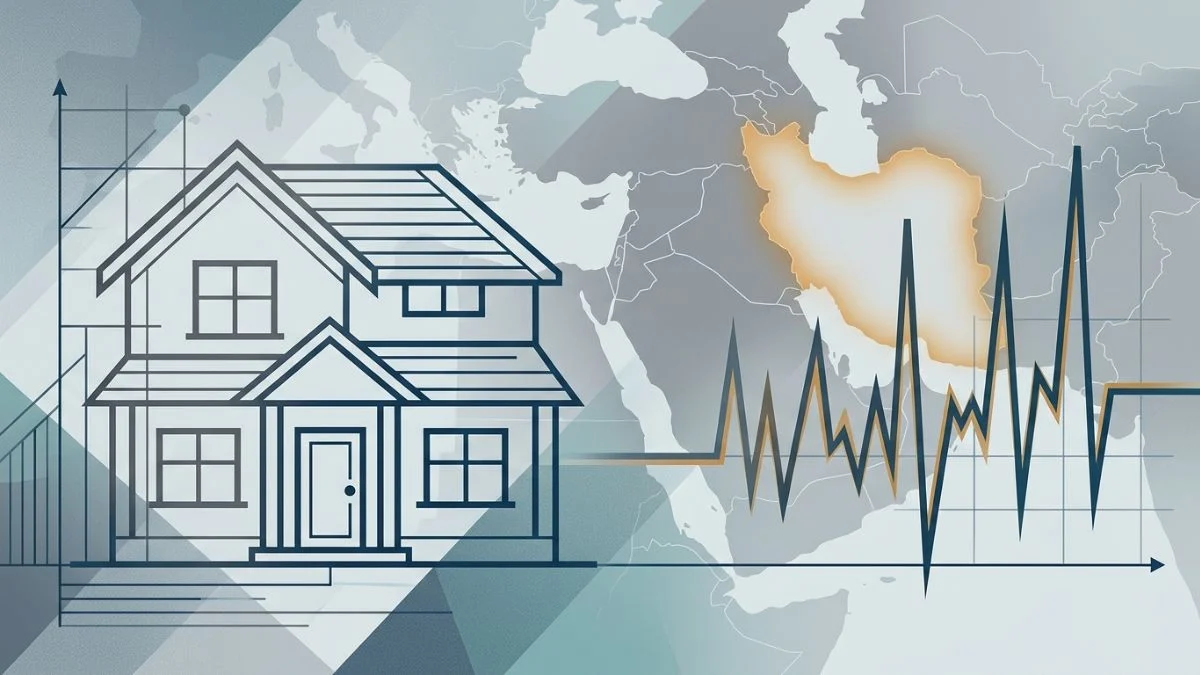
Mortgage rates are teetering on the precipice of breaching the 7% mark this week, a threshold that seemed distant not long ago. This potential climb comes amid a confluence of escalating geopolitical tensions and crucial economic data releases, creating a volatile environment for the housing market. The recent surge in mortgage rates, hitting yearly highs on Monday, can be largely attributed to heightened concerns over the escalating conflict between the United States and Iran. This international development has sent ripples through global markets, most notably by driving up oil prices and, consequently, influencing the trajectory of borrowing costs for homebuyers.
The initial assessment of mortgage rates remaining below 7% for an extended period, perhaps even through 2026, has been significantly challenged by recent events. A shift in market sentiment, amplified by renewed Middle Eastern instability, has recalibrated expectations. The weekend’s developments, including reports of retaliatory missile exchanges between the U.S. and Iran, coupled with a provocative social media post from President Trump depicting the destruction of Kharg Island, have injected a substantial dose of uncertainty into the financial landscape. This heightened geopolitical risk premium is directly impacting investor behavior and, by extension, the cost of capital for mortgage lenders.
In this dynamic economic climate, a recent episode of the HousingWire Daily podcast, recorded last Friday, delved into the complexities of the mortgage rate outlook. Editor in Chief Sarah Wheeler and the author of this article discussed the factors that are significantly influencing, and potentially distorting, the expected path of mortgage rates. The timing of this discussion is particularly prescient as this week is also marked by a critical release of jobs data, a key indicator that the Federal Reserve closely monitors when formulating monetary policy. The interplay between these geopolitical and economic forces raises a compelling question: will mortgage rates finally break through the 7% barrier for the first time this year, and what are the underlying drivers?
The Shifting Sands of Mortgage Spreads
For much of the year, mortgage rates have shown remarkable resilience, largely staying below the 7% threshold. This stability, while offering some predictability to the housing market, has also been a point of scrutiny. The current positioning of mortgage spreads—the difference between the yield on mortgage-backed securities and comparable Treasury yields—suggests that a significant external catalyst would be required to push rates substantially higher. In previous years, rates consistently exceeding 7% were a common occurrence, reflecting different economic conditions and monetary policy stances. However, the current market dynamics, despite the recent uptick, have not yet seen rates decisively clear this psychological and practical barrier, with current figures hovering around 6.87%. This suggests that while market sentiment is reacting to immediate pressures, the underlying structural factors may be providing some counterweight.
The Trifecta of Factors Poised to Push Rates Above 7%
Several key factors are converging this week, each possessing the potential to propel mortgage rates beyond the 7% mark. The confluence of these elements creates a potent cocktail of market pressures that could redefine the borrowing landscape for prospective homeowners.
Escalation of the Iran Conflict
The most immediate and impactful catalyst for rising rates has been the renewed escalation of tensions in the Middle East. The weekend’s events, involving direct military exchanges between the U.S. and Iran, have significantly heightened geopolitical risk. While oil prices have not yet surged past the $100 per barrel mark—a level that historically triggers significant economic concern—the prolonged duration of this conflict, now extending for approximately six months, has been a persistent worry for the Federal Reserve. The recent military actions have been interpreted by the market as a worsening of the situation, increasing the perceived risk premium associated with global stability. This, in turn, translates into higher borrowing costs as investors demand greater compensation for perceived risks. The Federal Reserve’s concern stems from the potential for such conflicts to disrupt global supply chains, increase energy costs, and ultimately contribute to inflationary pressures, which the central bank is actively working to contain.
Resurgence of Trade War Rhetoric
Adding another layer of complexity to the economic outlook is the potential for a rekindled trade war, particularly with Canada. The timing of such a development is arguably ill-suited for the current global economic climate, which is still navigating the aftermath of the pandemic and facing inflationary headwinds. Reports indicate that former President Trump is advocating for policies that could impose tariffs on goods from Canada, even encouraging Canadian companies to relocate to the United States to avoid these potential levies. Such protectionist measures are generally viewed unfavorably by the Federal Reserve, as they can disrupt international trade, increase business costs, and stifle economic growth. The bond market, which is highly sensitive to factors influencing economic stability and inflation, reacts negatively to the prospect of escalating trade disputes. Tariffs can lead to higher prices for consumers and businesses, creating inflationary pressures that the Fed is committed to combating. This sentiment is reflected in the yields of U.S. Treasury bonds, a benchmark for many interest rates, including mortgages.
Persistent Labor Market Strength and Wage Growth
The third crucial factor influencing the trajectory of interest rates is the ongoing robustness of the U.S. labor market. A significant reason behind the hawkish stance adopted by some members of the Federal Reserve is the remarkable stability of employment conditions. Key indicators such as jobless claims have remained low, and the unemployment rate has held steady at approximately 4.1%. This tight labor market, characterized by a high demand for workers and limited supply, can lead to upward pressure on wages. If upcoming jobs data, particularly the highly anticipated "Jobs Friday" report, reveals stronger-than-expected job creation and a pickup in wage growth, it would reinforce the argument for a more restrictive monetary policy. Such data would signal that the economy is operating at or near full capacity, increasing the likelihood of inflationary pressures. For the Federal Reserve, a strong labor market coupled with rising wages can be a precursor to broader inflation, prompting a more aggressive approach to interest rate hikes to cool down the economy.
Broader Implications and the Path Forward
The current economic landscape presents a critical juncture for mortgage rates. The confluence of escalating geopolitical risks, the potential for renewed trade tensions, and the continued strength of the labor market creates a potent environment for rates to potentially breach the 7% threshold.
The Iran conflict has been a significant overhang for the bond market in recent months. President Trump’s dual stance—expressing a desire for lower interest rates while simultaneously engaging in actions that exacerbate international instability—presents a policy paradox. The inherent mechanisms of global finance suggest that such geopolitical uncertainty naturally leads to higher risk premiums, which directly translate into higher borrowing costs. It is a complex interplay where rhetoric and action can have diverging impacts on market dynamics.
While the news regarding potential tariffs on Canadian goods is concerning, the immediate impact of such measures in the short term might be limited, particularly if they are not fully implemented in the coming years. However, the Federal Reserve’s aversion to trade wars and protectionist policies remains a significant factor. Any indication of escalating trade disputes can negatively influence investor sentiment and contribute to upward pressure on bond yields, thus affecting mortgage rates. The Fed’s mandate includes fostering stable prices and maximum employment, and trade wars are seen as detrimental to both.
This week’s focus on labor market data cannot be overstated. The sequence of reports—job openings, the ADP jobs report, jobless claims, and the culminating "Jobs Friday" employment situation report—will provide a comprehensive picture of the labor market’s health. A robust report, indicating sustained job growth and accelerating wage increases, would strengthen the case for the Federal Reserve to consider further interest rate adjustments. Specifically, such data could embolden the "hawkish" members of the Federal Open Market Committee (FOMC) to garner sufficient support for an additional rate hike at their September meeting. The FOMC’s decisions on interest rates are pivotal, influencing not only the cost of borrowing for consumers but also the broader economic trajectory. A higher federal funds rate typically leads to higher interest rates across the economy, including mortgage rates, car loans, and credit card interest.
The implications of mortgage rates surpassing 7% are substantial for the U.S. housing market. Higher borrowing costs can significantly impact affordability, potentially leading to a slowdown in home sales and a moderation in price growth. For prospective buyers, a 7% mortgage rate means a higher monthly payment compared to rates below this level, requiring a larger income or a larger down payment to maintain the same level of affordability. This could disproportionately affect first-time homebuyers and those with more modest incomes. Furthermore, it can influence existing homeowners’ decisions regarding refinancing or moving, as current low-rate mortgages become less attractive to replace. The ripple effects extend to the construction industry, real estate agents, and ancillary businesses that support the housing sector. The delicate balance of the housing market, which has shown signs of resilience in recent periods, could be tested by this sustained increase in borrowing costs. The interplay of these global and domestic factors will undoubtedly shape the economic narrative in the coming weeks and months.