admin
admin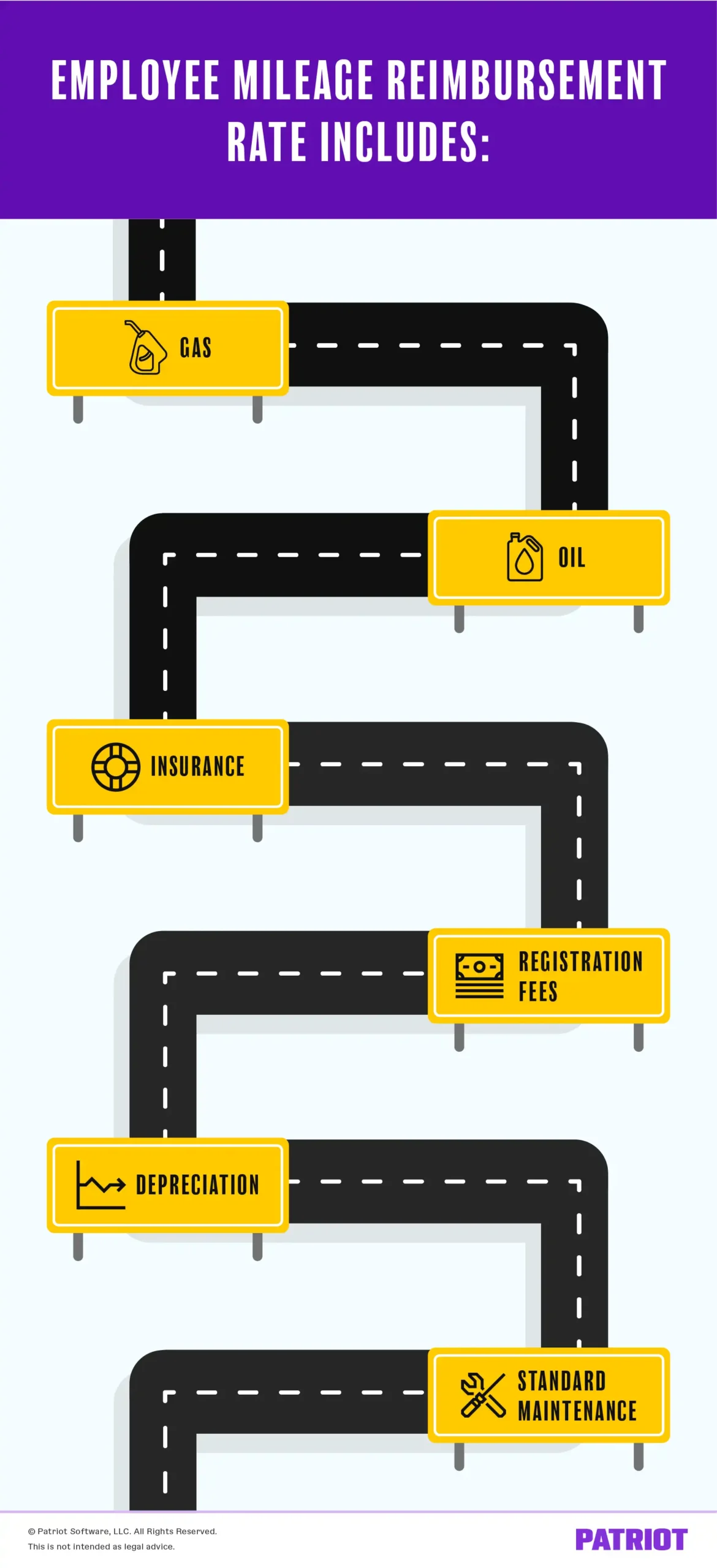
As businesses operate in an increasingly dynamic economic landscape, the necessity of employees utilizing personal vehicles for company-related errands remains a constant. From client meetings and supply runs to off-site training and project inspections, these journeys are integral to daily operations. Recognizing and fairly compensating employees for these essential contributions is not merely a matter of good faith but often a strategic imperative for employee satisfaction and compliance. Mileage reimbursement, a system designed to offset the costs employees incur when using their personal cars or trucks for business, has become a cornerstone of modern compensation practices. This article delves into the intricacies of mileage reimbursement, focusing on the latest 2026 rates, the underlying economics, legal considerations, and the strategic advantages for both employers and employees.
Understanding Mileage Reimbursement: A Foundational Concept
Mileage reimbursement refers to the financial compensation provided by an employer to an employee for the use of their personal vehicle for business purposes. The fundamental principle behind this practice is to ensure that employees are not financially disadvantaged or, in essence, subsidizing the operational costs of their employer. This compensation covers a spectrum of activities, including but not limited to:
- Driving to client sites or business meetings.
- Transporting equipment or supplies for the company.
- Attending conferences, seminars, or training sessions away from the primary workplace.
- Making bank deposits or running other administrative errands.
- Traveling between multiple work locations or job sites.
The mechanism for calculating this compensation is typically based on a per-mile rate, which aims to cover both the fixed and variable costs associated with vehicle operation.
The 2026 Mileage Reimbursement Rates: Key Adjustments and Economic Context
The Internal Revenue Service (IRS) annually reviews and adjusts the optional standard mileage rates, reflecting changes in the economic environment and the costs associated with vehicle ownership and operation. For 2026, the standard mileage rate for business use saw notable adjustments, signaling a response to inflationary pressures and rising operational expenses.
Effective January 2026, the standard business mileage rate commenced at 72.5 cents per mile. However, demonstrating the IRS’s responsiveness to significant economic shifts, this rate was further increased mid-year. As of July 1, 2026, the standard business mileage rate escalated to 76 cents ($0.76) per mile. This marks a total increase of 6 cents from the 2025 rate of 70 cents per mile, highlighting a sustained upward trend in vehicle operating costs.
These adjustments are not arbitrary. IRS officials typically consider a range of factors when determining the rates, including:
- Fuel Prices: Volatility in gasoline and diesel prices is a primary driver. Significant increases directly impact the variable cost component.
- Vehicle Maintenance and Repair Costs: The price of parts, labor, and routine servicing can fluctuate, contributing to the overall cost of ownership.
- Tires and Other Consumables: The cost of essential vehicle components.
- Insurance Premiums: Auto insurance rates are a significant fixed cost for vehicle owners.
- Depreciation: The decline in a vehicle’s value over time, although for reimbursement purposes, it’s often an estimated component.
The mid-year adjustment, as observed in 2026, is a mechanism the IRS employs to ensure the rates remain relevant in periods of pronounced economic shifts, particularly sharp increases in fuel prices or other unforeseen inflationary pressures. This flexibility prevents employees from bearing an undue financial burden during such times.
Differentiated Rates for Specific Purposes
While the standard business mileage rate garners the most attention, the IRS also sets distinct rates for other specific purposes, acknowledging varying cost structures and policy objectives:
- Medical or Moving Purposes: As of July 1, 2026, the mileage reimbursement rate for medical or moving purposes stands at 23.5 cents per mile. This rate is typically lower than the business rate because it primarily accounts for variable costs like fuel, with a lesser emphasis on depreciation and other fixed costs.
- Charitable Activities: The rate for charity-related mileage has remained notably stable, fixed at 14 cents per mile driven since 1998. This lower rate reflects a legislative decision, often intended to be a minimal offset, given the voluntary nature of charitable work and potential tax deductibility considerations for the donor.
It is crucial for businesses to differentiate these rates and apply them correctly, as misapplication can lead to compliance issues and potential tax discrepancies.
What the Standard Mileage Rate Encompasses
The optional standard mileage rate is a comprehensive figure designed to cover both the fixed and variable costs of operating a vehicle. Understanding these components clarifies what the reimbursement is intended to compensate for:
- Fixed Costs:
- Depreciation: The decline in the vehicle’s value over its useful life.
- Insurance: Premiums paid for auto insurance coverage.
- Registration and Licensing Fees: Annual costs associated with legal vehicle operation.
- Variable Costs:
- Fuel: The cost of gasoline or diesel consumed during travel.
- Oil and Other Fluids: Regular maintenance items like oil changes.
- Tires: Wear and tear on tires, necessitating periodic replacement.
- Maintenance and Repairs: Routine servicing and unexpected repairs.
It’s important to note that the standard mileage rate is typically not intended to cover tolls, parking fees, or other incidental travel expenses, which should generally be reimbursed separately by the employer. Furthermore, if an employee uses a company-owned vehicle, mileage reimbursement is not applicable, as the company already bears all operational costs.
Historical Context and the IRS’s Role
The practice of mileage reimbursement and the IRS’s role in setting standard rates dates back decades. The optional standard mileage rate provides a simplified alternative to calculating the actual costs of operating a vehicle for business purposes, which can be complex and time-consuming. Prior to the establishment of such rates, businesses and individuals had to meticulously track every expense item related to vehicle use to claim deductions or provide reimbursement. The IRS introduced these standard rates to reduce administrative burden and provide a clear, equitable benchmark.
Over the years, the rates have evolved, reflecting economic changes, technological advancements in vehicles, and shifts in tax policy. The mid-year adjustments, while not an annual occurrence, have become more common in periods of economic volatility, such as the early 2000s, the 2008 financial crisis, and more recently, in response to post-pandemic inflation. This adaptive approach underscores the IRS’s commitment to maintaining the fairness and relevance of the reimbursement system.
Operationalizing Mileage Reimbursement: A Business Imperative
For businesses, implementing an effective mileage reimbursement system requires careful planning and adherence to best practices.
1. Employee Tracking Methods:
Accurate record-keeping is paramount. Employees must meticulously track their business mileage. Common methods include:

- Manual Logs: Using paper forms or logbooks where employees record details of each trip, including date, origin, destination, business purpose, starting odometer reading, ending odometer reading, and total miles. Many businesses provide standardized forms to ensure consistency.
- Digital Applications and Spreadsheets: Modern solutions include GPS-enabled mileage tracking apps that automatically record trips, or online spreadsheets where employees can input data. Digital methods often reduce errors and the risk of lost records.
2. Developing a Clear Reimbursement Policy:
A well-defined mileage expense reimbursement policy is essential. This policy should be clearly communicated to all employees, ideally included in the employee handbook. Key elements of such a policy include:
- Eligibility: Who is eligible for reimbursement?
- Tracking Requirements: Specific methods and details required for mileage logs.
- Submission Frequency and Deadlines: How often employees must submit their mileage reports (e.g., weekly, bi-weekly, monthly, quarterly). Consistency is key.
- Reimbursement Rate: Clearly state the rate used (e.g., "the current IRS standard mileage rate for business").
- Exemptions and Exclusions: What expenses are not covered (e.g., commuting to and from the regular workplace, tolls/parking if reimbursed separately).
- Approval Process: Who approves reimbursement requests.
3. Reimbursement Mechanisms:
Once mileage reports are submitted and approved, businesses need efficient ways to compensate employees:
- Integration with Payroll: Many businesses integrate mileage reimbursement directly into their payroll system, listing the amount on the employee’s pay stub alongside regular wages. This simplifies accounting and ensures timely payment.
- Separate Payments: Some companies opt for separate checks or direct deposit transactions specifically for mileage reimbursement.
- Timeliness: Generally, it is advisable to reimburse employees promptly, often within two weeks of report submission, to maintain good employee relations and avoid cash flow issues for the employee.
Tax Implications: Accountable Plans and Deductions
The tax treatment of mileage reimbursement is a critical aspect for both employers and employees, largely dependent on whether the reimbursement plan qualifies as an "accountable plan" under IRS regulations.
Accountable Plans:
For mileage reimbursements to be non-taxable income for employees, they must be made under an "accountable plan." An accountable plan must satisfy three main rules:
- Business Connection: Expenses must have a business connection (i.e., incurred while performing services as an employee).
- Adequate Accounting: Employees must adequately account for their expenses to the employer within a reasonable period (usually 60 days after the expense is incurred). This means providing receipts, mileage logs, and other necessary documentation.
- Return of Excess Reimbursement: Employees must return any excess reimbursement or allowance to the employer within a reasonable period (usually 120 days after the expense is incurred).
When these conditions are met, the reimbursement is not reported as wages on the employee’s Form W-2, and thus, the employee does not pay income tax on it. For the employer, these reimbursements are generally deductible as ordinary and necessary business expenses.
Non-Accountable Plans:
If a reimbursement plan does not meet the criteria for an accountable plan, it is considered a "non-accountable plan." Under a non-accountable plan, all reimbursements are treated as taxable wages, subject to income tax withholding and payroll taxes (Social Security, Medicare, FUTA). This is a less desirable outcome for both parties, as it increases the employee’s taxable income and the employer’s payroll tax burden.
Impact of the Tax Cuts and Jobs Act of 2017 (TCJA):
A significant change occurred with the passage of the TCJA in 2017. Prior to this act, employees could deduct unreimbursed business expenses, including mileage, as miscellaneous itemized deductions on Schedule A (Form 1040), subject to a 2% adjusted gross income (AGI) floor. However, the TCJA suspended these deductions for tax years 2018 through 2025. This means that, currently, employees cannot claim a tax deduction for unreimbursed business mileage. This legislative change underscores the importance for employers to offer mileage reimbursement to ensure employees are not left out-of-pocket for business-related driving expenses.
Self-Employed Individuals:
Self-employed individuals (e.g., sole proprietors, independent contractors) can still deduct business mileage expenses. They can choose between using the standard mileage rate or deducting actual expenses (including depreciation, fuel, oil, insurance, repairs, and other costs) on Schedule C (Form 1040) or other relevant tax forms.
Strategic Advantages for Employers and Employees
Implementing a robust mileage reimbursement program offers numerous benefits:
Employer Advantages:
- Enhanced Employee Satisfaction and Morale: Fair compensation for business-related expenses prevents resentment and fosters a sense of being valued, leading to improved morale.
- Increased Employee Engagement and Retention: Satisfied employees are more likely to be engaged and remain with the company, reducing turnover costs.
- Tax Deductions: Employers can deduct mileage reimbursements paid under an accountable plan as a business expense, reducing their taxable income.
- Compliance with State Laws: In states where reimbursement is mandated, a clear policy ensures legal compliance.
- Simplified Accounting: Using the IRS standard rate simplifies expense tracking compared to calculating actual costs for each employee.
- Competitive Edge: Offering fair reimbursement can be a recruiting and retention tool, making a company more attractive to potential employees.
Employee Advantages:
- Fair Compensation: Employees are compensated for the wear and tear, fuel, and other costs associated with using their personal vehicle for business, preventing them from incurring out-of-pocket expenses.
- Non-Taxable Income: Under an accountable plan, reimbursements are not considered taxable income, meaning employees receive the full amount without deductions.
- Reduced Financial Burden: Employees do not have to absorb the costs of business travel, which can be substantial, especially for roles requiring frequent driving.
- Clear Expectations: A defined policy provides clarity on what expenses are covered and how to claim them.
Legal Landscape: Federal vs. State Requirements
While the IRS sets the standard mileage rates, federal law generally does not mandate that employers offer mileage reimbursement. The primary federal concern, if no reimbursement is provided, revolves around minimum wage laws. If an employee’s unreimbursed mileage expenses cause their net pay to fall below the federal minimum wage for the hours worked, the employer could be in violation of the Fair Labor Standards Act (FLSA).
However, several states have stricter requirements:
- California: California is notable for its stringent reimbursement laws. Labor Code Section 2802 requires employers to indemnify employees for all necessary expenses incurred in the discharge of their duties, including mileage. This means employers must reimburse employees for business mileage.
- Massachusetts: Similar to California, Massachusetts also requires employers to reimburse employees for necessary business expenses, including mileage.
- Illinois, Pennsylvania, and others: A growing number of states have statutes or court precedents that imply or explicitly require reimbursement for necessary business expenses.
Businesses operating in multiple states must be acutely aware of state-specific laws and ensure their policies comply with the most stringent applicable regulations. Consulting with legal counsel or a payroll expert familiar with state labor laws is highly advisable.
Economic Impact and Future Outlook
The adjustments to the IRS standard mileage rates, particularly the mid-year increases, reflect broader economic trends such as inflation and energy market volatility. For businesses, these changes necessitate budget adjustments and careful financial planning. For employees, they ensure that the cost of using their vehicle for work keeps pace with real-world expenses.
Looking ahead, businesses should anticipate continued flexibility from the IRS in adjusting these rates as economic conditions evolve. The shift towards electric vehicles (EVs) and hybrid cars could also eventually influence how mileage rates are calculated in the long term, potentially leading to differentiated rates or adjustments that account for charging costs versus fuel. However, for the foreseeable future, the established framework of standard mileage rates will remain the primary mechanism for fair compensation.
Conclusion
Mileage reimbursement is a vital component of employee compensation and a critical area of compliance for businesses. Understanding the 2026 IRS rates, the economic factors driving their adjustments, the nuances of accountable plans, and the varying legal requirements across states is essential. By establishing clear policies, utilizing efficient tracking methods, and ensuring timely, accurate reimbursement, businesses can not only comply with regulations but also foster a positive and supportive work environment, ultimately benefiting both their bottom line and their most valuable asset: their employees.