admin
admin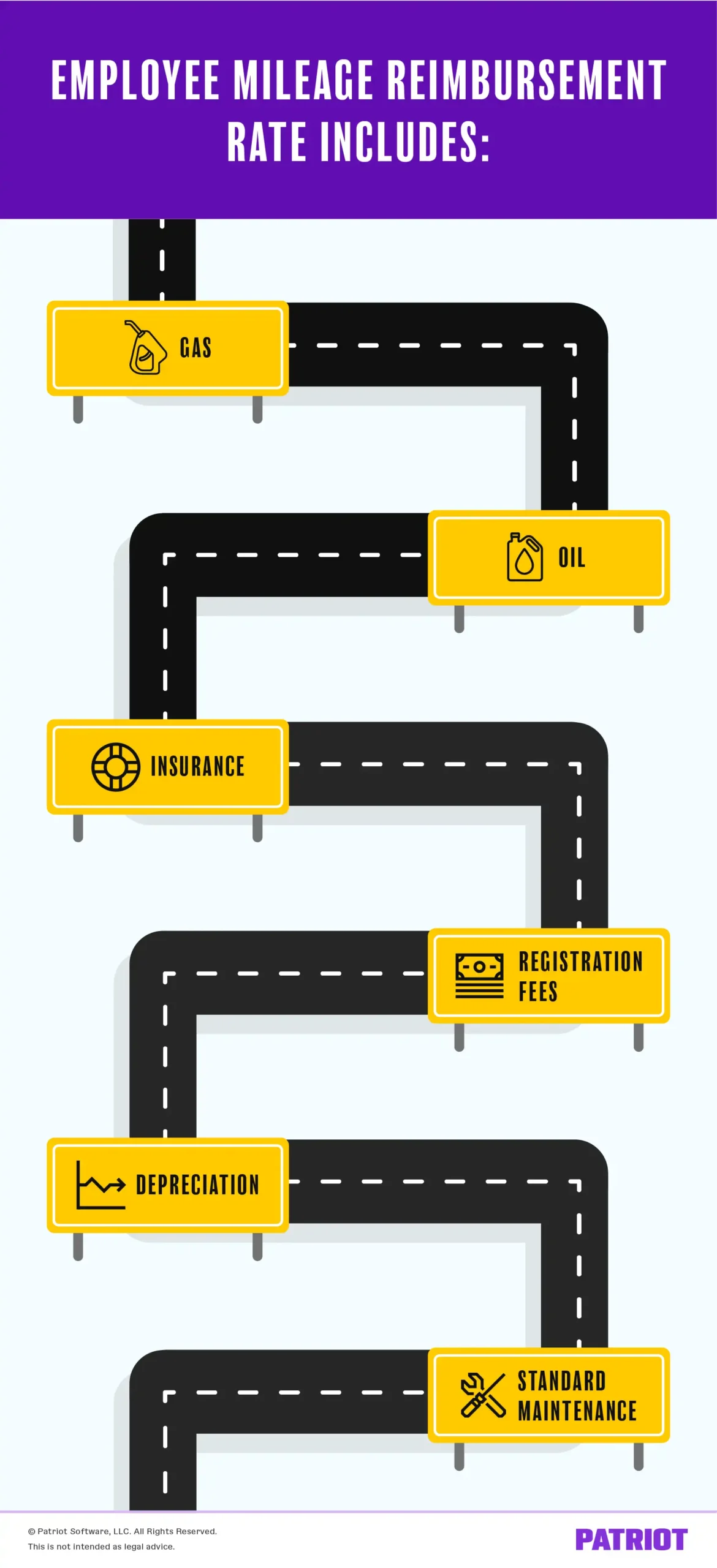
Business owners frequently face the operational reality of needing employees to use personal vehicles for company-related tasks, from delivering critical documents and picking up supplies to attending client meetings or off-site training sessions. When employees leverage their personal cars or trucks for these essential functions, the question of fair compensation for their vehicle-related expenses inevitably arises. This is where mileage reimbursement becomes a crucial aspect of business finance and employee relations. Mileage reimbursement involves compensating employees for the costs incurred while using their personal vehicles for business purposes, ensuring they are not financially burdened by work-related travel.
The Latest Adjustments: 2026 Mileage Rates in Focus
The Internal Revenue Service (IRS) periodically updates its standard mileage rates to reflect the fluctuating costs of vehicle operation. For 2026, these adjustments have seen a notable increase, underscoring the dynamic economic factors influencing transportation expenses. As of January 2026, the standard mileage rate for business use commenced at 72.5 cents per mile. However, recognizing ongoing shifts in costs, the IRS implemented a mid-year increase. Effective July 1, 2026, the standard mileage rate for business travel has risen to 76 cents ($0.76) per mile. This marks a significant 6-cent total increase from the 2025 rate of 70 cents per mile, highlighting the IRS’s responsiveness to prevailing economic conditions, particularly concerning fuel prices and vehicle maintenance costs.
While the IRS sets these rates as a guideline, it is important to note that federal law does not explicitly mandate employers to adopt them. Nevertheless, the IRS standard rate is widely utilized by most businesses due to its simplicity, broad acceptance, and the clear tax advantages it offers. Businesses or organizations, depending on their industry or specific operational needs, may sometimes opt to use different rates. However, deviating from the IRS standard requires careful consideration of compliance and potential tax implications for both the employer and employee.
Differentiated Rates for Specific Purposes
Beyond the general business mileage rate, the IRS also provides specific rates for other categories of travel. For medical or moving purposes, the standard mileage reimbursement rate stands at 23.5 cents per mile as of July 1, 2026. This rate accounts for a different set of cost considerations compared to general business travel. Furthermore, mileage driven for charity-related activities is reimbursed at 14 cents per mile. Notably, this rate has remained unchanged since 1998, reflecting a distinct policy approach for charitable contributions, which are often subject to different tax regulations and considerations. These varied rates underscore the nuanced nature of vehicle expense compensation, tailored to the specific context and purpose of the travel.
What Does Mileage Reimbursement Cover? Dissecting the Costs
The mileage reimbursement rates established by the IRS are not arbitrary figures. They are meticulously calculated to encompass both the fixed and variable costs associated with operating a vehicle. Understanding these components is key to appreciating the comprehensive nature of the reimbursement.
The employee mileage reimbursement rate is designed to cover a broad spectrum of expenses, including:
- Fuel Costs: A significant variable expense, subject to market fluctuations.
- Maintenance and Repairs: Routine upkeep, unexpected repairs, and servicing necessary to keep a vehicle operational.
- Tires: The cost of tire wear and eventual replacement.
- Insurance: A portion of the annual insurance premiums, reflecting the increased usage for business.
- Depreciation: The gradual loss in value of the vehicle over time due to wear and tear and obsolescence.
- Registration Fees: Annual costs associated with vehicle registration.
It is crucial for employers to remember that mileage reimbursement is strictly for the use of an employee’s personal car for business purposes. If an employee is utilizing a company-owned vehicle, federal mileage reimbursement is not applicable, as the company directly bears all operational costs for its fleet.
Calculating Reimbursement: A Practical Example
To illustrate the calculation of standard mileage reimbursement, consider a common scenario. Imagine Caitlin, an employee, is tasked with several business errands. Her day begins with a 14-mile roundtrip journey to pick up essential supplies for the office. Later, she drives 11 miles to meet a key client, followed by another 11-mile drive back to the main office.
In total, Caitlin has driven 36 business miles (14 + 11 + 11 = 36 miles). Using the standard mileage rate of 76 cents per mile (as of July 1, 2026), her reimbursement would be calculated as follows:
$0.76 (standard mileage rate) × 36 (business miles driven) = $27.36.
Thus, Caitlin would be reimbursed $27.36 for her business-related travel. This example highlights the straightforward nature of calculating reimbursement once the mileage and the applicable rate are known.
The Mechanism of Reimbursement: Tracking and Policy
For employees to receive mileage reimbursement, meticulous record-keeping of business mileage is paramount. This can be achieved through various methods, catering to different business sizes and technological capabilities.
Traditionally, employees have tracked business miles using paper forms or logbooks. Many businesses provide standardized mileage reimbursement forms that employees complete for each business-related trip. These forms typically require specific details, including:
- Date of Travel: To establish a clear timeline.
- Business Purpose: A brief description of why the trip was necessary.
- Destination and Origin: The start and end points of the journey.
- Miles Traveled: The distance covered for that specific trip.
- Total Miles: A running tally for a reporting period.
These forms often feature multiple lines to accommodate several trips, and businesses may require submissions monthly, quarterly, or annually, depending on their internal policies.
With advancements in technology, many companies now allow or even prefer employees to track business miles using digital applications or online spreadsheets. These digital solutions offer the same data capture capabilities as paper forms but come with added advantages, such as reducing the risk of lost records and simplifying data aggregation and analysis. GPS-enabled tracking apps can automatically log trips, providing accurate and verifiable mileage data, which is increasingly preferred for audit purposes.

Regardless of the method, establishing a clear and consistent timeframe for employees to submit their mileage information is critical. Furthermore, businesses should formalize their approach by developing a comprehensive mileage expense reimbursement policy. This policy should be clearly articulated in the employee handbook and detail aspects such as eligibility criteria, approved tracking methods, submission deadlines, the reimbursement schedule, and any qualifications or exemptions. A well-defined policy ensures transparency, fairness, and compliance for all parties.
Processing Reimbursements: Payment Methods and Tax Implications
Once mileage reports are submitted and verified, the next step is the actual reimbursement process. Employers have several options for compensating employees for mileage. Some businesses integrate mileage reimbursement directly into an employee’s regular payroll, listing it on the same pay stub as wages. This approach simplifies the payment process and provides a consolidated record for the employee. Other companies may opt to issue a separate check or direct deposit transaction specifically for mileage reimbursement.
A general best practice is to process and refund employees within two weeks after they submit their mileage reports, ensuring timely compensation and fostering employee satisfaction.
A critical aspect of mileage reimbursement is understanding its tax implications. When a business implements an "accountable plan" for expense reimbursements, employees do not have to pay taxes on mileage reimbursements. An accountable plan is an IRS-compliant arrangement that requires employees to:
- Incur expenses while performing services as an employee.
- Adequately account for these expenses to the employer within a reasonable period.
- Return any excess reimbursement or allowance within a reasonable period.
If these conditions are met, the reimbursements are considered non-taxable income for the employee and are not subject to income tax withholding or social security/Medicare taxes.
Benefits of a Robust Mileage Reimbursement System
Implementing a clear and fair mileage reimbursement system offers substantial benefits for both employers and employees.
Employer Advantages:
- Enhanced Employee Satisfaction and Retention: Fair compensation prevents employees from feeling financially burdened by work-related travel, leading to higher morale and reduced turnover.
- Legal Compliance: In states where mileage reimbursement is mandated, having a system in place ensures adherence to labor laws and avoids potential penalties.
- Tax Deductions: Employers can typically deduct mileage reimbursements as a business expense, reducing their taxable income. This can be done using the standard mileage rate or by tracking actual vehicle expenses, depending on which method yields a greater deduction and suits the business’s accounting practices.
- Improved Budgeting and Financial Planning: A structured reimbursement policy allows businesses to better forecast and manage their operational expenses.
- Professional Image: Demonstrates a commitment to fair labor practices and employee well-being, enhancing the company’s reputation.
For employers seeking a tax break, understanding the methods for calculating business mileage for taxes is important. Businesses can choose between the standard mileage rate or the actual expense method. The choice often depends on the type of business and the volume of travel. Sole proprietors, for instance, might file Form 1040, Schedule C, while other businesses may need to file Form 4562 with the IRS to claim a business mileage deduction. Consulting with the IRS or a tax professional is always advisable for specific guidance.
Employee Advantages:
- Fair Compensation: Ensures employees are not out-of-pocket for expenses incurred on behalf of the company.
- Reduced Financial Burden: Alleviates the personal cost of fuel, maintenance, and vehicle wear and tear when used for business.
- Clarity and Predictability: A clear policy provides employees with a predictable framework for expense recovery.
- Non-Taxable Income (under accountable plans): Reimbursements received under an accountable plan are generally not considered taxable income, providing a net benefit to the employee.
It is critical to reiterate that due to the Tax Cuts and Jobs Act (TCJA) of 2017, employees can no longer claim an unreimbursed business mileage deduction on their personal income taxes. This change makes employer-provided reimbursement even more vital for employees. However, self-employed individuals can still deduct mileage expenses as part of their business costs.
Mileage Reimbursement Laws: Federal and State Perspectives
The legal landscape surrounding mileage reimbursement is characterized by a mix of federal guidelines and specific state mandates. At the federal level, there is no overarching law that compels employers to offer mileage reimbursement to their employees. The IRS sets the standard rates, but these are primarily for tax purposes and do not impose a direct requirement on businesses to use them or provide reimbursement.
However, a crucial consideration for employers who choose not to offer mileage reimbursement is its potential impact on minimum wage requirements. If an employee’s unreimbursed mileage expenses effectively reduce their net earnings below the federal or state minimum wage, the employer could be in violation of labor laws. This is a significant point that often motivates employers to provide some form of compensation for business travel.
While federal law remains flexible, several states have taken a more assertive stance. States like California and Massachusetts have specific mileage reimbursement requirements, mandating employers to reimburse employees for necessary business expenses, which includes the use of personal vehicles for work. These state-specific laws often dictate the method of reimbursement, the types of expenses covered, and the record-keeping requirements. Therefore, businesses operating in multiple states must be diligent in understanding and complying with the various state-level regulations, as failure to do so can result in significant legal and financial penalties.
Conclusion: A Strategic Imperative for Modern Businesses
In an era where operational efficiency and employee well-being are increasingly prioritized, a well-structured mileage reimbursement policy is not merely a compliance task but a strategic imperative for businesses. The latest IRS rate adjustments for 2026, with the standard business mileage rate increasing to 76 cents per mile as of July 1st, underscore the dynamic nature of vehicle operating costs and the need for businesses to stay informed.
By understanding the components of these rates, differentiating between various types of travel, and implementing robust tracking and reimbursement systems, businesses can ensure fair compensation for their employees. This, in turn, fosters higher employee morale, aids in talent retention, and helps maintain compliance with both federal tax guidelines and state-specific labor laws. Moreover, the tax advantages available to employers who properly administer mileage reimbursement contribute positively to a company’s financial health. As businesses continue to adapt to evolving economic conditions and workforce demands, a thoughtful and compliant approach to mileage reimbursement will remain a cornerstone of responsible and effective business management.