Lina Irawan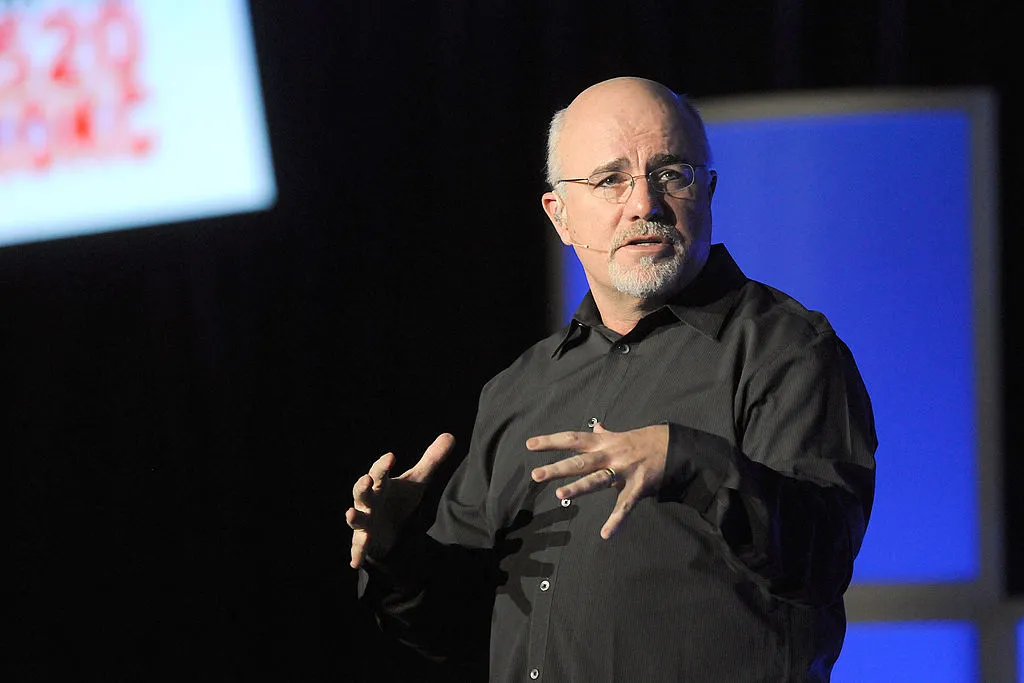
The transition from active employment to retirement marks a significant life milestone, often envisioned as a period of financial freedom and personal fulfillment. However, for a growing segment of the population, this exciting prospect is shadowed by the persistent burden of debt. Individuals approaching retirement, particularly those in their 50s and early 60s, are increasingly grappling with outstanding financial obligations, ranging from high-interest credit card balances to mortgages and auto loans, all while confronting the dual challenges of rising living costs and the imperative to make their retirement savings endure. This financial landscape necessitates a proactive and disciplined approach to debt elimination, a strategy championed by prominent financial experts like Dave Ramsey, whose actionable principles offer a robust framework for pre-retirees aiming for a debt-free golden age.
The Mounting Pressure on Pre-Retirees: A Broad Economic Perspective
The financial journey for those nearing retirement has become markedly more complex in recent decades. Data from the Federal Reserve consistently indicates that older Americans are carrying more debt than previous generations at similar life stages. For instance, reports have shown a significant increase in the average debt held by households headed by individuals aged 55 and older. This trend is driven by several factors, including longer lifespans, increased healthcare costs, the lingering effects of economic downturns, and a cultural shift towards greater reliance on credit for discretionary spending. Unlike younger adults who have a longer time horizon for wealth accumulation and debt amortization, individuals over 50 face a compressed timeline, making every financial decision critically important. The compounding effect of high-interest debt can erode retirement savings rapidly, transforming what should be a comfortable period into one fraught with financial anxiety.
The Urgent Case for Debt Elimination in the Pre-Retirement Phase
The primary imperative for individuals in their pre-retirement decade is to minimize fixed expenses and maximize disposable income to build a resilient retirement fund. Carrying debt into retirement means that a significant portion of fixed income, often from Social Security or pensions, will be diverted to debt servicing rather than supporting living expenses or leisure activities. This not only reduces immediate purchasing power but also diminishes financial flexibility, making retirees vulnerable to unforeseen expenses like medical emergencies or home repairs. Moreover, high-interest debt, such as that from credit cards, effectively imposes a negative return on any invested savings, as the interest paid often far exceeds the returns earned on conservative retirement portfolios. Financial advisors widely agree that eliminating high-interest debt is akin to securing a guaranteed high return on investment, making it a foundational step for robust retirement planning.
Embracing a Disciplined Approach: Lessons from Dave Ramsey’s Philosophy
Dave Ramsey, a well-known financial personality and author, has advocated a straightforward, no-nonsense approach to personal finance for decades. His "Baby Steps" framework, while designed for all ages, holds particular resonance for those nearing retirement due to its emphasis on aggressive debt reduction and wealth building. Ramsey’s core philosophy centers on the idea that debt is a significant impediment to financial freedom and that diligent, focused effort can lead to complete liberation from it. For individuals over 50, his playbook offers a clear, actionable path to shed financial burdens before the income stream shifts dramatically in retirement.
1. A Foundational Shift: Adjusting Lifestyle and Halting New Borrowing
The initial and perhaps most challenging step in Ramsey’s framework, and a critical one for pre-retirees, is to cease all new borrowing. This means an immediate halt to using credit cards for non-essential purchases, resisting the urge for new loans, and consciously altering consumption habits. For many, this requires a significant lifestyle adjustment, moving away from a reliance on credit to fund immediate desires.
- Re-evaluating Discretionary Spending: A common pitfall is the accumulation of credit card debt from frequent dining out, expensive entertainment, or impulse shopping. The strategy here involves a rigorous review of all non-essential expenditures. This might mean swapping frequent restaurant visits for home-cooked meals, opting for more budget-friendly entertainment, or foregoing luxury purchases. For example, instead of a high-end international vacation, a weekend getaway to a local destination during the off-season could free up significant funds. The savings generated are then redirected aggressively towards existing debt.
- Optimizing Essential Spending: Beyond discretionary items, even essential expenditures like groceries, utilities, and transportation offer opportunities for savings. This involves actively seeking out sales, using coupons, comparing prices across different retailers, negotiating with service providers (e.g., internet, cable, insurance), and adopting energy-saving habits. Even small, consistent savings across these categories can add up to a substantial amount over months.
- Generating Additional Income Streams: For those with a compressed timeline, simply cutting expenses may not be enough. The pre-retirement years present a unique window to increase income. This could involve taking on a part-time job, starting a side hustle based on existing skills (e.g., consulting, freelance writing, craft sales, ride-sharing), or even delaying full retirement by a few years to work part-time. This "semi-retirement" phase can provide crucial additional capital to accelerate debt repayment and bolster retirement savings, capitalizing on accumulated professional experience. The urgency for those in their 50s stems from the limited time remaining for wealth to compound, making immediate, aggressive action imperative.
2. The Blueprint for Financial Control: Building and Adhering to a Budget
A budget is not merely a financial statement; it is a strategic roadmap that provides clarity and control over one’s money. For pre-retirees, a meticulously crafted budget is indispensable for understanding where every dollar goes and for intentionally directing funds towards debt repayment and savings.
- Tracking and Categorization: The first step in budgeting is to meticulously track all income and expenses. This can be done using dedicated budgeting apps like Monarch or YNAB, simple spreadsheets, or even a pen and paper. Categorizing expenses helps identify areas where money is being spent unintentionally or excessively.
- Allocating Funds for Debt: With a clear picture of income and expenses, the budget allows for intentional allocation of funds. A specific, aggressive amount should be designated each month for debt payments, treating it as a non-negotiable expense. This commitment helps ensure consistent progress.
- The Crucial Role of an Emergency Fund: A cornerstone of responsible financial planning, particularly for those nearing retirement, is the establishment of an emergency fund. Financial advisors typically recommend having three to six months’ worth of living expenses saved in an easily accessible, liquid account. This fund acts as a critical buffer against unforeseen events—medical emergencies, unexpected home repairs, or temporary job loss—preventing the need to resort to credit cards or loans, thereby avoiding the trap of new debt. For pre-retirees, this fund is even more vital, as the ability to quickly replenish savings may diminish once retirement income begins.
3. Strategic Debt Attack: Choosing the Right Repayment Method
Once new borrowing ceases and a budget is in place, the next step is to choose an aggressive strategy for tackling existing debt. Dave Ramsey primarily advocates for the "debt snowball," but it’s important to understand both primary methods.
- The Debt Avalanche Strategy: This method prioritizes paying off debts with the highest interest rates first. Mathematically, it is the most efficient approach, as it minimizes the total amount of interest paid over the long run. For pre-retirees, who are often looking to maximize every dollar, this can be particularly appealing.
- Process: List all debts from the highest interest rate to the lowest. Make minimum payments on all debts except the one with the highest interest rate. Dedicate all extra available funds to this highest-interest debt. Once it’s paid off, take the money previously allocated to it (minimum payment + extra funds) and apply it to the debt with the next highest interest rate. Continue this process until all debts are cleared.
- Rationale: Credit card debt typically carries the highest interest rates, often ranging from 15% to 25% or more. Tackling these first can save thousands of dollars in interest, directly freeing up more capital for retirement savings.
- The Debt Snowball Strategy: Championed by Ramsey, this method focuses on psychological momentum. It involves paying off the smallest debt balance first, regardless of the interest rate.
- Process: List all debts from the smallest balance to the largest. Make minimum payments on all debts except the one with the smallest balance. Dedicate all extra available funds to this smallest debt. Once it’s paid off, take the money previously allocated to it and apply it to the debt with the next smallest balance. Continue this process, "snowballing" the payments, until all debts are cleared.
- Rationale: The snowball method provides quick wins, as smaller debts are paid off relatively quickly. This creates a powerful sense of accomplishment and motivation, making it easier for individuals to stick with their debt-free plan, especially when the journey might feel daunting. For many, the psychological boost outweighs the slight mathematical inefficiency compared to the avalanche method.
Broader Implications and the Retirement Horizon
The journey to becoming debt-free before retirement extends beyond personal financial discipline; it has significant implications for an individual’s long-term financial security and peace of mind.
- Mitigating Longevity Risk: As lifespans increase, so does the risk of outliving one’s savings. Entering retirement debt-free means that retirement funds can be dedicated solely to living expenses and leisure, significantly extending their longevity and reducing the fear of running out of money.
- Healthcare Costs: Healthcare is often the largest unpredictable expense in retirement. Without debt payments, retirees have more flexibility to cover deductibles, co-pays, and prescription costs, or to invest in supplemental insurance plans.
- Market Volatility and Inflation: A debt-free status provides a crucial buffer against economic uncertainties. In periods of market downturns or high inflation, individuals without debt are better positioned to weather financial storms, as their fixed expenses are minimized, and their retirement income goes further. Recent inflationary pressures have underscored the vulnerability of fixed-income retirees, making a debt-free existence an even greater imperative.
- Legacy Planning: For many, leaving a financial legacy for their children or grandchildren is important. Being debt-free allows for clearer estate planning and ensures that assets are passed on without the burden of outstanding liabilities.
Expert Consensus and Holistic Planning
While Dave Ramsey’s methods are highly effective for debt elimination, financial experts often advise a holistic approach to pre-retirement planning. This includes:
- Consulting a Financial Advisor: A certified financial planner can provide personalized advice, create a comprehensive retirement plan, and help integrate debt repayment strategies with investment goals, tax planning, and estate planning.
- Reviewing Investment Portfolios: As retirement nears, it’s often advisable to gradually shift investment portfolios from aggressive growth to more conservative, income-generating assets to protect accumulated capital.
- Understanding Social Security and Pension Options: Maximizing Social Security benefits by understanding claiming strategies and making informed decisions about pension payouts can significantly impact retirement income.
- Healthcare Planning: Exploring Medicare options, considering long-term care insurance, and understanding potential out-of-pocket medical costs are critical components of a robust retirement plan.
In conclusion, the path to a secure and fulfilling retirement, particularly for those in their 50s and beyond, is inextricably linked to aggressive debt elimination. By adopting a disciplined approach, inspired by principles like those advocated by Dave Ramsey, pre-retirees can navigate the critical decade leading up to retirement with a clear strategy. Adjusting lifestyles, building meticulous budgets, establishing emergency funds, and strategically attacking existing debts are not merely financial tactics but foundational steps towards achieving true financial freedom and peace of mind in the golden years. The urgency is paramount, but with concerted effort and unwavering commitment, a debt-free retirement remains an attainable and profoundly rewarding goal.