Lina Irawan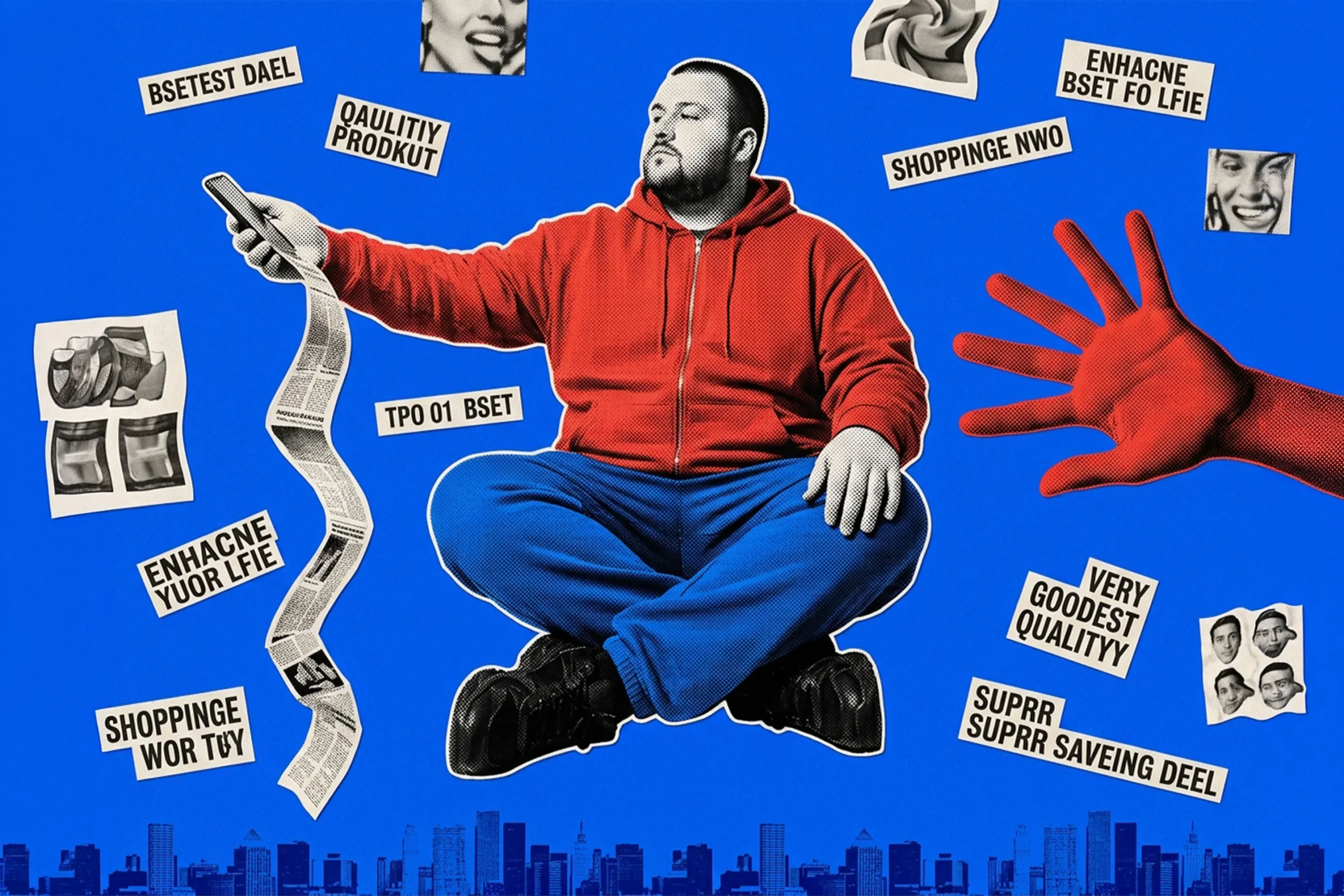
The pervasive influence of generative artificial intelligence (AI) has fundamentally altered the landscape of digital content, posing a significant challenge for consumers striving to distinguish between human-crafted creations and those churned out by algorithms. From literature to music and visual art, the accessibility and low cost of AI tools have incentivized a rapid proliferation of what some term "AI slop" – mass-produced content designed for quick profit, often at the expense of originality and quality. This phenomenon not only complicates consumer purchasing decisions, often leading to accidental acquisitions of AI-generated products, but also raises profound ethical questions about fair compensation for human artists and the integrity of creative industries.
The Rise of Generative AI and the Content Flood
The rapid evolution of generative AI models, particularly over the past two to three years, marks a pivotal moment in digital content creation. What began with early language models capable of generating rudimentary text has quickly advanced to sophisticated systems like DALL-E, Midjourney, Stable Diffusion for images, and Suno for music, all capable of producing high-quality output with minimal human input. The public release and increasing affordability of these tools, exemplified by the widespread adoption of platforms like ChatGPT, democratized content creation to an unprecedented degree. This accessibility has empowered enterprising sellers to flood online marketplaces with AI-generated books, tracks, and images, capitalizing on the low barrier to entry and the potential for profit even from a small percentage of sales.
This surge began subtly but gained significant momentum in late 2022 and throughout 2023, as AI capabilities improved exponentially. What was once easily identifiable by uncanny valleys, malformed hands, or nonsensical text, has become increasingly sophisticated, making detection challenging even for trained eyes and ears. Andrew Edelblum, a University of Dayton professor specializing in AI-generated music, aptly describes this blurring of lines: "Everything gets all fuddled together in one big content-creative soup." The implications extend beyond mere aesthetic preference; they touch upon the economic viability of human creators and the foundational principles of intellectual property and artistic integrity.
The Economic and Ethical Dimensions of AI Slop
The economic impact of AI-generated content is multifaceted and increasingly concerning for human creators. Tuhin Chakrabarty, an AI researcher and computer science professor at Stony Brook University, highlights a critical displacement effect: "Every time an AI product becomes popular, it is displacing or taking away from human products." This displacement is exacerbated by algorithmic recommendation systems prevalent on major platforms, which often amplify commercially successful content, regardless of its origin. As AI-generated works gain traction, they are suggested to more customers, creating a feedback loop that further marginalizes human-authored content.
Ethical concerns run deep. When a consumer unknowingly streams a synthetic song, royalties that would otherwise go to working musicians are redirected. Similarly, purchasing an AI-generated poster can reward a seller who invested minimal creative effort, rather than the human artist the buyer intended to support. Beyond direct financial impact, there’s the question of authenticity and the value placed on human ingenuity. Intentionally engaging with AI-created content is a conscious choice; doing so inadvertently, however, can feel like a betrayal of artistic principles and a dilution of the creative economy. The lack of transparency from mainstream platforms like Spotify, Amazon, and YouTube currently leaves everyday users ill-equipped to make informed decisions, necessitating a proactive approach from consumers.
Navigating the Literary Landscape: Reading Between AI-Generated Lines
The publishing industry has been particularly susceptible to the influx of AI-generated content, especially within the vast ecosystem of self-published e-books. A recent study, co-authored by Chakrabarty, analyzing over 14,000 mostly self-published Amazon e-books, revealed that titles containing substantial amounts of AI text accounted for 11.3% of revenue. More strikingly, their share of observed sales escalated from virtually zero in early 2023 to approximately 20% by the second quarter of 2026. This data underscores a significant shift: AI-heavy titles are no longer niche curiosities but have firmly entered the mainstream market, competing directly with human authors. While books devoid of detected AI text still command the majority of top market positions, the trajectory of AI content is undeniable.
The primary challenge lies in disclosure. While Amazon mandates that publishers internally declare AI-generated material, this crucial information is not typically displayed to shoppers. This opacity hinders consumers’ ability to make value-driven choices, irrespective of perceived quality. The Authors Guild, a prominent professional organization for writers, has responded to this challenge by introducing a voluntary "Human Authored" certification, allowing authors to clearly signal the originality of their work. However, such initiatives remain voluntary and do not address the broader issue of platform-level transparency.
To avoid inadvertently purchasing AI-generated books, consumers must adopt a discerning approach. Scrutinizing a book’s sample is paramount; look for repetitive passages, generic language, or an overall lack of narrative depth that might betray an algorithmic origin. A thin author history, a suspiciously prolific publishing schedule (e.g., multiple books released within weeks), or an absence of authorial voice are additional red flags. Extreme caution is advised when encountering books offering unverified medical or legal advice, as the cost of a cheap, AI-generated purchase in these domains can be dangerously high.
Platforms like Barnes & Noble and Bookshop.org offer alternative avenues, imposing stricter restrictions on AI content or requiring clear labeling, providing a safer browsing experience for AI-wary readers. The broader implications for the literary world include the potential devaluation of original writing, increased difficulty for human authors to gain visibility, and the erosion of trust in published information, particularly in non-fiction genres. Industry bodies and consumer advocates are increasingly calling for mandatory, clear AI disclosure labels on all online marketplaces to preserve the integrity of authorship and empower consumer choice.
The Sonic Shift: Checking the Artist Before Pressing Play
The music industry faces similar, if not more complex, challenges. The sheer volume and speed of AI music generation are staggering. Deezer, a major streaming platform, reported receiving approximately 90,000 fully AI-generated tracks daily in June, momentarily exceeding half of all new uploads at their peak. This rapid influx highlights how readily AI can transform amateur recordings into "fully fledged compositions within seconds," as observed by Professor Edelblum in his research using Suno. This speed and quality convergence are particularly alarming for human musicians, who already contend with intense competition for listener attention and royalty revenue.
Consumer perception of music is significantly altered by knowledge of its origin. An experiment conducted by the Center for Economic Studies in Munich revealed that disclosing a song as AI-generated reduced listeners’ average willingness to pay for it by approximately 31%. While Edelblum’s research indicated that AI disclosure did not significantly diminish immediate enjoyment, it profoundly affected subsequent behavior: "When they know the music is AI-generated, they don’t want to share it with friends," he explains. "They don’t want to share the artist’s whole catalog." This suggests that authorship, rather than mere sonic quality, is a critical factor in how listeners value and engage with music, influencing their support for artists and their creative output.
Identifying AI-generated music requires a similar investigative approach. Consumers should examine an artist’s credits, review their release history for unusual spikes in output, search for evidence of live performances, and explore their presence beyond the streaming service. An excessively large catalog for a new artist or an inconsistent biographical narrative should raise questions. While none of these definitively prove AI use, they serve as strong indicators.
Some platforms are taking a stand. Deezer, for instance, labels detected AI music and excludes it from recommendation algorithms, while Bandcamp has implemented an outright ban on music generated wholly or substantially by AI. These measures, though not universal, offer consumers a clearer path to supporting human artistry. The music industry, including major labels and artist unions, is actively grappling with issues of copyright infringement, the use of artists’ voices and styles without consent, and the fair distribution of royalties in an AI-driven landscape. The ethical implications extend to the very definition of musical creation and the preservation of unique artistic expression.
Visual Arts in Flux: Beyond Malformed Fingers
The visual arts marketplace has also been dramatically reshaped by generative AI. A Stanford study, which analyzed 3.2 million images and 62,000 producers, found that the introduction of AI images into marketplaces alongside human-made works led to a 78% increase in monthly supply and a 39% rise in total sales. However, this surge coincided with a concerning 23% decline in the number of non-AI artists. This suggests that while AI might stimulate overall market activity, it disproportionately impacts human creators, making their work harder to find and value amidst a flood of synthetic imagery.
Jingna Zhang, a prominent photographer and founder of the artist platform Cara, articulates the direct threat: AI copies of her photography now appear alongside her original work in search results, leveraging the same keywords and targeting the same clients. "How can human creators compete with that volume of output?" she questions, highlighting the significant business risk posed by algorithmic replication and saturation.
The visual cues that once served as reliable indicators of AI art – such as malformed hands, melted hair, or garbled text – are rapidly becoming obsolete. These imperfections now often signify an outdated AI model or a lack of post-generation cleanup rather than inherent AI origin. Advanced models are increasingly capable of producing high-quality, photorealistic graphics that can easily deceive viewers, making visual detection alone an unreliable strategy.
To ensure support for human artists, consumers should employ more robust vetting methods. Before commissioning, purchasing a print, or downloading digital art, reverse-image searches can help trace an image’s origin. Critically, buyers should review a seller’s older work, inquire about their creative process, and investigate their broader online presence. A portfolio showcasing sketches, revisions, and years of consistent artistic development offers far stronger evidence of human authorship than relying on visual "tells." Furthermore, caution is advised regarding free AI detectors, as some are unreliable, and others may require licenses that involve training on uploaded images, raising privacy and data usage concerns. Supporting marketplaces that offer clear AI disclosures or allow users to filter out AI-generated results provides a more ethical and transparent purchasing environment. The legal frameworks around copyright for AI-generated art are still developing, adding another layer of complexity to this rapidly evolving sector.
Broader Implications and the Path Forward
The proliferation of AI-generated content carries profound broader implications for the economy, society, and the very definition of creativity. Economically, it forces a reevaluation of labor markets in creative industries, posing challenges to traditional business models and income streams for artists. While AI might enable new forms of creativity and efficiency, the current trajectory suggests significant displacement of human labor. Ethically, the debate centers on authenticity, the value of human touch, and the potential for AI to dilute the cultural significance of art. The ease with which AI can generate convincing but factually inaccurate content also poses a serious risk of misinformation across all content types.
The regulatory landscape is struggling to keep pace with technological advancements. Calls for mandatory transparency, such as clear "AI-generated" labels on all commercial content, are growing louder from artist groups, consumer advocates, and some policymakers. Such regulations could empower consumers to make informed choices and hold platforms accountable. However, implementing and enforcing these rules globally presents significant challenges.
Ultimately, navigating this new digital frontier requires a collective effort. Platforms bear a responsibility to implement transparent disclosure policies and robust detection mechanisms. Creators must continue to advocate for their rights and adapt to a changing market, potentially leveraging AI as a tool rather than allowing it to be a complete replacement. Consumers, in turn, hold significant power through their purchasing decisions. By actively seeking out and supporting human-authored content, scrutinizing origins, and demanding transparency, consumers can help shape a future where creativity, authenticity, and fair compensation remain paramount, ensuring that the human element continues to thrive amidst the digital deluge. The ongoing "arms race" between AI generation and detection will continue to evolve, but the core principles of valuing human ingenuity must remain steadfast.