admin
admin
Payroll management, once a laborious and error-prone administrative burden, has undergone a significant transformation with the advent of specialized software solutions. For businesses of all sizes, from nascent startups to established enterprises, the complexities of calculating wages, deducting taxes, ensuring timely payments, and maintaining regulatory compliance can consume valuable resources. This critical function, encompassing everything from time card collection to year-end tax filings, demands precision and efficiency to mitigate risks and optimize operational flow. The shift towards digital payroll systems is no longer a luxury but a strategic imperative, driven by the need for accuracy, speed, and adherence to an ever-evolving regulatory landscape. Selecting the right payroll software, however, requires a nuanced understanding of its core capabilities and how they align with specific business needs. This comprehensive guide delves into the indispensable features that modern payroll systems must offer, providing a framework for informed decision-making in a rapidly digitizing economy.
The Evolving Landscape of Payroll Management
For decades, payroll was predominantly a manual process, characterized by ledger books, physical time cards, and handwritten checks. The mid-20th century saw the introduction of rudimentary accounting machines, followed by early mainframe computers in larger corporations. However, it wasn’t until the proliferation of personal computers and the internet in the late 20th and early 21st centuries that dedicated payroll software became accessible and indispensable for small and medium-sized businesses (SMBs). This evolution was fueled by an increasingly complex regulatory environment, with federal, state, and local tax laws constantly changing, alongside rising employee expectations for efficient payment methods.
Today, the global payroll software market is experiencing robust growth, projected to reach over $11 billion by 2027, driven by the ongoing digital transformation across industries and the heightened focus on compliance and operational efficiency. Manual payroll processes are notorious for their high error rates; studies indicate that human errors in payroll can account for 1-8% of total payroll costs, leading to penalties, employee dissatisfaction, and significant time expenditure in corrections. The strategic adoption of advanced payroll software directly addresses these challenges, freeing up valuable time for business owners and HR professionals to focus on core strategic activities rather than administrative minutiae.
Seven Pillars of Essential Payroll Software
When evaluating the myriad of payroll software options available, certain features stand out as non-negotiable for ensuring operational excellence, compliance, and employee satisfaction. These seven pillars form the foundation of an effective payroll system.
1. Simple Setup and Intuitive User Interface
The initial setup of any new software system can be a daunting prospect, especially for business owners already juggling multiple responsibilities. A truly effective payroll solution prioritizes a simple, guided setup process and an intuitive user interface. This means looking for software that offers:
- Guided Onboarding Wizards: Step-by-step instructions that walk users through company information, employee data, and tax settings.
- Clear Data Import Options: The ability to easily import existing employee and payroll data from spreadsheets or previous systems, minimizing manual entry.
- Pre-configured Templates: Ready-to-use templates for common pay schedules, deduction types, and report formats.
- Minimal Learning Curve: A clean, uncluttered dashboard and logical navigation that allows users to quickly understand and utilize the software without extensive training.
According to industry reports, businesses can reduce initial setup time by up to 50% when opting for software with intuitive design and comprehensive onboarding support. This not only saves valuable hours but also reduces the likelihood of critical errors during the initial data entry phase. Expert support during setup, often provided by the vendor, can further streamline this process, ensuring all tax IDs, banking details, and employee information are correctly configured from the outset.
2. Automated and Accurate Tax Filings and Deposits
One of the most significant complexities of payroll lies in managing tax withholdings, calculations, filings, and deposits. Errors in this area can lead to severe penalties from tax authorities, making automated and accurate tax compliance a paramount feature. Look for software that provides:
- Automated Tax Calculations: Precise calculation of federal, state, and local income taxes, FICA (Social Security and Medicare), unemployment taxes (FUTA, SUTA), and other applicable payroll taxes.
- Timely Tax Deposits: Automatic scheduling and submission of tax payments to the appropriate government agencies, adhering to strict deadlines.
- Year-End Tax Form Generation: Automatic preparation and filing of essential forms like W-2s for employees and 1099-NECs for contractors, alongside summaries like Form 940 and 941.
- Multi-State and Local Tax Support: Critical for businesses with remote employees or operations across different jurisdictions, ensuring compliance with varying state and local tax laws.
- Guaranteed Accuracy: Many reputable full-service payroll providers offer penalty protection, absorbing the cost of any penalties incurred due to their software’s errors.
The Internal Revenue Service (IRS) imposes billions of dollars in penalties annually for payroll tax errors, underscoring the financial risk associated with manual or inaccurate processes. "Automated tax compliance isn’t just a convenience; it’s a financial safeguard," explains Sarah Chen, a CPA specializing in small business taxation. "The cost of penalties and the time spent rectifying mistakes far outweigh the investment in a robust payroll system." Businesses must verify how the software stays current with evolving tax rates and regulations without requiring manual updates.
3. Robust Direct Deposit Capabilities
In today’s digital economy, direct deposit has become the preferred method of payment for the vast majority of employees, offering convenience, speed, and security. A modern payroll system must provide flexible and reliable direct deposit options. Key considerations include:
- Multiple Funding Options: The ability to choose between standard (e.g., 4-day ACH) and expedited (e.g., 2-day or next-day ACH) deposit times, catering to different business needs and cash flow management.
- Clear ACH Cutoff Times: Transparent information regarding when payroll must be submitted for on-time funding, allowing businesses to plan pay runs effectively.
- Zero or Low Fees: Many providers offer free direct deposit, while others may charge per transaction. Understanding the fee structure is essential.
- Split Deposits: The option for employees to split their paychecks into multiple bank accounts (e.g., checking and savings).
- Security Protocols: High-level encryption and security measures to protect sensitive banking information during transfers.
Surveys consistently show that over 90% of employees prefer direct deposit for its convenience. It also offers significant benefits for employers by eliminating the costs associated with printing and distributing paper checks, reducing fraud risks, and improving overall operational efficiency.
4. Comprehensive Payroll Reporting and Analytics
Beyond simply processing payments, a powerful payroll system should offer robust reporting capabilities that provide actionable insights into labor costs, compliance, and financial health. Access to accurate, detailed, and customizable reports is crucial for strategic decision-making. Essential reporting features include:
- Standard Payroll Registers: Detailed breakdowns of gross wages, deductions, taxes, and net pay for each employee per pay period.
- Tax Liability Reports: Summaries of tax withholdings and employer contributions, aiding in financial planning and reconciliation.
- Garnishment and Deduction Reports: Tracking of various deductions (e.g., health insurance premiums, 401k contributions, court-ordered garnishments).
- Labor Cost Analysis Reports: The ability to break down labor expenses by department, project, or employee, providing insights for budgeting and cost control.
- Workers’ Compensation Reports: Data required for accurate workers’ comp insurance audits.
- New Hire Reports: Essential for compliance with state reporting requirements.
- Customizable Reports: The flexibility to filter data by date range, employee, department, or other criteria, and to export reports in various formats (CSV, PDF, Excel) for further analysis or sharing.
- General Ledger Integration: Seamless mapping of payroll data to your accounting software’s chart of accounts, simplifying reconciliation.
"Payroll reports are no longer just for compliance; they’re a strategic tool that can inform everything from staffing decisions to budget forecasting," states Dr. Elena Petrova, a financial analyst specializing in SMB operations. The ability to quickly generate and analyze these reports can save countless hours during audits and provide critical data for business growth strategies.
5. Seamless Integration with Business Ecosystems
Modern businesses rely on a suite of interconnected software solutions. A truly effective payroll system should not operate in isolation but integrate seamlessly with other vital business platforms to create a unified data flow and eliminate redundant data entry. Key integrations to look for include:
- Accounting Software: Direct integration with popular accounting platforms (e.g., QuickBooks, Xero) to automatically sync payroll journal entries, simplifying reconciliation and financial reporting.
- Time and Attendance Systems: Automated transfer of approved hours directly into payroll, ensuring accurate wage calculations, including overtime and premium pay.
- Human Resources Information Systems (HRIS): Synchronization of employee demographic data, benefits elections, and onboarding information, reducing manual updates across systems.
- Benefits Administration Platforms: Integration for seamless deduction of health insurance premiums, 401(k) contributions, and other employee benefits.
Integrated systems can significantly reduce data entry errors, which are a common source of payroll inaccuracies, and save countless administrative hours. "The goal is to create a ‘single source of truth’ for employee data," advises Mark Jensen, a business technology consultant. "When payroll talks to HR and accounting, it streamlines operations and minimizes compliance risks."
6. Empowering Employee Self-Service (ESS)
An Employee Self-Service (ESS) portal is a powerful feature that benefits both employees and employers. It empowers employees to access and manage their own payroll and HR-related information, significantly reducing administrative burden on HR and payroll staff. Essential ESS capabilities include:
- Access to Pay Stubs: Employees can view and download their current and historical pay stubs anytime, anywhere.
- W-2 and 1099-NEC Access: Secure access to year-end tax forms, often eliminating the need for physical mailings.
- Personal Information Updates: The ability for employees to update their contact information, emergency contacts, and direct deposit details.
- Time-Off Requests and Balances: For integrated systems, employees can view accrued time off, request leave, and track approval statuses.
- Benefits Enrollment and Information: Access to benefits election details and plan documents.
- Mobile Accessibility: A user-friendly mobile app or responsive web interface for on-the-go access.
Studies suggest that ESS portals can reduce HR administrative tasks related to common employee inquiries by 20-30%, allowing staff to focus on more strategic initiatives. It also enhances employee satisfaction by providing immediate access to critical information and fostering a sense of autonomy.
7. Top-Notch Customer Support and Resources
Even the most intuitive software can present challenges, especially when dealing with complex payroll scenarios or navigating new regulations. Excellent customer support is a critical feature that should never be overlooked. When assessing a provider’s support, consider:
- Multiple Support Channels: Availability via phone, email, live chat, and a comprehensive online knowledge base or FAQ section.
- Hours of Operation: Support availability during standard business hours and potentially extended hours for critical issues.
- Expertise of Support Staff: Access to knowledgeable representatives, particularly those with expertise in payroll tax and compliance.
- Onboarding Assistance: Dedicated support during the initial setup phase.
- Reputation and Reviews: Consult customer reviews and industry ratings to gauge the quality and responsiveness of the support team.
- Cost of Support: Confirm whether support is included in the base fee or an additional charge.
"Reliable support is often the deciding factor, particularly for small business owners who might not have dedicated payroll experts on staff," emphasizes Mark Jensen. Testing the support responsiveness before committing to a provider, perhaps through a trial period, can offer valuable insights into their service quality.
Beyond the Core: Advanced Considerations for Payroll Software
While the seven essential features form the bedrock, modern payroll software offers a spectrum of additional capabilities that can further enhance operational efficiency and compliance.

Security and Data Privacy
Given the highly sensitive nature of payroll data, robust security measures are paramount. Look for providers that offer:
- End-to-End Encryption: Protecting data in transit and at rest.
- Multi-Factor Authentication (MFA): Adding an extra layer of security for user logins.
- Role-Based Access Control: Limiting access to sensitive data based on user roles and permissions.
- Regular Security Audits and Certifications: Independent assessments like SOC 2 reports to ensure adherence to stringent security standards.
- Data Backup and Disaster Recovery: Protocols to protect against data loss and ensure business continuity.
- Compliance with Data Protection Laws: Adherence to regulations like GDPR (for businesses with European employees/customers) and CCPA.
Scalability
As a business grows, its payroll needs will evolve. The chosen software should be able to scale with you, accommodating:
- An increasing number of employees and contractors.
- Expansion into new states or international markets, requiring multi-jurisdictional tax support.
- Growing complexity in benefits, deductions, and pay structures.
Compliance Monitoring and Updates
The regulatory landscape for payroll is dynamic. A top-tier system will automatically update tax tables, minimum wage laws, and other compliance requirements without manual intervention, ensuring businesses remain compliant with ever-changing labor laws.
Garnishments and Complex Deductions
Handling court-ordered garnishments (e.g., child support, tax levies) and various voluntary/involuntary deductions can be intricate. The software should have robust capabilities to manage these accurately and automatically, including calculating disposable income and adhering to legal limits.
Strategic Decision-Making: Basic vs. Full-Service Payroll
A fundamental choice when selecting payroll software is between a basic payroll system and a full-service option. The decision hinges on the business’s internal capacity, risk tolerance, and budget.
Basic Payroll:
- Functionality: Calculates wages, withholdings, and tax liabilities. Generates reports and often provides direct deposit.
- Responsibility: The business owner or internal staff remains responsible for actually filing and depositing all federal, state, and local payroll taxes. They must also prepare and file year-end forms (W-2s, 1099-NECs).
- Ideal For: Very small businesses with simple payroll, owners who are comfortable and knowledgeable about tax deadlines and regulations, or those with dedicated in-house expertise.
- Trade-offs: Lower monthly cost, but higher time commitment and greater risk of penalties due to missed deadlines or errors.
Full-Service Payroll:
- Functionality: Encompasses all basic features, plus the provider takes on the responsibility for filing and depositing all payroll taxes (federal, state, local) on behalf of the business. It typically includes year-end form generation and filing.
- Responsibility: The provider acts as an agent, ensuring timely and accurate tax compliance.
- Ideal For: Businesses of all sizes seeking to offload the complexities and risks of tax compliance, multi-state employers, or owners who want to maximize their time on core business activities.
- Trade-offs: Higher monthly cost, but significantly reduced administrative burden, lower risk of penalties, and often includes accuracy guarantees.
"Choosing full-service payroll is often a strategic investment in peace of mind," notes Sarah Chen. "It minimizes the risk of costly tax penalties and frees up precious time that can be reinvested in growth."
The Implementation Journey: A Checklist for Success
Once a payroll software is chosen, a smooth implementation is critical. Proper preparation can significantly reduce friction and ensure accuracy.
What to Prepare Before Switching or Setting Up Payroll Software:
- Company Tax IDs: Federal Employer Identification Number (EIN), state tax IDs, and local tax IDs.
- Prior Payroll Filings: Copies of previous tax forms (e.g., Form 941, 940, state unemployment forms) for historical data.
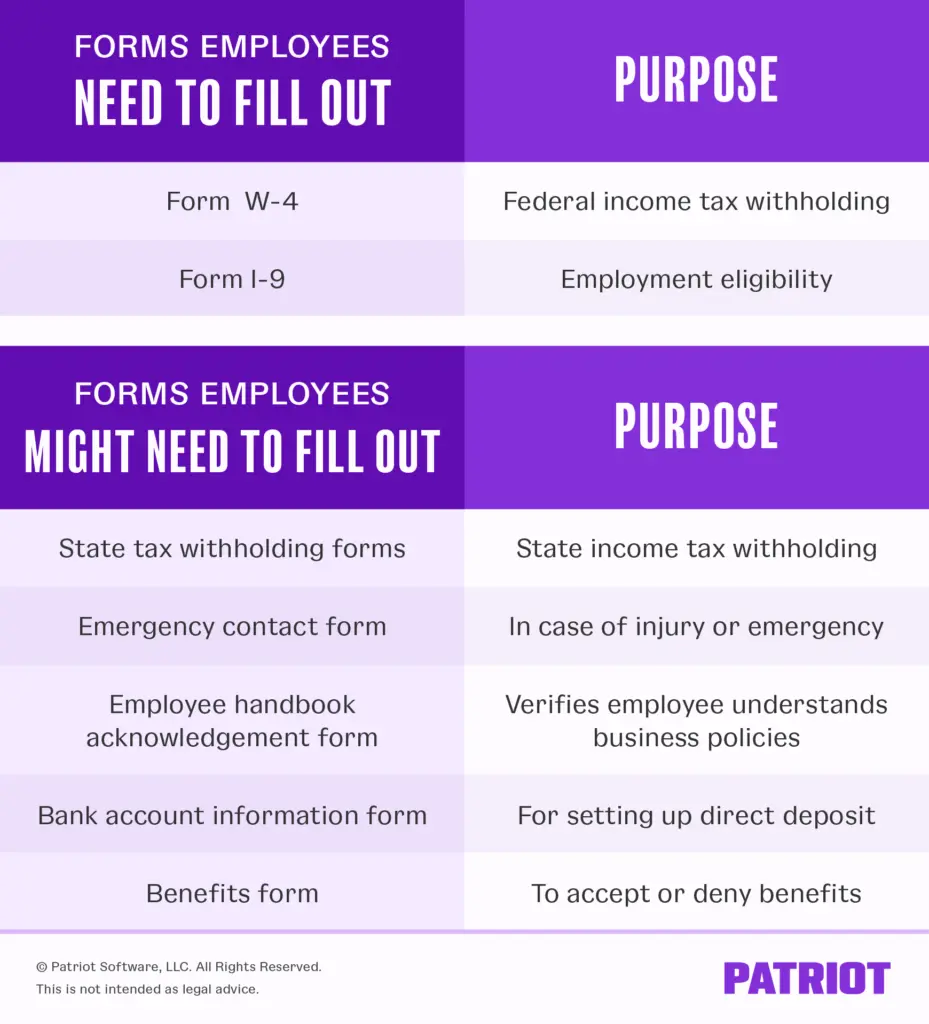
- Employee/Contractor Data: Full legal names, addresses, Social Security Numbers (SSN) or Taxpayer Identification Numbers (TIN), hire dates, pay rates, W-4 forms, direct deposit information, and any recurring deductions or garnishments.
- Year-to-Date (YTD) Totals: Accurate YTD wages, taxes withheld, and deductions for each employee if switching mid-year.
- Bank Account Information: Business bank account details for funding payroll and tax deposits.
- Access Credentials: Login details for any existing time tracking or accounting systems for integration.
Ideal Timing: Switching at quarter-end or year-end simplifies year-to-date imports, though mid-year switches are possible with accurate historical data. Many providers offer assistance with data migration.
Vendor Questions and Red Flags
Thorough vendor vetting is essential. Beyond the features, consider these questions and be aware of potential red flags.
Questions to Ask:
- What is the total monthly cost, including all fees (base, per-employee, direct deposit, year-end forms, support)?
- What is your accuracy guarantee for tax filings?
- How often are tax tables and compliance regulations updated in the software?
- What are the ACH cutoff times for direct deposit?
- Which accounting, HRIS, and time tracking systems do you integrate with?
- What are your data security protocols (encryption, MFA, SOC 2)?
- What are your support channels, hours, and average response times?
- Do you offer a free trial or demo?
- Can you handle multi-state payroll and international contractors?
- What is your disaster recovery plan?
Red Flags:
- Hidden Fees: Pricing models that are unclear or have undisclosed charges.
- Lack of Transparency: Vague answers to critical questions about security, support, or features.
- Poor Customer Reviews: Consistent negative feedback about support, reliability, or ease of use.
- No Free Trial or Demo: An unwillingness to let prospective customers test the platform.
- Outdated Interface: Software that looks old or is difficult to navigate, suggesting a lack of ongoing development.
- Limited Integrations: A system that operates as a silo, requiring extensive manual data transfer.
- No Penalty Guarantee: A full-service provider that doesn’t stand behind its tax filing accuracy.
Cost Snapshot and Return on Investment
Payroll software pricing models typically involve a monthly base fee coupled with a per-employee or per-contractor charge. The typical monthly base fee ranges from approximately $20 to $100, with per-employee fees ranging from $4 to $15 per person. Additional costs may arise for expedited direct deposits, year-end forms, advanced reporting, or certain integrations.
However, the cost should always be viewed in the context of the return on investment (ROI). A well-chosen payroll system delivers ROI through:
- Time Savings: Reduced administrative hours for payroll processing, data entry, and report generation.
- Penalty Avoidance: Minimizing the risk of costly IRS and state tax penalties.
- Improved Accuracy: Fewer errors in wage calculations and tax withholdings, leading to fewer corrections and happier employees.
- Enhanced Compliance: Staying up-to-date with ever-changing regulations.
- Employee Satisfaction: Timely and accurate payments, coupled with self-service access, boost morale.
- Strategic Focus: Freeing up business owners and HR professionals to concentrate on growth and talent development.
The actual pricing varies by provider, features, and payroll frequency. Always confirm the all-in monthly total before committing to a provider, and consider how the investment aligns with the strategic value it brings to your business.
Conclusion
The complexities of payroll demand a sophisticated yet user-friendly solution in today’s business environment. By prioritizing software with simple setup, automated tax compliance, robust direct deposit, comprehensive reporting, seamless integrations, employee self-service, and reliable support, businesses can transform a potential administrative headache into a streamlined, efficient, and compliant operation. The strategic decision between basic and full-service payroll, coupled with diligent vendor evaluation, will empower businesses to make an informed choice that not only manages payroll effectively but also contributes significantly to overall operational efficiency, financial stability, and employee satisfaction. In an era where data accuracy and compliance are paramount, investing in the right payroll software is not merely an operational necessity but a cornerstone of sustainable business success.