Lana Rhoades
The California Department of Tax and Fee Administration (CDTFA) is currently overseeing a significant transition in the state’s fiscal policy, as businesses prepare for a new era of digital taxation. While the quarterly filing of sales and use tax returns has long been a cornerstone of compliance for retailers operating within the Golden State, the landscape is set to become more complex. Beginning January 1, 2027, California will officially expand its tax base to include qualifying digital products. This shift, which encompasses many Software-as-a-Service (SaaS) subscriptions accessed remotely, represents one of the most substantial changes to California’s tax code since the implementation of the Marketplace Facilitator Act in 2019. For businesses ranging from small startups to multinational corporations, understanding the current filing mechanics and the impending regulatory shifts is essential for maintaining compliance and avoiding costly audits.
The Strategic Shift: Taxing the Digital Economy
California’s decision to tax digital products follows a national trend of states modernizing their tax codes to reflect a service-oriented and digital-first economy. Historically, California has been one of the few states that did not tax software delivered electronically unless it was accompanied by tangible personal property. However, as the state seeks to stabilize its revenue streams amidst fluctuating capital gains and corporate tax receipts, the inclusion of SaaS and digital downloads provides a more predictable fiscal foundation.
The 2027 mandate is expected to affect a wide array of businesses that have previously enjoyed tax-exempt status for their digital offerings. This includes cloud-based computing, streaming services, and professional software suites. State economists suggest that this move could generate hundreds of millions of dollars in annual revenue, which is often earmarked for local infrastructure and public services. However, the move has met with a mixture of cautious acceptance and logistical concern from the tech sector. Industry advocates point out that while the change aligns California with states like Texas and Washington, the administrative burden of calculating district-specific rates for millions of digital transactions will require robust technological solutions.
Chronology of California Sales Tax Evolution
To understand the current complexity of filing, one must look at the timeline of legislative changes that have brought the CDTFA to its current state:
- June 2018 (South Dakota v. Wayfair): The U.S. Supreme Court ruled that states could collect sales tax from out-of-state sellers, establishing the concept of "economic nexus." California subsequently adopted a $500,000 sales threshold for out-of-state retailers.
- October 2019 (Marketplace Facilitator Act): California mandated that marketplace facilitators, such as Amazon and eBay, be responsible for collecting and remitting sales tax on behalf of their third-party sellers. This significantly altered how gross sales and deductions are reported by individual merchants.
- 2020-2024 (Rate Adjustments): Numerous local district taxes were approved by voters, pushing the total sales tax rate in some jurisdictions, such as parts of Los Angeles and the Bay Area, above 10%.
- January 2027 (Digital Product Implementation): The scheduled commencement of taxation on SaaS and digital subscriptions, requiring a complete overhaul of how digital-first companies categorize their revenue.
The Mechanics of Quarterly Filing: A Technical Guide
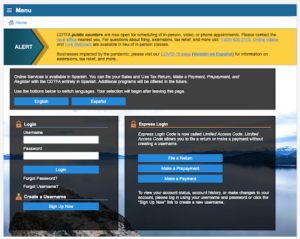
For businesses operating under the current quarterly filing frequency, the process involves a rigorous reconciliation between internal records—often managed by platforms like TaxJar—and the CDTFA Online Services portal. The state requires a precise breakdown of sales, use tax, and exemptions, often segmented down to the city and county levels.
Initial Preparation and Verification
Before initiating a return, filers must gather comprehensive data on gross sales, purchases subject to use tax, and specific taxable transactions. The CDTFA portal operates on a system where the screens and supplemental schedules displayed are dynamically generated based on the account’s reported activity.
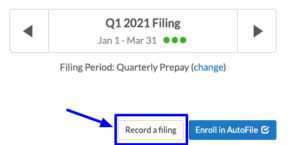
A critical first step is the verification of the filing period. The CDTFA assigns filing frequencies—monthly, quarterly, or yearly—based on a business’s anticipated or historical tax liability. It is a common error for businesses to assume a quarterly schedule only to find they have been moved to a monthly prepayment schedule due to increased volume.
Navigating the CDTFA Online Portal
The filing process begins with the entry of "Total Sales." This figure must include all sales made during the period, regardless of whether they are taxable or exempt. Following this, businesses must account for "Purchases Subject to Use Tax." This often-overlooked line item includes items purchased for use in California from out-of-state vendors who did not collect California tax.
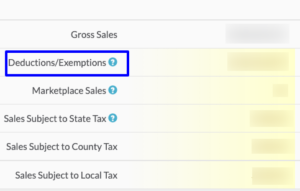
The most complex portion of the return involves the deduction and exemption section. Common deductions include:
- Nontaxable Labor: Charges for repair or installation labor that is not part of the sale of tangible property.
- Marketplace Facilitator Sales: Sales made through platforms that already collected and remitted the tax.
- Sales for Resale: Transactions involving items sold to other retailers who provided a valid resale certificate.
- Shipping Charges: While often exempt, shipping can become taxable if the charges are not separately stated or if they exceed the actual cost of delivery.
Detailed Breakdown of Schedules A, B, and C
California’s tax structure is heavily decentralized, with revenue distributed among state, county, and local district funds. To facilitate this distribution, the CDTFA utilizes three primary schedules:
Schedule A: District Tax Breakdown
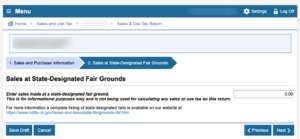
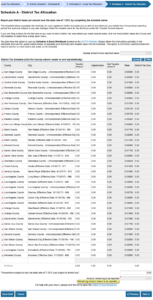
Schedule A is used to report and allocate district taxes. California has hundreds of special tax districts that fund specific projects like transportation, libraries, or open space preservation. When a business makes a sale into a district with an additional tax, they must report the taxable amount on this schedule. Filers must be vigilant regarding district rate changes; if a rate changed mid-quarter, the district may appear twice on the schedule, requiring the business to split the revenue based on the date of the transaction.
Schedule B: County Tax Breakdown
This schedule is used to allocate county-wide pools or sales made into counties where the business does not have a physical presence but has established economic nexus. It ensures that the 1.25% portion of the sales tax rate designated for local jurisdictions is correctly distributed to the counties where the goods were consumed.
Schedule C: Allocation by Location
Schedule C is mandatory for businesses with multiple registered brick-and-mortar locations within California. It requires the seller to attribute specific sales to specific physical addresses. This data is vital for local governments, as it directly impacts the sales tax revenue they receive for their general funds.
Supporting Data: The Fiscal Impact of Compliance
Current data from the CDTFA indicates that sales and use taxes are the second-largest source of state revenue, trailing only the personal income tax. In recent fiscal years, these taxes have generated over $30 billion for the state’s General Fund and billions more for local governments.
The upcoming 2027 SaaS tax is projected to increase this figure by approximately 3% to 5% annually, depending on the final definitions of "qualifying digital products." Currently, the base statewide sales tax rate is 7.25%. When combined with local district taxes, the effective rate for most California consumers ranges between 7.75% and 10.75%. The administrative cost of compliance for businesses is also rising; studies suggest that small to medium enterprises spend an average of 15 to 20 hours per month on sales tax-related activities, a figure that is expected to rise as digital products are integrated into the system.
Common Pitfalls and Official Responses
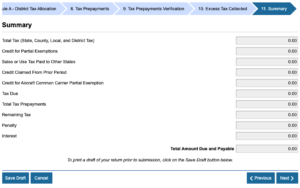
The CDTFA has noted several recurring errors that lead to audits and penalties. One of the most frequent mistakes is the failure to report "Excess Tax Collected." If a business accidentally collects tax at a higher rate than required, they cannot simply keep the difference; it must be remitted to the state or refunded to the customer.
Another common issue is the "Rounding Variance." TaxJar and other automated systems often calculate tax at the transaction level, whereas the CDTFA portal may calculate it based on total aggregate sales. While small differences are expected, a variance of more than a few dollars usually indicates a deeper systemic error in how deductions or district rates were applied.
In response to these challenges, CDTFA officials have emphasized the importance of their "Online Services" tutorials and the use of authorized tax technology. "Our goal is to ensure that every dollar intended for local communities reaches its destination," a spokesperson for the CDTFA stated in a recent public forum. "We encourage taxpayers to utilize the ‘Record Filing’ features in their software to maintain a clear audit trail, especially as we transition toward taxing digital goods."
Broader Implications and Future Outlook
The expansion of the tax base to include SaaS in 2027 marks a pivotal moment in California’s regulatory history. It signals a move away from the traditional "brick-and-mortar" tax philosophy toward a "consumption-based" model that ignores the medium of delivery. For the tech industry, this means that tax departments will need to be involved in the early stages of product development to ensure that billing systems are capable of handling thousands of different jurisdictional rules.
For the state, the implications are largely positive in terms of fiscal health. By broadening the base, California can theoretically maintain lower overall rates while still meeting its growing budgetary obligations. However, the success of this transition depends on the clarity of the regulations issued by the CDTFA over the next two years.
As January 1, 2027, approaches, businesses are advised to conduct "nexus studies" to determine where their digital sales are originating and to ensure their internal accounting software is updated to handle the distinction between exempt service fees and taxable digital products. The complexity of California’s tax code shows no signs of diminishing, making the marriage of technological automation and professional tax oversight more critical than ever for the modern enterprise.