

 Layla Zulfa
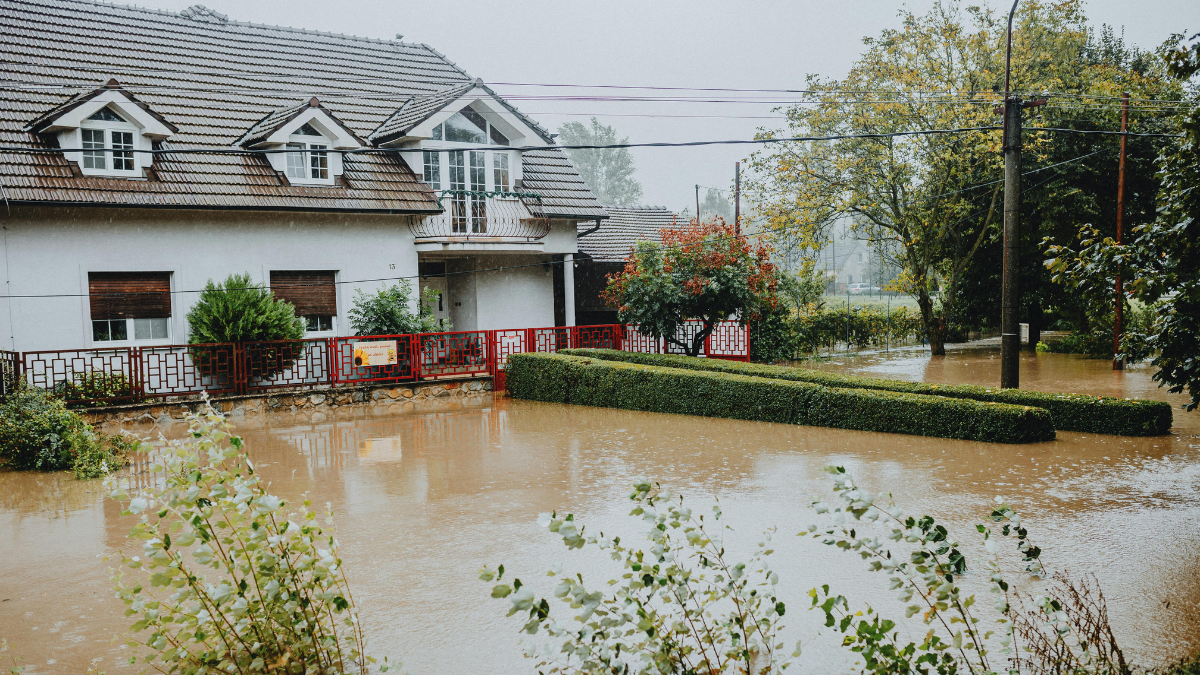
Extreme weather events, amplified by the prevailing El Niño phenomenon, are currently dominating global headlines, sparking a significant surge in public interest and demand for flood insurance. This heightened awareness is occurring against a backdrop of years-long, fundamental shifts in flood patterns across the United States, independent of any single climatic cycle. Catastrophic flooding events are no longer solely concentrated in historically recognized flood zones or along coastal perimeters. Instead, the narrative of severe inundation is increasingly being defined by the sheer intensity and volume of inland rainfall, a trend that underscores the inadequacy of traditional risk assessments.
As these flood risks transform and expand, a growing number of homeowners are actively seeking alternatives to the federally backed National Flood Insurance Program (NFIP). This has led to a burgeoning market for private flood insurance, offering a distinct approach to risk management and financial protection. For real estate agents navigating the complex home-buying process and advising their clients, a clear understanding of these evolving insurance options is becoming paramount. This article aims to provide essential information clients need to comprehend the intricacies of private flood insurance, its differences from the NFIP, and how it can be strategically employed to safeguard their most valuable investments.
The Rising Tide of Flood Risk: A Shifting Paradigm
The current surge in interest in flood insurance is not merely a reaction to the immediate impacts of El Niño. Scientific consensus points to a broader pattern of climate change contributing to more frequent and intense precipitation events. The U.S. experienced a record-breaking number of billion-dollar weather and climate disasters in 2023, with heavy rainfall and flooding contributing significantly to this tally. For instance, in early 2023, unprecedented rainfall in California led to widespread flooding and mudslides, impacting communities far from traditional flood plains. Similarly, the Midwest has seen a recurring pattern of severe riverine flooding, often exacerbated by rapid snowmelt and sustained heavy rainfall.
These events highlight a critical disconnect between historical flood maps, which often inform mandatory flood insurance requirements, and the current reality of flood risk. The Federal Emergency Management Agency (FEMA), which administers the NFIP, acknowledges these evolving patterns. While FEMA has been working to update its flood maps to reflect current risks, the process is complex and time-consuming. In the interim, many properties that were not previously considered high-risk are now experiencing significant flood damage, leaving homeowners exposed if they lack adequate coverage.
Understanding Private Flood Insurance: A Modern Approach to Risk Management
Private flood insurance is a sophisticated risk management tool that leverages the global capital markets to provide financial protection against flood-related damages. Unlike the NFIP, which is a government-run program, private flood insurance is offered by private insurance companies. These policies are designed to cover damage to both the structure of a home and its contents, offering a critical financial safety net for individuals, families, and businesses when devastating flood events occur.
The core benefit of private flood insurance lies in its ability to provide customizable coverage options. Private insurers, backed by substantial capital reserves and sophisticated risk assessment models, can tailor policies to meet the specific needs of individual policyholders. This flexibility is a stark contrast to the more standardized approach of the NFIP.
Distinguishing Private Policies from the NFIP: Source of Capital and Risk Bearing
The fundamental divergence between an NFIP policy and a private flood insurance policy lies in the source of their financial backing and the entities that bear the ultimate risk. Under the NFIP, the Federal Emergency Management Agency (FEMA) manages the program, and the financial risk is ultimately borne by the U.S. taxpayer. This means that in the event of widespread and severe flooding, the federal government is responsible for covering claims, which can place a significant financial burden on public funds.
Conversely, private flood insurance policies are underwritten by private insurance companies. These companies assume the risk of loss directly. To manage and absorb this risk effectively, they utilize global capital markets, tapping into diverse sources of funding and employing advanced risk selection and management strategies. This approach allows private insurers to offer a more sustainable and responsive program, capable of adapting to changing risk landscapes and meeting the evolving needs of their customers.
While private insurers aim to be comprehensive, their ability to offer tailored products means they may not always be able to cover every conceivable risk or cater to every individual. However, this disciplined approach enables them to deliver a valuable and sustainable product to a broad range of customers, offering a competitive alternative in the flood insurance market.
Complementary Coverage: Private Policies and the NFIP Working Together
A significant advantage of private flood insurance is its capacity to function in tandem with, or as a complete alternative to, an NFIP policy. This dual functionality provides homeowners with enhanced flexibility and greater control over their flood risk mitigation strategies.
As an Alternative: For many homeowners, a private flood insurance policy can offer comprehensive coverage that meets or exceeds the limits and terms of an NFIP policy, often with more competitive pricing and tailored endorsements. This allows individuals to choose a private option that best suits their specific property and risk profile.
As a Complement: For those who already hold an NFIP policy, a private policy can serve as a valuable supplement. The NFIP has coverage limits, typically capped at $250,000 for the structure and $100,000 for contents. For homeowners with higher-value properties or substantial personal belongings, a private policy can be purchased to increase coverage beyond these federal limits, ensuring that the full value of their home and assets is protected. Furthermore, private policies can offer broader coverage for specific items or expenses that the NFIP may not fully address. This can include, but is not limited to, enhanced protection for contents stored in basements, coverage for additional living expenses incurred during repairs, or even the cost associated with cleaning out swimming pools damaged by floodwaters. This layered approach to insurance provides a robust defense against the financial devastation that floods can inflict.
Eligibility and Operation of Private Flood Insurance
The eligibility criteria and operational framework of private flood insurance differ significantly from the NFIP. The NFIP, by its design, is a broad-reaching program intended to be accessible to nearly everyone, regardless of their location or property type. This "one-size-fits-all" approach, while inclusive, can sometimes fall short in addressing the unique circumstances and needs of diverse policyholders.
Private flood insurance, on the other hand, is characterized by its flexibility and responsiveness to individual client needs. Private insurers can underwrite policies based on a more granular assessment of risk, allowing them to offer coverage to a wider range of individuals and properties. This includes homeowners with high-net-worth properties, who may require higher coverage limits, as well as renters, who may need specific coverage for their personal belongings. The underwriting process for private policies often involves a more detailed evaluation of the property’s specific flood risk, taking into account factors beyond just its location on a traditional flood map. This can lead to more accurate pricing and more appropriate coverage levels for each individual.
The Crucial Distinction: Homeowners Policies and Flood Exclusions
A critical point of understanding for all property owners is what their standard homeowners insurance policy does and does not cover, particularly in the context of flood events. Generally speaking, standard homeowners insurance policies explicitly exclude flood damage. This is a fundamental distinction that many consumers overlook.
While a homeowners policy typically covers water damage arising from events like burst pipes, overflowing internal plumbing, or malfunctioning sump pumps, it will almost universally exclude damage caused by inundation from external sources. This includes flooding from swollen rivers, storm surges driven by hurricanes, or the sheer volume of water resulting from intense rainfall. In essence, if the water comes from outside the home due to a natural flood event, it is highly unlikely to be covered by a standard homeowners policy. This exclusion is a primary driver for the need for separate flood insurance, whether through the NFIP or a private insurer.
Implications for Real Estate Agents and Homeowners
The evolving flood insurance landscape presents both challenges and opportunities for real estate agents and their clients. The increasing frequency and intensity of flood events, coupled with the limitations of standard homeowners policies and the changing dynamics of the NFIP, necessitate a proactive and informed approach.
For real estate agents, staying abreast of these developments is crucial for providing comprehensive client service. Educating buyers about the risks of flood damage and the various insurance options available can prevent future financial hardship and enhance client satisfaction. This involves:
- Understanding Risk: Recognizing that flood risk is not confined to traditional flood zones and can impact properties in diverse geographical locations due to intense rainfall.
- Explaining Coverage Gaps: Clearly articulating to clients that standard homeowners policies do not cover flood damage.
- Presenting Options: Familiarizing clients with both NFIP and private flood insurance, highlighting the advantages and disadvantages of each.
- Facilitating Access: Assisting clients in obtaining quotes and understanding the application processes for both NFIP and private policies.
For homeowners, the takeaway is clear: flood insurance is not an optional add-on but a vital component of comprehensive property protection. The home represents a significant financial investment, and in a world increasingly susceptible to extreme weather, taking the time to explore and secure appropriate flood insurance solutions is an indispensable step in safeguarding that investment against catastrophic loss. The availability of diverse private insurance options now provides more tailored and potentially more robust solutions than ever before, empowering homeowners to make informed decisions that align with their unique circumstances and risk tolerance. The insurance industry is dynamic, with new products and opportunities emerging regularly, making continuous learning and adaptation essential for both professionals and consumers alike.