Lana Rhoades
The rapid expansion of electric vehicle (EV) infrastructure across North America has outpaced the development of a unified tax framework, leaving charge point operators (CPOs) and e-mobility service providers (eMSPs) to navigate a complex web of state-level regulations. As of July 2026, the transition from internal combustion engines to electric propulsion has created a significant fiscal gap in state highway funds, traditionally supported by gasoline excise taxes. In response, state legislatures have introduced a variety of sales taxes and EV-specific "kilowatt-hour" (kWh) taxes, transforming the financial obligations of businesses within the green energy sector. The complexity of these obligations depends heavily on a company’s operating model, the geographical location of its hardware, and the specific characterization of the charging event under local law.
The Shift in State Fiscal Policy and Revenue Models
For decades, the maintenance of American roads and bridges has been funded primarily through the "user-pays" principle of fuel taxes. However, the mass adoption of EVs has led to a steady decline in fuel tax revenue, prompting a legislative pivot toward taxing the consumption of electricity at public charging stations. This shift represents a fundamental change in how transportation infrastructure is funded. Unlike gasoline, which is taxed at the distributor level, electricity for transportation is increasingly taxed at the point of retail sale or through specialized excise taxes levied on the charging station operator.
As of mid-2026, the regulatory environment is characterized by a lack of federal uniformity. Some states treat EV charging as the sale of a tangible commodity—electricity—while others define it as a service or the temporary use of equipment. These distinctions are not merely semantic; they dictate whether a transaction is subject to standard state sales tax, local utility taxes, or a newly enacted per-kWh excise tax. For businesses, this requires a sophisticated understanding of "nexus," as the physical presence of a charging station in a jurisdiction typically triggers a requirement to register, collect, and remit taxes in that specific locale.
Analyzing the Two Primary Commercial Operating Models
The tax liability of a business in the EV sector is largely determined by its position within the value chain. The industry has consolidated around two primary structures: the integrated operator model and the split-role model.
The Integrated Operator Model
In the integrated model, a single entity maintains end-to-end control over the charging experience. This business owns the physical charging hardware, manages the software interface (app), and handles all customer billing. From a tax perspective, this model is the most straightforward but carries the highest compliance burden. The operator is generally responsible for collecting state and local sales taxes on the total retail price charged to the driver. Furthermore, in states that have implemented EV-specific excise taxes, the integrated operator is the primary party responsible for registration and remittance.
The Split-Role Model
The split-role model introduces a layer of complexity by involving two distinct business entities. The Charge Point Operator (CPO) maintains the physical infrastructure and supplies the electricity, while an E-mobility Service Provider (eMSP) manages the customer relationship, providing the mobile application, subscription services, and billing platform.
In this scenario, the transaction between the CPO and the eMSP is typically treated as a wholesale arrangement. If the eMSP provides a valid resale certificate, the CPO may be exempt from collecting sales tax on the electricity sold to the provider. The eMSP then becomes the retail seller, responsible for collecting sales tax from the end-user on the full retail price. However, a significant point of contention remains: the legal responsibility for EV-specific excise taxes. In many jurisdictions, the tax law targets the "station owner," which may still place the excise tax burden on the CPO, even if the eMSP handles the retail billing. Legal experts suggest that clear contractual agreements are essential to define which party will handle registration, disclosure, and remittance to avoid double taxation or compliance failures.
A Chronology of EV Taxation and Legislative Trends
The movement toward specialized EV taxation has gained significant momentum over the last five years.
- 2021-2023: Early adopters like Iowa and Pennsylvania began drafting legislation to replace lost fuel tax revenue. Initial efforts focused on flat annual registration fees for EV owners.
- 2024: A wave of "per-kWh" taxes emerged, as states realized that flat registration fees did not account for the high mileage of commercial EV fleets or out-of-state travelers.
- 2025-2026: States such as Georgia, Kentucky, and Wisconsin implemented sophisticated excise tax systems that require real-time tracking of energy dispensed at public stations.
This timeline reflects an increasing sophistication in state revenue departments, which are now seeking to mirror the precision of the gas pump at the charging pedestal.
Comparative Data: State-Level EV Charging Taxes
The following data highlights the current excise tax rates and structures for states that have enacted specific public EV charging taxes. These rates are often in addition to existing state and local sales taxes.
| State | Tax Type | Effective Rate | Reporting Frequency |
|---|---|---|---|
| Georgia | EV Charging Tax | $0.028 per kWh | Monthly |
| Iowa | Electric Fuel Excise Tax | $0.026 per kWh | Monthly |
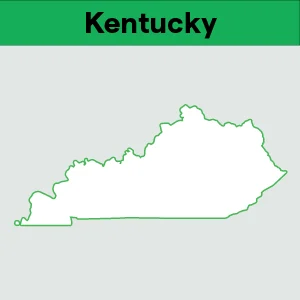
| Kentucky | EV Power Excise Tax | $0.032 per kWh (+ $0.032 surtax on state property) | Monthly |
| Minnesota | Electric Fuel Tax | $0.050 per kWh | Quarterly |
| Montana | Public Charging Station Tax | $0.030 per kWh | Managed by Utility |
| Nebraska | EV Charging Tax | $0.030 per kWh | Annual |
| Oklahoma | EV Charging Tax | $0.030 per kWh | Annual |
| Pennsylvania | Alternative Fuels Tax | $0.0172 per kWh | Monthly |
| Utah | EV Charging Tax | 12.5% of sales price | Matches Sales Tax Schedule |
| Wisconsin | EV Charging Excise Tax | $0.030 per kWh | Semi-Annual |
Note: In Kentucky, a 100% surtax applies if the charging station is located on state-owned property, effectively doubling the rate to $0.064 per kWh.
Administrative Burdens: Registration, Invoicing, and Filing
The administrative hurdles for charging operators extend beyond the calculation of the tax itself. States have implemented diverse requirements for how these taxes must be documented and reported.
Registration and Licensing
Most states require operators to obtain specific licenses before they can legally dispense "electric fuel." In Iowa, for instance, a business must secure an electric fuel dealer license for any non-residential charging location. Oklahoma provides a narrow window for compliance, requiring registration within 15 days of commencing operations. Failure to register can lead to significant penalties and the potential seizure of equipment in extreme cases.
Invoicing Transparency
There is a growing trend toward "price transparency" in EV charging. Several states now mandate that the EV charging tax be listed as a separate line item on the customer’s digital or physical receipt. Even in states where this is not legally required, industry analysts recommend separate disclosure to simplify tax reconciliation and to educate consumers on why charging costs may fluctuate between jurisdictions.
Filing Variances
The frequency of tax filing remains one of the most significant pain points for multi-state operators. While Kentucky and Iowa demand monthly returns—requiring a high degree of accounting automation—Oklahoma allows for annual filing. Utah ties its EV tax filing to the operator’s existing sales and use tax schedule, which can vary based on the business’s total volume of sales. This lack of synchronization forces companies to maintain a complex compliance calendar.
Ancillary Charges and the "Parking" Conundrum
A nuanced aspect of EV tax law involves "idling" or "overstay" fees. These are charges applied when a vehicle remains plugged in after its battery has reached full capacity, often intended to encourage turnover at busy stations. In the eyes of many state tax authorities, these fees do not constitute the sale of electricity. Instead, they are frequently classified as parking fees. Because parking is taxed differently than utility sales in many cities, an operator might find themselves subject to local parking occupancy taxes on top of state EV excise taxes for the same session.
Global Context and International Comparison
The United States is not alone in its struggle to tax the electric transition. In the European Union and the United Kingdom, Value Added Tax (VAT) is the primary mechanism for taxing EV charging. However, the EU has faced similar debates regarding whether charging is a "supply of goods" or a "supply of services." The European Court of Justice has largely leaned toward the "supply of goods" definition, which streamlines VAT application across the bloc.
In contrast, the U.S. system remains decentralized. While platforms like Stripe Tax and TaxJar have begun integrating VAT and GST support for markets in Canada, Australia, and Japan, the domestic U.S. market remains the most fragmented and difficult to automate due to the sheer number of local jurisdictions.
Broader Economic and Environmental Implications
The introduction of these taxes has sparked debate among stakeholders. Environmental advocacy groups argue that high per-kWh taxes could disincentivize the transition to electric vehicles by narrowing the cost-per-mile gap between electricity and gasoline. Conversely, state Departments of Transportation (DOTs) maintain that without these taxes, the quality of the national highway system will deteriorate due to underfunding.
From a business perspective, the primary risk is not the tax rate itself, but the cost of compliance. Small-scale operators may find the administrative overhead of registering and filing in multiple states to be a barrier to entry, potentially leading to market consolidation by larger networks with the capital to invest in automated tax engines.
As the industry moves toward 2027, the focus is expected to shift toward legislative efforts to harmonize these taxes. For now, however, the burden remains on the operators to ensure that every kilowatt-hour dispensed is accounted for, taxed correctly, and reported to the proper authority. The "green revolution" is proving to be a complex fiscal evolution, requiring as much attention to tax code as to electrical engineering.