Lina Irawan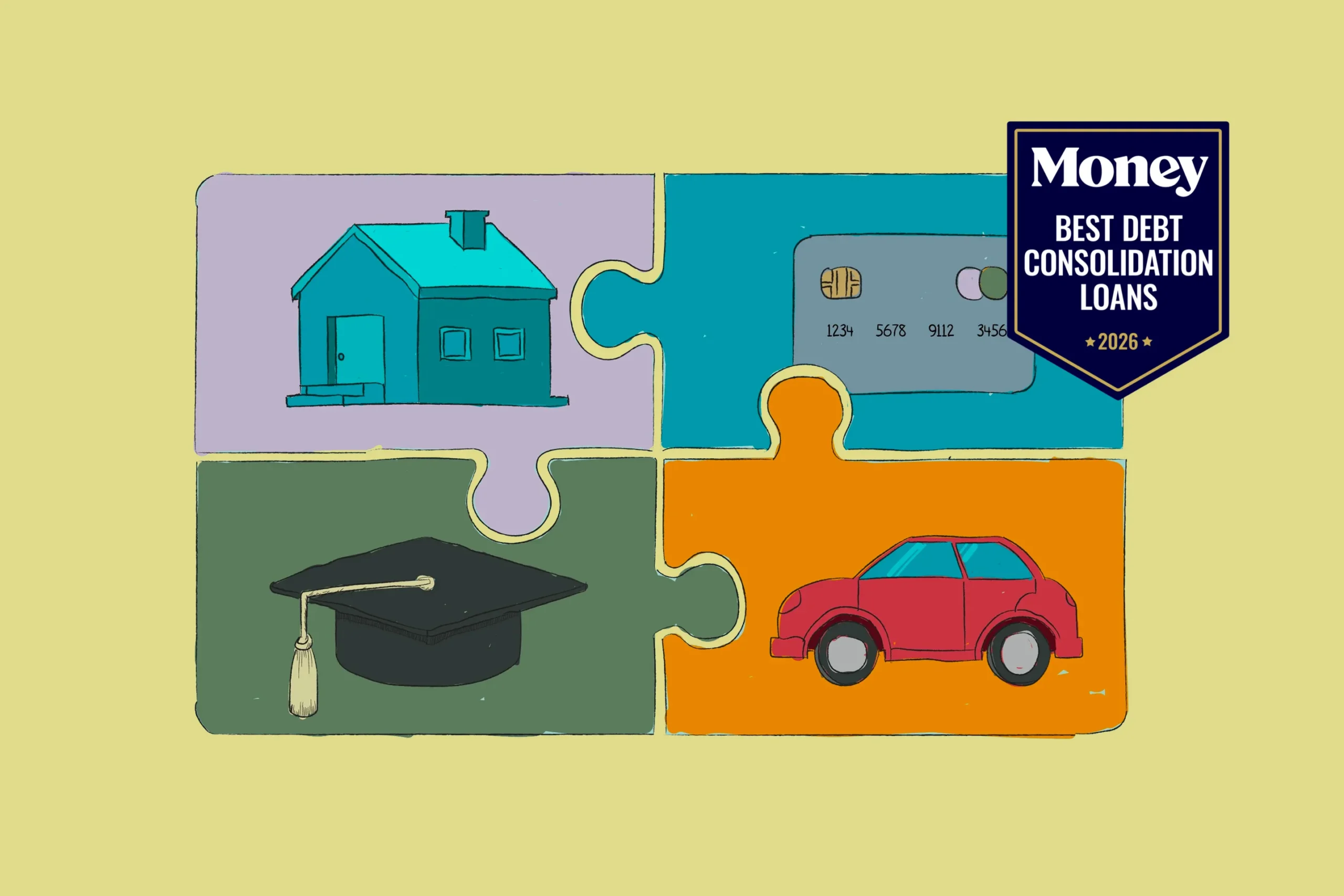
Credit card rates have been climbing steadily in recent years, making the burden of servicing outstanding balances increasingly heavy for millions of consumers. The complexity of managing multiple debts—each with distinct interest rates, payment amounts, and due dates—can lead to significant stress and elevate the risk of missed payments. In this challenging financial landscape, debt consolidation has emerged as a crucial strategy, offering a pathway for borrowers to simplify their repayment process by replacing several existing obligations with a single, new loan. While not universally suitable, debt consolidation loans provide a viable alternative for many seeking financial clarity and efficiency.
The Economic Backdrop: Soaring Rates and Consumer Strain
The period leading up to early 2026 has been characterized by a sustained period of elevated interest rates, primarily driven by central bank efforts to curb inflation. Following aggressive rate hikes between 2022 and 2024, the ripple effect has been acutely felt in consumer lending, particularly with credit cards. Average credit card APRs have reached historical highs, often exceeding 20% or even 25%, turning revolving debt into an increasingly costly burden. This environment has amplified the appeal of debt consolidation, as consumers actively seek avenues to lock in lower, fixed interest rates and streamline their financial obligations. The increased cost of living, coupled with higher borrowing costs, has placed considerable strain on household budgets, making effective debt management more critical than ever.
Understanding Debt Consolidation: A Strategic Overview
Debt consolidation is a comprehensive debt management strategy designed to merge various existing debts into a single, more manageable financial product. This typically involves an installment loan or a line of credit, aiming to reduce overall interest charges and simplify the repayment process by consolidating multiple monthly payments into one. Common targets for consolidation include high-interest credit card balances, medical bills, personal loans, and other unsecured debts.
How Debt Consolidation Loans Function
At its core, a debt consolidation loan provides a lump sum that borrowers use to pay off their existing, higher-interest debts. The new loan then becomes the sole debt obligation, typically featuring a lower, fixed interest rate and a structured repayment schedule. The interest rate offered on a debt consolidation loan is largely determined by the borrower’s credit score and debt-to-income (DTI) ratio. A favorable credit profile and a manageable DTI are crucial for securing the most competitive rates. For many, especially those burdened by revolving credit card debt, which often carries variable and exceptionally high interest rates, consolidating into a fixed-rate personal loan can lead to significant savings over the life of the loan, provided any associated fees are carefully factored in.
Is a Debt Consolidation Loan Right for You?
Determining the suitability of a debt consolidation loan hinges on several factors. It is an excellent option for individuals who can secure rates and terms that are more favorable than their current debt structure. This generally requires a better-than-average credit score and a consistent history of on-time payments. Unfortunately, individuals with a large, high-interest debt load often have compromised credit scores, which might prevent them from meeting the minimum credit requirements for the most attractive consolidation loans. In such cases, strategies to improve one’s credit score before pursuing consolidation, or exploring alternative debt relief options, become essential.
Market Dynamics: Fintech’s Ascent and Shifting Borrower Profiles
Recent data underscores the growing demand for debt consolidation loans, particularly among a broader spectrum of borrowers. A TransUnion report from the third quarter of 2025 highlighted a significant spike in demand for unsecured personal loans, with subprime borrowers constituting an increasing share of new activity. Lenders, increasingly spearheaded by financial technology (fintech) firms, originated a record 7.2 million unsecured personal loans in Q3 2025 alone. This figure represented a substantial 21% year-over-year increase in demand, pushing the total number of borrowers to 26.4 million. The typical borrower carried a balance of approximately $11,700.
Fintech companies now account for more than two out of every five unsecured personal loans originated, intensifying competition not only among fintechs themselves but also with traditional brick-and-mortar banks. While the median APR for these loans ticked up slightly to just over 21% across the market, a notable trend emerged: rates for the riskiest borrowers actually experienced a slight decline, settling at a median of roughly 32%. This reflects heightened competition among lenders to attract borrowers with credit scores below 600, indicating a strategic expansion into higher-risk segments of the market. This competitive pressure, while potentially beneficial for some subprime borrowers, also means a wider range of rates and terms, necessitating thorough comparison by consumers.
Leading Providers: Our Top Picks for March 2026
Our rigorous evaluation of over 30 lenders, considering factors such as interest rates, fees, terms, flexibility, and customer satisfaction, has identified several standout options for debt consolidation loans in March 2026. The following are organized alphabetically:
-
Discover: Best for Lowest Rates
- Highlights: APR: 7.99%-24.99%; Loan Amount: $2,500-$40,000; Term options: 36 to 84 months; Minimum credit score: Not specified.
- Analysis: Discover distinguishes itself with highly competitive minimum APRs, particularly its 7.99% for the most qualified borrowers, making it an excellent choice for those prioritizing the lowest possible rate. A key convenience is Discover’s direct payment service, settling credit card issuers within one business day of approval. The absence of origination, prepayment, and late fees further enhances its appeal. Applicants need a minimum individual or household income of $25,000, with credit history and DTI also factored into eligibility. Following its acquisition by Capital One earlier in the year, a standard industry restriction prohibits using loan proceeds to directly pay off any Capital One or Discover accounts. Discover also offers balance transfer credit cards as an alternative and consistently receives high marks for customer satisfaction, placing third in the 2025 J.D. Power Consumer Lending Satisfaction Study.
-
LightStream (a brand of Truist Bank): Best for Large Loans
- Highlights: APR: 7.24% – 23.89% (7.74% – 24.39% without autopay discount); Loan amount: $5,000 – $100,000; Term options: 24 to 84 months; Minimum credit score: Not specified.
- Analysis: LightStream stands out for its capacity to offer substantial loan amounts, up to $100,000, combined with broadly competitive APRs. Borrowers can secure a 0.50% discount by setting up Autopay prior to loan funding. While requiring good to excellent credit, LightStream notes that over 25% of approved applicants qualify for their lowest available rates. Like many lenders, it prohibits using loan funds to pay off existing LightStream loans. Its "Rate Beat" Program further underscores its competitive edge, offering an additional 0.1 percentage point off a rate approved by another lender under similar terms.
-
PenFed: Best for Small Debt Consolidation Loans
- Highlights: APR: 6.74% – 17.99% (6.99% – 18.24% without autopay discount); Loan amount: $600 – $50,000; Term options: 12 to 60 months; Minimum credit score: Not disclosed.
- Analysis: PenFed shines for its flexibility with smaller loan amounts, starting at just $600, combined with a strong reputation for customer satisfaction and low interest rates. It boasts the lowest minimum interest rate among our top picks and charges no origination fees. PenFed, a member-owned federal credit union, requires membership, a process that can be completed at the time of loan application. An additional 0.25 percentage point discount is available for online applications with autopay enrollment. The option for co-borrowers also makes it accessible to those with less-than-perfect credit.
-
SoFi: Best Overall
- Highlights: APR: 8.74% – 35.49%; Loan amount: $5,000 – $100,000; Term options: 24 to 84 months; Minimum credit score: No minimum specified, but lower scores could affect eligibility, terms and loan rates.
- Analysis: SoFi earns its "best overall" designation due to its wide range of terms, absence of high mandatory fees, and attractive APRs for borrowers with excellent credit. It offers multiple avenues for rate discounts, including a 0.25% autopay discount and an additional 0.25% for opening a SoFi bank account with direct deposits of at least $1,000 monthly. While there’s no mandatory origination fee, borrowers have the option to pay up to 7% in origination fees to secure a lower APR, akin to buying points on a mortgage. SoFi permits co-applicants residing at the same address, though this may extend the review process. The company also performed above the category average in the 2025 J.D. Power Consumer Lending Satisfaction Study.
-
Universal Credit: Best for Bad Credit
- Highlights: APR: 11.69% – 35.99%; Loan amounts: $1,000 – $50,000; Term options: 36 to 60 months; Minimum credit score: 560.
- Analysis: Recognizing the challenges faced by borrowers with less-than-stellar credit, Universal Credit specializes in bad credit debt consolidation loans. It incentivizes better rates for those who enroll in autopay and agree to have a portion of their existing debt paid off directly by the lender. While it offers a crucial service to a high-risk demographic, its origination fees, ranging from 5.25% to 9.99%, are on the steeper side. Borrowers with a slightly better credit profile might explore its corporate parent, Upgrade, which offers lower minimum APRs and origination fees, while also accepting scores as low as 560 under stricter underwriting qualifications.
Other Notable Contenders:
Several other lenders were considered during our evaluation, each offering unique features that may appeal to specific borrower profiles:
- Achieve: Targets borrowers with credit scores as low as 600. Its APR range of 8.99% to 29.99% is decent, but the lowest rates are reserved for excellent credit, loans under $12,000, and 24-month terms. Achieve offers options like co-borrowers to improve terms and charges origination fees of 1.99% to 8.99%.
- Axos Bank: While its minimum APR of 11.79% is higher than some competitors, its maximum of 20.84% is often better than other options. It caters to borrowers with credit scores as low as 730, a more accessible threshold than the "excellent credit" demanded by some traditional banks. Axos Bank charges an origination fee of up to 2%.
- Best Egg: This fintech company offers personal loans from $2,000 to $50,000 with a transparent online platform. Its minimum APR of 6.99% is competitive, but its maximum can reach a very high 35.99%. Origination fees range from 0.99% to 9.99%, with a minimum of 4.99% for terms of four years or more. Best Egg loans are unavailable in Iowa, Vermont, West Virginia, or Washington, D.C.
Alternatives to Debt Consolidation Loans
While debt consolidation loans are a powerful tool, they are not the only solution for managing debt. Various alternatives cater to different financial situations and credit profiles:
- Home Equity Loans or Lines of Credit (HELOCs): For homeowners with significant equity, leveraging their property as collateral can secure lower interest rates than unsecured personal loans. However, this option carries the inherent risk of foreclosure if payments are missed.
- Balance Transfer Credit Cards: Borrowers with excellent credit and smaller debt loads that can be paid off quickly may benefit from balance transfer cards. These often offer a 0% introductory APR for a promotional period (typically 12-21 months), allowing aggressive debt repayment without accruing interest. However, a balance transfer fee usually applies, and any remaining balance after the promotional period will incur standard, often high, credit card APRs.
- Credit Counseling and Debt Management Plans (DMPs): Non-profit credit counseling agencies can help borrowers enroll in a DMP. Under these plans, counselors negotiate lower interest rates with creditors and consolidate payments into a single monthly sum paid to the agency, which then distributes funds to creditors. DMPs can be effective for those struggling with spending habits, but they may have a minor impact on credit scores.
- Debt Settlement: This involves negotiating with creditors to pay off a portion of the total debt, typically less than the full amount owed. While it can reduce debt, it severely damages credit scores and often incurs significant fees. It’s generally considered for those facing severe financial distress.
- Bankruptcy: As a last resort, bankruptcy offers legal protection from creditors and can discharge certain debts. However, it has a devastating and long-lasting impact on credit, making it difficult to obtain new credit for many years.
Navigating the Application Process: How to Get a Debt Consolidation Loan
Securing a debt consolidation loan involves a structured approach to maximize your chances of approval and obtain the best terms:
- Assess Your Credit: Begin by requesting your credit reports from Experian, Equifax, and TransUnion. Understanding your credit score (e.g., FICO or VantageScore) is crucial, as it directly influences the interest rates you’ll be offered. Many lenders offer "pre-qualification" with a soft credit pull, which doesn’t impact your score, allowing you to gauge potential rates without commitment.
- Calculate Your Debt Burden: Itemize all outstanding debts you wish to consolidate, including their current balances, interest rates, and minimum monthly payments. Calculate your weighted average interest rate to determine the minimum APR a new loan must offer to be truly advantageous. Remember, you don’t have to consolidate all debts; retaining a low-interest personal loan separately might be beneficial.
- Research and Compare Lenders: Dedicate time to compare various lenders, focusing on interest rates (APR), loan terms, fees (origination, prepayment, late), and customer reviews. Online marketplaces can help compare multiple offers quickly.
- Determine Your Debt-to-Income (DTI) Ratio: Use a DTI calculator to understand how much of your monthly income is allocated to debt payments. Lenders typically prefer a DTI below 43%, though some may accept up to 50%. A lower DTI indicates greater capacity to manage new debt, strengthening your application.
- Choose the Right Loan: Select a loan with an interest rate significantly lower than your current weighted average. Be mindful that a lower monthly payment often corresponds to a longer loan term, which means paying more interest over the life of the loan. Balance affordability with the goal of rapid debt repayment.
- Consider a Cosigner: If your credit score is borderline or you’re seeking a significantly better rate, a friend or family member with strong credit willing to act as a cosigner can bolster your application. Both parties become legally responsible for the loan.
- Apply and Review: Complete the loan application, providing all necessary documentation (proof of income, identity, existing debt details). Crucially, read the loan offer’s fine print thoroughly before accepting to understand all terms and conditions.
- Fund Your Debts: Upon loan approval and disbursement, either directly pay off your existing creditors or, if the lender offers it, utilize their direct payment option to have funds sent straight to your original creditors. This ensures the intended use of the loan and helps prevent accidental re-accumulation of debt.
Getting a Debt Consolidation Loan with Bad Credit
While most lenders prefer applicants with FICO scores of 620 ("fair") or higher, options exist for those with less-than-ideal credit. However, these borrowers should anticipate higher annual percentage rates. Here are three tips for securing a debt consolidation loan with bad or fair credit:
- Seek Lenders Specializing in Lower Credit Scores: Some fintech lenders and credit unions are more flexible with credit requirements. Research companies like Universal Credit or Upgrade, which explicitly state lower minimum credit score thresholds. Be prepared for higher interest rates and potentially higher origination fees to compensate for the increased risk.
- Explore Secured Personal Loans: If unsecured options are out of reach, a secured personal loan, backed by collateral like a savings account or vehicle, might be an option. These typically come with lower interest rates due to reduced risk for the lender. However, failure to repay could result in the loss of your collateral.
- Improve Your Credit Score First: Before applying, take steps to improve your credit. This includes paying bills on time, reducing credit utilization (the amount of credit you use relative to your total available credit), and correcting any errors on your credit report. Even a modest improvement can unlock better rates and terms. Consider a credit-builder loan or a secured credit card to establish a positive payment history.
Key Considerations When Choosing a Debt Consolidation Loan
Selecting the appropriate debt consolidation loan requires careful consideration of several factors aligned with your financial objectives and repayment capacity:
- Interest Rates (APR): Always compare the Annual Percentage Rate (APR), which includes both the interest rate and certain fees, to get a true picture of the loan’s cost. Fixed-rate loans offer predictability, while variable-rate loans might start lower but can fluctuate. Ensure the new APR is substantially lower than your current weighted average.
- Fees: Be vigilant about all potential fees. Origination fees, charged by some lenders for processing the loan, can range from 1% to 10% and are often deducted from the loan principal. Prepayment penalties, though less common with personal loans, can negate savings if you plan to pay off the loan early. Also, check for late payment fees.
- Loan Terms and Repayment Options: Loan terms typically range from 12 to 84 months. Shorter terms mean higher monthly payments but less total interest paid. Longer terms offer lower monthly payments but accumulate more interest over time. Choose a term that aligns with your budget and your goal of either minimizing total cost or maximizing monthly cash flow. Look for lenders offering flexible repayment options, such as autopay discounts or the ability to change payment dates.
FAQs on Debt Consolidation Loans
-
Is debt consolidation a good idea?
Debt consolidation can be an excellent strategy for individuals struggling to manage multiple monthly payments. By exchanging high-interest debt for a more reasonable, fixed rate, borrowers can accelerate debt repayment and significantly reduce overall interest costs. However, it is most effective when you can qualify for a lower interest rate, typically requiring a good credit score. Always compare rates, loan terms, and fees before making a decision. -
Do debt consolidation loans hurt your credit?
When you apply for a new loan or credit card for consolidation, the initial hard credit inquiry may cause a small, temporary dip in your credit score. Additionally, closing old credit card accounts can affect your credit utilization ratio if not managed carefully. However, if you consistently make on-time payments on the new consolidated loan, this positive payment history will generally outweigh the initial negative impact, leading to a stronger credit score over time. -
What is the best debt consolidation company?
The "best" company is subjective and depends entirely on your specific financial situation and credit profile. For large consolidation needs, LightStream is highly competitive. For smaller loan amounts, PenFed offers attractive terms. For those with excellent credit seeking broad flexibility and potential discounts, SoFi is a strong contender. Universal Credit specializes in assisting borrowers with less-than-perfect credit. It is crucial to assess your priorities—whether it’s the lowest APR, highest loan amount, or specific credit flexibility—and then compare lenders accordingly.
Conclusion
In an economic climate marked by rising interest rates and increasing consumer debt, debt consolidation loans offer a powerful tool for financial reorganization and relief. By understanding the market dynamics, carefully evaluating lender offerings, and diligently assessing personal financial circumstances, borrowers can leverage these loans to simplify their debt, reduce interest costs, and embark on a clearer path to financial stability. However, the key to success lies in responsible borrowing and a commitment to maintaining healthy financial habits post-consolidation to avoid re-accumulating debt.