Lina Irawan
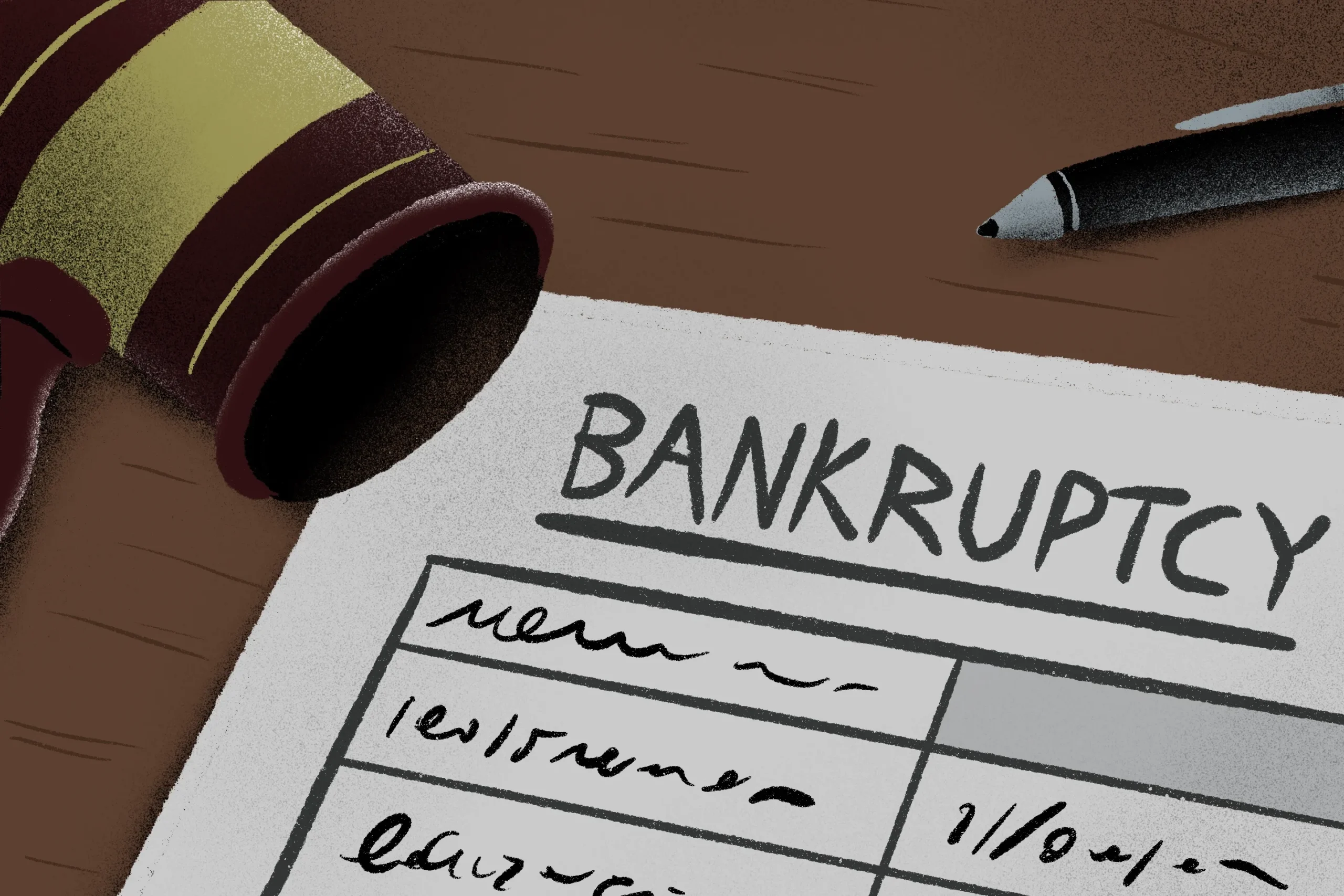
The landscape of American personal finance is currently experiencing a significant shift, with a notable increase in individuals seeking the protection of bankruptcy. Filings for Chapter 7 bankruptcy, the most frequently utilized form of individual debt relief, have seen a 13% surge so far this year, according to data compiled by Epiq, a firm specializing in tracking bankruptcy cases. This uptick signals a broader struggle among consumers to manage escalating debt burdens amidst persistent economic pressures. For many, the weight of unmanageable credit card bills, medical expenses, and other financial obligations has pushed them to consider bankruptcy as a necessary, albeit impactful, step toward a fresh start.
While bankruptcy offers a lifeline, it is a decision with profound and lasting consequences for one’s credit profile and future borrowing capacity, potentially for a decade or more. Understanding the intricacies of this federal procedure, from its fundamental types to the granular steps involved, is paramount for anyone contemplating such a move. This detailed guide aims to illuminate the process, providing essential information for those navigating this challenging financial journey.
The Economic Backdrop: Fueling the Rise in Filings
The current surge in bankruptcy filings is not an isolated phenomenon but rather a symptom of broader economic trends affecting American households. Persistent inflation, which has eroded purchasing power, coupled with rising interest rates on credit cards and loans, has created a perfect storm for consumers already struggling with debt. Many households have relied on credit to bridge gaps in their budgets, leading to an unsustainable cycle of borrowing. Data from the Federal Reserve consistently shows escalating consumer debt levels, particularly in credit card balances, reaching new highs. This economic strain, exacerbated by lingering effects of the post-pandemic recovery and a competitive job market in some sectors, pushes more individuals to the brink of insolvency. For those falling behind on payments, bankruptcy can appear as the only viable path to escape a deepening spiral of debt and creditor harassment.
Understanding the Pathways to Financial Relief: Chapter 7 and Chapter 13
The U.S. Bankruptcy Code offers different chapters for individual debtors, primarily Chapter 7 and Chapter 13, each designed for distinct financial situations and offering varying paths to debt relief. The choice between these two hinges on several factors, including income, assets, and the nature of the debts.
Chapter 7 Bankruptcy: The Liquidation Path
Chapter 7, often referred to as "liquidation bankruptcy," is the most common and generally the quickest route to debt discharge. It is designed for individuals who have limited income and assets and cannot afford to repay their debts. The process typically concludes within six months, leading to a discharge of most unsecured debts, such as credit card balances, medical bills, and personal loans.
To qualify for Chapter 7, debtors must pass a "means test," which evaluates their income relative to the median income in their state. If a debtor’s income is too high, indicating an ability to repay some portion of their debts, they may not qualify for Chapter 7 and might instead be directed towards Chapter 13. In a Chapter 7 case, a court-appointed trustee reviews the debtor’s assets to determine if any "nonexempt" property can be sold to repay creditors. However, a significant majority of Chapter 7 cases are classified as "no-asset" cases, meaning all of the debtor’s property is protected by state or federal exemptions, and nothing is sold. A Chapter 7 bankruptcy remains on a debtor’s credit report for 10 years, significantly impacting their ability to secure new credit during that period.
Chapter 13 Bankruptcy: The Reorganization Plan
Chapter 13, known as "reorganization bankruptcy," is suitable for individuals with a regular income who can afford to repay some of their debts but need a structured plan to do so. Unlike Chapter 7, it does not involve the liquidation of assets. Instead, debtors propose a repayment plan, typically lasting three to five years, under which they make regular payments to a trustee who then distributes the funds to creditors. At the successful completion of the plan, any remaining dischargeable debts are wiped away.
Chapter 13 is particularly beneficial for debtors who wish to save their homes from foreclosure or prevent the repossession of vehicles. It allows them to catch up on past-due mortgage or car loan payments over time, while retaining their property. This chapter is also an option for individuals who fail the Chapter 7 means test due to higher income. While more complex and lengthy than Chapter 7, a Chapter 13 bankruptcy stays on a credit report for seven years after filing, a slightly shorter period than Chapter 7. Despite the shorter reporting period, both chapters significantly depress credit scores and result in higher interest rates for any credit obtained post-bankruptcy.
Navigating the Complexities: A Step-by-Step Guide to Filing for Bankruptcy
The bankruptcy process, while federal, involves specific local regulations and numerous steps. This guide provides an overview, but it is crucial to remember that this information should not substitute professional legal advice.
1. The Critical First Step: Consulting a Qualified Bankruptcy Attorney
While it is legally permissible to represent oneself (filing pro se), consulting an experienced bankruptcy attorney is strongly recommended. Research from organizations like the American Bankruptcy Institute (ABI) underscores the stark difference in outcomes: less than half of individuals who represent themselves in Chapter 7 cases receive a discharge, compared to nearly 94% of those with legal counsel. For Chapter 13 cases, the disparity is even more pronounced.
An attorney provides invaluable expertise, helping debtors understand their options, navigate complex legal requirements, and maximize their chances of a favorable outcome, which typically means a bankruptcy discharge. Many attorneys offer free initial consultations, and non-profit organizations or local legal aid services may provide free or low-cost assistance for those under significant financial strain. Platforms like Upsolve can also assist in finding such resources. This initial consultation helps ascertain eligibility, explore alternatives like debt negotiation or credit counseling, and determine if bankruptcy is indeed the most appropriate course of action.
2. Assembling Your Financial Dossier: The Document Preparation Phase
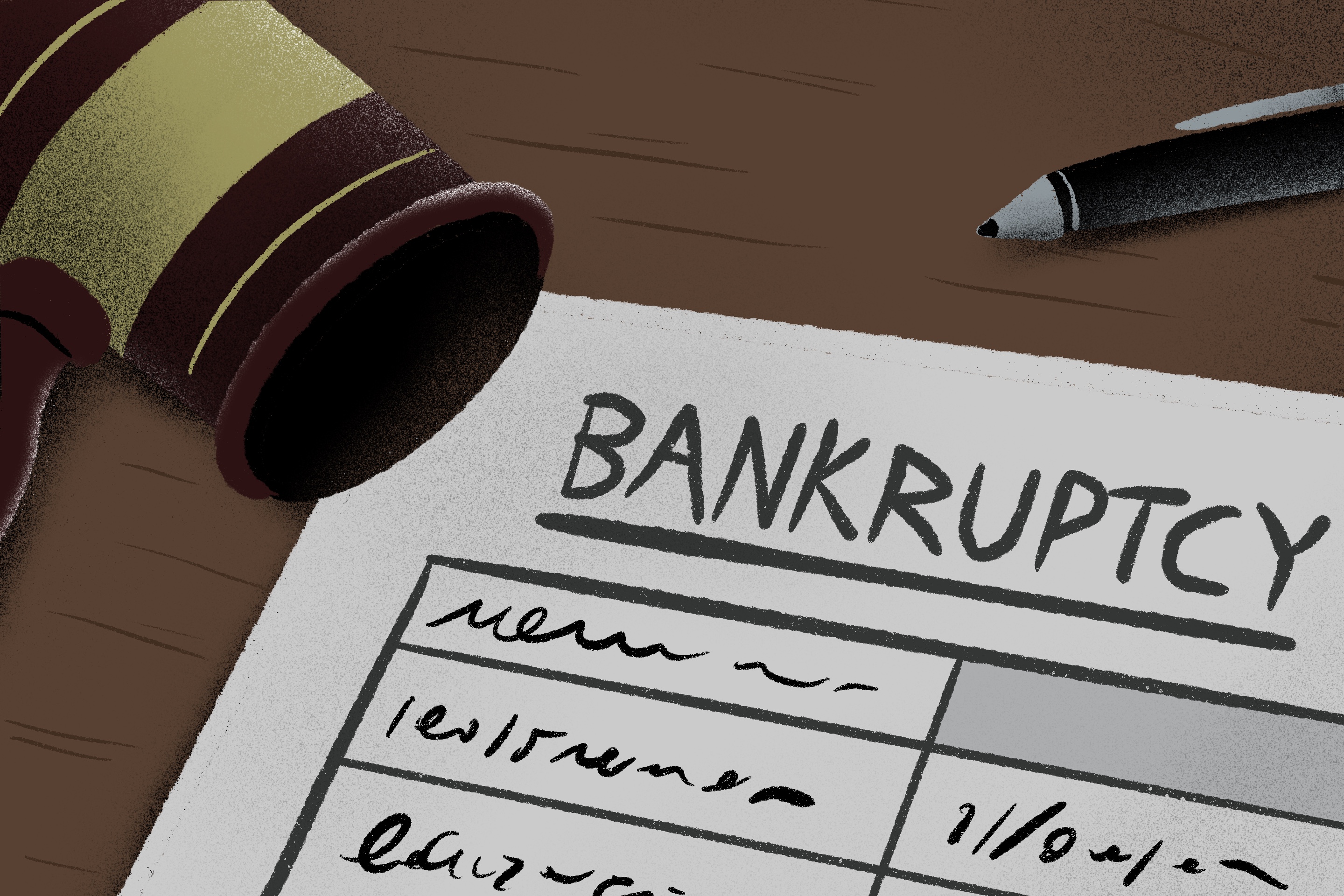
Once the decision to file is made, gathering comprehensive financial documentation is crucial. This step is foundational for demonstrating the inability to repay debts to the federal court. A thorough collection of documents ensures accuracy and preparedness for the trustee’s review. Key documents typically include:
- Proof of income (pay stubs, tax returns for the past two years)
- Detailed lists of assets (real estate, vehicles, bank accounts, investments, personal property)
- A complete list of creditors and outstanding debts (credit card statements, loan agreements, medical bills)
- Monthly living expenses (housing, utilities, food, transportation, medical)
- Property deeds, titles, and insurance policies
Organizing these documents upfront streamlines the entire process, aids in determining the most suitable bankruptcy chapter, and prepares the debtor for potential requests from the bankruptcy trustee assigned to their case.
3. Assessing Your Debt Landscape: Distinguishing Dischargeable from Non-Dischargeable Obligations
A critical aspect of strategic bankruptcy planning is understanding which debts can be discharged and which cannot. Not all debts are eligible for elimination through bankruptcy. For instance, child support, alimony, and most tax debts are typically non-dischargeable. Wage garnishments related to these debts cannot be halted by bankruptcy. Student loan debt, while technically dischargeable, is notoriously difficult to eliminate, requiring a stringent "undue hardship" test that few debtors meet, especially for federal loans. Knowing these distinctions early helps debtors make informed decisions about whether bankruptcy will achieve their desired financial relief and which chapter is most appropriate.
4. Mandatory Pre-Filing Credit Counseling: A Gateway Requirement
Before submitting any bankruptcy forms, debtors are required to complete a credit counseling course from an agency approved by the Department of Justice (DOJ). This course, typically costing between $15 and $50, can be completed online, in person, or by phone and must be finished within 180 days prior to filing. The goal is to evaluate the debtor’s financial situation and explore alternatives to bankruptcy, even if only as a formal step. Exceptions to the DOJ-approved list apply to filers in Alabama and North Carolina, who must choose from state-specific approved providers. Completion of this course is a prerequisite for any individual bankruptcy filing.
5. Precision in Paperwork: Completing Official Bankruptcy Forms
Regardless of whether Chapter 7 or Chapter 13 is chosen, debtors must complete a comprehensive set of court documents. These include a bankruptcy petition, a statement of financial affairs, and schedules detailing assets, liabilities, income, and expenses. The U.S. Courts website (uscourts.gov) provides access to all official bankruptcy forms. The complexity and volume of these documents underscore the value of legal counsel, as errors or omissions can lead to case dismissal or delays. An attorney ensures all forms are accurately and completely filled out, adhering to both federal and any additional local court requirements.
6. The Formal Submission: Filing with the Federal Bankruptcy Court
Once all necessary forms are meticulously completed, they must be filed with the appropriate federal district’s bankruptcy court. An attorney typically handles this submission. Pro se filers must ensure they file in the correct district, usually based on their permanent residence for the greater portion of the 180 days preceding the filing.
A federal court filing fee is required: $338 for Chapter 7 and $313 for Chapter 13. For those unable to afford these fees, an application for a fee waiver may be submitted. Additionally, there are local fees for credit counseling and debtor education, ranging from $20 to $100. Upon filing, an automatic stay goes into effect, which temporarily prevents most creditors from continuing collection activities, including lawsuits, wage garnishments, and repossessions.
7. The Trustee’s Introduction: Submitting Documents for Review
Following the official filing, a bankruptcy trustee is appointed to the case. The trustee’s primary role is to administer the bankruptcy estate. For Chapter 7, this involves identifying and potentially liquidating nonexempt assets. For Chapter 13, the trustee oversees the repayment plan. In both scenarios, the trustee reviews the filed documents and may request additional information, such as recent pay stubs, bank statements, and tax returns, to verify the debtor’s financial disclosures. Collaboration with the trustee, often facilitated by legal counsel, is essential at this stage.
8. The 341 Meeting: A Creditors’ Conference (Often Without Creditors)
One of the most anticipated, and often dreaded, steps is the mandatory "341 meeting of creditors," named after Section 341 of the U.S. Bankruptcy Code. Debtors (and their spouses, if filing jointly) must attend this meeting, where they are placed under oath and questioned by the trustee about their financial affairs. Creditors are invited but rarely attend, particularly in Chapter 7 cases.
While the prospect of public scrutiny can be daunting, these meetings are typically brief, often lasting only 10 to 15 minutes. The trustee’s questions aim to confirm the accuracy of the filed documents and ensure no fraudulent activity has occurred. Failure to attend this meeting can lead to the dismissal of the bankruptcy case.
9. Protecting Your Assets: Understanding Exempt vs. Nonexempt Property
A crucial aspect of bankruptcy is the concept of exemptions, which allow debtors to protect certain assets from being sold to pay creditors. Exemption laws vary significantly by state, and debtors must provide a timely list of what they claim as exempt. Common exemptions include primary residences (up to a certain equity value), non-luxury vehicles, and essential household goods. Property not covered by these exemptions is considered "nonexempt."
In Chapter 7, nonexempt assets may be sold by the trustee to distribute proceeds to creditors. In Chapter 13, nonexempt property is not sold; instead, its value is incorporated into the repayment plan. For instance, if a debtor owns a nonexempt luxury item valued at $65,000, they would pay creditors that amount over the course of their three-to-five-year repayment plan, rather than having the item sold immediately. This distinction significantly impacts asset retention.

10. Sustaining Secured Debts: Payments During Bankruptcy
A common misconception is that all debt payments cease upon filing for bankruptcy. However, this is not the case for secured debts—loans tied to specific physical assets like mortgages or car loans. If debtors wish to retain these assets, they must continue making their regular monthly payments. Failure to do so grants the lender the right to repossess the property.
For those facing foreclosure, Chapter 13 bankruptcy can offer a temporary reprieve by imposing an automatic stay and allowing debtors to catch up on past-due mortgage payments over the life of their repayment plan. However, debtors must still demonstrate the income capacity to sustain future payments to avoid eventual foreclosure.
11. The Period of Scrutiny: Eligibility Determination and Potential Objections
Successfully navigating the initial steps does not guarantee a debt discharge. A window of opportunity exists for creditors and the trustee to object to the discharge of certain debts or even the entire case. Objections can arise if there are legal exceptions for specific debt types (e.g., those incurred through fraud) or if the debtor provided incorrect, incomplete, or fraudulent information under oath or during the filing process. If an objection leads to a lawsuit, it is termed an "adversary proceeding," adding significant complexity and delay.
Furthermore, the Department of Justice may randomly audit bankruptcy cases, requiring additional information and potentially delaying debt relief by several weeks. Should an audit uncover inaccuracies, the case could be dismissed. While these instances are relatively rare, they underscore the importance of accuracy and transparency throughout the process.
12. Post-Filing Debtor Education: The Second Mandatory Course
Before debts can be officially discharged, debtors must complete a second mandatory course: debtor counseling, also known as personal financial management instruction. Similar to the pre-filing credit counseling, this course must be provided by a DOJ-approved agency (with the same state-specific exceptions for Alabama and North Carolina).
This course aims to equip debtors with the financial literacy needed to manage their finances responsibly post-bankruptcy. These courses are often more affordable than the initial credit counseling, sometimes costing as little as $10. Many providers offer to file the completion certificate directly with the court, expediting the final stages of the discharge process.
13. The Final Verdict: Awaiting Your Debt Discharge
The waiting period for an official debt discharge varies significantly between Chapter 7 and Chapter 13. For Chapter 7, if the process unfolds smoothly without significant objections or audits, discharge typically occurs approximately four months after the initial filing.
For Chapter 13, the discharge comes much later—only after the debtor has successfully completed their entire three-to-five-year repayment plan. This extended timeline highlights the commitment required for Chapter 13. Federal court data from 2024 reveals that roughly half of all closed Chapter 13 cases resulted in a discharge following successful completion of the repayment plan. Conversely, 51% of dismissed Chapter 13 cases were attributed to missed payments, underscoring the challenges of maintaining a long-term repayment schedule.
Long-Term Repercussions and Rebuilding: Life After Bankruptcy
Bankruptcy, while offering a vital fresh start, leaves a lasting mark on a debtor’s financial record. A Chapter 7 filing remains on a credit report for 10 years, and Chapter 13 for seven years. During this period, obtaining new credit will be challenging, and any credit secured will likely come with significantly higher interest rates. The impact on credit scores is immediate and severe, making it difficult to qualify for mortgages, car loans, or even rental agreements.
However, bankruptcy is not a permanent financial death sentence. It provides an opportunity to rebuild credit and establish healthier financial habits. Strategies for recovery include:
- Secured Credit Cards: These require a deposit but help demonstrate responsible credit use.
- Small, Manageable Loans: Taking out small loans and repaying them consistently can slowly improve credit.
- Regular Bill Payments: Ensuring all remaining bills (utilities, rent) are paid on time.
- Budgeting and Savings: Developing a robust budget and building an emergency fund to prevent future debt accumulation.
Financial recovery is a marathon, not a sprint, but with discipline and strategic planning, individuals can gradually restore their creditworthiness and secure a more stable financial future.
Conclusion: A Fresh Start, Not a Simple Solution
The decision to file for personal bankruptcy is a weighty one, driven by increasing financial strain across the nation. While it offers a crucial avenue for debt relief and a fresh start, it is a complex legal process with significant long-term implications. The rising number of filings underscores the necessity for comprehensive understanding and careful consideration. From the initial consultation with legal counsel to the final debt discharge and the subsequent journey of financial rebuilding, each step demands diligence and an informed approach. For those overwhelmed by debt, bankruptcy can be a powerful tool for regaining control, but it is fundamentally a structured legal process, not a simple solution, requiring commitment, transparency, and often, professional guidance to navigate successfully.