Layla Zulfa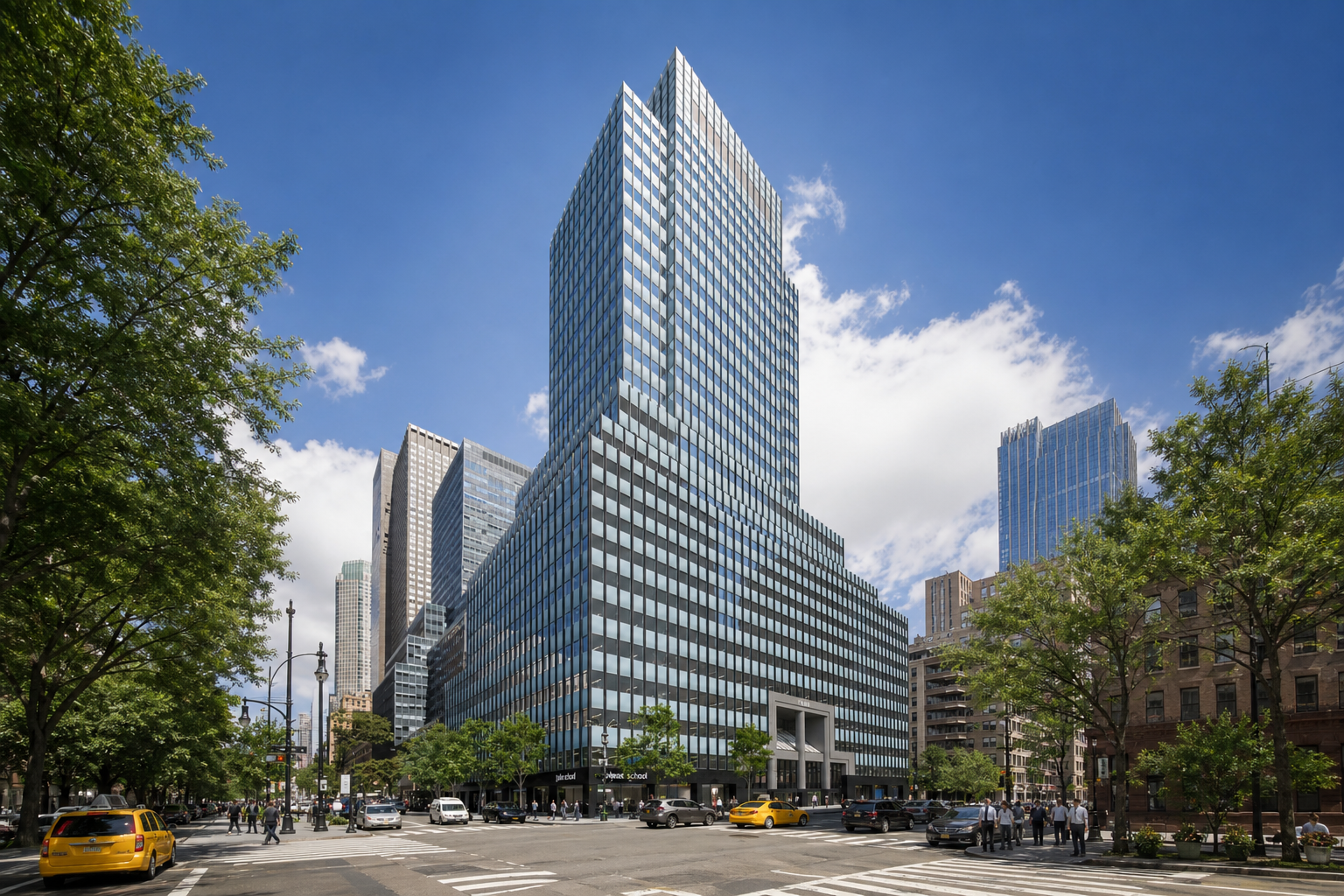
Spreading regulatory concern over New York City’s ambitious office-to-residential conversion strategy has intensified following a series of work stoppages at prominent development sites, raising questions about the safety and efficacy of transforming aging commercial buildings into much-needed housing. The most recent incidents involve a full halt at 222 Broadway in Lower Manhattan due to undisclosed structural concerns and a partial stoppage at 750 Third Avenue in Midtown, signaling a period of increased vigilance from the New York City Department of Buildings (DOB).
These developments occur against a backdrop of mounting pressure to address the city’s persistent housing shortage. Mayor Eric Adams and housing advocates have championed office conversions as a faster and more efficient pathway to increasing residential stock compared to traditional ground-up construction. The city is actively leveraging 2024 tax incentives designed to accelerate this pipeline, positioning New York as a national model for repurposing underutilized commercial real estate. However, the recent jobsite issues cast a shadow over this strategy, particularly after a significant scare at the former Pfizer headquarters conversion project, which saw partial column collapses and shook confidence in the city’s approach.
A Pattern of Concerns: Recent Work Stoppages Unfold
The recent spate of work stoppages began to escalate following an incident at a MetroLoft development, the 1,600-unit conversion of the former Pfizer building. While the DOB announced on social media late last Friday that initial reviews of stabilization and façade enclosure work at the MetroLoft site revealed "no significant structural issues which would endanger public safety," a partial stop-work order remains in effect pending further, more detailed inspections. This incident, which involved the partial collapse of structural columns, served as a catalyst for a broader review of other ongoing conversion projects across Manhattan.
Adding to the growing list of concerns, the 222 Broadway development, a 1962-era building formerly serving as Western Electric’s headquarters, is now facing its third stop-work order in recent weeks. Developer GFP Real Estate is undertaking a conversion of this property into approximately 300 apartments. The latest full stop-work order was issued after cracked concrete beams on the 32nd floor were reportedly left unreported to city officials for an extended period. While the engineering firm DeSimone submitted requested repair documentation last Friday, the order remains active as the DOB conducts its departmental review. Prior to this latest development, the DOB had issued two separate stop-work orders for the 222 Broadway project within a single week. According to DOB database records, one order was related to work that deviated from approved construction documents, while the other stemmed from a failure to provide required professional engineer drawings.
Meanwhile, at 750 Third Avenue, a 1957 building undergoing conversion by developer SL Green into an estimated 639 apartments, a partial work stoppage has been issued. SL Green reportedly self-identified a discrepancy involving steel welding on upper floors that did not align with the building’s filed plans. While city officials have stated that no structural distress was observed, the deviation prompted the work order. A spokesperson for SL Green informed The New York Times that the company discovered the issue with existing columns after initial preparation work and is actively collaborating with the city to resolve the matter and lift the order promptly.
The Legacy of Conversions and the Shadow of the Pfizer Incident
New York City has a long-standing history of successfully converting commercial properties into residential units. This practice has often served as a blueprint for other municipalities grappling with similar challenges of vacant office space and housing deficits. However, the recent issues, particularly the partial collapse at the MetroLoft-managed Pfizer building conversion, have amplified existing anxieties. This incident, which occurred during a substantial renovation project, sent ripples of concern through the real estate and regulatory communities, highlighting the inherent complexities and potential risks associated with repurposing older structures.
The Pfizer building conversion, initiated by MetroLoft, was one of the city’s flagship projects under the new conversion push. The scale of the project and the prominence of the building made any structural issue particularly alarming. While the DOB’s subsequent assessment indicated no immediate public safety threat, the mere fact of a partial collapse during construction has led to a more stringent and cautious approach from regulators towards other similar projects. This has resulted in a broader, more intense level of scrutiny being applied to conversions across the city, impacting developers like GFP Real Estate and SL Green.
Navigating the Unknown: Challenges in Older Structures
The recurring theme emerging from these incidents is the inherent unpredictability of working with older building stock. Conversion specialists acknowledge that even the most thorough due diligence may not uncover all potential structural deficiencies. Andy O’Brien, a partner at insurance and risk advisory firm The Baldwin Group, articulated this sentiment, stating, "You just never know until you get into the older buildings and start taking down walls and exposing some of the structural elements of the building." This underscores the reality that the subsurface challenges of legacy buildings can often exceed initial assessments.
John Edwards, a partner at McClennan+Partners Architects, emphasized the critical role of comprehensive upfront analysis. Speaking on a Harvard Joint Center for Housing Studies webinar, he noted, "We’ve done far, far more feasibility and due diligence studies for conversions than we’ve actually done conversions." This highlights the significant investment in pre-construction investigation required for these complex projects. Edwards further stressed that for developers, a deep understanding of a building’s structural integrity and regulatory history from the outset is as crucial as the architectural design itself.
O’Brien echoed this sentiment, adding that while thorough exploration can mitigate risks, projects must also account for unforeseen costs. "The ones that I’ve seen that are really successful go in eyes wide open, and prepare for the unknown," he advised. "They have either contingencies set up or at least a source of additional funding to pay for the cost to rectify late defects that they may not have seen." This proactive financial and strategic planning is becoming increasingly vital for developers navigating the conversion landscape.
Implications for New York City’s Housing Strategy
The escalating work stoppages and the underlying structural concerns pose a significant challenge to New York City’s housing strategy. The Adams administration has placed considerable faith in office-to-residential conversions as a critical tool to alleviate the city’s acute housing shortage. With hundreds of thousands of underutilized office spaces available, the potential for creating new housing units is substantial. The city’s 2024 tax incentives were specifically designed to unlock this potential, aiming to expedite the conversion process and make it more financially viable for developers.
However, the recent incidents may lead to increased construction timelines, higher costs, and potentially more stringent regulatory hurdles. Developers might face greater pressure to conduct even more exhaustive and costly pre-construction investigations, potentially slowing down the pace of conversions. Furthermore, the heightened scrutiny from the DOB could translate into more frequent inspections and a more rigorous approval process for any proposed modifications.
The long-term implications could include a recalibration of the financial models for office conversions. If unexpected structural issues become a common occurrence, developers may need to factor in larger contingency budgets, which could ultimately impact the affordability of the newly created housing units. This raises a critical question: will the accelerated pace of conversions, as envisioned by the city, be sustainable if it is consistently hampered by unforeseen structural challenges and the subsequent regulatory interventions?
The city’s commitment to conversions is also being observed by other major urban centers across the country that are facing similar pressures from vacant commercial real estate. New York’s experience, both the successes and the emerging challenges, will undoubtedly inform their own approaches. A sustained period of regulatory caution and repeated work stoppages could dampen enthusiasm for such projects in other cities, potentially slowing down a broader national trend.
The Path Forward: Balancing Urgency and Safety
As New York City continues its push to convert office buildings into much-needed housing, the recent work stoppages serve as a stark reminder of the complexities involved. The DOB’s heightened vigilance, while potentially slowing down projects, is a necessary measure to ensure the safety and structural integrity of these repurposed buildings. The onus is now on developers to embrace a more transparent and proactive approach to identifying and addressing potential issues, even those that lie hidden beneath the surface of older structures.
The success of New York City’s conversion strategy hinges on finding a delicate balance between the urgency of addressing the housing crisis and the paramount importance of public safety. This will likely involve continued collaboration between developers, engineers, and city regulators. It may also necessitate further refinement of existing building codes and inspection protocols to better accommodate the unique challenges presented by large-scale office-to-residential conversions. The coming months will be crucial in determining whether New York City can successfully navigate these hurdles and realize its ambitious vision for a more residential urban landscape. The lessons learned from 222 Broadway and 750 Third Avenue, alongside the ongoing monitoring of the MetroLoft site, will undoubtedly shape the future of this transformative urban planning initiative.