Candice Horbacz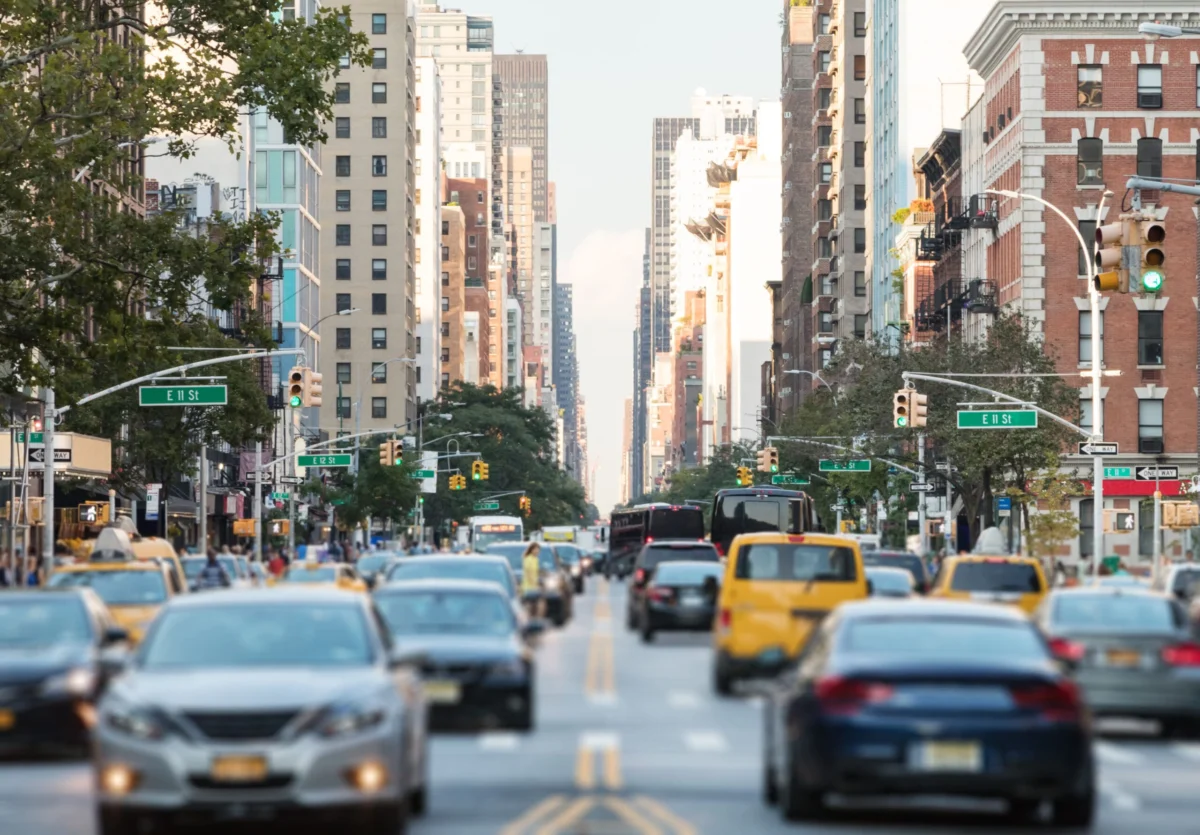
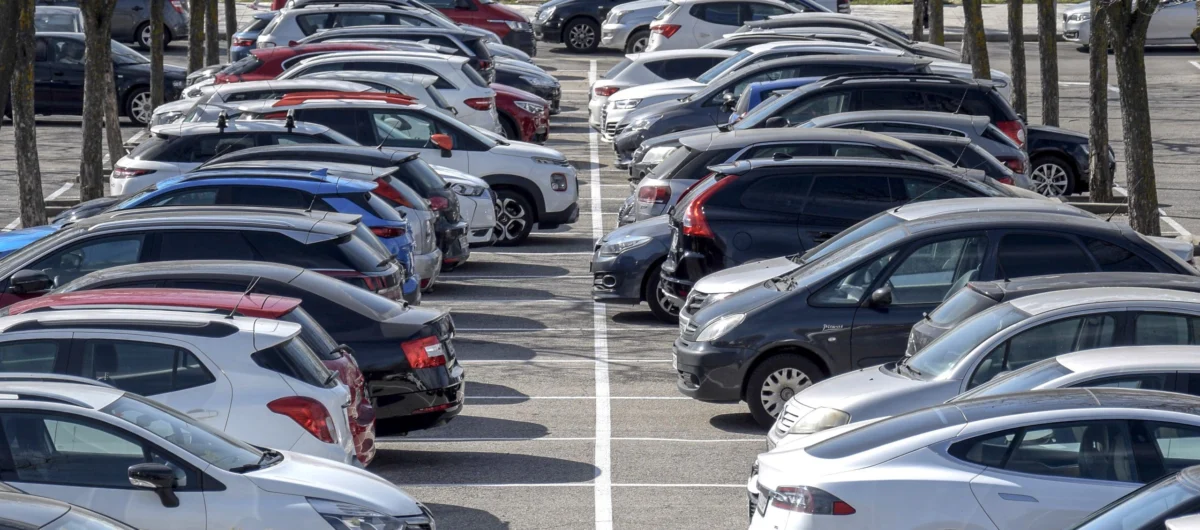
New York City’s notorious traffic, which in 2024 earned it the unenviable distinction of the worst congestion in the United States with drivers experiencing an average of 102 hours of delays annually, has long been a drain on the city’s economy and quality of life. This gridlock, coupled with a staggering $8.3 billion deficit faced by the Metropolitan Transportation Authority (MTA) in the same year, created a detrimental feedback loop: as MTA services deteriorated due to underfunding, commuters increasingly abandoned public transit for personal vehicles, further exacerbating traffic and simultaneously eroding the MTA’s farebox revenue. To break this cycle and usher in a new era of urban mobility, New York City, following years of debate and planning, officially launched its groundbreaking congestion pricing program in January 2025.
A Decades-Long Challenge: NYC’s Traffic Epidemic and MTA’s Fiscal Strain
For decades, the sheer volume of vehicles pouring into Manhattan’s central business district (CBD) has crippled the city’s arteries, transforming commutes into arduous, time-consuming ordeals. Beyond the personal frustration, this persistent congestion carries a heavy economic toll. Studies have estimated that traffic delays cost the New York metropolitan area billions of dollars annually in lost productivity, wasted fuel, and increased delivery times. Businesses grapple with higher operational costs, while residents endure longer commutes, impacting work-life balance and overall well-being. The 2024 INRIX Global Traffic Scorecard underscored this crisis, placing New York City at the top of the list for urban congestion in the U.S., a metric that served as a stark reminder of the urgent need for intervention.
Concurrently, the MTA, a vital lifeline for millions of New Yorkers, found itself in an increasingly precarious financial position. Responsible for operating the city’s extensive subway system, commuter rail lines (Long Island Rail Road and Metro-North), and bus network, the MTA is one of the largest public transportation agencies in the world. However, its vast infrastructure, much of which dates back over a century, requires continuous, massive investment for maintenance, modernization, and expansion. Compounding these capital needs were rising operational costs, declining ridership (exacerbated by the pandemic’s impact on work patterns), and insufficient state and federal subsidies. The projected $8.3 billion deficit in 2024 was not merely an accounting figure; it represented a looming threat to service reliability, safety upgrades, and the very future of mass transit in the region. Without a stable, dedicated funding source, the MTA faced the prospect of further service cuts, fare hikes, and a downward spiral that would inevitably push more people onto already choked roadways.
Global Precedents and NYC’s Adapted Model
The concept of congestion pricing is not new; it has been successfully implemented in various forms in major global cities for years. Pioneering cities like Singapore (since 1975), London (since 2003), and Milan (since 2008) have demonstrated the effectiveness of charging drivers for access to congested urban cores. These systems typically aim to achieve dual objectives: reduce traffic volumes by incentivizing alternative modes of transport and generate revenue for public transit improvements.
New York City’s program, officially known as the "Central Business District Tolling Program" but widely referred to as congestion pricing, drew heavily from these international models while adapting to the unique complexities of America’s largest metropolis. The designated "Congestion Relief Zone" (CRZ) encompasses Manhattan south of 60th Street, excluding the West Side Highway and Franklin D. Roosevelt East River Drive. The MTA, tasked with designing and implementing the system, sought to create a program that was technologically advanced, efficient, and as minimally disruptive as possible to the flow of traffic outside the tolling points.
Program Design and Implementation
The core mechanism of NYC’s congestion pricing relies on electronic toll collection. Drivers entering the CRZ are detected via E-ZPass transponders, the widely used electronic toll collection system across the Northeast, or through a sophisticated network of over 1,400 license plate scanners. This automated system eliminates the need for physical toll booths, thus preventing bottlenecks at entry points and ensuring seamless compliance.
The fee structure is multi-tiered, designed to reflect the varying impact of different vehicle types on congestion and infrastructure wear, as well as to encourage off-peak travel:
- Standard Passenger Vehicles: Most cars and small trucks pay a base fee of $9 per day for entering the CRZ, applied a maximum of once per day.
- Large Trucks and Sightseeing Buses: These larger vehicles, which contribute more significantly to congestion and road wear, are charged the highest rate at $21.60 per entrance.
- Motorcycles: A reduced fee of $4.50 per entrance applies to motorcycles.
- Taxis and Rideshare Vehicles: Recognizing their frequent entries and role in urban mobility, these vehicles are charged per trip rather than per day, with taxis incurring a $.75 fee per entrance and rideshare vehicles $1.50 per entrance. This per-trip charge aims to subtly discourage unnecessary trips within the CRZ.
- Time-of-Day Discounts: To incentivize traffic redistribution, a 75 percent discount is applied during off-peak hours. The full toll is charged during peak periods, defined as 5 a.m. to 9 p.m. on weekdays and 9 a.m. to 9 p.m. on weekends.
The program also includes provisions for exemptions and discounts for certain categories of vehicles, such as emergency vehicles, authorized government vehicles, and some low-income residents, reflecting efforts to mitigate potential regressive impacts. The revenue generated from these tolls is statutorily dedicated to funding the MTA’s capital program, specifically earmarked for infrastructure upgrades, accessibility improvements, and fleet modernization. This dedicated funding stream was projected to allow the MTA to bond up to $15 billion for its critical capital plan, addressing years of deferred maintenance and facilitating essential expansion projects.
First-Year Outcomes: Tangible Improvements and Reallocation
Just one year into its operation, New York City’s congestion pricing program has yielded encouraging results, as detailed in the MTA’s First Evaluation Report comparing data from 2024 (pre-implementation) to 2025 (post-implementation). The findings suggest that the initiative is successfully meeting its core objectives:
- Reduced Congestion: Vehicle entries into the Congestion Relief Zone decreased by a significant 11 percent. This reduction directly translated into smoother traffic flow within the CRZ.
- Increased Transit Ridership: Mirroring the decrease in private vehicle entries, public transit ridership saw a commendable 9 percent increase. This indicates a successful shift of commuters from driving to using the MTA’s subways and buses, validating a primary goal of the program.
- Improved Vehicle Speeds: Average vehicle speeds within the CRZ increased by 4.6 percent. More dramatically, speeds on critical crossings into Manhattan, such as bridges and tunnels, surged by an impressive 23 percent. These improvements mean quicker commutes for essential services, commercial deliveries, and those still needing to drive.
- Enhanced Emergency Response: A critical, often overlooked benefit of reduced congestion is its impact on emergency services. Studies, including a recent NBER working paper, estimate that emergency medical service (EMS) response times within the CRZ decreased by 5-6 percent, translating to an average improvement of 63 to 70 seconds. In medical emergencies where "time is tissue," these seconds can be life-saving.
- Traffic Reallocation: The tiered pricing structure successfully influenced driver behavior, leading to a reallocation of traffic. The only hours that saw an increase in vehicle travel in 2025 compared to 2024 were the periods immediately before and after the maximum toll price, indicating that some drivers opted to shift their travel times to benefit from off-peak discounts, thereby spreading out demand more evenly throughout the day.
- Substantial Revenue Generation: During its first year, the Congestion Relief Zone Tolling program recorded an average monthly revenue of $55 million. This consistent revenue stream has been instrumental in securing the $15 billion bonding capacity for the MTA’s capital plan, providing a much-needed financial anchor for the agency’s long-term sustainability and modernization efforts.
The Economic and Environmental Rationale: User Fees and Pigouvian Taxes
The economic theory underpinning congestion pricing is rooted in addressing market failures inherent in urban transportation. Traffic, from an economic perspective, is a classic example of a negative externality. While each driver experiences delays, they do not inherently pay for the marginal congestion they impose on others. As the number of vehicles on a road increases, delays for all drivers increase exponentially. Without a pricing mechanism, there is no incentive for individual drivers to internalize the collective cost of their presence on the road.
Congestion pricing serves two primary economic functions:
- User Fee: Like other road use charges, the toll acts as a user fee. Vehicles utilizing the city’s road infrastructure contribute to its wear and tear. The revenue collected partially offsets the costs of maintaining and improving this critical infrastructure, ensuring that those who benefit directly from the roads contribute to their upkeep.
- Pigouvian Tax: More significantly, the toll functions as a Pigouvian tax. Named after economist Arthur Pigou, a Pigouvian tax is levied on any market activity that generates negative externalities (costs borne by third parties not directly involved in the transaction). In this context, driving in congested areas creates harm to others in the form of increased traffic, longer travel times, noise pollution, and harmful air pollution. By charging drivers a fee for these external harms, the program forces them to incorporate these societal costs into their individual decision-making process. This economic incentive encourages drivers to consider alternative transportation modes, consolidate trips, or travel during off-peak hours, thereby reducing the overall level of congestion and pollution. The goal is not punitive but rather to optimize resource allocation and promote more efficient and sustainable urban living.
Beyond the immediate economic efficiencies, the environmental benefits are considerable. Reduced vehicle idling and smoother traffic flow lead to lower emissions of greenhouse gases and particulate matter, contributing to improved air quality in a densely populated urban environment and supporting the city’s broader climate goals.
Navigating Legal Challenges and Public Discourse
Despite its initial successes, New York City’s congestion pricing journey has not been without significant hurdles, particularly on the legal front. Shortly after its implementation, the tolling scheme faced federal legal challenges that threatened to derail the program. In February 2025, Secretary of Transportation Sean Duffy, citing concerns over potential federal restrictions and environmental impacts, attempted to withdraw federal approval and funding that had previously been granted. This culminated in a lawsuit where the Secretary alleged that the program had violated federal regulations. The case remains ongoing, though initial court orders have rejected federal attempts to halt the program’s operation. As of the latest reports, the case is awaiting a hearing by the 2nd Circuit Court of Appeals, highlighting the complex interplay between local urban policy and federal oversight.
Public discourse surrounding congestion pricing has also been robust and often polarized. While proponents, including environmental advocates, urban planners, and many public transit riders, hail the program as a progressive and necessary step towards sustainable urbanism, it has faced considerable opposition from various groups. Commuter advocacy groups, particularly those representing suburban drivers, have voiced concerns about the financial burden on residents who commute into the city for work and may have limited public transit alternatives. Small business owners in the CRZ have worried about potential impacts on customer traffic and delivery costs. Some critics have also argued that the policy is regressive, disproportionately affecting lower-income individuals who may rely on personal vehicles and cannot easily absorb the additional cost. These concerns underscore the importance of ongoing monitoring, evaluation, and potential adjustments to ensure equity and minimize unintended negative consequences. The MTA and city officials have emphasized the importance of dedicated revenue for transit improvements as a key mitigation strategy, arguing that enhanced public transportation options will ultimately benefit all New Yorkers.
Broader Implications and the Future of Urban Policy
New York City’s early success with congestion pricing represents a vital data point for urban policymakers across the United States and globally. However, questions remain about the direct replicability of NYC’s model in other American cities. New York City possesses a unique profile that sets it apart:
- Largest Population Density: Its unparalleled population density and concentration of jobs in Lower and Midtown Manhattan create an extreme level of traffic congestion rarely seen elsewhere in the U.S.
- Extensive Mass Transit: Critically, NYC boasts the nation’s most comprehensive and sprawling mass transit system, providing millions of residents and commuters with viable alternatives to driving. This robust public transport network is a foundational prerequisite for any successful congestion pricing scheme.
- Economic Magnet: Manhattan’s role as a global economic hub ensures a constant flow of commuters, visitors, and commercial traffic, making the incentive to reduce vehicular entries particularly strong.
No other American city fully matches this unique confluence of factors. In fact, many U.S. cities, grappling with the long-term impacts of the work-from-home era, are struggling to attract businesses and residents back into their downtown cores. Imposing a congestion charge in such environments, without the same level of traffic saturation or public transit alternatives, could potentially deter economic activity and prove counterproductive.
Nevertheless, the positive experience in New York City could still prove to be a catalyst for other major American metropolitan areas considering similar policies. Cities like Los Angeles and Washington, D.C., both facing significant congestion challenges and exploring ways to fund their transit systems, have already seen renewed proposals for congestion tolling in the wake of NYC’s implementation. Their approaches might need to be tailored, perhaps focusing on smaller zones, different pricing structures, or integrating more deeply with existing or planned transit expansions.
Ultimately, New York City’s congestion pricing program is more than just a toll; it is a bold experiment in urban planning and economic policy, demonstrating a commitment to sustainable transportation, environmental stewardship, and the long-term financial health of its critical public transit infrastructure. Its ongoing performance, the resolution of its legal challenges, and the broader societal impacts will undoubtedly be closely watched, shaping the discourse and potentially paving the way for a new paradigm in urban mobility across the nation.