Pevita Pearce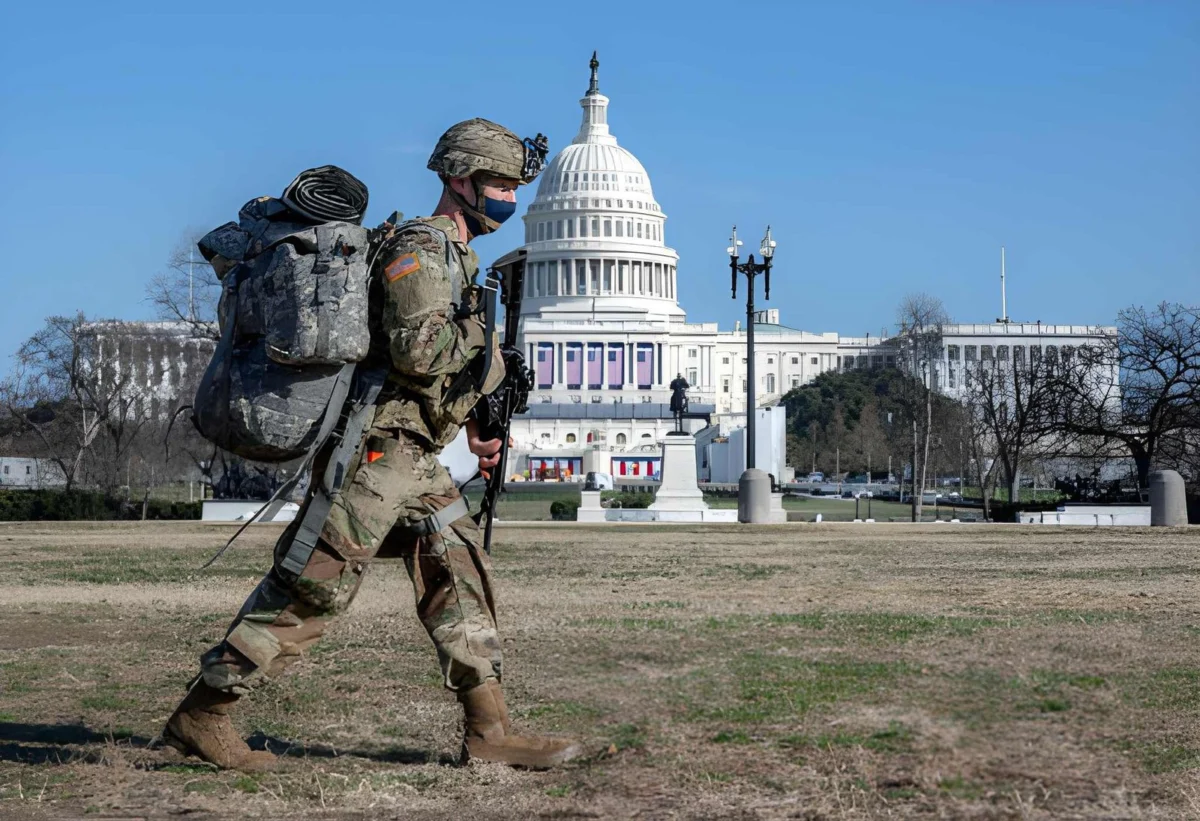
A significant legislative proposal, the "No Tax on Drill Pay Act," has been introduced in the U.S. House of Representatives, aiming to exempt the income earned by National Guard and Reserve members from federal income taxes. This initiative, spearheaded by Representative Andy Barr (R-Ky.), seeks to acknowledge and alleviate the financial burdens faced by over 800,000 service members who dedicate their time and skills to national security while often maintaining civilian careers. The bill, officially designated as House Bill 7897 in the 119th Congress, proposes a straightforward yet impactful change that could resonate deeply within the military community and potentially bolster recruitment and retention efforts.
The core of the proposed legislation is the recognition of the unique service commitment undertaken by Guard and Reserve personnel. These individuals typically serve one weekend a month, engaging in readiness activities and training, alongside annual training periods. While they receive compensation for this service, it is currently subject to federal income tax. The "No Tax on Drill Pay Act" aims to remove this tax burden, ensuring that the full amount of their drill pay remains with the service members and their families.
Representative Barr articulated the rationale behind the bill in a public statement, emphasizing its potential to "boost recruitment and retention, strengthen military readiness, and continue our commitment to treating our military better than any in the world." This sentiment underscores a broader objective: to demonstrate tangible appreciation for the sacrifices made by these citizen-soldiers and airmen. The financial impact of military service, especially for those juggling civilian employment and family responsibilities, can be substantial. Exempting drill pay could provide much-needed financial relief, making military service a more attractive and sustainable option.
Joining Representative Barr as original cosponsors are Representatives Max Miller (R-Ohio) and Zach Nunn (R-Iowa). Their support highlights a bipartisan recognition of the importance of the National Guard and Reserves. Representative Nunn specifically addressed the financial strain experienced by Guardsmen and their families in his home state of Iowa. "I hear from Iowa Guardsmen and their families about the financial strain that comes with that commitment, and this bill is a straightforward fix: exempt drill pay from federal income taxes so more of that money stays with the families who earned it," Nunn stated. This direct feedback from constituents provides a compelling human element to the legislative push, illustrating the practical benefits the bill aims to deliver.
The introduction of the "No Tax on Drill Pay Act" comes at a time when the U.S. military is increasingly reliant on the capabilities and flexibility of its reserve components. The National Guard and Reserves play a critical role in domestic response, disaster relief, and overseas deployments, often serving as a vital extension of active-duty forces. Their ability to maintain a high level of readiness is paramount to national security, and any measure that supports their well-being and commitment is likely to be viewed favorably by military leadership and defense policymakers.
Background and Context of Reserve and Guard Service
The concept of a reserve military force in the United States dates back centuries, evolving from colonial militias to the modern National Guard and Reserve components of each branch of the armed forces. These forces are designed to provide a readily available pool of trained personnel who can be mobilized to augment active-duty forces during times of conflict or national emergency. Unlike active-duty service members who are full-time military professionals, Guard and Reserve members typically maintain civilian employment or pursue education while fulfilling their military obligations.
This dual role presents unique challenges. Service members in these components are often called upon for extended periods of training, deployments, and immediate responses to domestic crises. The "drill pay" they receive is compensation for their time spent in these reserve capacities. While it is a form of income, its nature is distinct from regular civilian wages, as it is earned through intermittent but crucial periods of military duty. Historically, discussions around compensating reserve component members have often centered on ensuring their pay is equitable and reflects the commitment required.
The current legislative proposal can be seen as an evolution of these discussions, moving beyond mere compensation to address the tax implications of that compensation. By proposing to exempt drill pay from federal income taxes, lawmakers are signaling a desire to offer a more direct financial benefit that can significantly impact the disposable income of these service members. This is particularly relevant given that many Guard and Reserve members are in entry-level or mid-career civilian positions, where every dollar can make a difference in managing household budgets.
Chronology of the Legislative Push
The introduction of House Bill 7897 marks a significant step in the advocacy for tax relief for Guard and Reserve members. While the specifics of the legislative process are ongoing, the timeline leading up to this point likely involved extensive research, consultation with military organizations, and discussions among lawmakers.
- Prior Advocacy: For years, various veteran and military advocacy groups have highlighted the financial burdens faced by Guard and Reserve members, including the impact of taxes on their service pay. These discussions have likely informed the current legislative effort.
- Bill Introduction: House Bill 7897 was formally introduced in the 119th Congress, signifying the official commencement of its legislative journey. This introduction is often preceded by extensive drafting and consultation with relevant stakeholders.
- Sponsorship and Cosponsorship: The bill’s introduction was accompanied by its sponsorship by Representative Andy Barr and the addition of original cosponsors like Representatives Max Miller and Zach Nunn. This initial support is crucial for building momentum and demonstrating broader interest in the legislation.
- Committee Review: Following introduction, the bill will typically be referred to relevant congressional committees for review, hearings, and potential amendments. These committees might include the House Armed Services Committee or the House Ways and Means Committee, given the bill’s nature.
- Floor Debate and Vote: If the bill successfully navigates the committee process, it will proceed to the House floor for debate and a vote. Similar processes would then occur in the Senate if the bill passes the House.
- Presidential Signature: For the bill to become law, it must be passed by both the House and the Senate and then signed by the President.
The swiftness with which this bill gains traction will depend on various factors, including the legislative calendar, the level of bipartisan support, and the ongoing advocacy efforts from military organizations and the public.
Supporting Data and Potential Impact
While specific economic impact studies for House Bill 7897 are likely still being developed, understanding the scope of the National Guard and Reserve forces provides a basis for assessing its potential reach. According to the Department of Defense, the U.S. Army National Guard comprises approximately 330,000 members, the Air National Guard around 108,000, the Army Reserve about 180,000, and the Navy Reserve, Marine Corps Reserve, and Air Force Reserve account for tens of thousands more each. This brings the total number of individuals who could potentially benefit from the "No Tax on Drill Pay Act" to well over 800,000, as stated by Representative Barr.
The average annual income from drill pay can vary significantly based on rank, years of service, and the specific training conducted. However, for many junior enlisted members and junior officers, drill pay represents a significant portion of their overall military compensation. Exempting this income from federal taxes could translate into hundreds or even thousands of dollars in annual savings per service member.
Illustrative Example (Hypothetical):
Consider a junior enlisted member in the National Guard who earns an average of $400 per month in drill pay. This amounts to $4,800 annually. If this individual is in a federal income tax bracket of 12%, the annual tax liability on this drill pay would be approximately $576. While this might seem like a modest sum, for a family managing tight finances, this $576 could be allocated to essential expenses, savings, or educational pursuits. On a larger scale, the cumulative savings for over 800,000 service members would represent a substantial injection of disposable income back into their households and local economies.
The potential impact extends beyond individual savings:
- Recruitment and Retention: Financial incentives are often key drivers for individuals considering military service. The "No Tax on Drill Pay Act" could make joining or remaining in the Guard and Reserves more appealing, potentially alleviating recruitment challenges and reducing attrition rates. This is particularly important as the military faces ongoing personnel challenges.
- Military Readiness: A stable and motivated force is a ready force. By reducing financial stress on service members, the bill could contribute to improved morale and focus, leading to better performance during training and operations. This, in turn, enhances overall military readiness.
- Economic Stimulus: The savings realized by Guard and Reserve members are likely to be spent within their local communities, providing a direct economic stimulus. This could support small businesses and contribute to local economic growth.
Broader Implications and Related Legislative Efforts
The proposed federal legislation is not an isolated initiative. States are also recognizing the importance of providing tax relief to their National Guard and Reserve members. For instance, the article mentions a bill working its way through the Alabama Legislature that seeks to exempt the first $5,000 of drill pay from state income taxes for Alabama National Guard members. This suggests a growing trend at both federal and state levels to address the financial considerations of military service.
The "No Tax on Drill Pay Act" also aligns with broader efforts to support military families. These families often bear the brunt of military service, facing frequent deployments, frequent moves, and the challenges of dual-career households. Measures that ease financial burdens are often viewed as direct support for these families.
Analysis of Implications:
The potential success of this bill could set a precedent for further legislative action aimed at improving the compensation and benefits for reserve component members. It could also spark discussions about other forms of military pay and benefits that might be subject to taxation and could benefit from similar relief.
However, potential challenges and considerations for the bill include:
- Fiscal Impact: Any tax exemption will have a fiscal impact on the federal budget. Lawmakers will need to consider how to offset these revenue losses, perhaps through other adjustments or by prioritizing this benefit given its perceived importance.
- Scope of Exemption: The current proposal focuses on "drill pay." Future discussions might explore whether other forms of reserve component compensation, such as special duty pay or certain types of training allowances, should also be considered for tax relief.
- Bipartisan Support: While initial cosponsors are from the Republican party, sustained bipartisan support will be crucial for the bill’s passage through both chambers of Congress.
The introduction of the "No Tax on Drill Pay Act" represents a significant step in acknowledging the invaluable service of National Guard and Reserve members. By proposing to exempt their drill pay from federal income taxes, lawmakers aim to provide tangible financial relief, enhance military readiness, and strengthen the commitment to supporting those who serve in critical reserve capacities. The bill’s journey through Congress will be closely watched by service members, their families, and military advocacy organizations nationwide.