admin
admin
The Bedrock of Consent: Voluntary vs. Mandatory Deductions
The necessity of a payroll deduction authorization form hinges on a fundamental distinction within payroll management: the categorization of deductions into mandatory and voluntary. This classification dictates not only the legal requirements but also the operational procedures employers must follow to remain compliant and avoid legal pitfalls.
Mandatory Deductions: A Legal Obligation
Mandatory deductions are those that employers are legally compelled to withhold from an employee’s pay. These are not subject to employee consent via an authorization form, as their basis is statutory or court-ordered. Key examples include:
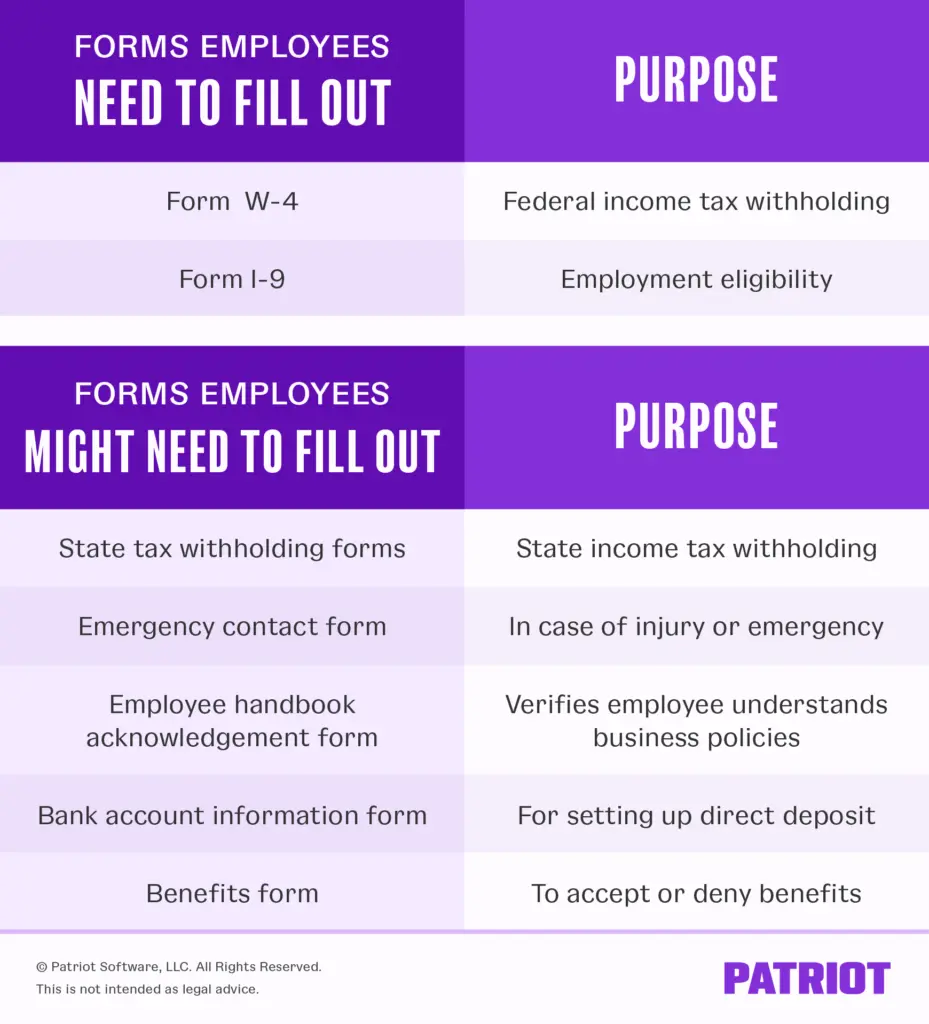
- Federal, State, and Local Income Taxes: These are statutory requirements, with withholding amounts determined by tax tables and employee-submitted W-4 forms (federal) or equivalent state forms. The employee’s signature on a W-4 form authorizes the employer to withhold, but it’s not a deduction authorization form in the same vein as for voluntary deductions.
- FICA Taxes (Social Security and Medicare): These are also statutory, funding federal social insurance programs, and employers are legally required to withhold the employee’s portion.
- Court-Ordered Garnishments: These include child support, alimony, or creditor garnishments, mandated by court orders. Employers receive legal directives to withhold these amounts, and employee consent is neither sought nor required.
- Wage Levies: Issued by tax authorities (e.g., IRS), these demand withholding to satisfy unpaid tax obligations.
The employer’s role in mandatory deductions is one of an agent, enforcing legal obligations. Failure to withhold these amounts can result in significant penalties for the employer from relevant governmental or judicial bodies.
Voluntary Deductions: The Employee’s Choice
In stark contrast, voluntary deductions are those that an employee willingly elects to have withheld from their pay. These deductions directly benefit the employee or, in some cases, the employer, but critically, they require the employee’s explicit, written consent captured through a payroll deduction authorization form. Without this signed document, any such deduction is considered unauthorized and potentially illegal. Common voluntary deductions include:
- Health, Dental, and Vision Insurance Premiums: Contributions toward employee-sponsored benefit plans.
- Retirement Plan Contributions: Such as 401(k), 403(b), or Roth IRA contributions.
- Loan or Advance Repayments: For funds borrowed from the employer.
- Uniforms or Equipment: Deductions for the cost of company-provided items, where permitted by state law.
- Charitable Donations: Contributions to workplace giving campaigns.
- Union Dues: Payments to labor organizations.
- Life Insurance Premiums: For supplemental coverage.
- Flexible Spending Accounts (FSAs) and Health Savings Accounts (HSAs): Employee contributions to these tax-advantaged accounts.
- Parking or Transportation Subsidies: Employee share of costs.
The authorization form for these deductions serves as verifiable proof that the employee has agreed to the terms, amount, and purpose of the withholding. This protects the employer from claims of unlawful wage deductions and ensures compliance with wage and hour laws. The absence of such a form for a voluntary deduction can expose an employer to back wage claims, fines, and reputational damage.
Historical Context: The Evolution of Wage Protection Laws
The stringent requirements surrounding payroll deductions, particularly the emphasis on employee consent, are not arbitrary. They are deeply rooted in the history of labor movements and the evolution of wage protection laws designed to safeguard workers from exploitative practices prevalent in earlier industrial eras.
The Fair Labor Standards Act (FLSA) and its Genesis
The cornerstone of federal wage and hour law in the United States is the Fair Labor Standards Act (FLSA) of 1938. Enacted during the Great Depression, a period marked by widespread economic hardship and often exploitative labor conditions, the FLSA sought to establish minimum wage, overtime pay, recordkeeping, and child labor standards. A crucial, though often less highlighted, aspect of the FLSA is its implicit protection against unauthorized or unreasonable deductions that would reduce an employee’s effective wage below the federal minimum wage or erode their overtime compensation.
Before the FLSA, employers often engaged in practices such as deducting for tools, damaged goods, or company housing, sometimes leaving workers with little to no take-home pay. The FLSA’s "free and clear" wage principle — that wages must be paid "free and clear" of any deductions that primarily benefit the employer and reduce wages below the minimum or overtime thresholds — became a foundational element. This principle necessitated the development of clear consent mechanisms, like the payroll deduction authorization form, to distinguish legitimate, employee-benefiting deductions from those that could be construed as circumventing wage laws. The act’s provisions, enforced by the U.S. Department of Labor (DOL), mandated transparency and accountability in wage payments.
State-Level Nuances and Worker Protections
While the FLSA provides a federal baseline, many states have enacted their own wage and hour laws that often offer broader or more specific protections for employees regarding deductions. These state laws can significantly impact the requirements for payroll deduction authorization forms. For instance, some states go beyond federal requirements by:
- Requiring written consent for a wider range of deductions: Even for certain deductions that federal law might not explicitly mandate a form for.
- Specifying the language or content of the authorization form: Dictating what must be included to ensure clarity and full understanding by the employee.
- Prohibiting certain types of deductions altogether: Such as deductions for cash shortages, damaged property, or tools, even with employee consent, if it is deemed to benefit the employer primarily or reduce wages below the minimum.
- Setting limits on the percentage of wages that can be deducted: To ensure employees always receive a livable wage.
California, New York, and Pennsylvania are examples of states with notably stringent wage deduction laws, often requiring explicit written consent for deductions related to employee negligence or loss, and sometimes prohibiting them entirely. This patchwork of regulations underscores the importance for employers to not only comply with federal law but also meticulously review and adhere to the specific statutes in every state where they operate. The "least common denominator" principle often applies, meaning employers must follow the stricter of federal or state laws.
Anatomy of an Authorization: Essential Components of the Form
A well-crafted payroll deduction authorization form is more than just a piece of paper; it is a legally binding agreement that details the terms of a wage deduction. To be effective and legally sound, it must contain specific, unambiguous information that protects both parties.
Key Data Points for Employer and Employee
The form should clearly identify the parties involved:
- Company Name and Contact Information: Full legal name of the employer, ensuring clarity.
- Employee Name: Full legal name of the employee authorizing the deduction.
- Employee Identification: Often includes employee ID number or, less commonly, the last four digits of their Social Security Number (SSN) for secure identification, while protecting privacy.
- Department/Position: Helps in internal record-keeping and processing, especially in larger organizations.
- Date of Authorization: Establishes when the consent was given, which is crucial for compliance, as consent must always precede the deduction.
Specifying the Deduction: Amount, Frequency, and Purpose
The core of the authorization form lies in the precise detailing of the deduction itself:
- Type of Deduction: Clearly state the category, e.g., "Health Insurance Premium," "401(k) Contribution," "Company Loan Repayment."
- Purpose: Provide a concise but specific explanation of what the deduction is for. For instance, instead of just "Loan," specify "Repayment of Employee Advance for Relocation Expenses." This clarity prevents ambiguity and potential disputes.
- Amount per Pay Period: Specify the exact dollar amount (e.g., "$150.00") or a clear percentage (e.g., "5%") of gross wages. This must be unambiguous.
- Frequency: Indicate how often the deduction will occur (e.g., "Per pay period," "Bi-weekly," "Monthly").
- Start Date: The exact date when the deduction will commence. Crucially, this date must be after the date the form is signed.
- End Date (if applicable): For deductions with a finite term, such as loan repayments or contributions to a specific one-time purchase, the end date or a condition (e.g., "until loan balance of $X is paid") should be included.
- Total Amount (if applicable): For finite deductions, specifying the total amount to be deducted ensures transparency and prevents over-deduction.
The Authorization Clause: Consent, Revocation, and Final Pay
This section forms the legal backbone of the document:
- Explicit Consent Statement: A clear declaration by the employee that they understand and authorize the specified deduction. For example, "I, [Employee Name], hereby authorize [Company Name] to deduct the amount listed above from my paycheck."
- Voluntary Acknowledgment: An explicit statement confirming the deduction is voluntary, not mandatory.
- Revocation Terms: Outline the process and notice period required for the employee to revoke the authorization. This typically involves a written request and a reasonable notice period (e.g., "I can cancel this deduction in writing with 10 days’ notice"). This right of revocation is a fundamental protection for employees regarding voluntary deductions.
- Final Pay Provisions: Address how any outstanding balances related to the deduction (e.g., loan repayment) will be handled upon termination of employment, clearly stating that such amounts may be withheld from the final paycheck, as permitted by law. This "as permitted by law" clause is crucial, as state laws vary widely on what can be deducted from a final paycheck.
- Employee Signature and Date: The employee’s physical or legally compliant digital signature, along with the date of signing, authenticates the consent.
Employers must retain a copy of the signed form for their records and provide a copy to the employee. This practice ensures both parties have access to the agreed-upon terms, facilitating transparency and mitigating potential disputes. Any changes to the deduction’s amount, purpose, or frequency typically require a new, signed authorization form.
Navigating the Legal Landscape: Federal and State Regulations
The legal framework governing payroll deductions is complex, requiring employers to navigate both federal and state regulations meticulously. Non-compliance can lead to severe penalties, including back wages, fines, and legal action.
Federal Oversight: The Department of Labor’s Role
The primary federal law impacting payroll deductions is the FLSA. While it doesn’t explicitly mandate a deduction authorization form for every type of voluntary deduction, its "free and clear" wage principle implicitly requires consent for deductions that are primarily for the benefit of the employer. For example, if an employer requires an employee to pay for uniforms or tools, and deducting the cost would bring the employee’s wages below the minimum wage or reduce their overtime pay, such a deduction is generally impermissible. If it doesn’t drop below minimum wage, written consent is still highly advisable and often implicitly required by FLSA interpretations for employer-benefiting deductions.
The Department of Labor (DOL) is responsible for enforcing the FLSA and issues interpretative guidance and regulations that elaborate on these principles. DOL investigations often focus on whether employees received their full wages, "free and clear," and whether any deductions were properly authorized and did not violate minimum wage or overtime provisions.
State Specificity: Beyond Federal Minimums
State laws often impose stricter requirements than the FLSA, particularly regarding what types of deductions are permissible and the necessity of written consent. These variations necessitate that employers operating in multiple states maintain a comprehensive understanding of each jurisdiction’s specific statutes.
- Written Consent Mandates: Many states explicitly require written consent for all voluntary deductions, regardless of whether they impact minimum wage.
- Prohibited Deductions: Some states outright prohibit deductions for certain items, such as cash shortages, damaged property, or tools, even with employee consent. For example, Massachusetts generally prohibits deductions for cash shortages or damaged property, while New York has very strict rules regarding deductions for employer-provided benefits that are rescinded.
- Specific Form Requirements: A handful of states might even dictate the exact language or format of the authorization form for certain deductions.
- Impact on Final Pay: State laws vary significantly on what can be deducted from an employee’s final paycheck, especially for items like unreturned company property or outstanding loan balances. In some states, such deductions are only permissible if explicitly authorized in writing and only if they do not reduce the final pay below a certain threshold.
Employers must always consult the laws of the state(s) in which their employees work. If a state law provides greater protection to the employee than federal law, the state law typically prevails.
The "Free and Clear" Principle and its Challenges
The FLSA’s "free and clear" principle means that the employee must receive their full wages without any deductions that are primarily for the benefit of the employer, if those deductions reduce the employee’s pay below minimum wage or cut into overtime earnings. This principle is often tested in situations involving:
- Uniforms: If uniforms are required by the employer and are not standard street wear, the cost cannot reduce an employee’s wages below minimum wage.
- Tools and Equipment: Similarly, if tools are necessary for the job and the employer requires employees to pay for them, the cost cannot reduce wages below minimum wage.
- Cash Shortages or Breakage: Deductions for cash register shortages or damaged merchandise are generally problematic under the FLSA if they reduce wages below minimum wage, and many states prohibit them entirely or require explicit written consent.
The challenge for employers is to correctly identify when a deduction is truly for the employee’s benefit versus primarily for the employer’s benefit, and to ensure that even authorized deductions do not violate minimum wage or overtime requirements. This complexity underscores the importance of legal counsel when establishing deduction policies.
Operational Excellence: Best Practices for Employers
Effective management of payroll deduction authorization forms is not merely about compliance; it’s about establishing operational excellence that fosters trust, reduces administrative burden, and mitigates legal risks.
Proactive Collection and Regular Review
- Onboarding and Open Enrollment: Collect signed authorization forms during critical junctures such as employee onboarding (for initial benefits, direct deposit) and annual open enrollment periods (for health plans, retirement contributions). This ensures consent is obtained before any deductions commence.
- Timeliness: Ensure the signed form is on file before the first deduction is made. A post-dated authorization or a deduction made prior to receiving the form is a compliance violation.
- Re-authorization: Any change to a voluntary deduction — whether it’s the amount, frequency, purpose, or even a change in the benefit provider — necessitates a new, signed authorization form. This ensures ongoing consent and accuracy.
- Annual Review: Conduct an annual review of all active voluntary deductions and their corresponding authorization forms. This helps identify outdated forms, deductions that should have ended, or discrepancies.
The Role of Technology in Payroll Management
Modern payroll software plays a crucial role in streamlining the management of deductions:
- Automated Tracking: Advanced payroll systems can automatically track deduction amounts, frequencies, and limits (e.g., maximum 401(k) contribution for the year), ensuring accuracy and preventing over-deduction.
- Electronic Authorization: Many systems integrate electronic signature capabilities, compliant with the federal ESIGN Act and state Uniform Electronic Transactions Acts (UETA), making the authorization process efficient and paperless.
- Record Keeping: Digital payroll systems provide a secure, centralized repository for all authorization forms, ensuring easy retrieval for audits and compliance checks. They also often automate retention schedules.
- Integration: Payroll software often integrates with HRIS (Human Resources Information Systems) and benefits administration platforms, allowing for seamless data flow and reducing manual data entry errors.
Record Keeping and Compliance Audits
- Retention Period: Employers must retain payroll records, including deduction authorizations, for at least three years under the FLSA, and records of wage deductions for at least two years. Many states require longer retention periods, so employers should follow the longer of federal or state requirements, often five to seven years for general employment records.
- Accessibility: Forms must be stored in a manner that allows for easy retrieval during internal reviews or external audits by regulatory bodies like the DOL or state labor departments.
- Confidentiality: Given that these forms contain sensitive employee information, they must be stored securely, protecting privacy in compliance with data protection regulations.
- Audit Trail: Maintain a clear audit trail for all deductions, linking each withholding to a signed authorization form. This is invaluable during a compliance audit to demonstrate due diligence and adherence to legal requirements.
Addressing Common Queries and Complex Scenarios
The practical application of payroll deduction authorization forms often raises specific questions and presents complex scenarios that require careful consideration.
Employee Rights: Revocation and Consent Withdrawal
- Right to Revoke: Employees generally have the right to revoke a payroll deduction authorization for voluntary deductions. This revocation must typically be submitted in writing.
- Effective Date: The employer should cease the deduction as soon as administratively feasible after receiving written revocation, adhering to any notice period specified in the original authorization form.
- Mandatory Deductions: Employees cannot revoke mandatory deductions like taxes or court-ordered garnishments, as these are legal obligations.
Contested Deductions: Shortages, Damages, and Legal Limits
- Cash Shortages/Damaged Equipment: Deducting pay for cash shortages or damaged equipment is a high-risk area. While federal law permits such deductions if they don’t reduce a non-exempt employee’s pay below minimum wage or impact overtime, many states have stricter rules. Some states require explicit written consent for these deductions, while others prohibit them outright, viewing them as attempts to shift business costs to employees. Employers must check state-specific laws meticulously before attempting such deductions.
- Overpayment Recovery: If an employee has been overpaid, recovery through payroll deduction can be complex. While an employer generally has the right to recover overpayments, the method and consent requirements vary by state. Some states require written authorization for such deductions, while others may allow it without consent but only under specific conditions (e.g., within a certain timeframe, not reducing wages below minimum wage).
The Digital Age: Electronic Signatures and Record Retention
- Validity of Digital Signatures: The federal Electronic Signatures in Global and National Commerce (ESIGN) Act generally grants electronic signatures the same legal validity as handwritten ones. Most states also recognize electronic signatures under the Uniform Electronic Transactions Act (UETA). Employers can typically use digital signatures for payroll deduction authorization forms, provided the system used ensures the signature’s authenticity, integrity, and intent to sign.
- Electronic Record Keeping: Storing forms electronically is permissible and often more efficient, provided the records are accurate, accessible, and maintained in a secure, unalterable format for the required retention period.
Prioritizing Deductions: When Paychecks Fall Short
In rare instances, an employee’s gross pay might be insufficient to cover all authorized deductions. When this occurs, a clear hierarchy must be followed:
- Legally Required Deductions: Federal, state, and local income taxes, FICA taxes, and court-ordered garnishments (child support, levies) take precedence.
- Voluntary Deductions: After mandatory deductions, the employer should follow an established policy for prioritizing voluntary deductions. This policy should be communicated to employees. Common practices include prioritizing health insurance premiums, then retirement contributions, followed by other voluntary deductions. Some voluntary deductions may be carried over to the next pay period if not fully covered.
A transparent policy for deduction prioritization is essential to prevent confusion and ensure fairness.
Implications and Broader Impact
The meticulous management of payroll deduction authorization forms has far-reaching implications, extending beyond mere compliance to shape employer-employee relations, financial stability, and operational efficiency.
Mitigating Legal and Financial Risks
For employers, robust management of these forms is a primary defense against costly legal challenges. Unauthorized deductions can lead to:
- Wage Claims: Employees can file complaints with state labor departments or the U.S. Department of Labor, leading to investigations and orders to pay back wages, often with interest and penalties.
- Lawsuits: Class-action lawsuits can arise from systemic unauthorized deduction practices, resulting in significant financial settlements and legal fees.
- Fines and Penalties: Regulatory bodies can impose substantial fines for non-compliance with wage and hour laws.
- Reputational Damage: Negative publicity from wage disputes can harm an employer’s brand, affecting recruitment and employee morale.
By ensuring every voluntary deduction is traceable to a signed, valid authorization form, employers significantly reduce their exposure to these risks.
Fostering Transparency and Trust
The process of obtaining and managing authorization forms is inherently about transparency. When employees clearly understand what is being deducted from their pay, why, and with their explicit consent, it builds trust in the employer-employee relationship. This transparency is vital for:
- Employee Financial Planning: Clear deduction information allows employees to budget effectively and understand their net pay.
- Employee Engagement: Feeling respected and fairly treated regarding compensation contributes to higher employee satisfaction and engagement.
- Reduced Disputes: Clear documentation minimizes misunderstandings and disputes regarding paychecks.
The Evolving Landscape of Work and Wages
The world of work is continually evolving, with trends like remote work, the gig economy, and increasingly diverse benefits packages. These trends can introduce new complexities for payroll deductions:
- Multi-State/International Deductions: Managing deductions for employees working across different states or even countries requires adherence to multiple, often conflicting, legal frameworks.
- Flexible Benefits: As benefit offerings become more customizable (e.g., wellness programs, student loan repayment assistance), the need for clear, adaptable authorization processes grows.
- Digitization: The ongoing shift towards fully digital HR and payroll systems will continue to refine how authorizations are obtained, stored, and managed, emphasizing security and accessibility.
In conclusion, the payroll deduction authorization form stands as a fundamental pillar of fair labor practices and transparent compensation. It is a testament to the legal protections afforded to workers and a critical tool for employers to ensure compliance, foster trust, and maintain operational integrity. Mastering the nuances of its application, from understanding legal requirements to implementing best practices in management, is not merely an administrative task but a strategic imperative for any organization committed to ethical and lawful employment.