Lina Irawan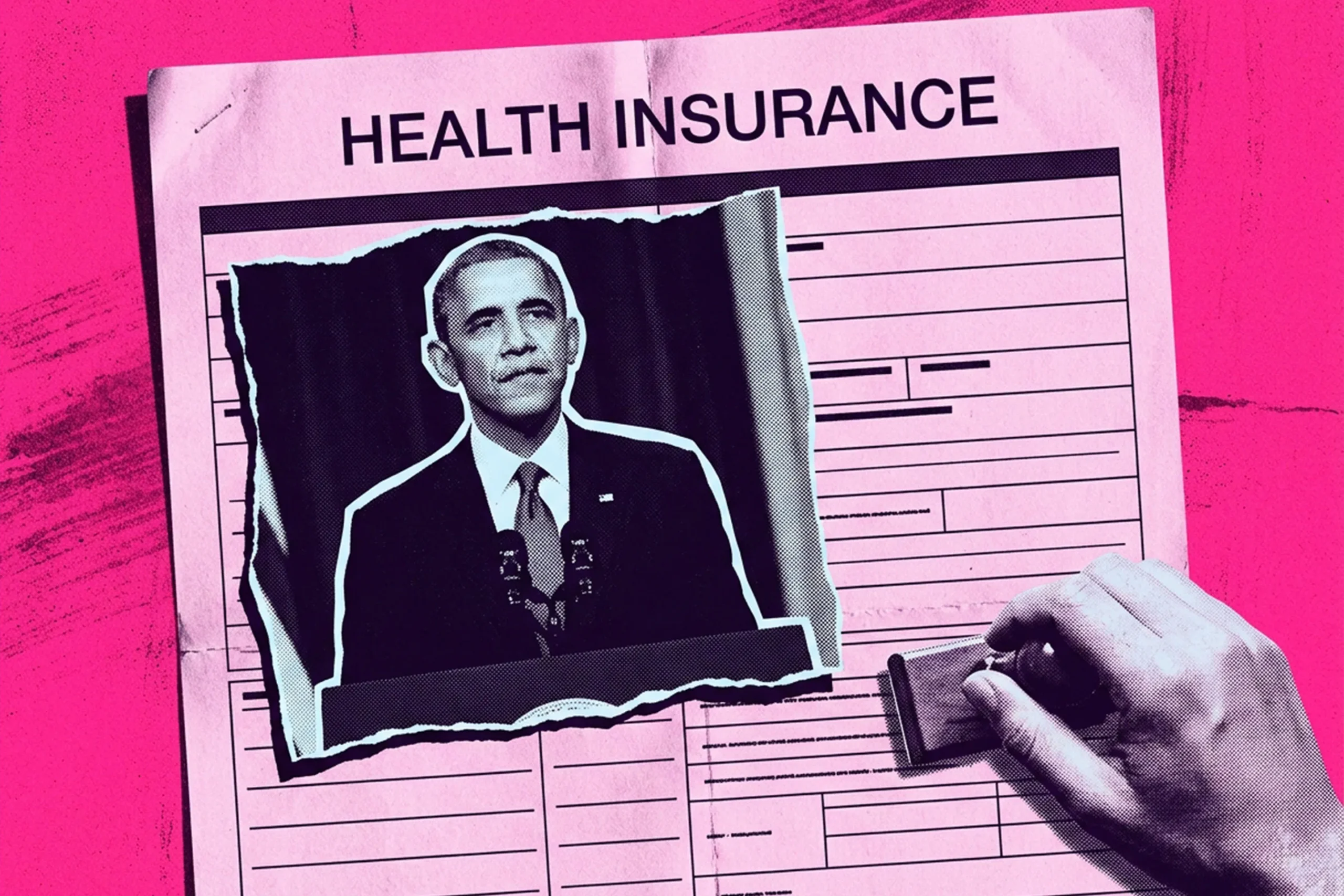
President Donald Trump has announced a plan to distribute $500 "refunds," commencing in October, to approximately 1 million individuals currently enrolled in health insurance plans through the Affordable Care Act (ACA) marketplace. This move, framed by the White House as a rectification for alleged overcharges under a previous administration, has immediately ignited political debate, particularly given its timing in the run-up to the crucial midterm elections.
The White House Rationale: A Surplus of User Fees
According to a fact sheet released by the White House, the administration asserts that ACA enrollees in 30 states were subjected to excessive user fees under the Biden administration. These fees, collected from insurers operating within the federal health insurance marketplace, Healthcare.gov, are purportedly "far in excess of what was needed to run the exchange." The White House claims this has resulted in a significant surplus, which can now be returned directly to consumers in the form of these $500 checks.
"Today’s actions directly refund the Americans most exposed to the higher costs imposed by the Biden Administration’s gross mismanagement of Obamacare," the White House statement declared, aiming to position the refunds as a direct response to rising healthcare premiums. A video message posted by President Trump on social media further suggested that these refunds would be automatically mailed to eligible recipients, providing relief to those who experienced higher health care premiums this year following the expiration of enhanced tax credits. These federal subsidies had previously lowered health insurance costs for millions of ACA enrollees between 2021 and 2025.
Chronology of the Announcement and Related Initiatives
The news of the $500 refund plan first surfaced through an Axios report on September 9, 2026. This revelation coincided with another significant financial promise made by President Trump on the same day during a convention speech: a pledge to send $5,000 dividend checks to "every adult" should Republicans maintain control of both the House and Senate in the upcoming midterm elections. The proximity of these two distinct financial proposals quickly drew criticism from Democratic lawmakers, who accused the White House of engaging in an attempt to influence voters through direct payments.
The alleged "overcharges" leading to the purported surplus would have occurred over the preceding years, as user fees are collected on an ongoing basis from participating insurers. The decision to disburse these funds in October places the initiative squarely within the pre-election campaign period, intensifying scrutiny over its true intent. The expiration of enhanced tax credits in 2025 also serves as a critical backdrop, as it directly led to increased out-of-pocket premium costs for many ACA beneficiaries in 2026, making the promise of a refund particularly resonant for those affected.
Eligibility Criteria: Who Receives the $500 and Who Doesn’t?
While many details regarding the administrative process remain unclear, including whether Congressional approval is required for the disbursement, the White House has outlined specific criteria for eligibility. The refunds are designated for nearly 1 million people residing in 30 states who are insured under the Affordable Care Act and, crucially, do not receive premium assistance.
This particular stipulation has significant implications for the demographic targeted by the refunds. Individuals with incomes exceeding approximately $63,000 annually are typically ineligible for premium assistance, as the federal poverty line threshold for subsidies is generally set at 400% of the poverty line. For a single individual, 400% of the federal poverty line for 2026 would indeed hover around this figure. This means that the $500 checks are primarily directed towards higher earners within the ACA’s customer base – those who paid full, unsubsidized premiums and, according to the White House, absorbed the "excess" user fees.
Critics of the plan have swiftly pointed out this selective eligibility, arguing that the vast majority of ACA enrollees, many of whom rely heavily on federal subsidies to afford their coverage, will receive no benefit from this initiative. The ACA was designed to expand health insurance access, with a significant focus on making coverage affordable for low- and middle-income individuals through a sliding scale of financial assistance. By excluding those who receive premium assistance, the refund plan bypasses millions who are arguably more financially vulnerable.
States Included and Excluded
The eligibility for these refunds is also geographically determined, specifically tied to whether a state utilizes the federal health insurance marketplace, Healthcare.gov, or operates its own state-based exchange. The White House has provided a comprehensive list of states whose residents may be eligible:
- States relying on the federal exchange (Healthcare.gov) and potentially eligible for refunds: Alabama, Alaska, Arizona, Arkansas, Delaware, Florida, Hawaii, Indiana, Iowa, Kansas, Louisiana, Michigan, Mississippi, Missouri, Montana, Nebraska, New Hampshire, North Carolina, North Dakota, Ohio, Oklahoma, Oregon, South Carolina, South Dakota, Tennessee, Texas, Utah, West Virginia, Wisconsin, and Wyoming.
Conversely, residents of states that manage their own health insurance marketplaces are explicitly excluded from this refund program, as the alleged "excess" user fees would not have been collected by the federal government in these jurisdictions. These states include:
- States with their own marketplaces (residents ineligible for these refunds): California, Colorado, Connecticut, Georgia, Idaho, Illinois, Kentucky, Maine, Maryland, Massachusetts, Minnesota, Nevada, New Jersey, New Mexico, New York, Pennsylvania, Rhode Island, Vermont, Virginia, Washington, and Washington, D.C.
This distinction highlights the complex administrative structure of the ACA, where a hybrid system of federal and state-run marketplaces exists, each with its own operational and funding mechanisms.
The Broader Context: ACA Enrollment and Premium Trends
The Affordable Care Act, signed into law in 2010, fundamentally reshaped the American health insurance landscape. Its core objectives included expanding health insurance coverage, regulating the health insurance industry, and making coverage more affordable through subsidies and marketplaces. Despite numerous attempts to repeal and replace it, the ACA remains a cornerstone of the nation’s healthcare system.
In 2026, approximately 23 million Americans selected marketplace coverage, many of whom lack employer-sponsored health insurance and rely on the ACA for their healthcare needs. This substantial enrollment underscores the critical role the marketplaces play for millions of individuals and families. The cost of health insurance premiums has been a persistent concern for consumers, often rising annually due to various factors including medical inflation, administrative costs, and the overall health status of the insured population.
The enhanced tax credits, implemented through the American Rescue Plan Act of 2021 and extended through the Inflation Reduction Act of 2022, significantly boosted affordability by expanding eligibility for subsidies and increasing their generosity. These credits were instrumental in driving record enrollment in the ACA marketplaces from 2021 through 2025. Their expiration at the end of 2025 led to an anticipated and actual increase in premiums for many enrollees in 2026, creating a financial pinch that the White House refund plan seeks to address for a segment of the population. For those who lost their subsidies, the cost of coverage could have jumped by hundreds of dollars per month, making the $500 refund a modest, one-time offset for a specific group.
Reactions and Implications: Political Maneuver or Genuine Relief?
The announcement has been met with immediate and sharp criticism from Democratic leaders and health policy experts. Democrats have largely condemned the plan as a transparent attempt to "buy votes" ahead of the midterms, drawing parallels to the earlier announcement of $5,000 dividend checks. They argue that distributing funds from an alleged "surplus" in such a targeted and politically opportune manner is a misuse of administrative power and a thinly veiled campaign tactic.
Health policy analysts have also raised questions about the legitimacy of the "surplus" claim. They point out that user fees are typically set to cover the operational costs of the federal exchange, including technology, customer service, and oversight. Any "excess" might indicate either an overestimation of operational costs, or a deliberate accumulation, neither of which is a common practice for a user-fee funded system. Furthermore, the legality of the executive branch unilaterally distributing these funds without explicit Congressional appropriation or oversight is likely to be scrutinized. Such a move could face legal challenges from Congress or other interested parties.
Beyond the political and legal dimensions, the plan also sparks debate about fairness and equity. By targeting higher-income ACA enrollees who do not receive subsidies, the administration risks alienating the majority of marketplace consumers who depend on financial assistance. These lower- and middle-income individuals, who also faced premium increases after the expiration of enhanced subsidies, will receive no direct relief from this program, despite often having greater financial need. This selective approach could exacerbate existing divisions within the healthcare debate and within the ACA’s customer base.
The administrative logistics of identifying eligible individuals and distributing nearly 1 million checks within a month also present a significant challenge. Ensuring accuracy and preventing fraud in such a rapid rollout could strain federal resources and potentially lead to delays or errors.
Future Outlook
The "Obamacare refunds" initiative is poised to be a key talking point in the upcoming midterm elections. Its immediate impact will likely be felt more in the political arena than in significantly altering the financial landscape for the vast majority of ACA enrollees. Should the plan proceed as announced, it will represent a novel approach by an administration to directly return funds from a federal healthcare program to a specific subset of its beneficiaries, bypassing traditional legislative processes.
The long-term implications for ACA funding mechanisms and the ongoing political discourse surrounding healthcare reform remain to be seen. Depending on the outcome of the midterms, this action could either be seen as a one-off pre-election maneuver or set a precedent for future executive actions regarding federal program surpluses. As October approaches, all eyes will be on the implementation of these refunds and the reactions from both beneficiaries and political opponents. The debate over who benefits from healthcare policy, and the means by which financial relief is delivered, continues to be a central and highly contested issue in American politics.