Pevita Pearce

Washington State’s groundbreaking 9.9% tax on household incomes exceeding $1 million has successfully navigated its first major electoral challenge, as proponents of Initiative 645 conceded defeat in their bid to repeal the measure. The outcome marks a significant victory for advocates of progressive taxation and signals a continued embrace of revenue-generating policies aimed at funding public services. The concession, formalized on Thursday, comes after Initiative 645 consistently trailed in vote tallies since election night, with approximately 58% of voters opposing the repeal effort.
Brian Heywood, the Redmond hedge fund manager who spearheaded the conservative group Let’s Go Washington and funded the initiative to place the repeal on the ballot, acknowledged the unlikelihood of overcoming the deficit of over 350,000 votes. "While the income tax outcome is not what we hoped for, our fight to protect Washington taxpayers from (Gov.) Bob Ferguson’s continuous cash grab is far from over," Heywood stated in a release. Despite this setback, Heywood’s sentiment suggests ongoing opposition and potential future legal or political challenges.
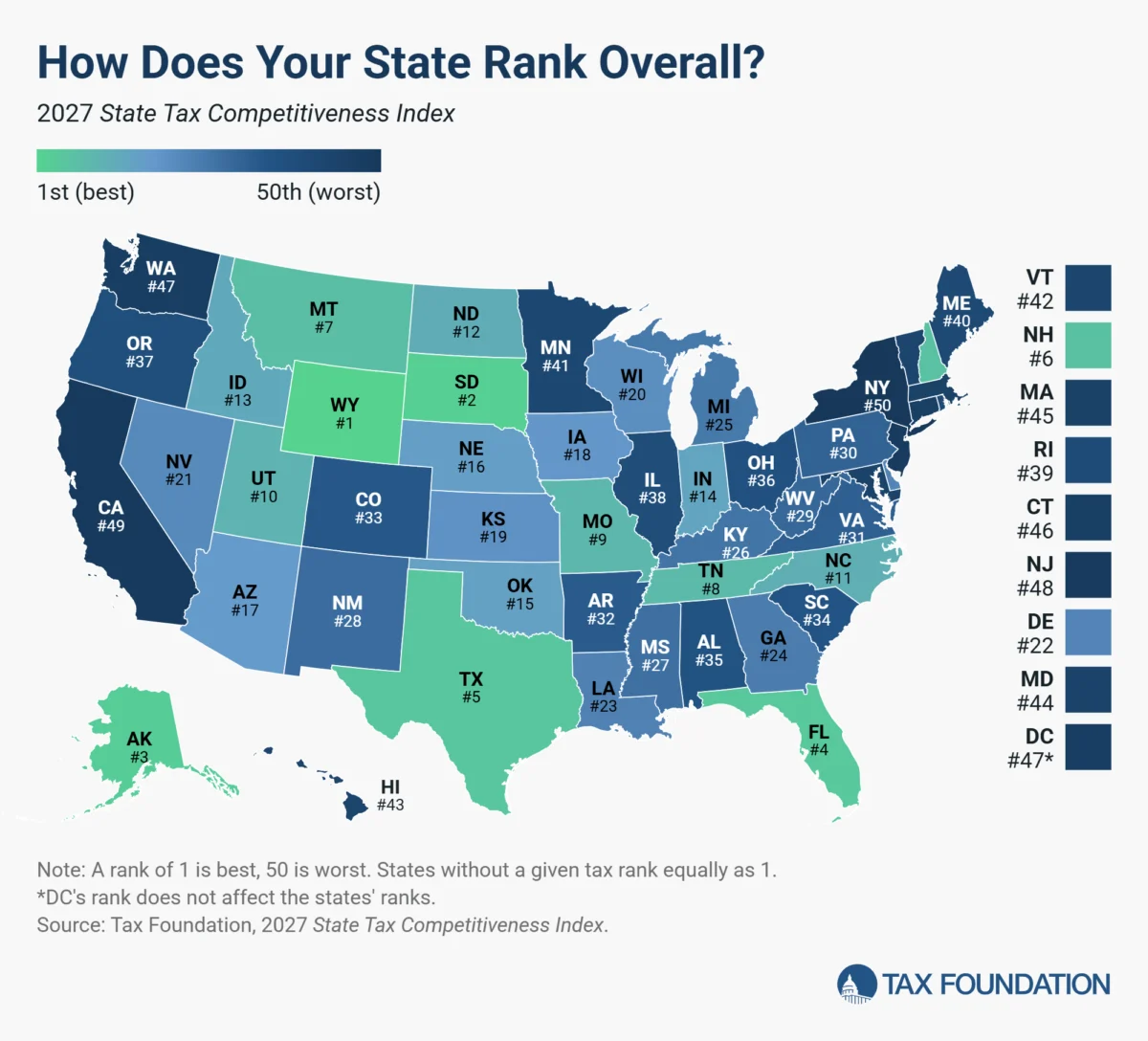
The failed repeal effort clears the path for the high-earner income tax, often referred to as the "millionaires tax," to commence implementation as scheduled. The tax is set to take effect in 2028, with the initial collections anticipated in 2029. This tax represents a substantial shift in Washington’s tax landscape, which has historically relied heavily on sales and property taxes, often criticized for their regressive nature.
Background and Legislative Journey
The genesis of the high-earner income tax traces back to legislative efforts to address widening income inequality and fund critical public services, particularly education and healthcare. After years of debate and several failed attempts, the Democratic-majority Washington State Legislature passed the measure earlier this year. Governor Bob Ferguson, a vocal proponent of the tax, signed it into law in March, a move that immediately galvanized opposition and spurred the initiative petition drive.
The legislative debate was intense, with proponents arguing the tax was a necessary step towards a more equitable tax system and would provide much-needed revenue for schools, infrastructure, and social programs. Opponents, conversely, raised concerns about potential economic impacts, capital flight, and the constitutionality of an income tax in Washington, which has a history of legal battles over such levies.
Timeline of Opposition and Election Results
Following the tax’s enactment, Let’s Go Washington, a coalition funded primarily by wealthy individuals and business interests, launched a robust campaign to gather signatures for Initiative 645. The group successfully qualified the measure for the ballot, setting the stage for a high-stakes electoral contest.
The campaign leading up to the election was characterized by significant financial disparities. The Yes on I-645 campaign, advocating for the repeal, reported raising approximately $3.9 million. This amount was dwarfed by the opposition, primarily funded by public sector unions and advocacy groups supporting the tax, which collectively poured over $13 million into defeating the initiative. This substantial funding difference played a crucial role in shaping the public discourse and outreach efforts on both sides.
Election night results showed Initiative 645 trailing significantly. As the counting progressed, the gap widened, confirming the initial projections. The initiative faced strong opposition in the state’s most populous urban and suburban areas, including King, Pierce, Snohomish, and Spokane counties. Conversely, it garnered more support in the more rural stretches of Central and Eastern Washington, reflecting a broader demographic and ideological divide within the state.
Reactions to the Outcome
The concession by Initiative 645 backers was met with strong reactions from both sides of the debate. Erik Houser, spokesperson for the No on I-645 campaign, declared the election results a "definitive statement from the voters of Washington." He emphasized that voters supported a fairer tax code and rejected what he characterized as attempts by wealthy individuals to avoid contributing their fair share, potentially jeopardizing funding for education, healthcare, and childcare.
Houser further criticized the repeal effort, stating, "Hedge fund mogul Brian Heywood and a few wealthy friends tried to cut their own taxes and put at risk efforts to reform our tax code, including putting at risk meaningful tax breaks for working and middle-class families and for 140,000 small businesses. Voters saw through their fearmongering and said No." This sentiment underscores the narrative that the repeal effort was driven by a desire to protect personal wealth rather than a broader concern for the state’s economic well-being.
On the opposing side, Steve Gordon, a trucking business owner and a leading figure in the Yes on I-645 campaign, expressed disappointment. He noted receiving calls from donors contemplating relocation due to the tax’s affirmation. "There are people leaving now," Gordon stated in an interview. "It’s not the tax itself—it’s stacked on top of all the other things people in this state are fighting." This comment highlights concerns about the cumulative effect of taxes and regulations on businesses and high-net-worth individuals in Washington.
Legal Challenges and Future Implications
While the electoral defeat of Initiative 645 signifies a victory for proponents of the high-earner income tax, the legal battle surrounding the measure is far from over. A lawsuit challenging the constitutionality of the tax, filed by business owners, is currently pending in Klickitat County Superior Court. Legal experts anticipate that this case, and potentially others, will ultimately reach the Washington State Supreme Court.
The state Supreme Court has a history of ruling on income tax matters. In 1930s, it struck down a progressive state income tax. However, the landscape has evolved, and a more recent 2021 ruling by the state Supreme Court upheld a separate 2019 capital gains tax, suggesting a potentially more favorable environment for progressive tax structures. The court’s interpretation of Washington’s constitutional provisions regarding taxation will be critical in determining the ultimate fate of the high-earner income tax.
The implications of the tax’s survival and potential implementation are multifaceted. For public services, it promises a significant new revenue stream. Projections indicate the tax could generate hundreds of millions of dollars annually, which could be allocated to improving public education, expanding healthcare access, bolstering childcare services, and investing in infrastructure projects.
However, concerns about economic repercussions persist. Opponents argue that the tax could disincentivize investment, lead to the departure of high-earning individuals and businesses, and potentially depress economic growth. The long-term impact on Washington’s economic competitiveness and its ability to attract and retain talent remains a subject of ongoing debate and will likely be a key focus for policymakers and business leaders in the coming years.
The outcome of Initiative 645 reflects a broader national trend of increased scrutiny on wealth inequality and a growing appetite for progressive tax policies. As Washington moves forward, the interplay between legislative action, judicial review, and public sentiment will continue to shape the state’s fiscal future and its approach to taxation. The "millionaires tax" has weathered its first significant storm, but its ultimate legacy will be determined by its legal challenges and its tangible impact on the state’s economy and its residents.