Pevita Pearce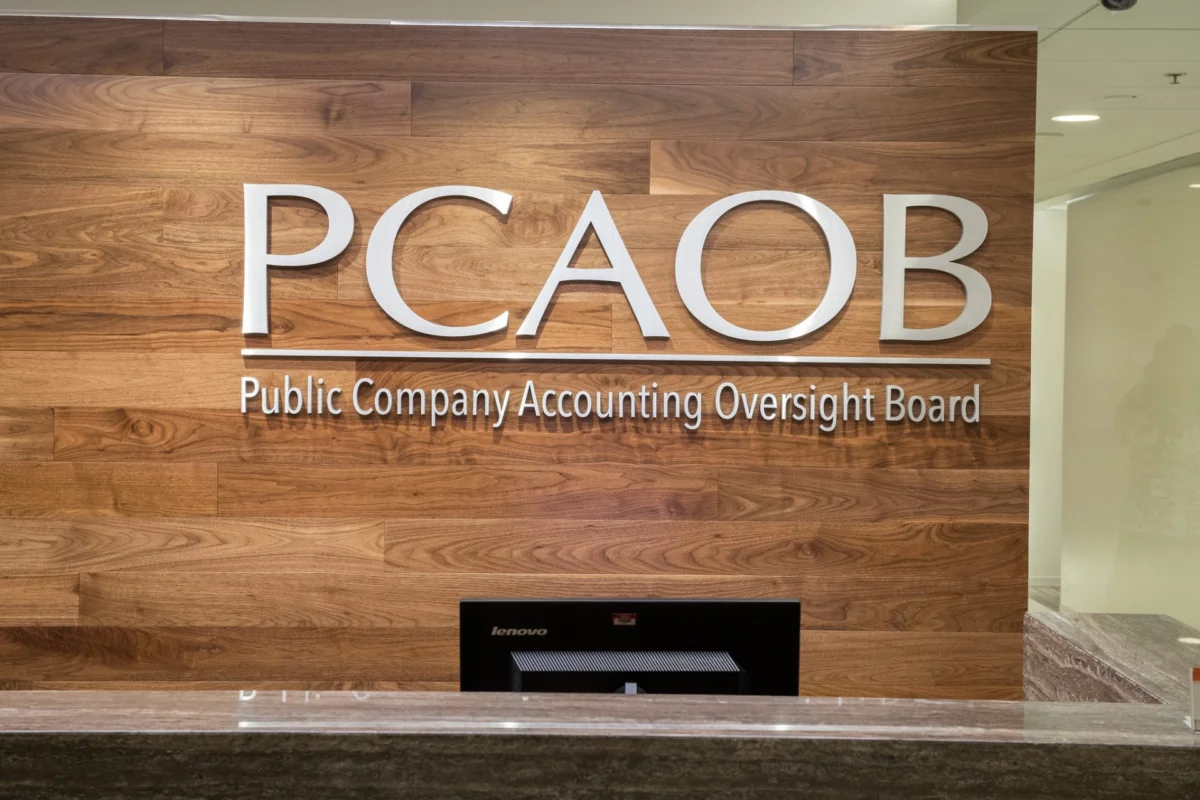
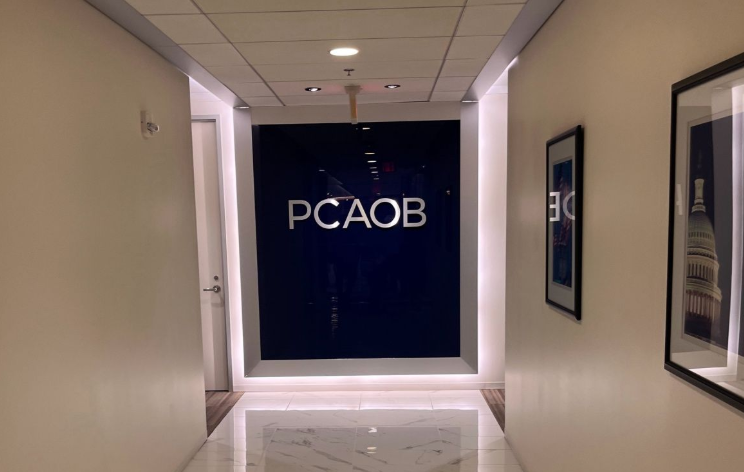
The Public Company Accounting Oversight Board (PCAOB) has unveiled its revised standard-setting, research, and rulemaking agendas, marking a significant step in its ongoing commitment to enhancing audit quality and investor protection. This update, released this week, directly incorporates feedback received from stakeholders during the board’s inaugural public comment period on standard setting, which concluded this past June. The PCAOB’s proactive engagement with the public underscores its dedication to ensuring its priorities are aligned with the evolving needs of the capital markets and the concerns of investors, auditors, and other market participants.
A Collaborative Approach to Standard Setting
PCAOB Chairman Demetrios Logothetis emphasized the vital role of public input in shaping the board’s strategic direction. "Feedback from investors, auditors, academics, and other stakeholders is critical for the PCAOB to fulfill our mission," stated Logothetis in a formal release on September 30. "In this case, it helped inform our updated standard-setting, research, and rulemaking agendas and assisted us in refining our priorities. Under these updated agendas, we will continue to focus our efforts on projects that are practical, responsive to today’s capital markets, and ultimately, advance audit quality and investor protection." This statement highlights a strategic shift towards a more inclusive and responsive rulemaking process, moving beyond traditional closed-door deliberations to embrace a broader spectrum of expert and user perspectives.
The decision to solicit public comment on standard-setting initiatives reflects a broader trend among regulatory bodies to enhance transparency and legitimacy in their rulemaking processes. By opening its doors to external feedback, the PCAOB aims to ensure that its standards are not only technically sound but also practical to implement and relevant to the current economic landscape. This collaborative approach can lead to more effective regulations that are better understood and more readily adopted by the audit profession, ultimately bolstering confidence in the financial reporting ecosystem.
Key Areas of Focus for the PCAOB

The updated standard-setting agenda signals the PCAOB’s intention to tackle complex and emerging issues within the auditing profession. Among the key topics slated for further exploration are:
- Negative Assurance Related to Comfort Letter Engagements: This area addresses the use and implications of comfort letters, particularly concerning statements that auditors do not provide "negative assurance." Comfort letters are typically issued by auditors to underwriters in connection with the sale of securities, providing assurance on certain financial and non-financial information. The PCAOB’s focus here suggests a review of current practices and potential standard updates to clarify auditor responsibilities and the scope of assurances provided.
- Auditor Independence: Maintaining auditor independence is a cornerstone of audit quality. The PCAOB’s continued focus on this area indicates a commitment to scrutinizing the factors that could impair independence and to reinforcing the safeguards necessary to ensure auditor objectivity. This could involve reviewing existing rules or developing new guidance in response to emerging threats to independence, such as complex audit firm structures or evolving service offerings.
- Fraud: The detection and reporting of fraud remain paramount concerns for investors and regulators. The PCAOB’s inclusion of fraud on its agenda suggests a re-evaluation of existing auditing standards related to fraud detection and response. This may involve enhancing requirements for auditors to identify and assess the risks of material misstatement due to fraud, as well as strengthening procedures for responding to identified instances of fraud.
- Noncompliance with Laws and Regulations (NOCLAR): This topic addresses the auditor’s responsibility when they become aware of a company’s noncompliance with laws and regulations. Given the increasing complexity of regulatory environments and the potential for significant financial and reputational consequences, the PCAOB’s attention to NOCLAR is timely. It implies a need for clearer guidance on how auditors should respond to such situations, including reporting obligations and communication with those charged with governance.
- Going Concern: The going concern assumption is fundamental to financial reporting, indicating whether an entity can continue to operate for the foreseeable future. The PCAOB’s focus on this area suggests a review of auditing standards related to the assessment of a company’s ability to continue as a going concern. This may be driven by increased economic volatility or specific industry trends that raise concerns about financial sustainability.
Research Initiatives to Inform Future Standards
Beyond immediate standard-setting, the PCAOB’s research agenda reflects a forward-looking approach, aiming to gather data and insights that will inform future rulemaking and standard revisions. The key areas of research include:
- Data and Technology: The rapid advancement of data analytics, artificial intelligence, and other technologies is transforming the audit landscape. The PCAOB’s research in this area will likely explore how these technologies are being used by auditors, their impact on audit effectiveness, and any associated risks. This research is crucial for developing standards that keep pace with technological innovation and leverage its potential to enhance audit quality.
- Firm and Engagement Performance Metrics: Understanding how audit firms and individual engagements perform is essential for identifying areas of strength and weakness within the profession. The PCAOB’s research into performance metrics could involve developing or refining ways to measure audit quality, such as through inspection results, disciplinary actions, or other indicators. This data can help the board target its oversight efforts more effectively.
- Communications with Audit Committees: Effective communication between auditors and audit committees is vital for strong corporate governance and robust financial reporting. The PCAOB’s research in this area may examine the quality and effectiveness of these communications, seeking to identify best practices and areas where improvements are needed. This could lead to updated standards or guidance on the information that auditors should convey to audit committees and the format and frequency of these discussions.
Rulemaking Project: Permanent Broker-Dealer Inspection Program
In addition to standard-setting and research, the PCAOB’s updated agenda includes a significant rulemaking project: the establishment of a permanent broker-dealer inspection program. This initiative signifies an expansion of the PCAOB’s oversight responsibilities, extending its reach beyond traditional public company audits to include registered broker-dealers. This move is likely driven by the increasing interconnectedness of capital markets and the need for consistent oversight of entities that play a critical role in the financial system. The development of a permanent program suggests a long-term commitment to this oversight function, indicating a proactive stance on ensuring the integrity of the services provided by broker-dealers.
Recent Milestone: Amendments to QC 1000
The PCAOB also highlighted its most recently completed standard-setting project: amendments to the quality control standard, QC 1000, A Firm’s System of Quality Control. This standard, which will become effective on December 15 of this year, aims to enhance the quality control systems that audit firms implement. The amendments, approved on September 9, are designed to achieve several key objectives:
- Improved Alignment with Other Quality Management Standards: The amendments seek to harmonize QC 1000 with other relevant quality management standards, both domestic and international. This alignment is intended to create a more cohesive and less burdensome regulatory framework for audit firms that operate globally or that are subject to multiple sets of standards.
- Reduced Compliance Costs: A significant objective of the amendments is to reduce the compliance costs associated with implementing and maintaining a robust quality control system. The PCAOB aims to achieve this by streamlining requirements and eliminating redundancies where possible, without compromising the effectiveness of the quality control system.
- Maintaining Investor Protection and Public Interest: Crucially, these cost-saving measures are balanced against the PCAOB’s core mission of protecting investors and promoting the public interest. The board has emphasized that any reduction in compliance costs must not come at the expense of ensuring informative, accurate, and independent audit reports.
The amendments to QC 1000 will not alter its December 15 effective date. However, they are still subject to approval by the Securities and Exchange Commission (SEC), a standard procedural step for PCAOB rulemakings. This process ensures that the SEC, as the ultimate overseer of the capital markets, has the opportunity to review and endorse the PCAOB’s standards.
Broader Implications for the Audit Profession
The PCAOB’s updated agendas signal a period of significant activity and potential change for the audit profession. The focus on complex and emerging issues, coupled with a commitment to research and data-driven rulemaking, suggests that auditors will need to remain agile and adaptable. The inclusion of broker-dealers in the oversight purview indicates a broadening scope of regulation, requiring firms in this sector to prepare for new inspection and compliance requirements.
The amendments to QC 1000, while already finalized, represent a concrete step towards modernizing quality control practices. Firms will need to ensure their systems are compliant by the December 15 effective date, and the alignment with international standards may offer opportunities for efficiencies for global firms.
Ultimately, the PCAOB’s updated agendas underscore its ongoing efforts to adapt audit oversight to the realities of contemporary financial markets. By actively seeking public input and focusing on areas of critical importance, the board aims to foster a more robust and trustworthy audit environment, thereby strengthening investor confidence and supporting the integrity of the U.S. capital markets. The transparency and collaborative spirit demonstrated by the PCAOB in this latest update are positive indicators for the future of audit regulation and its ability to meet the challenges of a dynamic economic landscape.