Lina Irawan
Across the United States, a concerning surge in mortgage foreclosure filings is creating fertile ground for sophisticated scam artists, prompting urgent warnings from officials and consumer protection agencies. These predatory schemes, often disguised as financial lifelines, target vulnerable homeowners already grappling with economic hardship, promising relief while ultimately seeking to strip victims of their money and home equity. This troubling trend is not isolated; it occurs against a backdrop of evolving digital frauds, including AI-generated "sob stories" and deceptive mail-based solicitations, collectively challenging the financial security of Americans.
The Alarming Rise of Mortgage Foreclosure Scams
The current economic climate, marked by fluctuating interest rates and persistent inflation, has placed considerable strain on many homeowners, making them susceptible to fraudulent offers. An analysis of property data revealed a stark 21% increase in nationwide foreclosure filings during the first six months of 2026 compared to the same period last year. This public availability of foreclosure data allows scammers to precisely identify and target individuals under immense financial duress, making their approaches appear timely and legitimate.
These "home saver" scams manifest in various deceptive forms. Some fraudsters offer seemingly benevolent loan modifications, promising to renegotiate terms with lenders for a fee. Others claim to have the ability to reverse a completed property sale or guarantee continued occupancy if homeowners sign specific, often legally binding, paperwork. The insidious nature of these schemes lies in their exploitation of hope and desperation, with the ultimate goal of siphoning off upfront fees, stealing home equity, or even coercing homeowners into signing over their property deeds.
The consequences for victims are often devastating. In one particularly egregious case reported by ABC News from Arizona, an elderly homeowner suffering from dementia allegedly sold his property to a business named "Arizona Helping Hands." His daughter embarked on a protracted legal battle to reclaim the family home, ultimately succeeding but only after the family incurred losses estimated at up to $150,000 in equity and legal expenses. This incident underscores the severe financial and emotional toll exacted by these unscrupulous operations, especially when targeting vulnerable populations.
Similar instances of financial exploitation have surfaced elsewhere. An Indiana woman recounted to a local TV station how she lost $9,000 after engaging with a company that guaranteed a reduction in her mortgage payments. Meanwhile, a couple in Orlando, Florida, received a letter falsely asserting that their home had already been foreclosed upon and sold, offering to help them reverse the purported sale and remain in their residence. Such tactics, designed to instill panic and urgency, are hallmarks of these predatory scams.
Consumer protection agencies and law enforcement officials nationwide have issued stern warnings. They advise homeowners who receive suspicious correspondence, particularly those claiming a foreclosure or offering immediate assistance, to refrain from contacting the numbers provided in these letters. Instead, the paramount recommendation is to directly contact their mortgage lender using verified contact information and to check their county property appraiser’s website to confirm their ownership status. Furthermore, individuals who are indeed behind on mortgage payments are strongly cautioned against engaging with any entity that demands upfront fees, pressures them into immediate action, or, critically, asks them to sign over their home’s deed. These actions are red flags for fraudulent activity.
Evolving Threats: AI-Powered "Sob Stories" and Digital Deceptions
Beyond the immediate crisis of mortgage scams, the digital landscape presents its own rapidly evolving array of threats. Artificial intelligence (AI) has emerged as a powerful tool for fraudsters, enabling them to craft increasingly convincing and scalable scams. One particularly insidious tactic involves AI-generated videos designed to evoke strong emotional responses and exploit human empathy.
These "AI sob stories" typically feature artificially created personas presenting heart-wrenching narratives of personal struggle, such as struggling children or businesses facing imminent collapse. The goal is to tug at viewers’ heartstrings, encouraging them to make purchases or donations under the false pretense of supporting a genuine cause. A prominent example highlighted by NBC News involved an AI-generated character named "Jaden Knott," who appeared to cry while sharing a story of being mocked for crocheting handbags. These videos garnered nearly nine million views on Facebook, leading at least two shoppers to report losses of $50 to $100 after believing they were supporting a real young artisan.
The effectiveness of these scams lies in their ability to tap into our innate desire to help others succeed. However, the individuals depicted may not exist, and the promised products or services often never materialize. Cybersecurity experts, such as Yoav Keren, have begun identifying tell-tale signs of AI manipulation, including garbled text within videos, inconsistencies in imagery, and suspicious page managers with unusual geographic origins, like the "Jaden Knott" case traced to Lithuania.
To combat this growing threat, consumers are urged to exercise extreme caution before making any purchases based on social media advertisements. Thorough research into the company or creator, including reading independent reviews, verifying contact information, and scrutinizing refund policies, is essential. Any seller who pressures buyers into unorthodox payment methods—such as cryptocurrency, peer-to-peer payment apps, or unfamiliar websites—should be regarded with immediate suspicion and avoided. The rapid advancement of generative AI means that the sophistication of these visual and auditory deceptions will only increase, necessitating heightened vigilance from the public.
Persistent Mail Fraud: The Return of Fake Voucher Postcards
While digital scams proliferate, older, more traditional methods of fraud continue to thrive, often updated with a veneer of modern credibility. The Better Business Bureau (BBB) has recently reported a surge in complaints regarding fake voucher postcards. These mailers deceptively claim recipients qualify for valuable rewards, such as free gas and grocery cards. One Georgia resident, for instance, reported receiving a postcard promising $309.64 in gas and grocery vouchers held in his name.
These postcards are designed to appear official, often featuring authentic-looking barcodes, tracking numbers, and corporate logos to enhance their perceived legitimacy. They instruct recipients to call a specific phone number or visit a website to claim their promised "money." This is where the scam truly begins. Upon contact, victims are typically asked to pay a small "processing" or "administrative" fee to release their reward. After providing payment information, however, victims frequently discover unauthorized charges on their accounts, or they may be unwittingly enrolled in costly, recurring monthly subscription programs.
The financial impact of these individual charges may seem minor initially, which is a deliberate tactic by fraudsters. The BBB cited a case where a woman agreed to a $5 processing fee but was subsequently charged an additional $46, totaling $51. While not a massive sum, these small, seemingly innocuous charges can accumulate rapidly over time, leading to significant financial losses and considerable frustration for victims.
Consumer advocates emphasize a fundamental principle: legitimate prizes or rewards never require an upfront payment. Individuals should never provide payment information under pressure or for any purported "prize." The BBB advises anyone who has provided personal or financial information to one of these mailers to meticulously monitor their bank and credit card statements and to report any suspicious charges to their financial institution immediately.
The Enduring Landscape of Scams: From Classic Cons to Digital Innovations
Scammers are relentlessly innovative, constantly refining their tactics and leveraging new technologies to ensnare targets. While AI-powered scams represent the cutting edge of this evolution, many long-standing schemes persist, having merely adapted to the digital age. Most scams, regardless of their specific manifestation, fall into a handful of familiar patterns.
Beyond the specific examples of mortgage, AI, and voucher scams, consumers should be aware of a broader array of prevalent fraudulent activities:
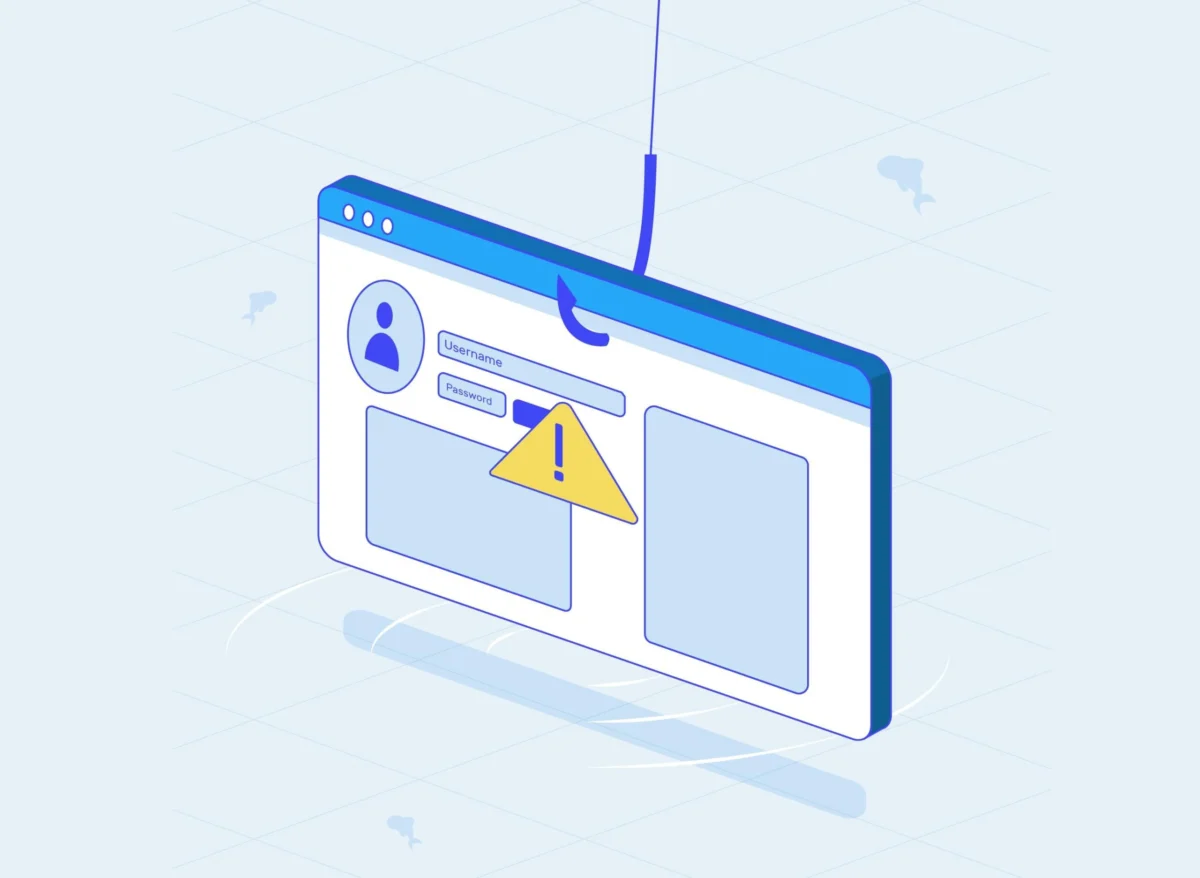
- Phishing and Smishing: These involve deceptive emails (phishing) or text messages (smishing) that impersonate legitimate organizations (banks, government agencies, tech companies) to trick recipients into revealing personal information, such as login credentials, credit card numbers, or social security numbers.
- Tech Support Scams: Fraudsters impersonate well-known tech companies (e.g., Microsoft, Apple) and claim a victim’s computer has a virus or other serious issue. They then demand remote access to the computer and payment for unnecessary "repairs" or software.
- Romance Scams: Perpetrators create fake online profiles to establish romantic relationships with victims, slowly building trust before fabricating emergencies (medical bills, travel expenses) and requesting money.
- Government Imposter Scams: Scammers pretend to be from government agencies like the IRS, Social Security Administration, or local police, threatening arrest or legal action if immediate payment (often via gift cards or wire transfers) is not made.
- Investment Scams: These promise unusually high returns with little to no risk, often involving complex or obscure financial instruments. They can range from pyramid schemes to cryptocurrency frauds.
- Charity Scams: Especially prevalent after natural disasters or major news events, these solicit donations for fake charities or impersonate legitimate ones, diverting funds for personal gain.
- Online Shopping Scams: Fraudulent websites or social media ads offer popular products at heavily discounted prices. Victims pay but never receive the goods, or they receive counterfeit items.
The common thread among many of these scams is the creation of urgency, fear, or a sense of unique opportunity, compelling victims to act without critical thought. The proliferation of personal data online also enables scammers to tailor their approaches, making their impersonations more convincing and their solicitations more targeted.
Safeguarding Against Fraud: Prevention and Response
No one is entirely immune to the threat of scams and fraud, but adopting consistent habits can significantly mitigate risk and minimize potential damage. Vigilance is the first line of defense.
- Skepticism Towards Unsolicited Contact: Be inherently suspicious of unsolicited messages, especially those designed to create fear or urgency. This could be an email from a bank threatening to close an account, a text from an online marketplace about a lost discount, or a call from the IRS demanding immediate payment to avoid arrest. Such high-pressure tactics are a hallmark of fraudulent activity. Legitimate organizations rarely demand instant action or secrecy.
- Direct Verification: Always verify any requests from an organization by cross-checking with its official phone numbers, email addresses, or website. Do not use contact information provided in the suspicious message; instead, independently look up the organization’s official contact details.
- Avoid Suspicious Links and Attachments: Refrain from clicking any links, downloading attachments, or responding to messages that appear suspicious. These can lead to malware installations or phishing sites.
- Protect Personal Information: Be mindful of the amount of personal information shared online. Scammers often leverage publicly available details to make their schemes more convincing and personalized.
Should you suspect you have already fallen victim to a scam or sent financial information or money to a fraudster, immediate action is crucial to protect your data and potentially recover funds:
- Contact Financial Institutions Immediately: Reach out to your bank, credit card issuer, or payment platform without delay. Explain the situation and attempt to stop or reverse any unauthorized transactions.
- Change Passwords and Enable Multi-Factor Authentication (MFA): Change any relevant passwords, especially for accounts that may have been compromised. Enable multi-factor authentication (MFA) wherever possible to add an extra layer of security.
- Report the Scam: Filing a report helps protect others. You can report scams to the Federal Trade Commission (FTC) at reportfraud.ftc.gov, the FBI’s Internet Crime Complaint Center (IC3), and your local police department or sheriff’s office.
- Address Identity Theft: If personal information was compromised, consider temporarily freezing your credit with the three major credit bureaus (Experian, Equifax, TransUnion) to prevent new accounts from being opened in your name.
- Regular Monitoring: Regularly review your financial statements and credit reports for any suspicious activity. Keep your software updated, including antivirus and operating system updates, to guard against digital vulnerabilities.
In an increasingly complex digital world, staying informed about the latest scam tactics and maintaining a proactive stance on personal and financial security are the most effective ways to navigate the evolving landscape of fraud.