Julia Chirkova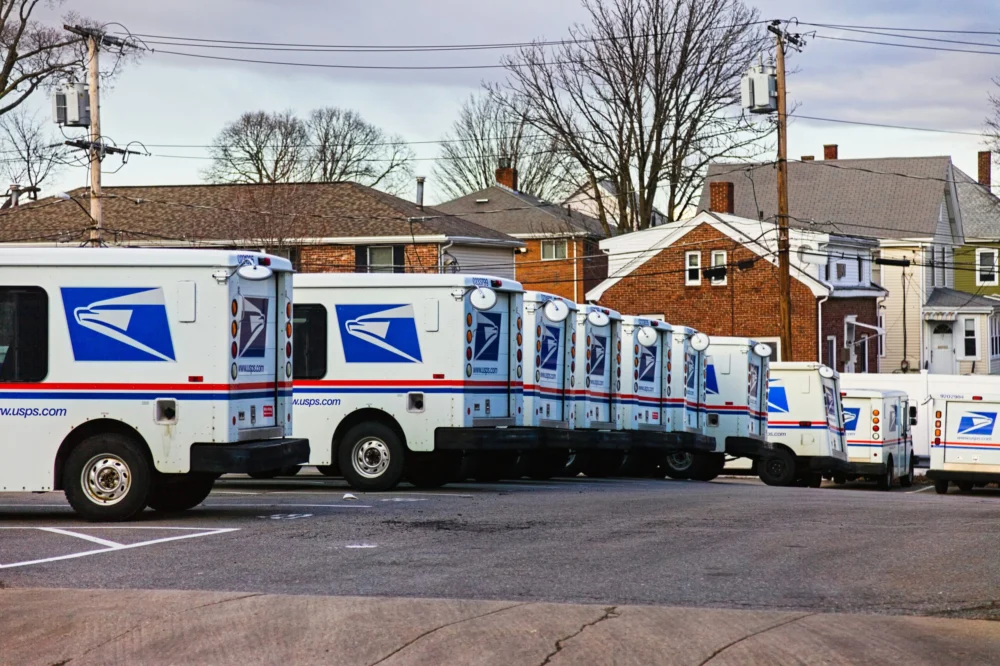
Oregon’s senior U.S. Senator Ron Wyden has voiced significant concerns regarding the United States Postal Service’s (USPS) sweeping network modernization plan, warning that the proposed changes to mail collection and postmarking could critically endanger timely tax return submissions and disenfranchise voters across Oregon and the nation. In a pointed letter dispatched to Postmaster General David Steiner, Senator Wyden detailed eleven specific questions aimed at understanding the USPS’s implementation strategy, public outreach efforts, and crucially, its coordination with election officials and the Internal Revenue Service (IRS) to mitigate potential negative impacts.
The core of Senator Wyden’s apprehension lies in the USPS’s plan to consolidate mail processing into approximately 60 regional centers, primarily situated in urban areas. This consolidation is expected to result in the cessation of end-of-day mail collection at an estimated 23,000 post offices, representing a staggering three-quarters of the nation’s total. For many Americans, particularly those residing in rural or less densely populated areas, this will mean mail collected one day will not be postmarked and processed until the following morning, introducing an unavoidable delay of at least one business day.
“Voters in my state of Oregon have for 30 years relied on the USPS to cast their ballots with confidence knowing their votes will be counted in a timely manner,” Senator Wyden stated in his letter. “These network changes and corresponding postmarking delays may jeopardize timely ballot delivery in 2026, disenfranchising voters in Oregon and nationwide.” This sentiment underscores a long-standing trust in the postal service as a reliable conduit for civic participation, a trust Wyden fears is now at risk.
The Network Overhaul: A Shift in Postal Operations
The USPS’s ambitious "Postal Network Optimization" initiative aims to streamline operations and achieve cost savings by centralizing mail processing. This involves the creation of these large-scale regional processing and distribution centers, with Portland identified as a key hub. The rationale behind these changes, as articulated by the USPS, is to enhance efficiency and modernize infrastructure to meet evolving mail volume and delivery demands.
However, the practical implications for communities outside these regional centers are substantial. Mail deposited at local post offices more than 50 miles away from a regional center will be held until the next business day for pickup, thereby delaying its entry into the processing stream. This logistical shift directly impacts the postmarking process. Envelopes will no longer receive a postmark on the day of collection if they are not within the immediate vicinity of a processing hub. Instead, the postmark will reflect the date the mailpiece is processed at the regional center.
This change carries significant weight for individuals who rely on the postmark as definitive proof of mailing by a specific deadline. This includes, but is not limited to, individuals filing tax returns by mail and, crucially, voters casting their ballots through postal services. The USPS itself acknowledged this potential disconnect in a rule finalized on Christmas Eve, stating in the federal register that “a postmark date does not inherently or necessarily align with the date on which the Postal Service first accepted possession of the mailpiece.” The agency further noted that informing the public and policymakers about this distinction would allow them to “adjust their plans accordingly” and ensure that rules utilizing postmark dates remain effective.
Impact on Tax Filing and Voter Disenfranchisement
Senator Wyden’s letter specifically highlights the critical juncture where these postal changes intersect with federal obligations and democratic processes. For taxpayers, the IRS mandates that tax returns must be filed by April 15th. The timely postmark on a mailed return serves as the official date of filing. Any delay in postmarking due to the new USPS procedures could inadvertently cause returns to be classified as late, potentially subjecting taxpayers to penalties.
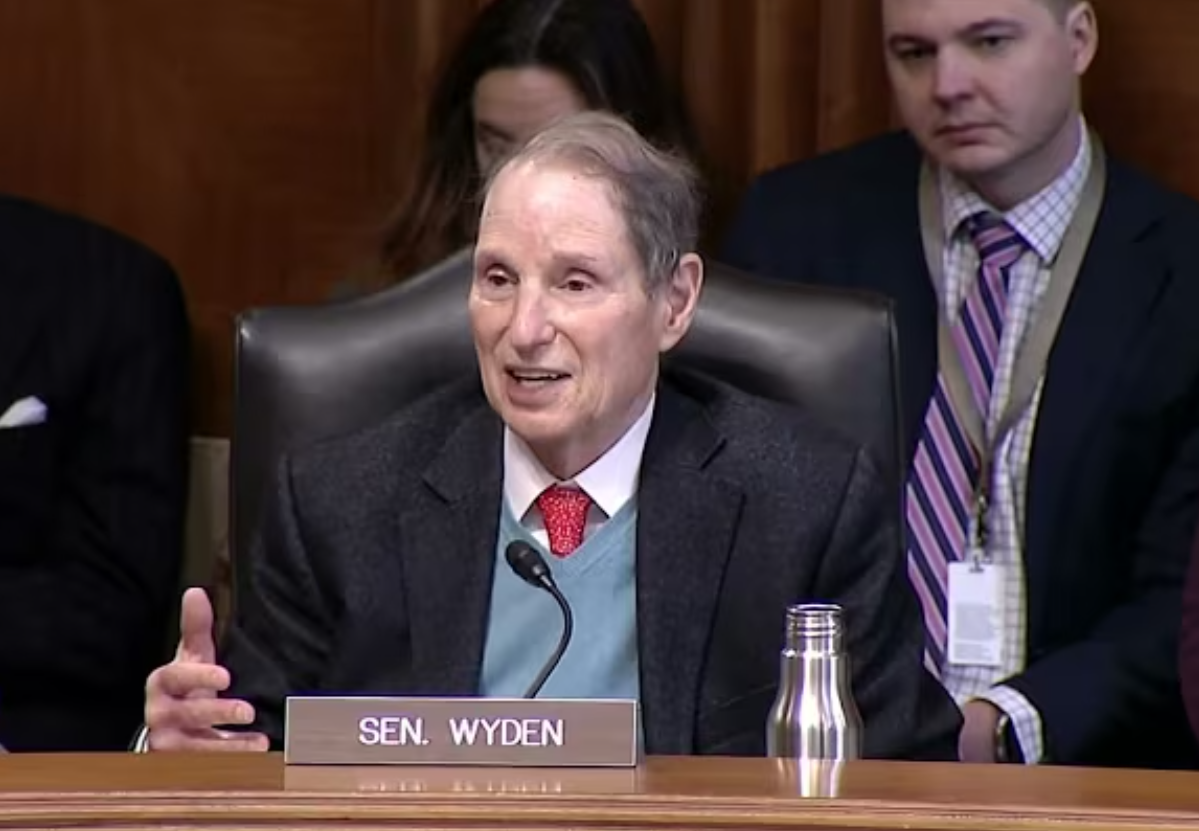
“Slower application of the postmark has direct legal consequences on whether taxpayers’ returns will be considered timely by the IRS,” Wyden emphasized in his letter. “USPS’s network changes will inevitably delay postmarking for tax returns and may result in late penalties for a significant number of Americans who are unaware of these changes.” This points to a potential cascade of financial repercussions for citizens who adhere to traditional mailing practices without awareness of the altered processing timelines.
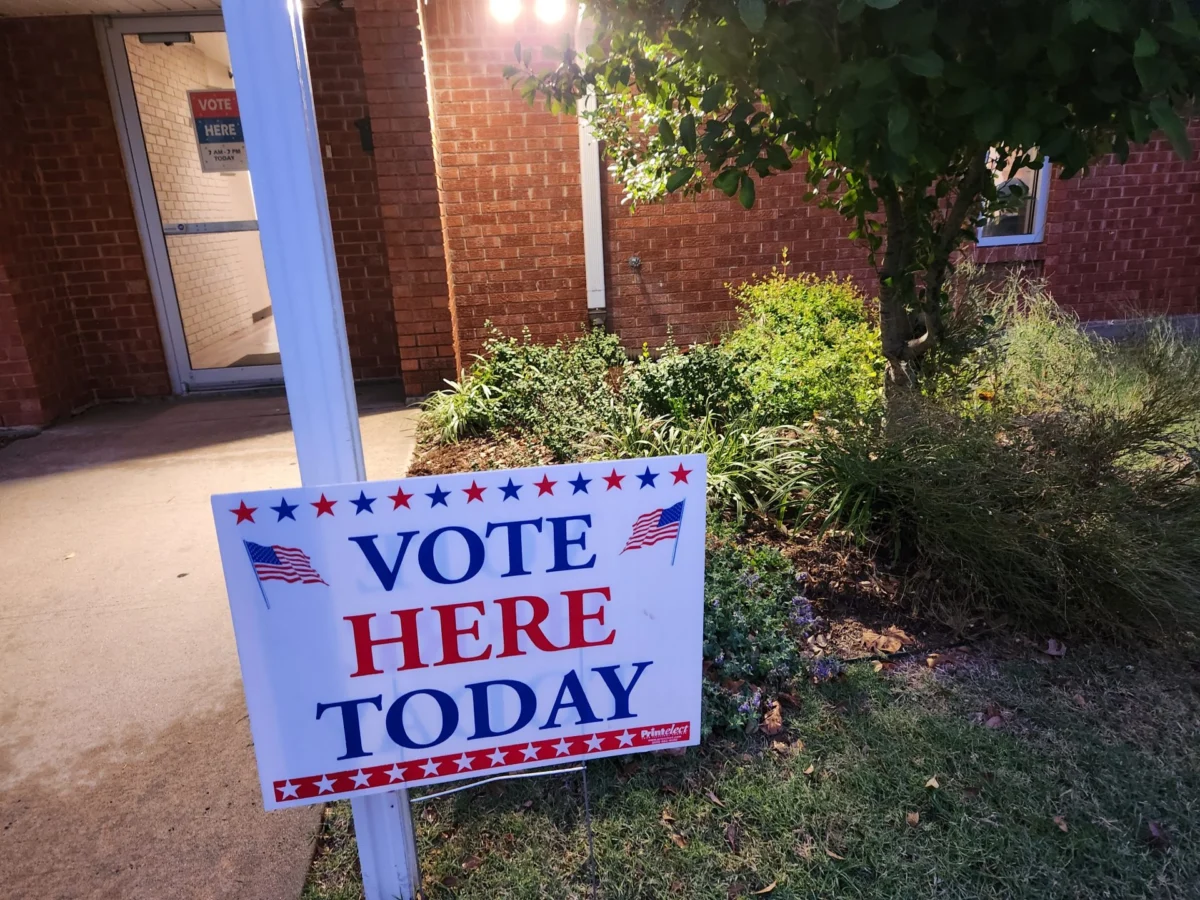
Similarly, the integrity of the electoral process is under scrutiny. Oregon, a state with a long-standing commitment to vote-by-mail, has historically relied on the USPS for the timely delivery and return of ballots. With Oregon’s primary election scheduled for May 19th, and given that many areas of the state fall outside the immediate radius of the planned Portland regional processing center, election officials are already anticipating delays. The implication is that ballots mailed close to the deadline might not be postmarked and processed in time to be counted.
To counter this, election officials are reportedly preparing to advise voters to mail their ballots at least a week in advance of the deadline or to utilize designated drop boxes as a more secure and timely alternative to relying on postal delivery. This proactive measure, while necessary, underscores the perceived inadequacy of the USPS’s current plan to accommodate the critical timelines associated with democratic participation.
Wyden’s Demands and Broader Implications
Senator Wyden’s eleven questions to Postmaster General Steiner are designed to elicit concrete information on how the USPS intends to address these pressing issues. They likely cover:
- Public Awareness Campaigns: What specific measures is the USPS undertaking to inform the public, especially vulnerable populations and those in rural areas, about these impending changes and their potential impact on mail delivery and postmarking?
- Coordination with Federal Agencies: How is the USPS collaborating with the IRS to ensure that the new processing timelines do not result in undue penalties for taxpayers? What assurances are being provided to the IRS regarding the accuracy and timeliness of postmarks for tax filings?
- Engagement with Election Officials: What steps are being taken to work with state and local election authorities to guarantee that ballot delivery and return timelines are not compromised? Are there specific provisions being made for election mail to ensure its timely processing?
- Contingency Planning: What contingency plans are in place should the new network lead to significant delays that impact tax deadlines or ballot counting in upcoming elections?
- Impact Assessment: Has a comprehensive assessment been conducted to determine the specific impact of these changes on rural communities and states with extensive vote-by-mail systems, such as Oregon?
- Transparency in Postmarking: Beyond the general acknowledgment in the federal register, what specific protocols will be implemented to ensure clarity and accuracy regarding postmark dates, especially for time-sensitive mail?
- Investment in Local Services: Given the consolidation, what investments are being made to ensure that local post offices remain adequately staffed and equipped to handle the mail that will still be collected from them, even if not processed on-site?
- Timeline of Implementation: What is the precise rollout schedule for these network changes, and what opportunities will there be for public comment or input as the implementation progresses?
- Alternative Solutions: Have alternative strategies been considered that could achieve operational efficiencies without compromising the reliability of postmarking for critical mail categories?
- Measuring Success: How will the USPS measure the success of this network overhaul, and what metrics will be used to track potential negative impacts on delivery times and customer satisfaction?
- Cost-Benefit Analysis: Beyond projected cost savings, what is the estimated societal cost of potential tax penalties and voter disenfranchisement that could arise from these changes?
The ramifications of the USPS network overhaul extend beyond mere logistical adjustments. It touches upon fundamental aspects of civic responsibility and financial obligation. For taxpayers, timely filing is not just a matter of avoiding penalties but also of fulfilling a legal requirement. For voters, the ability to cast a ballot and have it counted is a cornerstone of democratic participation. Any action that impedes these processes, intentionally or not, warrants rigorous scrutiny and proactive mitigation.
The USPS’s assertion that a postmark date does not always align with the date of mail acceptance, while technically accurate in a vacuum, sidesteps the reality of how these dates are utilized by government agencies and citizens alike. The federal register’s suggestion for individuals and policymakers to “adjust their plans accordingly” places a significant burden on the public, particularly those who may not be privy to such regulatory updates or who lack the flexibility to alter their schedules.
As the implementation of the Postal Network Optimization initiative progresses, the focus will undoubtedly remain on Senator Wyden’s inquiries and the USPS’s responses. The coming months will be critical in determining whether the postal service can successfully navigate these changes while safeguarding the timely delivery of essential mail and the fundamental rights of American citizens. The stakes are high, encompassing both financial well-being and the very integrity of democratic processes. The nation watches to see if the USPS can modernize its operations without leaving behind its commitment to service and accessibility for all.