Julia Chirkova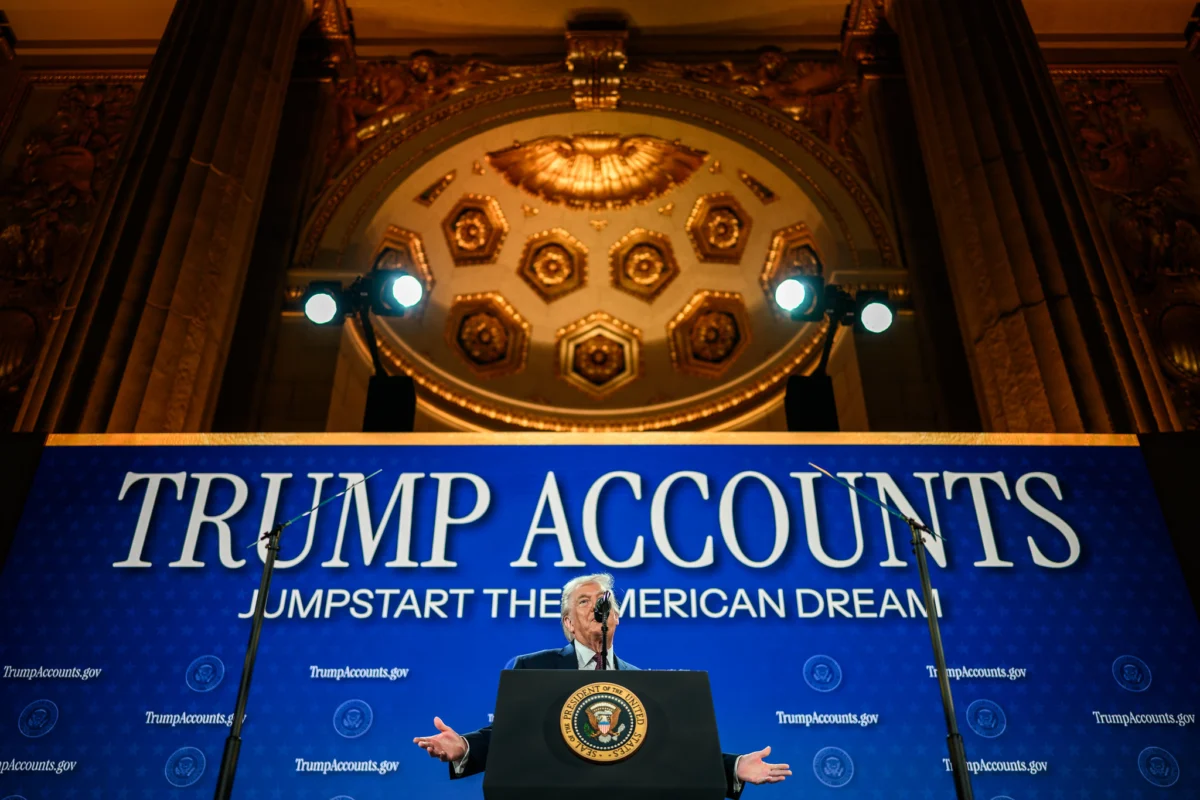
Susan Dell’s recent remarks at the White House, advocating for the federally supported Trump Accounts program, drew a swift and enthusiastic response from President Donald Trump, who publicly inquired if she was considering a political run and declared his "complete and total endorsement." The interaction occurred during a White House event where Susan Dell, alongside her husband Michael Dell, the founder and CEO of Dell Technologies Inc., were present to champion the initiative, which has garnered a significant financial commitment of $6.25 billion from the couple. This ambitious program, designed to foster long-term financial security for children, is poised to impact millions of young Americans.
The Treasury Department announced earlier this month a pivotal step in the program’s rollout: the automatic enrollment of approximately 70 million eligible Americans under the age of 18. This initiative, established through last year’s comprehensive tax and spending legislation, aims to provide a substantial financial head start for the nation’s youth. Each child born between 2025 and the conclusion of 2028 will receive an initial federal seed contribution of $1,000. Beyond this foundational deposit, the program encourages further investment through contributions from parents, relatives, and even employers. Beneficiaries gain access to these accumulated funds upon reaching the age of 18, positioning the program as a significant tool for intergenerational wealth building.
The White House has consistently framed Trump Accounts as a cornerstone of its economic policy, emphasizing its potential to empower families and cultivate a generation of financially savvy individuals. During the event, Susan Dell articulated a vision of aspiration and opportunity, stating, "We believe in you and we want you to dream big because we know you can make your dreams come true." She issued a direct appeal to parents and grandparents, urging them to actively claim their children’s accounts, highlighting that "These accounts are ready, they’re waiting for you, and they have money in them."
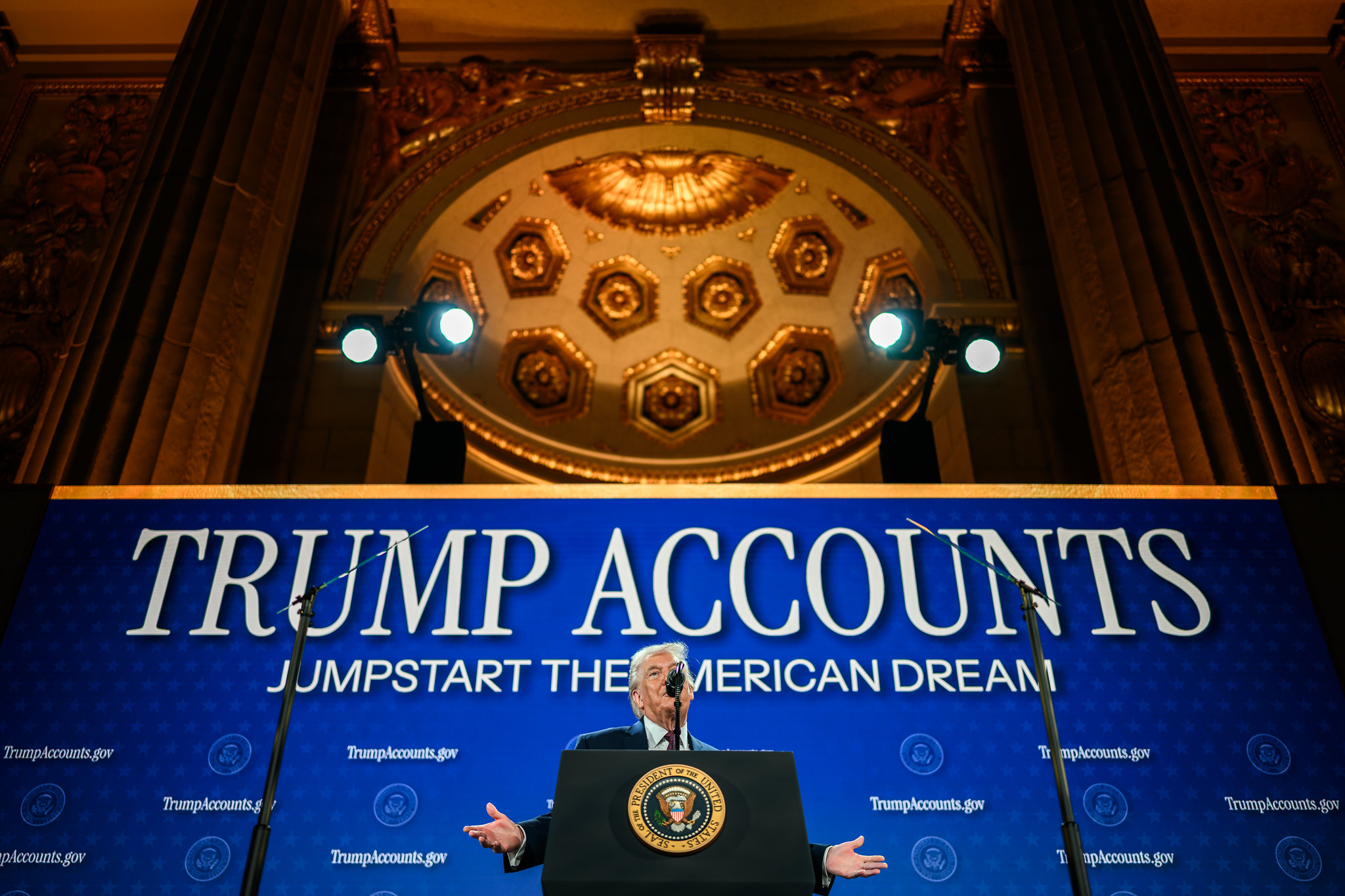
President Trump underscored the program’s early traction, reporting that as of Wednesday, eight million accounts had already been established since the program’s official launch on July 4th. He further emphasized the scale of the upcoming automatic enrollments, describing them as "building on that success by 70 million accounts of children across America." This dual approach—initial voluntary sign-ups followed by broad automatic enrollment—demonstrates a strategic effort to maximize participation and impact.
Background and Chronology of Trump Accounts
The genesis of the Trump Accounts program can be traced back to the legislative efforts of the previous year, culminating in a significant tax and spending package. This package laid the groundwork for a novel approach to childhood savings, intertwining federal support with private sector and philanthropic contributions. The program’s official launch on July 4th marked the beginning of a phased rollout, initially allowing for voluntary enrollment. The subsequent announcement by the Treasury Department of automatic enrollment for millions of children signifies a critical acceleration of the program’s reach.
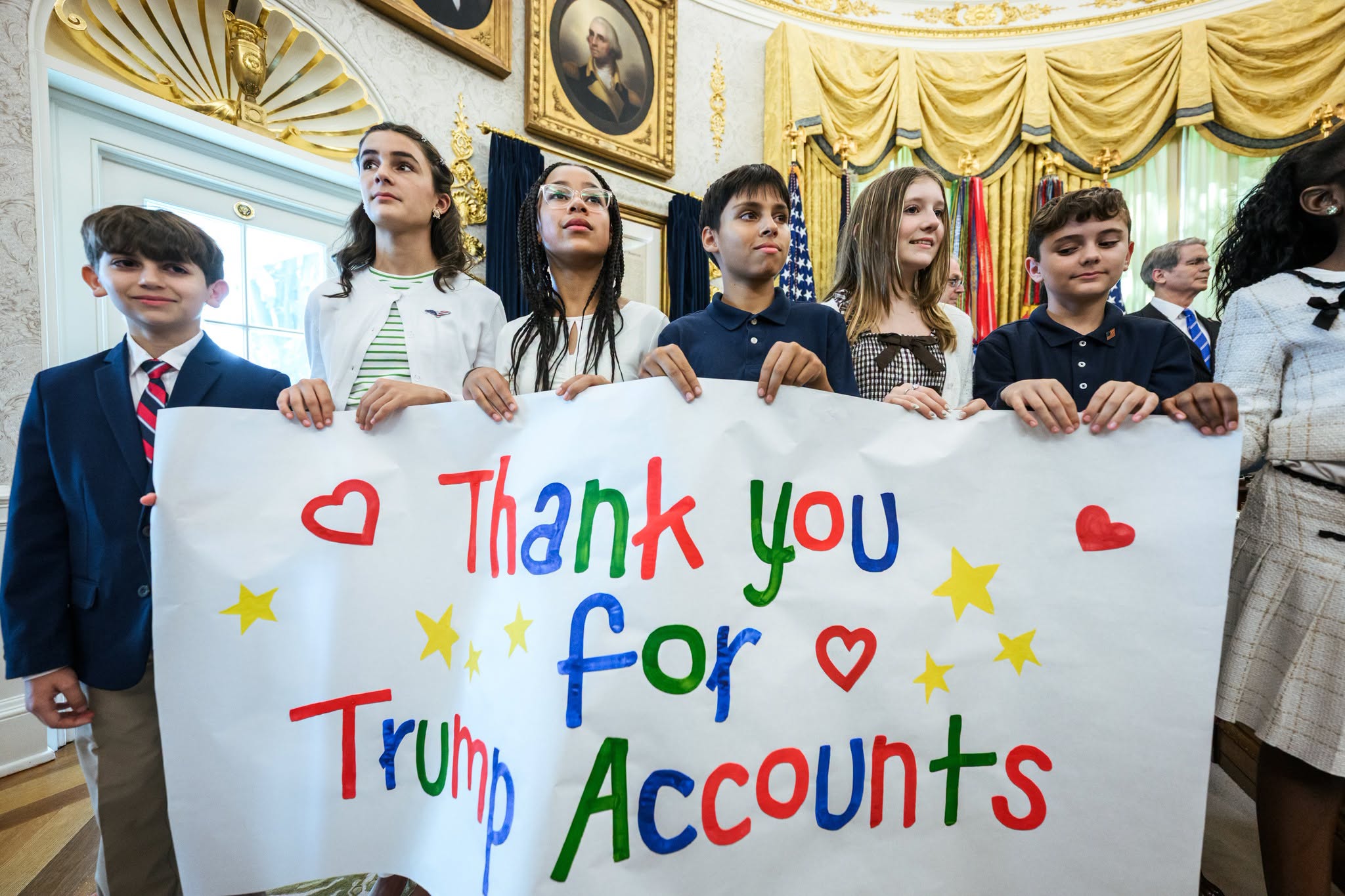
The $6.25 billion pledge from the Dell couple represents a substantial private sector investment, demonstrating a commitment to bolstering the program’s financial capacity. This philanthropic contribution, coupled with the federal seed money, creates a robust financial foundation for the participating children. The program’s structure, allowing for contributions from various sources, is designed to encourage sustained savings and investment over the long term, potentially growing to significant sums by the time beneficiaries reach adulthood.
Program Mechanics and Financial Implications
The Trump Accounts are designed with a clear objective: to provide a tangible financial resource for children as they transition into adulthood. The federal seed contribution of $1,000 serves as an initial catalyst, intended to be augmented by additional contributions. The program’s framework allows for flexibility, permitting parents, grandparents, and employers to contribute funds, thereby creating a personalized savings trajectory for each child. The ability for beneficiaries to access these funds at age 18 offers a crucial financial buffer for post-secondary education, vocational training, entrepreneurship, or other significant life endeavors.
The Treasury Department’s automatic enrollment mechanism is a key driver of the program’s widespread impact. By automatically enrolling an estimated 70 million children, the initiative ensures that a vast segment of the young population will benefit from this financial resource, regardless of proactive parental action during the initial phase. This broad-based approach aims to democratize access to early savings opportunities, potentially mitigating wealth disparities and fostering greater financial equity across diverse socioeconomic backgrounds.
Broader Economic Context and Political Landscape
The promotion of Trump Accounts occurs against a backdrop of significant economic concerns for American families. Rising costs for essential goods and services, including groceries and gasoline, have placed considerable strain on household budgets. These inflationary pressures are exacerbated by ongoing global trade disputes and geopolitical conflicts, such as the war in Iran, which contribute to economic instability and uncertainty. In this environment, initiatives aimed at bolstering long-term financial security for families are likely to resonate with a significant portion of the electorate.
The timing of the White House event, with the 2026 midterm elections on the horizon, underscores the potential political implications of the Trump Accounts program. As Republicans prepare for crucial electoral contests, initiatives that demonstrate a commitment to economic empowerment and family well-being can serve as powerful campaign narratives. The endorsement from prominent figures like the Dell couple lends considerable weight and credibility to the program, potentially enhancing its appeal to a wider audience.
Critiques and Potential Challenges
While the Trump Accounts program has garnered significant support and financial backing, it has also faced scrutiny and criticism. One area of contention revolves around the encouragement for wealthy Americans to donate individual company stock to the program. Critics argue that this approach could lead to a child’s savings being heavily concentrated in a single company’s performance, exposing them to a higher degree of risk compared to investments diversified across the broader market. This strategy, while potentially beneficial for specific companies and their stakeholders, raises questions about the long-term stability and diversification of the beneficiaries’ assets.
The reliance on individual stock donations could also introduce complexities related to valuation, reporting, and tax implications. Ensuring transparency and fairness in how these stock contributions are managed and accounted for will be crucial for maintaining public trust and safeguarding the interests of the young beneficiaries. Further analysis will be required to assess the actual impact of such contributions on the overall growth and security of the accounts over time.
Expert Reactions and Future Outlook
Economists and financial analysts are closely observing the implementation of Trump Accounts, seeking to understand its long-term efficacy and potential impact on national savings rates and childhood financial literacy. While the program’s intent is laudable, its success will ultimately depend on several factors, including the sustained commitment of both public and private funding, effective financial education for beneficiaries and their guardians, and prudent management of invested assets.
The endorsement from President Trump, coupled with the significant financial backing from the Dell couple, suggests a strong political and philanthropic commitment to the program. However, the program’s longevity and its ultimate contribution to intergenerational wealth building will be subject to ongoing evaluation and adaptation based on its performance and evolving economic conditions. The coming years will reveal the true impact of Trump Accounts on the financial future of millions of American children.
This article was originally published by the Austin American-Statesman and is distributed by Tribune Content Agency LLC.
© 2026 Austin American-Statesman, Texas. Visit www.statesman.com.