Lina Irawan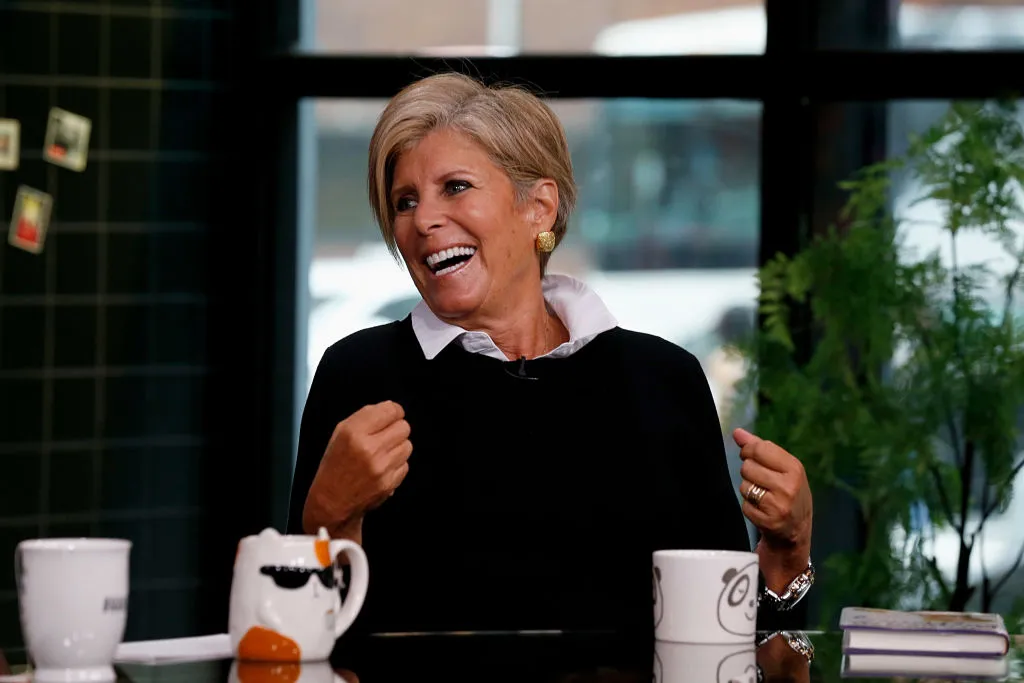
Veteran financial advisor Suze Orman, renowned for her "tough love" approach to personal finance, has notably refined her long-standing recommendation that individuals work until age 70. While her core tenets of avoiding debt, spending less than one earns, and diligently saving remain steadfast, her latest guidance on retirement age introduces a significant degree of flexibility, acknowledging the multifaceted realities of modern life and financial planning. This shift reflects an evolving understanding of retirement, moving beyond a rigid age-based milestone to a more personalized, readiness-focused approach.
The Genesis of "Work Until 70": A Look Back at Orman’s Early Counsel
For decades, Suze Orman’s advice resonated with millions through her television shows, books, and syndicated columns, establishing her as a formidable voice in financial literacy. Her early career, particularly in the 1990s and early 2000s, was characterized by an emphatic promotion of delaying retirement until 70. This counsel was deeply rooted in sound financial principles, primarily centered on maximizing Social Security benefits and leveraging the power of compound interest.
The rationale behind working until 70 was compelling:
- Social Security Maximization: Delaying the start of Social Security benefits beyond one’s Full Retirement Age (FRA)—which ranges from 66 to 67 for most people born after 1943—results in Delayed Retirement Credits (DRCs). These credits permanently increase monthly benefits by approximately 8% for each year benefits are delayed, up to age 70. For someone with an FRA of 67, waiting until 70 means a 24% higher monthly payout for the rest of their life, a significant boost that could total tens or even hundreds of thousands of dollars over a typical retirement lifespan. This strategy not only provided a larger guaranteed income stream but also served as a hedge against longevity risk.
- Compounding Investment Growth: Every additional year spent working is a year an individual is not drawing down their retirement savings. Instead, their investments continue to grow, unburdened by withdrawals, benefiting from the magic of compound interest. This extended accumulation phase, especially during peak earning years, could dramatically increase the size of a retirement portfolio, providing a larger cushion for later life.
- Reduced Pressure on Savings: By continuing to earn an income, individuals avoid tapping into their 401(k)s, IRAs, or other investment accounts prematurely. This preserves the capital for longer, allowing it to weather market fluctuations and provide greater financial security when eventual withdrawals begin. It also helps mitigate "sequence of returns risk," where poor market performance early in retirement can severely deplete a portfolio.
This prescriptive advice, while financially prudent for many, often presented a challenge for individuals facing different life circumstances, from demanding physical jobs to unexpected health issues or a simple desire for more leisure time. According to data from the U.S. Bureau of Labor Statistics (BLS), the median retirement age has steadily increased over the past few decades, rising from 62 in 2003 to 65 in 2023. While this trend aligns with Orman’s earlier advice to some extent, it also highlights that retiring at 70 remains an outlier for a significant portion of the population. For instance, a 2022 Gallup poll found that the average reported retirement age among current retirees was 61, while non-retirees expected to retire at 66. These figures suggest a gap between aspiration, financial necessity, and the previously rigid advice.
Suze Orman’s Evolving Perspective: A Nuanced Approach to Retirement
In a significant update to her long-standing recommendations, Orman has publicly acknowledged that the "work until 70" mandate may not be suitable or even feasible for everyone. Her updated guidance, now prominently featured on her blog and other platforms, states unequivocally, "No one is saying you need to" work until 70. This reflects a deeper empathy for the challenges individuals face in their later careers and a recognition of diverse personal priorities.
Several factors appear to have influenced this shift:
- Burnout and Mental Health: The demanding nature of modern work, coupled with increasing responsibilities, can lead to severe burnout, making the prospect of working into the late 60s daunting. The mental and emotional toll of sustained high-pressure employment can outweigh the financial benefits for some.
- Health Issues: Declining physical health, unexpected medical conditions, or the cumulative effects of a physically demanding career can make continued full-time employment impossible. Healthcare costs in retirement are a major concern for Americans, with Fidelity estimating that an average retired couple age 65 in 2023 may need approximately $315,000 saved for healthcare expenses in retirement, a figure that continues to rise. This financial burden can often necessitate earlier retirement if health deteriorates.
- Personal Goals and Family Time: Many individuals envision retirement as an opportunity to spend more time with family, particularly grandchildren, pursue hobbies, or travel extensively. Working until 70 can significantly curtail these precious years, prompting a reevaluation of priorities.
- Financial Preparedness: Critically, Orman’s new stance acknowledges that many people are, in fact, financially prepared to retire earlier, provided they have accumulated sufficient savings in other vehicles.
The "Bridge Strategy" and Part-Time Work: New Pillars of Flexible Retirement
Orman’s updated advice introduces and champions the "bridge strategy." This approach encourages individuals who wish to retire earlier than 70, but still want to maximize their Social Security benefits, to tap into other savings sources—such as 401(k)s, IRAs, or taxable brokerage accounts—to cover living expenses in their early to mid-60s. By doing so, they "bridge" the gap between early retirement and the age they choose to begin Social Security, ideally 70.
For example, a person retiring at 62 could use their personal savings to cover expenses until age 70, thereby allowing their Social Security benefit to grow by 8% annually for eight years, translating to a 64% increase over their age 62 benefit amount (assuming a full retirement age of 67). This strategy allows for early departure from full-time work while still securing the largest possible guaranteed income stream later. According to the Investment Company Institute, as of 2022, there were over 63 million 401(k) plan participants and 40.5 million IRA holders in the U.S., indicating a substantial pool of assets that could be utilized for such a bridge strategy.
Complementing this, Orman also suggests considering part-time work as an alternative to immediately tapping Social Security or drawing heavily from savings. A part-time job can provide supplemental income, cover some expenses, and keep individuals engaged, all while allowing their primary retirement accounts and Social Security benefits to continue growing or remain untouched for longer. This hybrid approach offers a gentler transition into full retirement, reducing financial strain and providing a sense of purpose.
The New Retirement Rules: A Triad of Readiness, Liquidity, and Peace of Mind
Orman’s modern retirement framework is built upon three interconnected pillars, shifting the focus from a fixed age to holistic financial well-being:
1. Focus on Retirement Readiness:
This rule is paramount, emphasizing that the "right" time to retire is when an individual is financially prepared, not merely when they reach a certain age. Retirement readiness involves a rigorous assessment of one’s financial position through "stress-testing" a retirement plan. This means:
- Detailed Expense Projections: Accurately estimating future living expenses, including inflation adjustments, healthcare costs, and discretionary spending.
- Income Streams Analysis: Understanding all potential income sources (Social Security, pensions, investment withdrawals, part-time work).
- Withdrawal Rate Strategy: Determining a sustainable withdrawal rate from savings, typically around 3-4%, to ensure funds last through retirement.
- Contingency Planning: Modeling different scenarios, such as market downturns or unexpected large expenses, to ensure the plan’s resilience. Tools like Monte Carlo simulations, offered by many financial planning software, can help assess the probability of a plan’s success under various market conditions.
Orman highlights that achieving readiness might involve lifestyle adjustments, such as relocating to a more affordable area or embracing a part-time role, thereby granting individuals greater control over their retirement timeline. This flexible approach contrasts sharply with the rigidity of an age-specific target, recognizing that personal circumstances—from health to desired lifestyle—are highly variable.
2. Have Liquidity:
A critical, often overlooked, aspect of retirement planning is maintaining adequate access to cash. Orman recommends a robust cash buffer of three to five years’ worth of living expenses saved in easily accessible, low-risk accounts. While many financial advisors suggest one to two years’ worth of expenses, Orman’s more conservative stance aims to provide an even greater safeguard.
The purpose of this substantial cash reserve is twofold:
- Market Volatility Protection: During periods of market downturns, retirees with sufficient cash can avoid selling investments at a loss to cover living expenses. This is crucial for mitigating "sequence of returns risk," where early market declines can severely impair a portfolio’s long-term viability. Instead, they can draw from their cash reserves, allowing their investment portfolio time to recover.
- Emergency Fund: It serves as a comprehensive emergency fund for unexpected expenses, from home repairs to unforeseen medical costs, providing a crucial layer of financial security.
This liquidity should ideally be held in vehicles like high-yield savings accounts, money market accounts, or short-term Certificates of Deposit (CDs), ensuring safety and accessibility without significant exposure to market fluctuations.
3. Find Peace of Mind:
Beyond the numbers, Orman’s contemporary advice places a strong emphasis on psychological well-being in retirement. True wealth, she argues, is not merely measured by the size of one’s investment portfolio but by the absence of financial anxiety—the freedom from worrying about "what-ifs."
Achieving peace of mind involves:
- Addressing Longevity Risk: Planning for a potentially long retirement, which requires sufficient savings and strategies for sustained income.
- Healthcare Security: Understanding and planning for the significant costs of healthcare, including Medicare premiums, deductibles, and out-of-pocket expenses, potentially through long-term care insurance.
- Estate Planning: Ensuring that one’s financial legacy and wishes are clearly documented.
- Financial Flexibility: Having the resources to adapt to unforeseen circumstances without jeopardizing one’s financial stability.
By working until an age that aligns with one’s personal and financial readiness, establishing a substantial cash buffer, and proactively planning for potential contingencies, individuals can significantly reduce stress and enjoy a retirement characterized by security and contentment.
Broader Implications and Industry Reactions
Suze Orman’s shift in retirement advice reflects a broader trend within the financial planning industry towards greater personalization and flexibility. For years, many certified financial planners (CFPs) have advocated for a more nuanced approach to retirement, recognizing that a one-size-fits-all recommendation rarely serves everyone effectively. The embrace of strategies like the "bridge strategy" and the emphasis on readiness over age are welcome developments, aligning prominent public advice with the sophisticated planning already practiced by many professionals.
This evolution from a high-profile figure like Orman carries significant weight, potentially influencing how millions of Americans conceptualize and plan for their own retirements. It empowers individuals to consider their unique health, family situation, career satisfaction, and financial standing when making crucial decisions about their post-work life, rather than feeling constrained by a rigid numerical target.
While the fundamental benefits of delaying Social Security and allowing investments to compound remain undeniable, Orman’s updated stance acknowledges that the pursuit of maximum financial gain should not come at the expense of an individual’s physical, mental, or emotional well-being. It underscores the ultimate goal of retirement planning: not just to accumulate wealth, but to achieve a secure, fulfilling, and peaceful life after one’s working years. This more empathetic and adaptable approach ensures that financial advice remains relevant and actionable for a diverse population facing increasingly complex financial landscapes.