Julia Chirkova
The complexities of state income tax obligations for remote workers have been thrust into the spotlight with the ongoing legal challenges brought forth by a law school professor, as detailed in the case of Matter of Zelinsky, DTANOS. 830517 and 830681, 5/9/25. This case, which gained significant traction during the COVID-19 pandemic, underscores a persistent issue for a growing segment of the American workforce that continues to embrace telecommuting and remote work arrangements. The fundamental question at play is whether an employee working from their home state should be subject to income tax in a different state where their employer is physically located, particularly when the nature of their work has evolved.
The Evolving Landscape of Remote Work and Taxation
The traditional model of state income taxation has largely been based on the physical location of employment. Generally, employees are required to pay state income tax to the state in which they reside. However, a critical exception has historically applied: if an employee’s primary place of work is in a state different from their residence, they may be obligated to pay income tax to that non-resident state. This principle is designed to ensure that states where economic activity occurs can benefit from the tax revenue generated by those activities.
The rise of remote work, significantly accelerated by the COVID-19 pandemic, has fundamentally challenged this long-standing paradigm. As businesses adapted to widespread lockdowns and public health mandates, employees transitioned to working from home, often across state lines. This shift has created a complex web of tax implications, as individuals may find themselves working remotely from a state that does not levy an income tax, while their employer remains based in a state that does. The disparity in state income tax rates further complicates matters, with some states imposing significantly higher tax burdens than their neighbors. In recent years, many states have also become more proactive in enforcing tax obligations on non-residents, seeking to capture revenue that might otherwise be lost.
The Case of Professor Zelinsky: A Decades-Long Dispute
The case of Professor Zelinsky provides a compelling illustration of these emerging tax challenges. A resident of Connecticut, Professor Zelinsky has been employed as a law school professor at Cardozo School of Law in New York City. His employment arrangement, typical of many academic positions, involved a hybrid work schedule. For many years, he divided his time between teaching classes at the university in New York City and working remotely from his home in Connecticut.
The core of Professor Zelinsky’s legal battle centers on his contention that New York State should not be entitled to levy income tax on his full salary, given that a substantial portion of his work was performed in Connecticut. His argument dates back to 1994, when he first challenged the imposition of New York state income tax on his earnings. On his 1994 tax return, Professor Zelinsky apportioned his salary, reflecting the time spent working in New York and the time spent working from his Connecticut residence. He subsequently paid state income tax based on this apportionment.
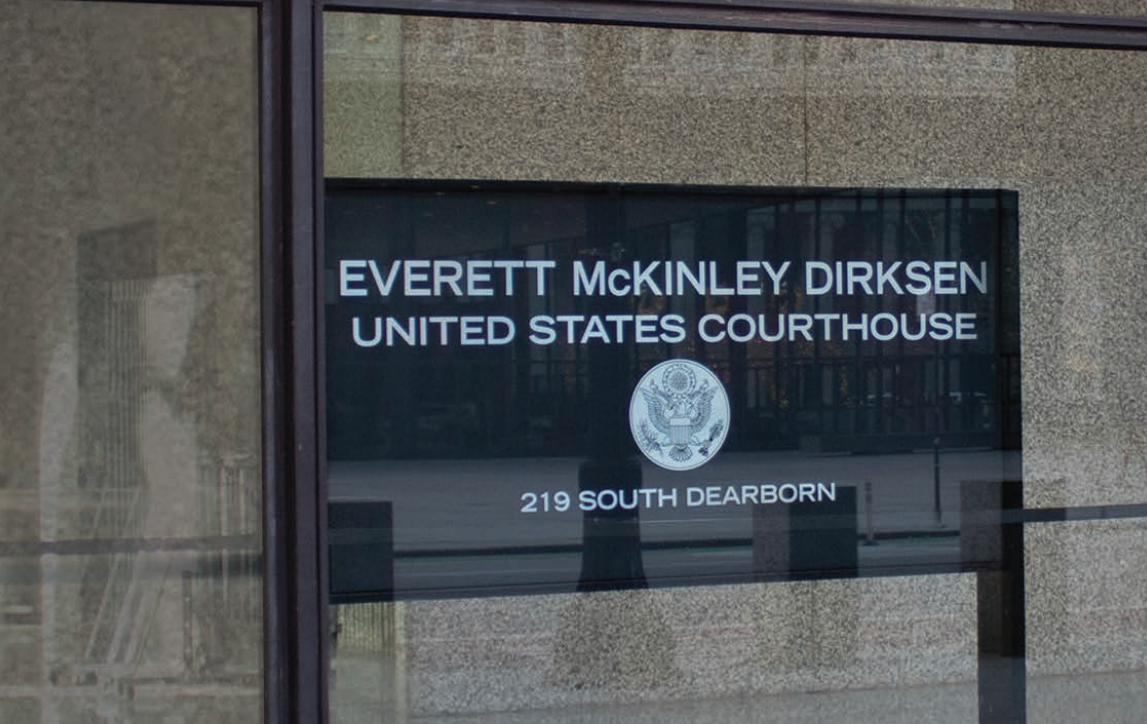
However, New York State assessed tax deficiencies against him, arguing that he owed tax on his entire compensation. The New York courts ultimately sided with the state, relying heavily on the "convenience of the employer" test. This legal doctrine, prevalent in New York and some other jurisdictions, dictates that an employee is liable for New York state income tax on their full compensation unless they can demonstrate that their remote work in another state was for the "employer’s convenience," rather than their own. Under this test, the burden of proof rests squarely on the taxpayer to establish that working from home was not merely a personal preference or a matter of convenience for the employee.
Pandemic Exacerbates and Resurfaces the Tax Debate
The issue resurfaced with renewed intensity in 2020, a pivotal year marked by the onset of the COVID-19 pandemic. As the pandemic forced the closure of many physical workplaces, including university campuses, Professor Zelinsky, like countless other professionals, transitioned to a fully remote work arrangement. During this period, he conducted all his classes remotely via Zoom from his Connecticut home and continued to perform his legal research and writing activities from the same location. For the majority of the year, the Cardozo School of Law campus was not accessible for him to conduct his professional duties.
Despite this significant shift in his work environment, New York courts maintained their stance. Professor Zelinsky again found himself liable for New York state income tax on his entire compensation as a law school professor. The legal reasoning continued to hinge on the "convenience of the employer" test, even in the face of unprecedented circumstances that necessitated remote work for public health reasons.

More recently, a law tribunal again ruled in favor of the New York tax authorities. While the tribunal acknowledged the altered circumstances brought about by the pandemic, it ultimately concluded that Professor Zelinsky’s decision to work from home was still for his own convenience. This ruling suggests a continued adherence to the established legal precedent, even as the nature of work continues to evolve.
Broader Implications and Analysis
The implications of the Zelinsky case extend far beyond this individual dispute. As remote and hybrid work models become increasingly entrenched in the modern economy, numerous employees and employers are grappling with similar tax complexities. The "convenience of the employer" rule, in particular, presents a significant hurdle for remote workers who genuinely perform their duties from a state other than their employer’s physical location.
Key Considerations for Remote Workers:

- State-Specific Tax Laws: Tax laws governing remote work vary significantly from state to state. Some states have enacted specific legislation or issued guidance to address the challenges posed by remote work, while others continue to rely on established doctrines like the "convenience of the employer" test.
- Employer’s Location vs. Employee’s Residence: The fundamental conflict arises when an employee resides in one state and works remotely for an employer based in another. The tax liability often depends on which state’s laws take precedence.
- Reciprocity Agreements: Some bordering states have established tax reciprocity agreements, which can simplify the tax obligations for residents of one state working in the other. However, these agreements are not universal.
- Documentation is Crucial: For individuals working remotely across state lines, meticulous record-keeping is essential. This includes documentation of work locations, travel for business purposes, and any communication with employers regarding work arrangements.
The "Convenience of the Employer" Test: A Point of Contention
The "convenience of the employer" test has been a source of contention for decades, and the Zelinsky case highlights its potential to create inequities in the context of modern work arrangements. Critics argue that this test often places an undue burden on employees, requiring them to prove a negative – that working from home was not for their own convenience. In situations where an employer mandates or strongly encourages remote work, or where external factors like a pandemic necessitate it, the application of this test can feel particularly burdensome.
The ruling in Zelinsky, despite acknowledging the pandemic’s impact, suggests that the legal framework may be slow to adapt to the widespread adoption of remote work. The tribunal’s conclusion that Professor Zelinsky was working from home for his "own convenience," even when the employer’s physical premises were inaccessible, underscores the strict interpretation often applied to this rule.
Future Outlook and Legal Avenues

Professor Zelinsky has indicated his intention to pursue further legal action, suggesting that this saga is far from over. His continued fight underscores the importance of addressing these tax ambiguities. The outcome of future legal challenges could have a significant impact on how state income taxes are applied to remote workers across the country.
The broader implication for the tax landscape is the increasing need for clarity and potential reform. As more individuals embrace remote work, states may face pressure to:
- Re-evaluate Existing Tax Doctrines: The "convenience of the employer" test, and similar doctrines, may need to be re-examined in light of current work realities.
- Develop New Tax Frameworks: Some states might consider developing more modern tax frameworks that better accommodate the complexities of a geographically dispersed workforce.
- Foster Interstate Cooperation: Greater collaboration between states on tax matters related to remote work could help streamline compliance and reduce disputes.
Ultimately, the Zelinsky case serves as a potent reminder that state income tax obligations can be intricate, particularly for those navigating the evolving world of remote work. The moral of the story, as highlighted by the case’s conclusion, is that challenging the imposition of state income tax by the state where income is officially earned, especially when relying on arguments of personal convenience for remote work, can indeed be an uphill battle. Taxpayers are strongly advised to consult with qualified tax professionals to understand their specific obligations and to ensure compliance with all applicable state tax laws.