admin
admin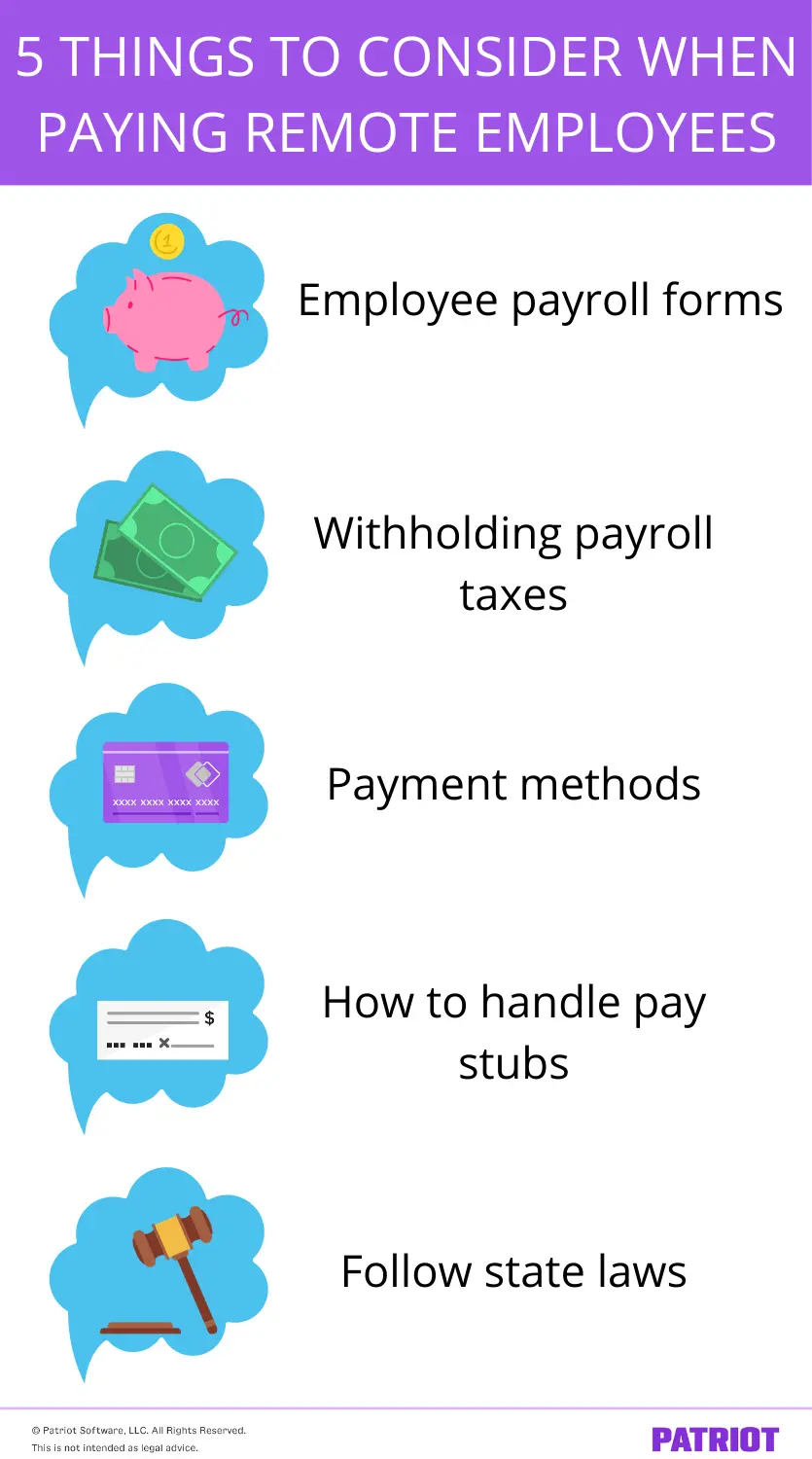
The global shift towards remote work has dramatically reshaped the modern employment landscape, presenting businesses with both opportunities and significant administrative complexities, particularly in the realm of payroll management. What was once a niche arrangement has become a mainstream operational model, driven by technological advancements and accelerated by global events. For companies embracing telecommuting, understanding the nuances of paying a distributed workforce is no longer optional but a critical component of regulatory compliance and operational efficiency. This article delves into the multifaceted aspects businesses must consider to ensure accurate, compliant, and timely compensation for their remote employees, moving beyond the traditional single-location payroll paradigm.
The Global Rise of Remote Work and Its Impact
Remote work, once considered a perk, has firmly established itself as a fundamental component of modern employment strategies. Prior to 2020, the trend of telecommuting was steadily growing, albeit at a measured pace. Data from various sources, including the U.S. Bureau of Labor Statistics and independent research firms, indicated a gradual increase in employees working remotely at least part-time. However, the onset of the COVID-19 pandemic in early 2020 served as an unprecedented catalyst, forcing millions of businesses worldwide to transition their entire operations to a remote model almost overnight. This abrupt shift, while initially a necessity, quickly revealed the unexpected benefits of remote work, including increased employee flexibility, reduced overhead costs for employers, and access to a wider talent pool irrespective of geographical location.
Post-pandemic, what many anticipated would be a temporary measure has largely solidified into a permanent or hybrid reality. Recent surveys from institutions like Gallup and Stanford University suggest that a significant percentage of the global workforce, ranging from 30% to over 50% in certain sectors, continues to work remotely or in a hybrid fashion. This sustained prevalence underscores a fundamental change in how businesses operate and how talent is acquired and managed. The implications for payroll, however, are profound, transforming a relatively straightforward process into a labyrinth of multi-state and, at times, international regulations. This evolution necessitates a meticulous approach to every aspect of employee compensation, from initial onboarding to final pay distribution.
Core Pillars of Remote Employee Payroll Management
Successfully managing payroll for a remote workforce hinges on adherence to several critical principles, each demanding careful consideration and robust implementation.
1. Essential Employee Payroll Documentation
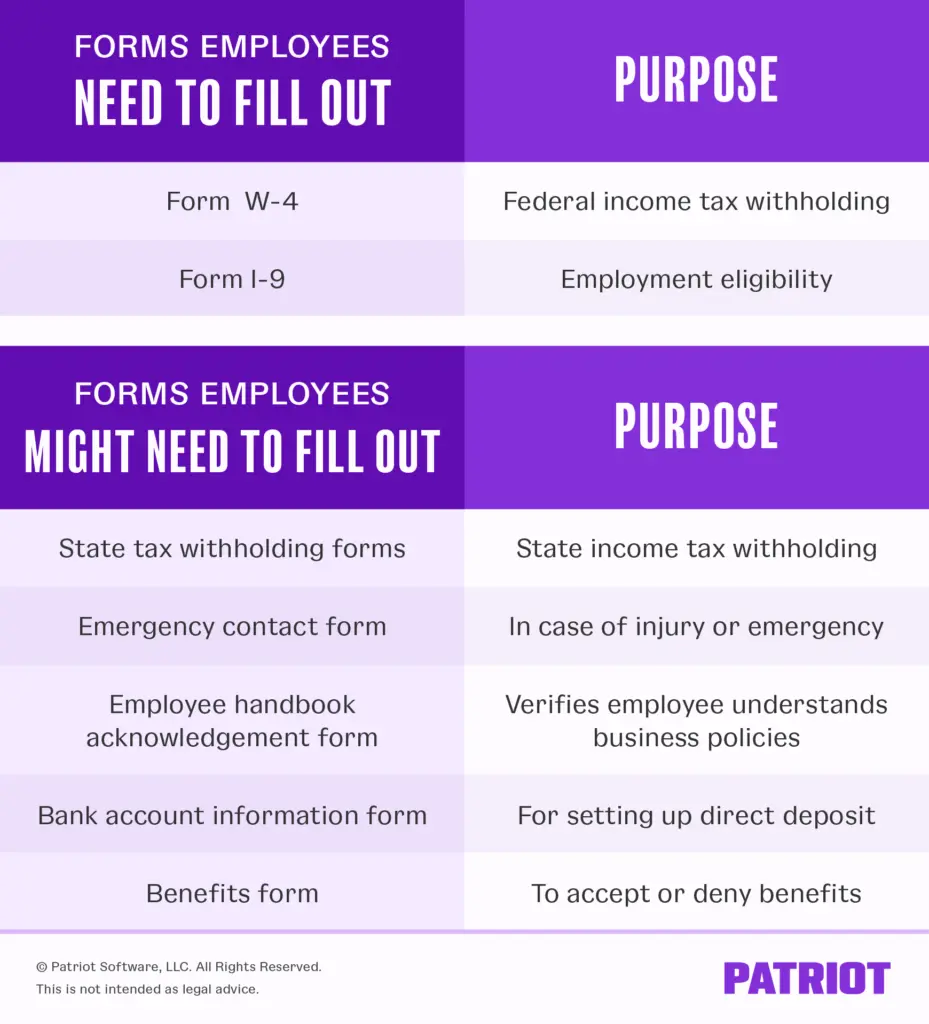
Regardless of an employee’s physical work location, employers retain the fundamental responsibility of maintaining comprehensive and accurate records. For remote employees, this necessity is amplified by the potential for geographical dispersion. Key documents required for all employees, remote or otherwise, include:
- Form I-9, Employment Eligibility Verification: This form is mandatory to verify the identity and employment authorization of individuals hired for employment in the United States. For remote hires, the verification process can be complex, often requiring authorized representatives or digital solutions to inspect documents remotely, adhering to evolving DHS guidelines.
- Form W-4, Employee’s Withholding Certificate: This form dictates the federal income tax to be withheld from an employee’s wages. Accuracy is paramount, especially when employees reside in different states, as federal withholding remains consistent but state and local taxes vary significantly.
- State Income Tax Withholding Forms: Many states have their own specific withholding certificates, similar to the federal W-4, which remote employees must complete based on their state of residence and/or work location.
- Direct Deposit Authorization Forms: As direct deposit is the preferred and often most secure method for remote payroll, obtaining explicit authorization is crucial.
- Employee Handbook Acknowledgement: Ensuring remote employees understand and acknowledge company policies, particularly those pertaining to remote work, data security, and communication protocols, is vital for compliance and setting expectations.
The secure and efficient collection of these forms is paramount. Digital employee portals, offering secure encryption and electronic signature capabilities, have become indispensable tools. These platforms not only streamline the onboarding process but also provide a centralized, secure repository for sensitive employee data, mitigating risks associated with physical document handling and mail. Employers must also adhere to strict record-keeping requirements, such as the Department of Labor’s mandate to retain payroll records for at least three years, irrespective of the employee’s location.
2. Navigating the Labyrinth of Payroll Tax Withholding
Perhaps the most intricate aspect of remote payroll is determining the correct tax withholding obligations. While federal taxes (Social Security, Medicare, and federal income tax) remain consistent across the U.S., state and local tax requirements are highly variable and depend significantly on the employee’s work location and sometimes their residence.
- State Income Tax: The general rule of thumb dictates that employers withhold state income tax for the state where the employee physically performs work. This can lead to complexities if an employee lives in one state but works remotely from another, even if their employer’s headquarters is in a third state.
- Tax Nexus: The presence of a remote employee in a state can create a "tax nexus" for the employer. This means the employer establishes a sufficient connection with that state to trigger various tax obligations, including state income tax withholding, unemployment insurance, and potentially corporate income tax. Businesses must actively register with the relevant state tax agencies in every state where they have remote employees to ensure compliance.
- Reciprocity Agreements: Some states have reciprocity agreements, which simplify tax withholding for employees who live in one state but work in an adjacent state. Under such agreements, employees may only be subject to income tax in their state of residence, not their work state. However, these agreements are not universal and require careful verification.
- "Convenience of the Employer" Rule: A few states, such as New York, Delaware, Nebraska, and Pennsylvania, apply a "convenience of the employer" rule. If an employee works remotely for an employer in one of these states, but their remote work is for their own convenience rather than the necessity of the employer, they may still be subject to income tax in the employer’s state, even if they physically work in another state. This rule adds another layer of complexity that demands expert legal and tax consultation.
- Local Taxes: Beyond state taxes, many cities, counties, and school districts levy their own income or occupational taxes. These local taxes are typically based on the employee’s residence or work location and require separate registration and remittance.
The implications of incorrect withholding can be severe, leading to penalties, interest, and potential legal challenges. Therefore, meticulous research, ongoing monitoring of state tax laws, and often, the use of advanced payroll software with multi-state tax compliance capabilities are essential.
3. Secure and Efficient Payment Methods
The method by which remote employees receive their wages is another critical consideration, balancing security, convenience, and compliance with state-specific pay laws.
- Direct Deposit: Universally recognized as the most secure, efficient, and preferred payment method, direct deposit enables electronic transfer of funds directly into an employee’s bank account. It eliminates the logistical challenges of physical checks, reduces administrative overhead, and provides instant access to funds for employees.
- Pay Cards: For employees without traditional bank accounts or who prefer alternatives, pay cards (prepaid debit cards loaded with wages) offer a viable option. Employers must, however, be acutely aware of state-specific regulations governing pay cards, including requirements for alternative payment options and fee disclosures.
- Mobile Wallets: Emerging as a convenient option, mobile wallets (e.g., Apple Pay, Google Pay) can also be used for wage disbursement, though their widespread adoption for payroll is still developing and depends on the specific platform’s capabilities and regulatory compliance.
- Paper Checks: While less common for remote employees due to logistical challenges, physical checks remain an option. If utilized, employers must account for mail delivery times, potential delays, and the secure handling of sensitive information. Mailing checks to out-of-state employees requires careful consideration of timely delivery requirements.
When selecting payment methods, employers must prioritize security and compliance with state wage payment laws, which may dictate acceptable methods, pay frequencies, and requirements for final paychecks.
4. The Importance of Transparent Pay Stubs
Providing employees with clear and detailed pay stubs is a non-negotiable aspect of payroll. A pay stub serves as an essential record of an employee’s gross wages, deductions (taxes, benefits, garnishments), and net pay. For remote employees, the method of delivery is key.
- Employee Portals: Digital employee self-service portals are the ideal solution for remote workforces. They allow employees secure, 24/7 access to their pay stubs, W-2s, and other payroll-related documents. This method is not only efficient but also environmentally friendly and reduces administrative burden.
- Email (with security): While possible, emailing pay stubs requires robust security measures, such as password-protected documents or secure, encrypted email services, to protect sensitive personal information. Consent for electronic delivery is often legally required.
- Mail: Physical mailing of pay stubs is an option but introduces delays and risks of loss or interception, making it less suitable for a geographically dispersed workforce.
Employers must also ensure that pay stubs comply with all federal and state requirements regarding the information they must contain. Some states have specific mandates on the format (e.g., printed vs. electronic) or the level of detail required.
5. Adherence to Diverse State Employment Laws
Beyond tax withholding, remote employees are subject to the employment laws of the state (and sometimes locality) where they perform their work, not necessarily the state where the employer is headquartered. This necessitates a comprehensive understanding of diverse legal frameworks. Key areas include:

- Minimum Wage and Overtime: State minimum wage rates often exceed the federal minimum, and state overtime laws can have different thresholds or calculation methods.
- Paid Time Off (PTO) and Sick Leave: Many states and localities mandate paid sick leave, family leave, or other forms of PTO, with varying accrual rates and usage rules.
- Meal and Rest Breaks: State laws dictate requirements for meal periods and rest breaks, which can vary significantly and must be adhered to for remote hourly employees.
- Workers’ Compensation: Employers must secure workers’ compensation insurance in each state where they have employees, regardless of whether they work remotely or in an office.
- Unemployment Insurance: Employers are typically required to pay state unemployment insurance (SUI) in the state where the employee works.
- Final Paycheck Laws: States have specific deadlines for issuing final paychecks to terminated employees, which can be as stringent as immediately upon termination.
- Expense Reimbursement: Several states mandate the reimbursement of necessary business expenses incurred by employees, which is particularly relevant for remote workers who may incur costs for internet, phone, or home office supplies. Establishing a clear, compliant reimbursement policy is crucial.
The complexity of these varied laws underscores the importance of consulting with legal counsel or utilizing HR and payroll software designed for multi-state compliance.
Additional Remote Payroll Essentials for Robust Compliance
Beyond the core considerations, several other factors are crucial for a resilient remote payroll strategy.
1. Correct Worker Classification
The distinction between an employee (W-2) and an independent contractor (1099) is paramount. Misclassification can lead to severe penalties, back taxes, and legal challenges. For remote workers, where the lines can sometimes blur, employers must rigorously apply federal and state criteria (e.g., behavioral control, financial control, relationship of the parties) to ensure accurate classification. A remote worker is typically an employee if the company controls what work is done and how it is done, provides tools, and establishes a long-term relationship.
2. Accurate Time Tracking and Time Zone Management
For hourly remote employees, precise time tracking is essential for compliance with wage and hour laws, including overtime calculations. Robust timekeeping systems, ideally integrated with payroll, should accurately record hours worked and account for different time zones. Employers must define the "official" work location and time zone for each employee and apply the relevant state’s overtime rules, which may differ from the employer’s headquarters. Geolocation features in time-tracking software can also add a layer of verification, though privacy considerations must be respected.
3. Clear Reimbursement and Stipend Policies
As remote employees incur expenses related to their home office setup, internet, and utilities, clear and compliant reimbursement policies are vital. Some states legally require reimbursement for "necessary business expenses." Employers should establish policies that define eligible expenses, outline the approval process, set limits (if applicable), and ensure timely processing through payroll. Providing stipends for home office equipment or internet service can simplify this, but employers must understand the tax implications of stipends versus reimbursements.
4. Prioritizing Payroll Data Security
With sensitive employee financial and personal data being transmitted and stored digitally, robust data security protocols are non-negotiable. This includes implementing multi-factor authentication (MFA) for all payroll systems, establishing role-based access controls, encrypting data, and conducting regular security audits. Employers must ensure that any platforms used for document sharing or payroll processing comply with stringent data privacy regulations and that employees are educated on secure remote work practices.
5. Regular Payroll Audits and Reconciliation
Given the inherent complexities of multi-state remote payroll, periodic audits are essential. Employers should regularly review:
- State and Local Registrations: Confirm all necessary tax and unemployment registrations are active and current in each state of employment.
- Tax Rates: Verify that the correct state and local tax rates are being applied to each employee.
- Unemployment Accounts: Reconcile state unemployment insurance (SUI) accounts.
- Employee Addresses: Ensure accurate residential and work addresses are on file.
- Classification: Re-verify exempt vs. non-exempt classifications.
- Compliance: Spot-check overtime calculations, pay frequency compliance, and other state-specific wage laws.
These audits help identify and rectify discrepancies proactively, preventing costly penalties and ensuring ongoing compliance.
Technological Solutions and Expert Insights
The complexities outlined above make it clear that manual payroll processes are often insufficient for a distributed workforce. Advanced payroll software and Human Resources Information Systems (HRIS) have become indispensable tools. These platforms offer:
- Multi-State Tax Support: Automated calculation and filing of federal, state, and local taxes across multiple jurisdictions.
- Direct Deposit Integration: Seamless and secure electronic wage disbursement.
- Time Tracking Integration: Automated capture of work hours, including overtime calculations.
- Employee Self-Service Portals: Secure access for employees to view pay stubs, tax forms, and manage personal information.
- Compliance Updates: Regular updates to incorporate changes in federal, state, and local tax laws and regulations.
- Reporting and Analytics: Tools to generate detailed payroll reports for auditing and financial analysis.
HR and legal experts consistently advise businesses to seek specialized guidance when navigating multi-state payroll. "The legal and tax landscape for remote work is constantly evolving," notes one HR consultant. "What was compliant last year might not be this year, especially with states aggressively seeking revenue from companies with a nexus in their jurisdiction." Businesses are encouraged to partner with payroll service providers that specialize in multi-state compliance or consult with employment lawyers and tax professionals to tailor strategies to their specific remote workforce configurations.
Broader Implications and the Future Outlook
The effective management of remote payroll has significant implications for both businesses and the broader economy. For companies, it directly impacts financial stability, legal standing, and reputation. Non-compliance can lead to substantial fines, litigation, and reputational damage, while efficient payroll fosters trust and satisfaction among employees. For employees, accurate and timely pay is fundamental to financial well-being and morale.
As remote and hybrid work models continue to mature, the regulatory environment is expected to become even more sophisticated. Legislators are likely to introduce new laws addressing issues such as remote worker protections, tax sourcing rules, and digital nomad policies. Businesses that proactively invest in robust payroll systems, adhere to compliance best practices, and seek expert advice will be best positioned to thrive in this evolving landscape. The era of remote work demands not just flexibility in operations, but also meticulous precision in administrative functions, with payroll standing at the forefront of this new operational paradigm.