Candice Horbacz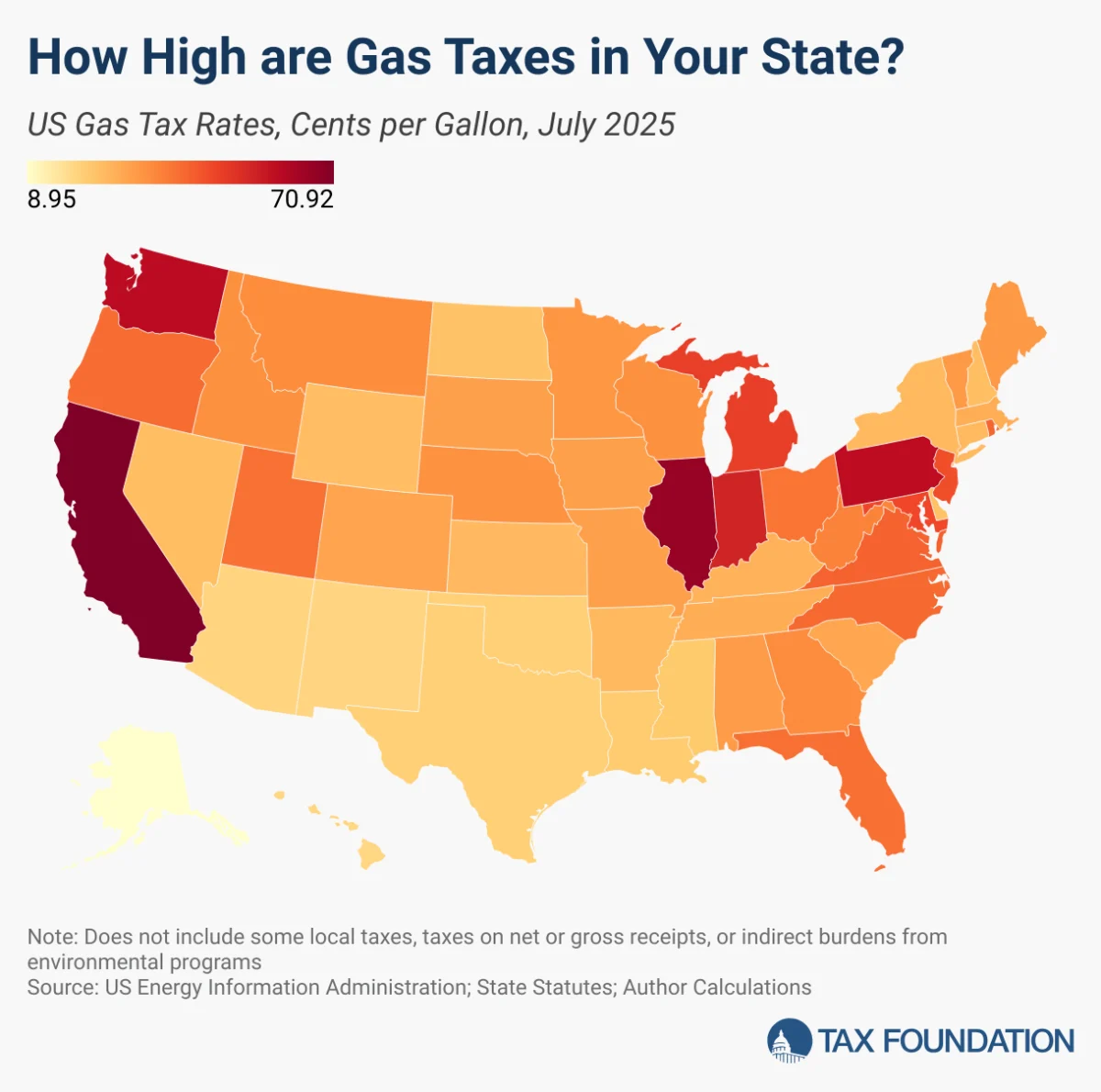
Gas taxes fundamentally influence the daily lives and financial well-being of most Americans, representing a direct cost for the privilege of utilizing government-maintained roadways. Historically conceived as a user fee, this levy aims to channel funds directly from drivers to the construction, upkeep, and modernization of the transportation infrastructure they rely upon. This application of the user fee principle ensures that those who benefit most from a public service contribute directly to its provision, avoiding the imposition of costs on the broader populace for services they may not use. The efficacy of a user-fee pay structure is particularly pronounced in transportation services, where a direct link between usage and contribution is paramount for sustainable funding.
The Foundation of Fuel Taxation: A User Fee Principle
The concept of a fuel tax as a user fee for roads traces its origins back to the early 20th century, coinciding with the rapid expansion of automobile ownership and the subsequent demand for improved road networks. Oregon pioneered the state gas tax in 1919, initially levying one cent per gallon. Other states soon followed, recognizing the fairness and efficiency of having motorists directly finance the roads they used. The federal government entered the arena in 1932, during the Great Depression, imposing a one-cent-per-gallon tax to bolster general revenue, later dedicating these funds to the Highway Trust Fund in 1956 with the passage of the Federal-Aid Highway Act. This landmark legislation established the modern framework for federal highway funding, ensuring a consistent revenue stream for the ambitious Interstate Highway System. The federal excise tax on gasoline currently stands at 18.4 cents per gallon, with an additional 24.4 cents per gallon for diesel, serving as a baseline contribution that all drivers across the nation make towards federal highway projects.
A user fee, in essence, is a charge imposed by the government with the primary objective of covering the operational or capital costs of providing a specific service. Unlike a general tax, which contributes to the overall public purse for a broad array of government functions, a user fee directly links the payment to the benefit received. This distinction is crucial for understanding the original intent of the gas tax: to create a dedicated funding stream for roads, thereby aligning the financial burden with the direct beneficiaries of the infrastructure. Transportation economists and policy analysts often laud the gas tax, in its ideal form, as an exemplary user fee because the consumption of gasoline is a reasonable proxy for road usage, and thus, for the wear and tear on infrastructure. However, as vehicle technology and environmental policies evolve, the direct correlation between gasoline consumption and road usage is becoming increasingly tenuous, presenting significant challenges to this long-standing funding model.
How States Fuel Their Roads: A Complex Web of Levies
States employ a multifaceted approach to taxing fuel, resulting in a complex and varied landscape across the United States. The most prevalent method involves per-gallon excise taxes, collected at the pump, which are fixed charges regardless of the fuel’s price. These excise taxes form the backbone of state-level fuel revenue, providing a predictable (though not inflation-adjusted in many cases) income stream for transportation departments.
Beyond these foundational excise taxes, many states layer additional levies that further inflate prices for consumers. Some states incorporate general sales taxes on gasoline purchases, which, unlike excise taxes, are ad valorem—meaning they are a percentage of the retail price. This structure means that as fuel prices rise, so does the tax revenue generated per gallon, a phenomenon particularly noticeable during periods of market volatility. Other states impose taxes on wholesalers or retailers, which are then typically passed on to consumers through higher pump prices. These upstream taxes add another layer of complexity to the overall tax burden and can make it challenging for consumers to discern the precise tax component of their fuel purchase.
Furthermore, states often implement a variety of supplementary fees to address specific needs or regulatory requirements. Common examples include underground storage tank fees, designed to fund programs for preventing and cleaning up leaks from fuel storage facilities, and environmental surcharges aimed at mitigating the ecological impact of fuel consumption. While individually these fees might seem modest, collectively they contribute to the total tax burden on gasoline, which varies significantly from one state to another. This intricate web of federal, state, and local taxes and fees means that the ultimate cost drivers pay at the pump is a product of numerous legislative and regulatory decisions, reflecting diverse state priorities and funding strategies.
A Tale of Two Coasts: Extreme Variations in Gas Tax Burden
The cumulative tax burden on gasoline from these various federal, state, and local levies presents a stark picture of regional disparity across the U.S. Drivers in some states shoulder more than eight times the tax burden of their counterparts elsewhere.
California consistently levies the highest overall tax on gasoline, reaching an astounding 73.6 cents per gallon (cpg) in direct taxes. This high rate reflects a combination of the state’s significant excise tax, various fees, and the initial components of its ambitious environmental programs. The Golden State’s extensive and aging infrastructure, coupled with its commitment to progressive environmental policies, necessitates substantial revenue generation. Following California, Illinois imposes the second-highest gas tax at 70.4 cpg. Illinois’s rate saw a notable increase in 2019, when the state doubled its motor fuel tax and introduced a mechanism for automatic annual adjustments tied to inflation, aiming to address a chronic underfunding of its transportation system. Indiana rounds out the top three at 63.1 cpg, distinguished by its use of an ad valorem sales tax on gasoline, which makes its total tax burden particularly sensitive to fluctuating fuel prices. These states often justify their higher rates by pointing to the extensive road networks they maintain, the high costs of construction and labor, and the growing demands of their populations.
Conversely, the lowest gas tax rates are found in states like Alaska, which levies a mere 8.95 cpg. Alaska’s unique geographical challenges, lower population density, and different economic structures, heavily reliant on oil revenue, contribute to its minimal fuel tax. Hawaii follows at 18.5 cpg, a rate that, while low at the state level, is often significantly augmented by substantial local taxes, as discussed below. New Mexico is close behind at 18.9 cpg. These states with lower rates may rely on other revenue sources for infrastructure funding, have smaller road networks, or face different political dynamics regarding taxation. It is important to note that these state-level figures typically exclude certain local taxes, the full effects of complex environmental programs, and specific gross receipts taxes, which can further alter the actual price drivers pay.
Beyond State Lines: The Impact of Local Levies
While state governments are the primary architects of fuel taxation, many states permit local jurisdictions to impose their own additional taxes on gasoline, creating even greater variations in price at the pump. These local taxes often serve to fund specific regional transportation projects, public transit initiatives, or local road maintenance, allowing communities to address unique infrastructure needs without relying solely on state allocations.
Hawaii provides a compelling example where local taxes can eclipse state-level levies. In Maui County, for instance, drivers can face an additional 24 cpg in local taxes, exceeding the state’s modest 18.5 cpg excise tax. This significant local surcharge underscores the decentralization of some infrastructure funding decisions and the varied needs of different Hawaiian islands.
Nevada also features substantial local-level taxes, primarily driven by the Regional Transportation Commission’s Fuel Revenue Indexing. This mechanism allows local gas taxes to automatically increase based on inflation and other factors, providing a dynamic funding source for regional transportation improvements. In Clark County, which includes Las Vegas, the local tax adds 39.8 cpg, while in Washoe County, encompassing Reno, the local tax burden can reach 67.8 cpg. This Washoe County rate alone is higher than the third-highest state tax rate in the nation, highlighting the profound impact local policies can have on the final price consumers pay. These regional variations demonstrate a trend towards more localized funding solutions, allowing communities to tailor revenue generation to specific infrastructure demands.
Indirect Burdens: Gross Receipts and Environmental Policies
Beyond per-gallon excise taxes and direct sales taxes, some states also employ less conventional methods that indirectly increase the cost of fuel. A few states levy a tax as a percentage of gross receipts on the sale of fuels, a mechanism that, unlike a fixed per-gallon excise tax, can be challenging to translate into a precise cents-per-gallon equivalent for consumers.
Connecticut stands out in this regard with its Petroleum Products Gross Earnings Tax, an 8.1 percent levy on wholesalers. While the Connecticut Department of Revenue Services provides an estimate of approximately 20.9 cpg for diesel fuel under this tax, a comparable per-gallon estimate for gasoline is not readily available, making it difficult for the average consumer to grasp its exact impact. This type of tax, while designed to capture a share of the revenue generated by fuel sales, introduces an additional layer of opacity to the overall tax burden.
Furthermore, a distinct and increasingly significant category of burden on gas prices stems from environmental programs and regulations. Unlike traditional gas taxes designed as user fees to fund roads, these policies are explicitly crafted to influence behavior by discouraging the consumption of products that generate greenhouse gas emissions, such as motor fuel. While not directly labeled as "taxes at the pump," their mechanisms inevitably lead to increased fuel costs, serving as a de facto environmental premium. This distinction between revenue generation for infrastructure and policy tools for behavioral change marks a crucial evolution in the role and impact of fuel-related levies.
The Green Premium: Environmental Regulations Reshaping Fuel Costs
The integration of environmental programs into the broader framework of fuel policy has introduced a new dimension to gas prices, particularly in states committed to aggressive climate action. These initiatives, ranging from carbon pricing mechanisms to low carbon fuel standards, are designed to internalize the external costs of carbon emissions, thereby incentivating cleaner energy choices and reducing reliance on fossil fuels. However, determining the precise marginal impact of these complex programs on the per-gallon price of gasoline proves challenging, with estimates varying substantially between state agencies, industry groups, and independent economic analyses.
California’s Ambitious Climate Policies:
California has long been a frontrunner in environmental regulation, and its policies have the largest discernible effect on gas prices. The state’s cap-and-trade program, established under Assembly Bill 32 (the Global Warming Solutions Act of 2006), sets an economy-wide limit on greenhouse gas emissions, requiring polluters to either reduce emissions or purchase allowances. The Legislative Analyst’s Office (LAO) estimates that this program increases gas prices by approximately 23 cpg. This cost is passed through to consumers as fuel distributors purchase and surrender allowances for the emissions associated with their products.
Adding to this is California’s Low Carbon Fuel Standard (LCFS), a groundbreaking regulation designed to reduce the carbon intensity of transportation fuels. The LCFS mandates a gradual reduction in the carbon intensity of fuels sold in the state, requiring refiners and importers to meet progressively stricter standards. If they fall short, they must purchase credits from producers of low-carbon fuels. This system creates a market for carbon credits, and the cost of these credits directly influences fuel prices. The LCFS was amended effective July 1, 2025, to become even more stringent, reflecting the state’s intensified climate goals. While the California Air Resources Board (CARB) had previously projected the LCFS to increase gas prices by as much as 52 cpg by 2026, more recent estimates from the California Energy Commission place the current LCFS impact at approximately 19 cpg. When combined with direct taxes, these programs elevate California’s total effective gas burden to around $1.156 per gallon, a figure unmatched nationally. Environmental advocacy groups often defend these costs, arguing they represent the true societal cost of pollution and drive essential innovation in clean energy. Conversely, industry representatives and consumer advocates frequently highlight these additional costs as significant burdens on households and businesses.
Washington’s Climate Commitment Act:
Washington State’s Climate Commitment Act (CCA), enacted in 2021, established a cap-and-invest program mirroring California’s, aiming to cap and reduce statewide greenhouse gas emissions. Initially, experts projected the CCA to raise gas prices by up to 44 cpg, particularly given the higher carbon prices observed in early auctions. However, the Washington State Department of Ecology has since provided more conservative estimates, claiming an impact of only 7.2 cpg from the Clean Fuel Standard (a separate but complementary program) and a range of 5.16 to 15.5 cpg from the cap-and-invest program itself. This discrepancy in estimates underscores the complexity of attributing precise costs in dynamic market-based systems. The state argues that the program’s benefits, including improved air quality and investments in climate solutions, outweigh these costs.
Oregon’s Clean Fuels and Climate Protection Programs:
Oregon has also implemented robust environmental policies affecting fuel prices. Its Clean Fuels Program (CFP), similar to California’s LCFS, mandates a reduction in the carbon intensity of transportation fuels. The Oregon Department of Environmental Quality estimated that the CFP increased gas prices by about 9.35 cpg in 2025. More recently, Oregon launched its Climate Protection Program (CPP), which caps emissions from the largest industrial polluters and fuel suppliers. While the state has not yet released official estimates of the CPP’s impact on gas prices, the cost of carbon under this program has been notably higher than in other states’ systems. This has led some analysts and industry groups to project a substantial burden on consumers, particularly as the program faces ongoing legal challenges from opponents who question its economic viability and accountability.
New Mexico’s Emerging Clean Transportation Fuel Program:
New Mexico is the latest state to join this trend, initiating its Clean Transportation Fuel Program (CTFP) in April 2026. This program, still under development, aims to reduce carbon emissions from the transportation sector through a credit-based system. While the New Mexico Environment Department emphasizes that the CTFP does not impose a direct tax or fee at the pump, it acknowledges that the requirement to generate or purchase carbon credits will inevitably lead to increased fuel costs, mirroring the experience of other states with similar programs. The total burden on gas prices will depend on the evolving cost of these associated carbon credits, creating an additional layer of financial impact for drivers in the state.
Whether these environmental measures are structured as direct carbon taxes, fuel standard mandates, or cap-and-trade systems, their overarching effect is a demonstrable increase in the price of gasoline. This "green premium" reflects a societal choice to internalize environmental costs, shifting the financial burden to consumers and industries in an effort to accelerate the transition to a lower-carbon economy. While the exact impact can be debated, the collective evidence suggests that these programs impose a significant, albeit indirect, burden on the prices drivers pay at the pump, representing a deliberate policy choice distinct from the traditional user-fee model for road funding.
Market Dynamics and Policy Responses: Gas Tax Holidays in Focus
The clearest manifestation of state policy’s impact on fuel prices can be seen in the pump prices themselves, though these are also heavily influenced by global market dynamics. While taxes and environmental policies are critical factors, broader economic forces, geopolitical events, and regional supply issues significantly shape the market. For instance, the original text alluded to "the ongoing war with Iran," which needs to be framed more broadly as geopolitical tensions and conflicts that can disrupt global oil supplies, leading to sudden and substantial price spikes. Refining capacity, particularly on the West Coast, also plays a crucial role; regions with limited refining infrastructure and higher transportation costs often experience elevated prices regardless of tax rates.
During periods of exceptionally high fuel prices, such as those exacerbated by global supply disruptions, there is often popular and political pressure for governments to provide relief to consumers. One frequently proposed solution is the "gas tax holiday," a temporary suspension of state or federal fuel taxes. These holidays gained particular traction during the surge in prices in 2022, prompting calls from various political figures and consumer groups. For states with ad valorem gas taxes, like Indiana, higher prices automatically translate into higher tax burdens, amplifying the perceived need for relief.
However, transportation economists and policy analysts widely criticize gas tax holidays as an inefficient and often counterproductive mechanism for providing consumer relief. Firstly, there is no guarantee that the full tax savings will be passed on to consumers. Fuel retailers may absorb a portion of the reduction, especially in less competitive markets, diluting the intended benefit. Secondly, these holidays fail to address the underlying causes of high prices, which are typically rooted in global supply-demand imbalances, geopolitical instability, or refining capacity constraints. By artificially lowering the price at the pump, such measures can inadvertently stimulate demand precisely when supply is tightest, potentially exacerbating price increases once the holiday expires.
Perhaps most critically, gas tax holidays undermine the very purpose of the fuel tax as a user fee for roads. Road user fees already struggle in many states to cover the costs of maintaining and improving transportation infrastructure. Suspending these taxes creates immediate funding shortfalls, forcing states to either defer critical road projects, draw from other general revenue sources (like income or sales taxes), or issue debt. This shifts the financial burden of road maintenance to less appropriate, broader tax bases, violating the user-fee principle. While politically appealing, gas tax holidays offer only minimal, temporary relief to drivers at the expense of long-term infrastructure stability, presenting a classic example of short-term political expediency clashing with sound fiscal policy.
The Road Ahead: Challenges to the Traditional Gas Tax Model
The traditional per-gallon excise tax on fuels, while historically effective, is facing an accelerating decline in its efficacy as a primary mechanism for funding transportation infrastructure. Several converging trends are steadily eroding its revenue-generating capacity and undermining its foundational principle as a user fee.
Foremost among these challenges is the rapid adoption of electric vehicles (EVs). EVs, by their very nature, consume no gasoline and therefore contribute nothing to the gas tax fund, despite utilizing the same roads as internal combustion engine vehicles. The market share of EVs is growing rapidly, driven by technological advancements, environmental incentives, and shifting consumer preferences. As more drivers switch to electric, the pool of gas tax payers shrinks, leading to a significant and growing revenue deficit for transportation departments.
Compounding this issue is the continuous improvement in the fuel efficiency of conventional gasoline vehicles. Advances in engine technology, aerodynamics, and lightweight materials mean that modern cars travel more miles on less fuel than their predecessors. While beneficial for consumers and the environment, this trend directly translates to lower gas tax collections per mile driven, further decoupling road usage from tax contributions.
Finally, persistent inflation continues to erode the real value of revenues derived from unindexed gas tax rates. Many state and the federal gas taxes are fixed at a certain cents-per-gallon rate, and these rates have not been adjusted for decades in many jurisdictions. As the cost of labor, materials, and construction rises due to inflation, the purchasing power of a fixed gas tax revenue stream diminishes. This "bracket creep" or "inflation erosion" means that states receive less real funding for infrastructure projects over time, even if the nominal revenue remains stable. The combination of these factors – the rise of EVs, improved fuel efficiency, and inflation – means that the gas tax is becoming an increasingly poor proxy for the actual cost of road usage, jeopardizing the long-term sustainability of transportation funding.
Paving the Way for the Future: Exploring Alternative Funding Mechanisms
Faced with the undeniable reality of a deteriorating gas tax model, states across the nation are actively exploring and implementing alternative funding mechanisms to ensure the solvency of their transportation systems. The goal is to re-establish a more equitable and sustainable link between road usage and funding contributions.
A widely adopted interim solution has been the imposition of special fees on electric vehicles. Most states have now enacted some form of EV registration fee, typically an annual charge ranging from $50 to over $200. These fees are designed to compensate for the lost gas tax revenue that EV drivers would otherwise contribute. While these fees are a step towards addressing the equity issue, they are often a fixed charge and may not perfectly correlate with actual road usage, nor do they fully capture the amount an equivalent gasoline vehicle would contribute through fuel taxes.
The most transformative and widely discussed alternative is the Vehicle Miles Traveled (VMT) tax, which charges drivers per mile driven rather than per gallon of gas consumed. A VMT tax, if properly calibrated and implemented, holds the potential to address all the shortcomings of the traditional gas tax. It would eliminate the non-neutral treatment of vehicles with different fuel efficiencies and power sources, ensuring that EVs, hybrids, and gasoline-powered cars all contribute proportionally to road maintenance based on their actual use. This system would directly align roadway revenues with expenditures, establishing a true user-fee model for the 21st century.
Several states have already begun piloting VMT programs to test their feasibility and address potential challenges. Oregon, for example, launched "OReGO" in 2015, a voluntary program that allows participants to pay a per-mile charge instead of the state’s gas tax. Other states, including Utah and Washington, have also initiated pilot programs or are studying the implementation of VMT systems. The benefits are clear: VMT taxes offer a direct, equitable, and sustainable funding source for roads. However, significant hurdles remain, including privacy concerns regarding tracking vehicle movements, the technological infrastructure required for implementation (such as GPS-based systems or odometer readings), and the administrative costs of collecting and managing such a widespread tax. Questions of equity, particularly for rural drivers who tend to travel more miles, and the interoperability of systems across state lines also need careful consideration. Despite these challenges, VMT taxes are increasingly seen by transportation experts and policymakers as the most promising long-term solution for ensuring that drivers continue to pay for the roads they use in an era of evolving vehicle technology and environmental priorities.
Conclusion: A Crossroads for Transportation Funding
The landscape of U.S. gas taxation is at a critical juncture, navigating the complex interplay of historical user-fee principles, contemporary environmental imperatives, and the accelerating pace of automotive innovation. What began as a straightforward mechanism to fund burgeoning road networks has evolved into a multi-layered system, influenced by diverse state-level priorities, local needs, and increasingly, ambitious climate goals. The significant variations in gas tax burdens across states, from California’s comprehensive levies incorporating environmental costs to Alaska’s minimal rates, highlight the disparate approaches to infrastructure funding and environmental stewardship.
The rise of indirect costs through environmental programs like cap-and-trade and low carbon fuel standards signifies a profound shift, transforming fuel levies from mere road maintenance fees into powerful instruments for behavioral change and emissions reduction. While these policies are crucial for addressing climate change, their impact on fuel prices necessitates transparent communication and careful economic analysis to ensure fairness and prevent undue burden on consumers.
Simultaneously, the foundational pillars of the traditional gas tax are crumbling under the weight of electric vehicle adoption, improved fuel efficiency, and the corrosive effects of inflation. This erosion of revenue threatens the very infrastructure it was designed to support, demanding innovative and equitable solutions. The exploration of electric vehicle fees and, more significantly, Vehicle Miles Traveled (VMT) taxes, represents a forward-looking effort to recalibrate the user-fee model for the 21st century. These alternatives promise a more direct and sustainable link between road usage and funding, ensuring that the costs of maintaining America’s vital transportation networks are borne by those who benefit most from them, regardless of their vehicle’s propulsion system. The ongoing debate and implementation of these new funding models will shape the future of American infrastructure, dictating how roads are built, maintained, and paid for in the decades to come.