Layla Zulfa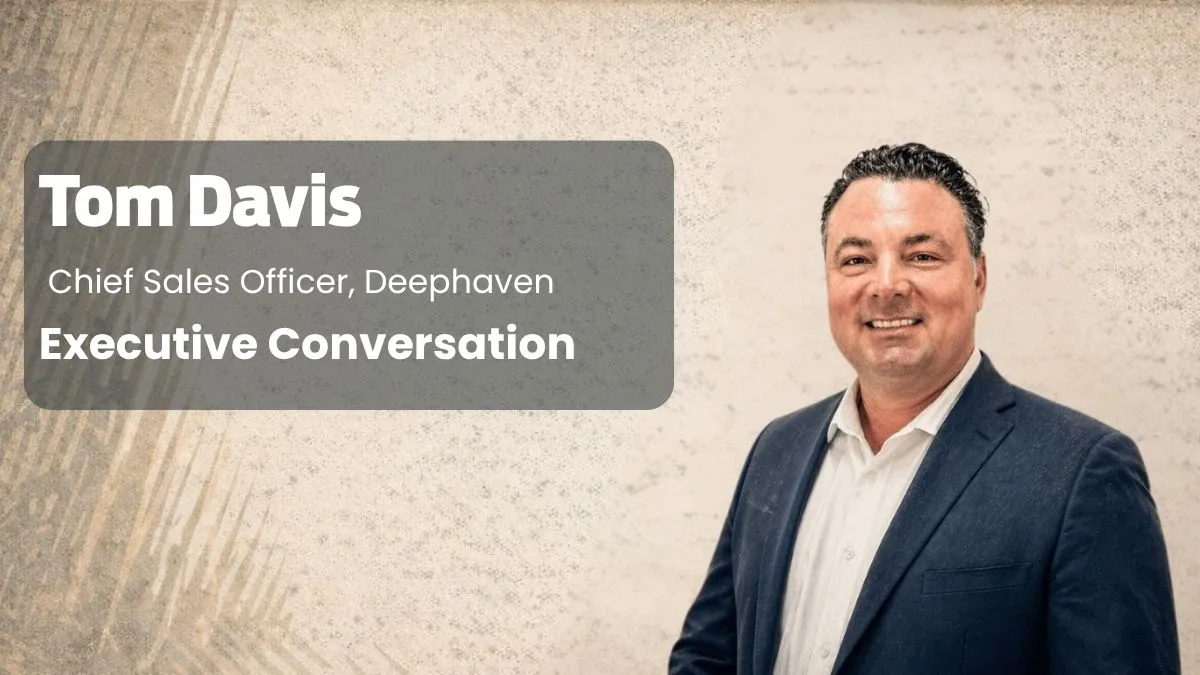
As the mortgage industry grapples with persistently low refinance activity and a challenging purchase market, lenders are recalibrating their strategies for sustainable growth. The emerging consensus points towards home equity as the next significant frontier. With a vast majority of homeowners benefiting from historically low mortgage rates, the traditional cash-out refinance has become an unappealing prospect. Consequently, borrowers are increasingly turning to second liens and other home equity products to unlock liquidity without sacrificing their advantageous primary mortgage rates. This shift is transforming home equity from a niche offering into a cornerstone of lending operations, according to industry experts.
Tom Davis, Chief Sales Officer at Deephaven, articulates this paradigm shift, highlighting that home equity is no longer an afterthought but a "generational opportunity" for originators. He emphasizes that the current lending environment necessitates a fundamental reevaluation of how lenders approach client relationships, particularly as retention and recapture dynamics evolve. The key, Davis explains, lies in understanding why borrowers are seeking alternative ways to access their home equity and how originators can adapt their strategies to meet this growing demand.
Home Equity Surges as the Dominant Lending Opportunity
The current economic landscape presents a unique confluence of factors that elevate home equity lending to an unprecedented level of importance. "The backdrop is simple: The U.S. is very equity-rich," Davis states. This wealth is largely a product of sustained home price appreciation over the past decade, coupled with a significant portion of the mortgage market being locked into rates established during periods of low interest. Data from Freddie Mac indicates that approximately 70% of U.S. homeowners currently hold mortgage rates below 5%, effectively creating a substantial disincentive for a broad cash-out refinance. This demographic reality means that attempting to refinance a primary mortgage for liquidity would invariably lead to higher monthly payments and increased long-term interest costs for a vast number of borrowers.
Complementing this rate lock-in is the sheer volume of tappable equity available. The Federal Reserve’s Household Equity data reveals that U.S. home equity has surpassed a staggering $35 trillion. This represents a significant portion of household wealth, with an estimated 75% of the net worth of the roughly 24 million millionaires in the U.S. being tied to their homes. This wealth realization is prompting a reevaluation of how homeowners view and utilize their home equity for practical financial needs.
The aging U.S. housing stock further fuels demand for equity-based financing. The National Association of Home Builders reports that the average U.S. home is now between 40 and 50 years old, driving a substantial increase in renovation and repair activity. Projections for home improvement spending in 2026 are expected to exceed $600 billion, as homeowners increasingly opt to stay in their current residences and invest in modernizing them. This trend is not merely about aesthetics; it’s a strategic decision to maintain and enhance valuable assets.
Beyond home improvements, other significant drivers are contributing to the surge in home equity utilization. Consumer debt has reached an all-time high of approximately $5 trillion, according to the Federal Reserve. Many consumers are leveraging home equity to consolidate high-interest debt, such as credit card balances, thereby reducing their overall interest burden and simplifying their financial obligations. Furthermore, self-employed individuals are utilizing equity to fund business ventures, and real estate investors are employing it to expand their portfolios without disturbing their favorably priced first mortgages. The common thread across these diverse use cases is that home equity has firmly established itself as a primary liquidity tool for American households.
Despite the compelling market dynamics, Davis notes that many lenders continue to prioritize purchase volume, overlooking the substantial opportunity presented by home equity. This oversight results in a significant gap in client engagement. "Originators underestimate both the size of the opportunity and the role equity plays in retaining clients," he states. Industry data suggests that over 70% of borrowers do not return to their original loan officer for subsequent transactions, a substantial missed opportunity that equity products are uniquely positioned to address.
The Imperative for Alternatives to Traditional Refinancing
The shift in borrower behavior necessitates a corresponding evolution in how originators approach client interactions. Instead of defaulting to a refinance, which is often economically disadvantageous in the current rate environment, originators must pivot to offering home equity solutions. Tom Davis advocates for a more consultative approach, where loan officers act as financial advisors.
"Instead of defaulting to a refinance, originators need to walk borrowers through the economics," Davis explains. He illustrates this with a hypothetical scenario: a homeowner with a $500,000 mortgage at a 3% interest rate who needs $50,000. Refinancing the entire $550,000 at current higher rates would be financially detrimental. A second lien loan, such as a Home Equity Line of Credit (HELOC) or a closed-end second mortgage, allows the borrower to access the needed funds while preserving their low-rate first mortgage.
The use of financial tools, such as blended rate calculators, can effectively demonstrate the long-term cost savings and payment advantages of a second lien over a full refinance. "When borrowers see the difference between total payments and long-term costs, the decision often becomes obvious," Davis notes. This educational approach not only helps borrowers make informed decisions but also fosters trust and builds enduring client relationships. "If you put a borrower into a worse financial position, you risk losing them permanently. But if you guide them correctly, you build trust and create a long-term relationship," he adds.

Deephaven has responded to this evolving market by expanding its equity product portfolio, which now includes closed-end seconds, Debt Service Coverage Ratio (DSCR) second liens for investors, and digital HELOC options. Davis underscores the critical importance of product variety in this dynamic market. "The equity market is growing quickly and is expected to represent a meaningful share of total originations," he observes. "But borrowers don’t all have the same needs."
For instance, borrowers seeking predictable payments and financial stability may find closed-end seconds more appealing. Conversely, those requiring flexibility, such as investors or self-employed individuals, might benefit more from the revolving credit nature of HELOCs or products that accommodate alternative documentation. "That’s why having a full suite of options matters. It allows originators to match the product to the borrower’s situation rather than forcing a one-size-fits-all solution," Davis explains. Deephaven’s strategy, he notes, is to provide originators with a comprehensive range of products applicable to primary, secondary, and investment properties.
Retention and Recapture: The New Frontier of Competition
The battle for long-term customer loyalty is increasingly being waged in the realm of retention and recapture, and home equity products are central to this strategy. Davis points out that mortgage servicers have become exceptionally adept at retaining clients. Historically, client retention rates hovered around 25%. Today, however, these rates often exceed 70%, particularly after a second transaction. Servicers leverage sophisticated data analytics and targeted marketing to engage borrowers once their loans are sold, proactively offering them new products and services.
"If originators aren’t offering home equity products, they’re not just missing a deal today; they’re also losing the borrower to future transactions. That’s the bigger risk," Davis warns. The landscape is further complicated by the growing number of homeowners who have paid off their mortgages entirely. With over 40% of American homeowners now mortgage-free, a substantial segment of the market has no existing relationship with a lender.
To counter the aggressive retention strategies of servicers and to capture market share, originators must proactively integrate home equity offerings into their business models. "The most successful originators treat equity as a core part of their retention strategy," Davis asserts. This involves consistent engagement with past clients, offering relevant financial solutions, and positioning themselves as a trusted, go-to resource. Home equity products provide natural touchpoints for reconnecting with clients, whether for planned renovations, debt consolidation, or investment opportunities. This proactive approach helps originators maintain their relationship with borrowers, ensuring they are the first point of contact for future financial needs.
Building a Robust Equity Strategy for Originators
The digital HELOC landscape, while offering speed and efficiency, presents its own set of challenges, primarily a lack of flexibility. Davis observes that many highly automated digital HELOC solutions rely heavily on automated valuation models (AVMs) and rigid underwriting criteria. This can lead to the rejection of otherwise qualified borrowers who don’t fit neatly into predefined parameters.
"What we’ve focused on is a hybrid approach," Davis explains. "You still get the speed and efficiency of digital, but with manual off-ramps when needed." This hybrid model incorporates the ability to use traditional appraisals for more accurate valuations, review bank statements to assess non-traditional income streams, and effectively handle edge cases that automated systems might miss. The inclusion of a human element is crucial, as borrowers’ financial situations are often complex and non-standard. Originators need tools that can adapt to these real-world scenarios.
Successfully integrating home equity products into an originator’s business requires a strategic and well-trained approach. "It starts with training and mindset," Davis emphasizes. The distinction between average and top-performing originators often lies in their depth of product knowledge and their ability to effectively position these solutions. "The best professionals invest in understanding these products and how to position them."
A strategic focus on high-opportunity segments is also critical. For instance, investors represent a significant portion of real estate transactions and often engage in multiple deals annually, yielding a higher lifetime value for originators compared to traditional borrowers. Cultivating relationships with referral partners, particularly real estate agents who control a majority of listings, can open doors to new business. Originators who can offer differentiated expertise, especially in non-agency and equity solutions, are better positioned to forge these crucial partnerships.
Finally, leveraging an existing client database is paramount. "Every past client likely has equity," Davis points out. A simple, value-driven outreach can initiate conversations and uncover new opportunities. The most successful originators maintain ongoing communication, provide relevant solutions, and continuously deliver value to their client base, solidifying their position as the preferred financial partner. This proactive and relationship-centric approach is key to navigating the evolving mortgage landscape and capitalizing on the significant opportunities presented by home equity.