Nila Kartika Wati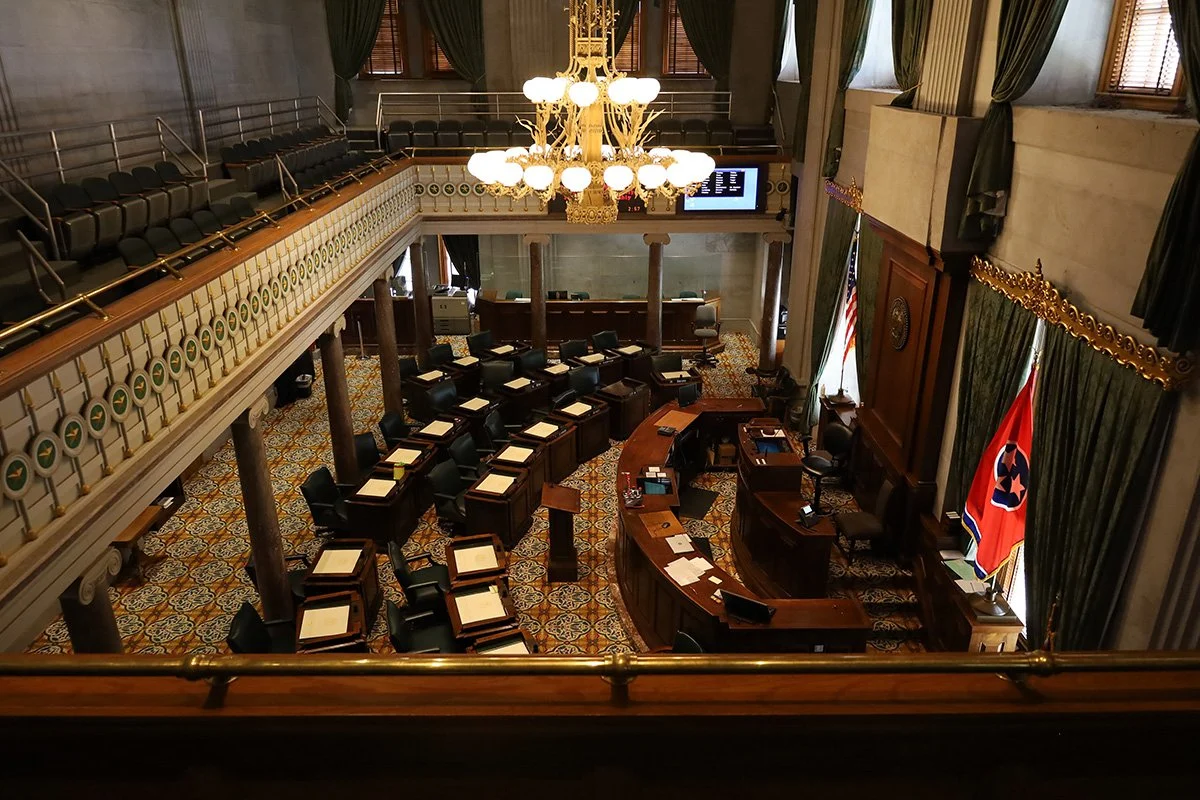
In the current landscape of American governance, the frontline of democratic preservation has shifted from the halls of the United States Congress to state legislatures, county commissions, and local school boards. While national attention often focuses on high-profile federal litigation and national election cycles, a growing number of local and state elected officials—disproportionately women of color—are facing unprecedented levels of political retaliation, physical threats, and institutional discipline for their efforts to protect civil rights and voting access. This shift has exposed a critical gap in the infrastructure of American democracy: while billions of dollars in philanthropic resources flow toward national advocacy and federal elections, the individuals standing between their local communities and the erosion of democratic norms are often left to navigate personal and professional crises without a safety net.
The recent experiences of leaders like Tennessee State Senator Charlane Oliver, Virginia State Senator Louise Lucas, and Georgia’s Fulton County Commissioner Mo Ivory illustrate a burgeoning pattern of state-level aggression. These officials, many of whom transitioned from grassroots organizing into elected office, are finding that the very institutions they serve are being weaponized against them. As political polarization intensifies, the cost of public service for marginalized leaders is rising, threatening to drive a generation of diverse voices out of the public square and undermining the long-term stability of local governance.
The Tennessee Precedent and the Cost of Legislative Dissent
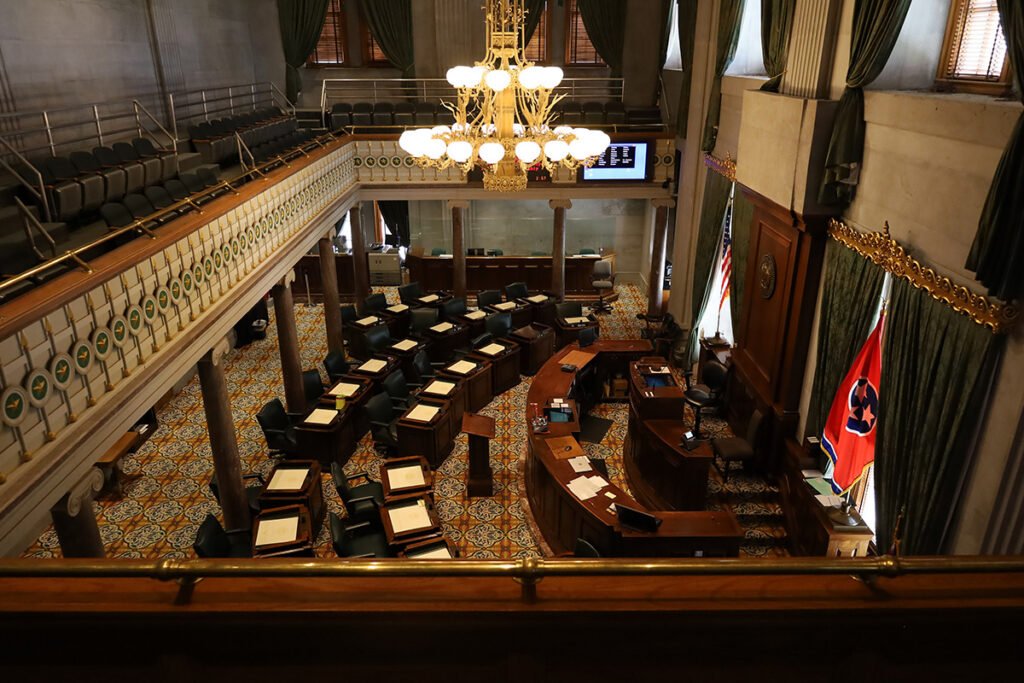
The situation in Tennessee has become a focal point for discussions regarding legislative overreach and the silencing of minority voices. State Senator Charlane Oliver, a co-founder of The Equity Alliance, has been at the center of this storm. In May, during a special session of the Tennessee General Assembly, Oliver participated in a floor protest against the redrawing of congressional maps. The redistricting in question effectively dismantled the state’s only majority-Black district, a move critics argue was designed to dilute the voting power of Nashville’s Black community and ensure a Republican supermajority in the state’s federal representation.
The institutional response to Oliver’s dissent was swift and punitive. Following her protest, she was removed from key committee assignments, saw her daily per diem restricted, and was stripped of her out-of-state travel stipend. This form of "administrative silencing" serves a dual purpose: it limits the legislator’s ability to influence policy and imposes a direct financial burden on the individual. For working-class representatives and mothers like Oliver, these sanctions are not merely symbolic; they are designed to make the cost of opposition unsustainable.
This incident did not occur in a vacuum. It follows the 2023 expulsion of State Representatives Justin Jones and Justin J. Pearson, who were removed from the House for participating in a gun reform protest. While the "Tennessee Three" incident gained international headlines, the ongoing, incremental punishment of leaders like Oliver suggests a new "normal" in state-level politics where procedural rules are utilized to suppress dissent from representatives of color.
Institutional Retaliation in Virginia and Georgia
The pattern of targeting local leaders extends beyond the Tennessee borders. In Virginia, State Senator Louise Lucas, the first woman and first African American to serve as Senate President Pro Tempore, faced a significant escalation of state pressure following her leadership in the state’s redistricting efforts. In May 2024, reports surfaced regarding a raid on her office, an event that sent shockwaves through the state’s political establishment. The use of investigative powers and law enforcement resources to target high-ranking officials who oppose the prevailing political order creates a "chilling effect" that extends far beyond the individual being investigated.
Similarly, in Georgia, the defense of election integrity has become a high-risk endeavor. Fulton County Commissioner Mo Ivory found herself in the crosshairs after speaking out against the FBI’s seizure of 2020 election materials from the Fulton County Elections Hub. Ivory reported a surge of hostile communications across social media and email, coupled with a physical break-in at her office. The convergence of digital harassment and physical security threats has become a hallmark of the experience for local officials in battleground states.
Commissioner Ivory’s testimony highlights the personal toll of these attacks. She noted that the hostility often follows officials home, blurring the line between public service and personal safety. When local officials are expected to defend the mechanics of democracy—such as election certification and voting access—while simultaneously fearing for their own physical security, the stability of the entire democratic system is compromised.
A Chronology of Increasing Political Pressure (2020–2024)
The escalation of threats against local officials can be traced through a series of pivotal moments over the last four years:
- November 2020: Following the presidential election, local election officials in Georgia, Michigan, and Arizona face unprecedented harassment, leading to a wave of resignations.
- 2021–2022: State legislatures begin introducing a record number of bills aimed at restricting voting access and shifting election oversight from non-partisan professionals to partisan bodies.
- April 2023: The Tennessee House expels two Black members, setting a precedent for using legislative rules to remove democratically elected representatives.
- Late 2023: The "Stop Cop City" RICO prosecutions in Georgia signal a broader trend of using organized crime statutes against political activists and their perceived allies.
- May 2024: Institutional sanctions against Senator Charlane Oliver and the investigation into Senator Louise Lucas highlight the ongoing use of state power to discipline dissenters.
Data and the Vulnerability of Local Representation
Data from the Brennan Center for Justice and the National League of Cities underscores the severity of the crisis. A 2023 study found that approximately one in three local officials have been the target of harassment, threats, or violence related to their public service. For women and people of color, the rates of harassment are significantly higher and often involve racialized or gendered vitriol.
Furthermore, the "pipeline" of diverse leadership is at risk. Organizations like the Women’s Democracy Lab (WDL) note that the individuals most needed in public office—teachers, nurses, and community organizers—are often the least insulated from the financial and legal consequences of political retaliation. Unlike career politicians from wealthy backgrounds or legal professions, these "movement-aligned" leaders often lack the personal capital to fund their own legal defenses or hire private security.
The demographic shift in state legislatures also plays a role. As more Black women and Indigenous leaders win seats in traditionally conservative or stagnant legislative bodies, the friction between the "old guard" and new representation often manifests as procedural warfare. This demographic friction is a primary driver of the current wave of censures and committee removals.
Official Responses and the Need for a Support Infrastructure
In response to these threats, a network of civil society organizations has begun to form a "defensive perimeter" around targeted officials. The In Defense of Movements Project (IDOM) and the Women’s Democracy Lab have identified a need for what they term "holistic safety and security." This framework moves beyond simple physical protection to include:
- Digital Autonomy: Protecting the private data and communications of officials to prevent doxing and digital surveillance.
- Legal Defense Funds: Providing rapid-response legal counsel to counter politically motivated investigations and ethics complaints.
- Financial Support: Offsetting lost income or restricted stipends resulting from legislative punishments.
- Narrative and Reputational Support: Countering disinformation campaigns and character assassination in local media.
Philanthropic entities such as the Solidaire Network’s Movement Protection Fund, the Moxie Fund, and the Piper Fund have begun to pivot toward these needs. However, the scale of the investment remains small compared to the billions spent on traditional campaign advertising and federal lobbying.
Broader Impact and the Future of Local Democracy
The implications of failing to protect local and state leaders are profound. When an elected official is silenced or intimidated into withdrawal, it is not just an individual loss; it is a disenfranchisement of the constituents who elected them. In states like Tennessee and Georgia, where legislative supermajorities hold nearly unchecked power, the ability of minority-party members to speak out is the only remaining check on executive and legislative overreach.
If the cost of dissent remains a "personal risk," the pool of candidates willing to run for office will inevitably shrink to only those who are independently wealthy or those who are willing to remain silent in the face of injustice. This would effectively reverse decades of progress in diversifying American leadership and would leave marginalized communities without a voice in the rooms where budgets are set, maps are drawn, and laws are written.
The current moment requires a fundamental reassessment of what it means to "defend democracy." It is no longer sufficient to focus solely on the ballot box or the Supreme Court. Democracy is being defended daily in the well of state senates and in county commission chambers. Protecting the individuals who occupy those seats—particularly the women of color who have become the primary targets of institutional retaliation—is the most urgent task facing those committed to the preservation of the American democratic project. Without a robust, well-funded infrastructure to support these leaders, the frontline of democracy may soon find itself without anyone left to hold the line.