Pevita Pearce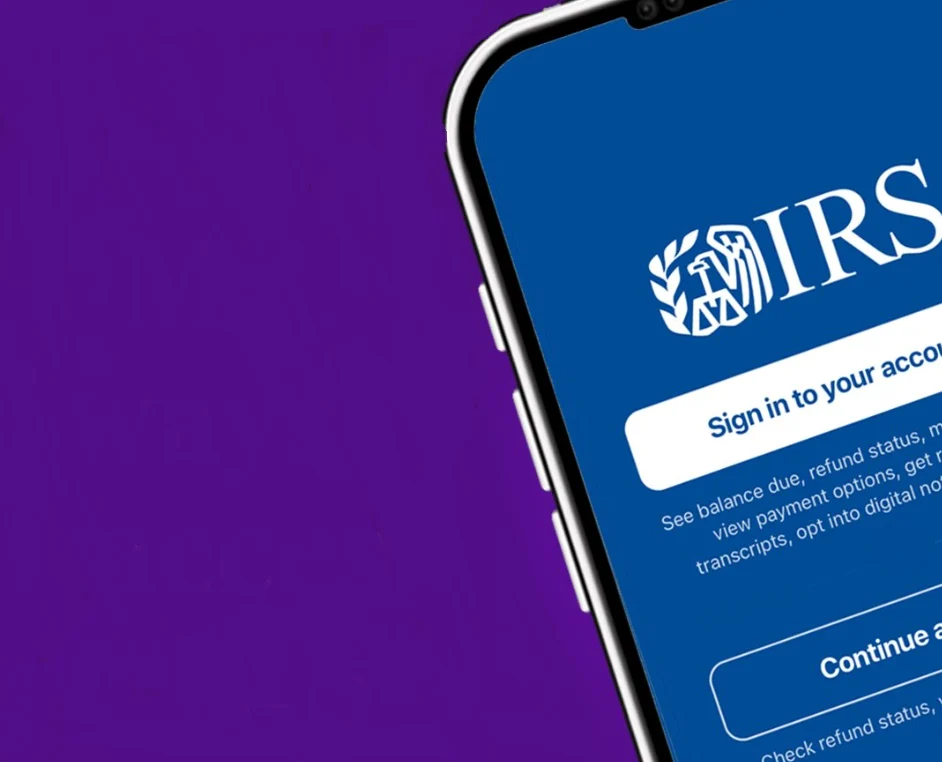
The Internal Revenue Service (IRS) has officially unveiled a significant upgrade to its digital taxpayer services with the introduction of a new, comprehensive mobile application. This advanced app, launched on Friday, aims to provide taxpayers with a more robust and secure platform for accessing a wider array of IRS services directly from their smartphones and tablets, marking a substantial evolution from its predecessor.
A New Era of Digital Taxpayer Engagement
The newly released IRS app represents a considerable leap forward from IRS2Go, the agency’s inaugural mobile application that debuted in January 2011. While IRS2Go offered essential functionalities such as tracking federal refund status and providing tax tips, the modern iteration is designed to integrate more deeply with taxpayer accounts and offer a richer self-service experience. This strategic move aligns with the IRS’s broader "digital-first" agenda, seeking to meet taxpayers wherever they are in their interactions with the agency.
"The new IRS app advances our digital-first agenda to meet taxpayers how and where they choose to interact with the IRS, whether at home or on the go," stated IRS CEO Frank Bisignano in a statement released on September 25. "Our goal is to make IRS services easy to access and more consistent across all of our platforms." This sentiment underscores the agency’s commitment to modernizing its infrastructure and enhancing taxpayer convenience in an increasingly digital world.
Enhanced Features and Secure Account Access
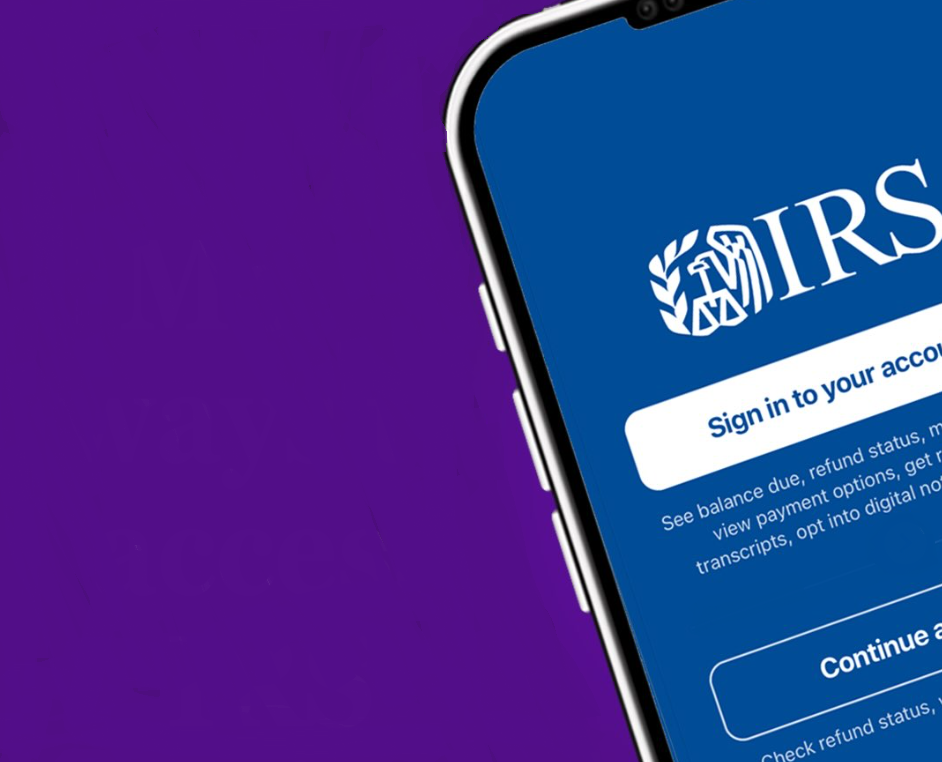
The cornerstone of the new IRS app is its expanded set of secure, account-specific features. Taxpayers can now securely sign in to the official IRS app to access a range of personalized self-service options. While the initial rollout focuses on selected individual account functionalities, the agency has indicated a commitment to continuously expanding the app’s capabilities over time.
Key features available through the new app include:
- Secure Sign-In: Robust authentication protocols ensure that taxpayer information remains protected.
- Access to Selected Account Information: Users can view pertinent details related to their tax accounts.
- Self-Service Options: A growing suite of tools allows taxpayers to manage certain aspects of their tax obligations without needing to contact the IRS directly.
The IRS has emphasized that this app is intended to complement, not replace, existing resources. IRS.gov remains the primary portal for comprehensive tax information, forms, publications, and extensive guidance. Similarly, the IRS Individual Online Account, Business Tax Account, and Tax Pro Account functionalities will continue to be accessible through the IRS.gov website. The mobile app is currently extending selected features from the Individual Online Account.
Background and Evolution of IRS Mobile Services
The journey to the current IRS app began over a decade ago with the introduction of IRS2Go in 2011. At that time, smartphones were rapidly becoming ubiquitous, and the IRS recognized the need to adapt its service delivery to this emerging technology. IRS2Go’s primary functions were to provide easy access to refund status updates and offer tax-related tips, catering to a growing demand for on-the-go information.
The development of the new app reflects a more mature understanding of mobile technology’s potential and the evolving expectations of taxpayers. The integration of secure account access represents a significant advancement, moving beyond informational tools to transactional capabilities. This evolution is part of a larger trend across government agencies to leverage digital platforms for improved citizen engagement and service delivery.
Availability and Transition for Existing Users
The new IRS app is available for free download on both the Apple App Store and Google Play, catering to the vast majority of smartphone users. For individuals who previously used IRS2Go, a separate download is not required. Taxpayers who have enabled automatic app updates on their devices will seamlessly transition to the new IRS app as part of their regular update process.
To ensure users are accessing the legitimate application, the IRS strongly advises taxpayers to obtain the app through verified links. The agency recommends visiting the IRS app page on IRS.gov for official download links and additional information. This advisory is crucial given the persistent threat of phishing scams and fraudulent applications that mimic legitimate government services.
Security and Fraud Prevention: A Critical Concern
In conjunction with the app’s launch, the IRS has reiterated its commitment to taxpayer security and issued a stern warning against fraudulent activities. The agency explicitly states that it will not solicit sensitive personal or financial information through unsolicited text messages, emails, or pop-up advertisements. Taxpayers are urged to exercise extreme caution and to verify the authenticity of any communication or application claiming to offer access to IRS accounts.
The IRS recommends a multi-step approach to verifying legitimacy:
- Use Verified Links: Always access IRS services through official IRS.gov links or directly from the Apple App Store and Google Play Store listings for the IRS app.
- Be Wary of Unsolicited Communications: Do not click on links or download attachments from suspicious emails, texts, or pop-up messages.
- Check App Store Listings: Ensure the app is published by the "Internal Revenue Service" and review user ratings and descriptions carefully.
- Contact the IRS Directly: If unsure about the legitimacy of a message or app, contact the IRS through official channels to confirm.
This proactive stance on security is paramount, as sophisticated scams can lead to identity theft and financial losses. By providing clear guidance and emphasizing verified sources, the IRS aims to empower taxpayers to protect themselves from these threats.
Analysis of Implications and Future Outlook
The introduction of the new IRS mobile app has several significant implications for taxpayers and the agency itself. For taxpayers, it promises greater convenience and faster access to essential services, particularly for those who prefer mobile-first interactions. The ability to manage certain account aspects on the go can reduce the need for phone calls or desktop computer access, streamlining the tax compliance process.
From the IRS’s perspective, this initiative is a strategic investment in digital transformation. By offering more self-service options through a secure mobile platform, the agency can potentially:
- Reduce Call Volume: Alleviating pressure on IRS call centers, which often face high demand, especially during tax season.
- Improve Efficiency: Automating certain processes and providing instant access to information can lead to greater operational efficiency.
- Enhance Taxpayer Satisfaction: Offering user-friendly digital tools can improve the overall experience for taxpayers.
- Gather Data for Future Improvements: User interaction with the app can provide valuable data for identifying areas for further enhancement and service expansion.
The IRS’s stated intention to continue expanding the app’s capabilities suggests a long-term vision for mobile service delivery. Future updates could potentially include more advanced features, such as payment processing, tax form submission, or personalized tax guidance. This continuous development approach is critical for keeping pace with technological advancements and evolving taxpayer needs.
Broader Context: Government Digital Services
The IRS’s move to enhance its mobile offerings is part of a broader trend across government agencies worldwide to embrace digital service delivery. Initiatives like the U.S. General Services Administration’s (GSA) Technology Modernization Fund aim to support agencies in upgrading their IT systems and improving citizen-facing digital services. The success of such platforms is often measured by user adoption rates, reduction in support costs, and improvements in citizen satisfaction surveys.
The IRS’s approach, emphasizing security and phased expansion, provides a model for other agencies looking to develop and deploy similar mobile solutions. The careful integration of secure account access, rather than simply providing static information, signals a move towards more interactive and personalized government services.
Conclusion
The launch of the new IRS mobile app marks a pivotal moment in the agency’s ongoing efforts to modernize its services and enhance taxpayer accessibility. By offering a secure, user-friendly platform with expanded self-service features, the IRS is demonstrating its commitment to meeting taxpayers in the digital age. While the app’s capabilities will continue to evolve, its initial rollout provides a significant step forward, promising greater convenience and efficiency for millions of Americans navigating their tax obligations. As the agency continues to build upon this foundation, taxpayers can anticipate further innovations designed to simplify and improve their interactions with the IRS.