Nila Kartika Wati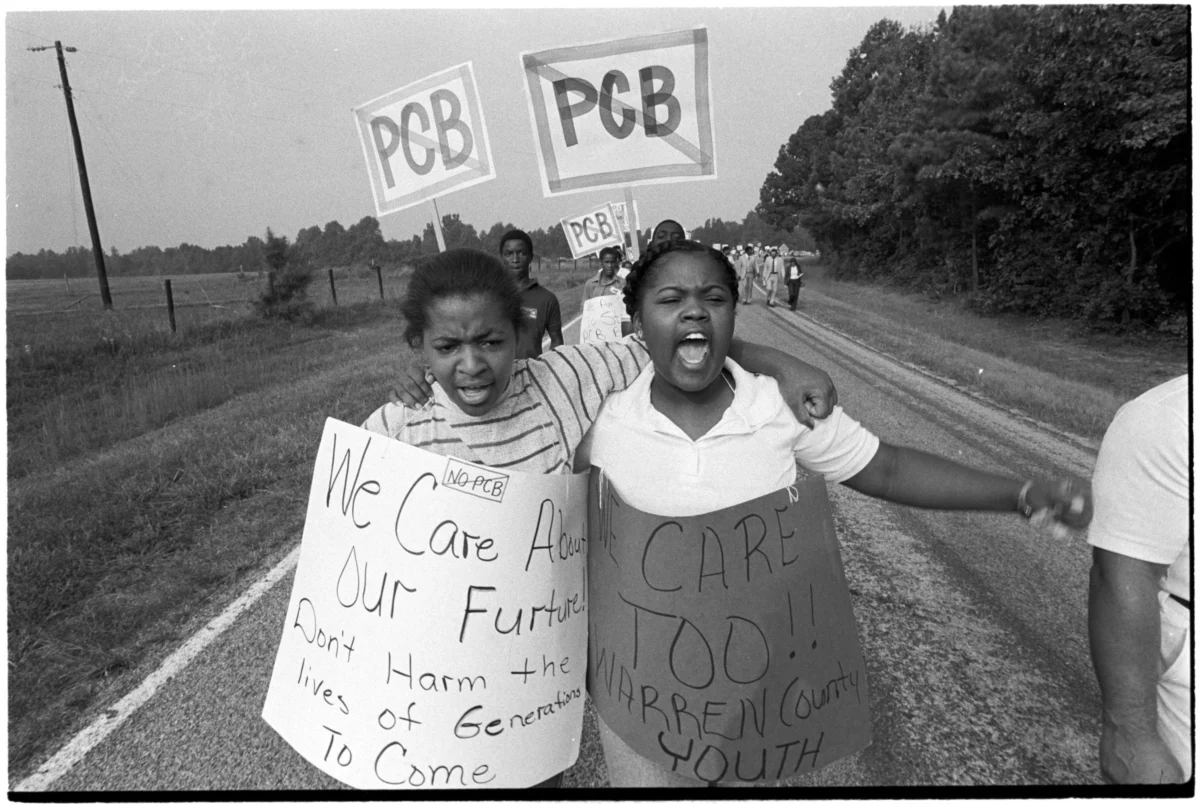
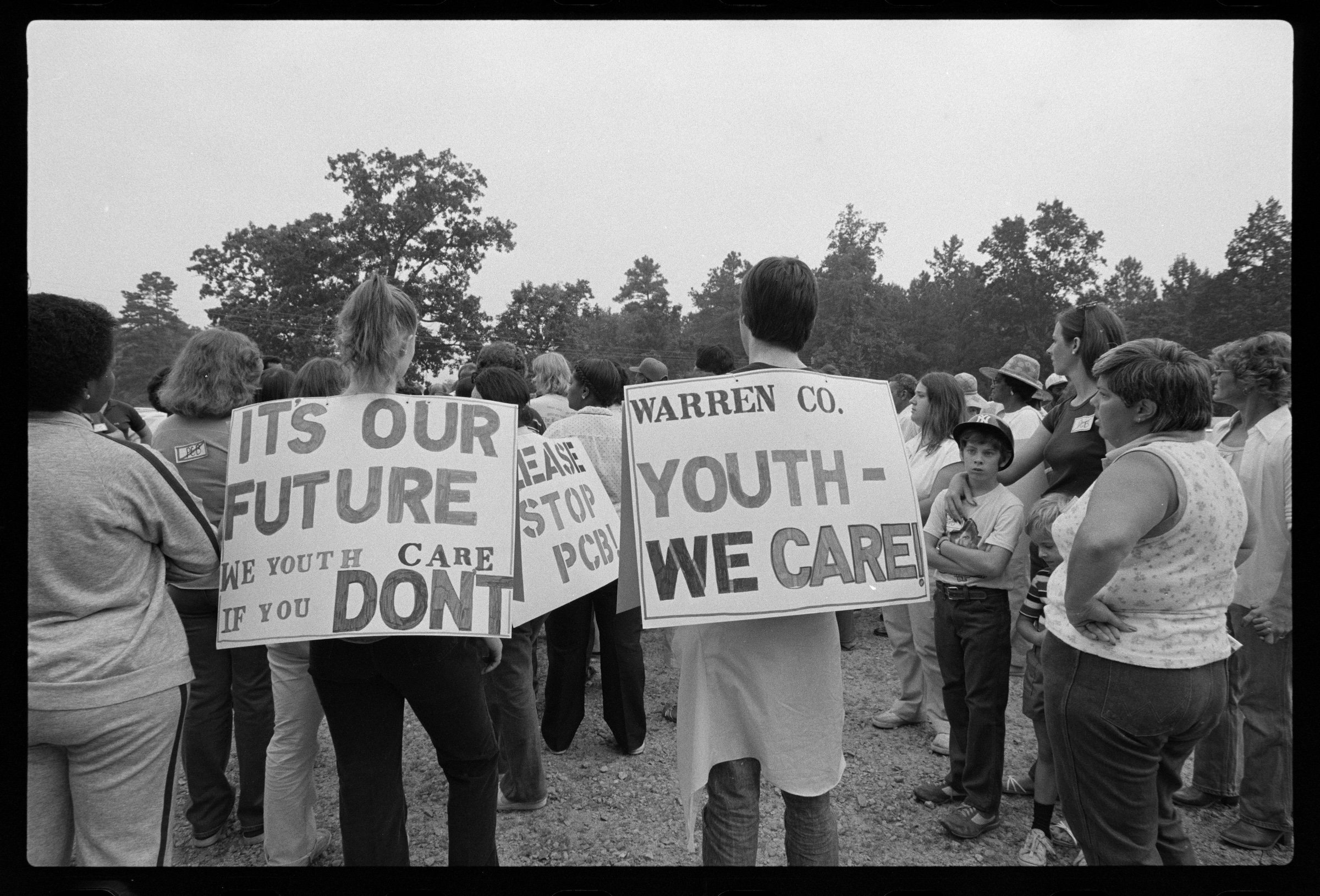
The intersection of environmental health and democratic representation found its most profound expression on a two-lane road in Warren County, North Carolina, in September 1982. For six weeks, the rural landscape became a theater of civic resistance as hundreds of residents—men, women, and children—placed their bodies in the path of dump trucks carrying soil saturated with toxic polychlorinated biphenyls (PCBs). While the trucks eventually deposited their hazardous cargo into a newly constructed landfill, the act of defiance achieved something far more enduring: it catalyzed a global movement that redefined the environment not as a pristine wilderness to be preserved, but as the very places where people "live, work, play, and pray."
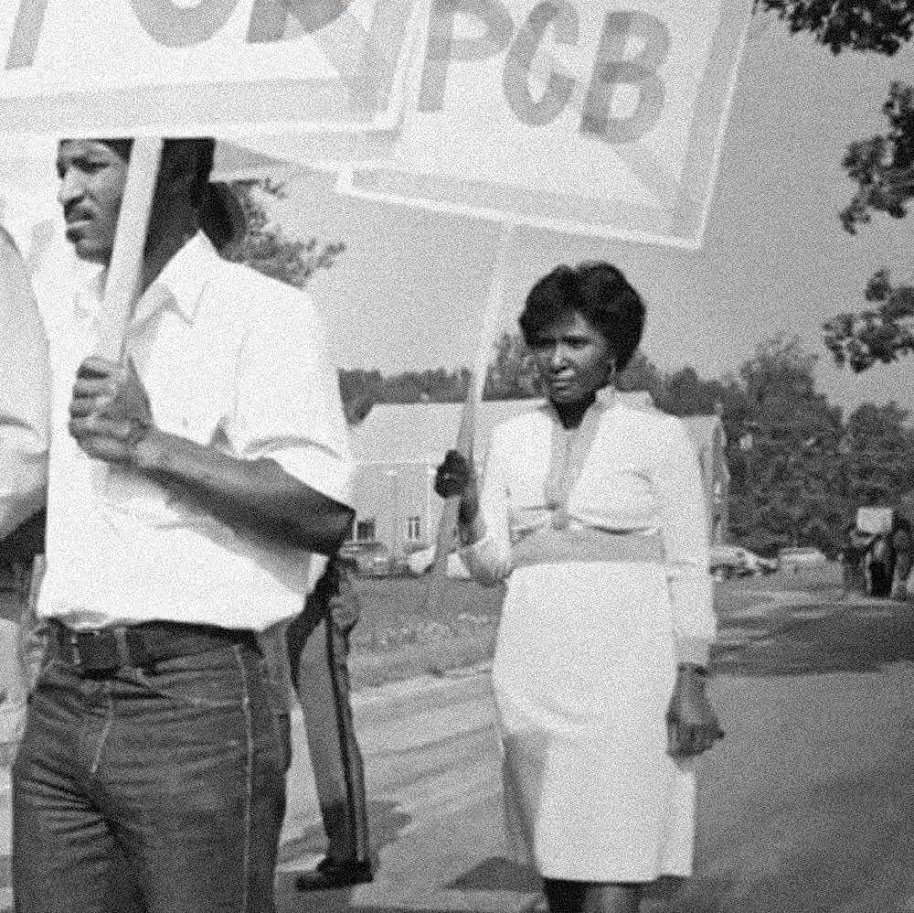
The legacy of Warren County is currently being revisited by three of the movement’s most influential architects: Dollie Burwell, often called the "Mother of the Environmental Justice Movement"; Charles Lee, the primary author of the seminal 1987 report on toxic waste and race; and the Rev. Dr. Benjamin Chavis, Jr., the civil rights icon who first coined the term "environmental racism" while incarcerated for his activism. Their collective reflections provide a blueprint for understanding how environmental protection is inextricably linked to the health of American democracy.
The Genesis of Resistance: Warren County and the Power of Civic Protest
The 1982 protests were not a spontaneous eruption but the culmination of years of grassroots infrastructure. Before the state of North Carolina decided to site a toxic landfill in Warren County, the community was already engaged in a struggle for basic democratic recognition. Dollie Burwell, alongside her contemporary Hattie Rudd, had spent years conducting door-to-door voter registration drives. At the time, Warren County was majority-Black, yet it had never elected a representative local government in its history.
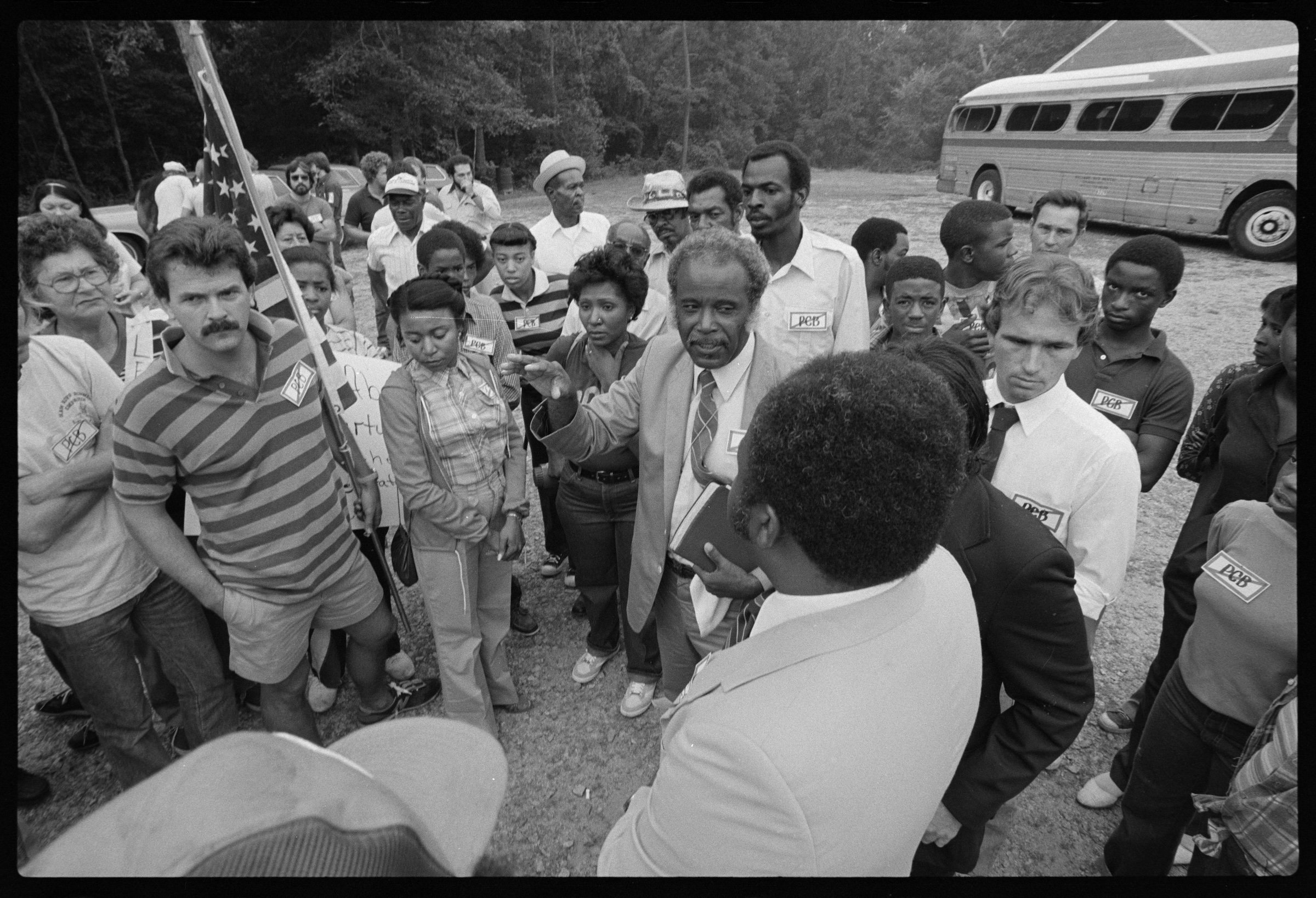
Burwell’s approach was rooted in the organizing traditions of the 1960s Civil Rights Movement. Having navigated the segregated school systems of the South and the "school choice" policies designed to bypass federal desegregation mandates, she viewed the siting of the PCB landfill as another chapter in a long history of institutional neglect. When the state announced its plans, Burwell utilized the existing networks of the Black church and local civic groups to mobilize.
The infrastructure of the protest extended beyond those arrested on the front lines. Burwell emphasizes the "Big Mama" network—an uncredited labor force of community elders who managed logistics, provided childcare, and maintained communication via landlines and word-of-mouth. This community-centric model proved that environmental organizing is most effective when it leverages the social capital of the people most affected by policy decisions.
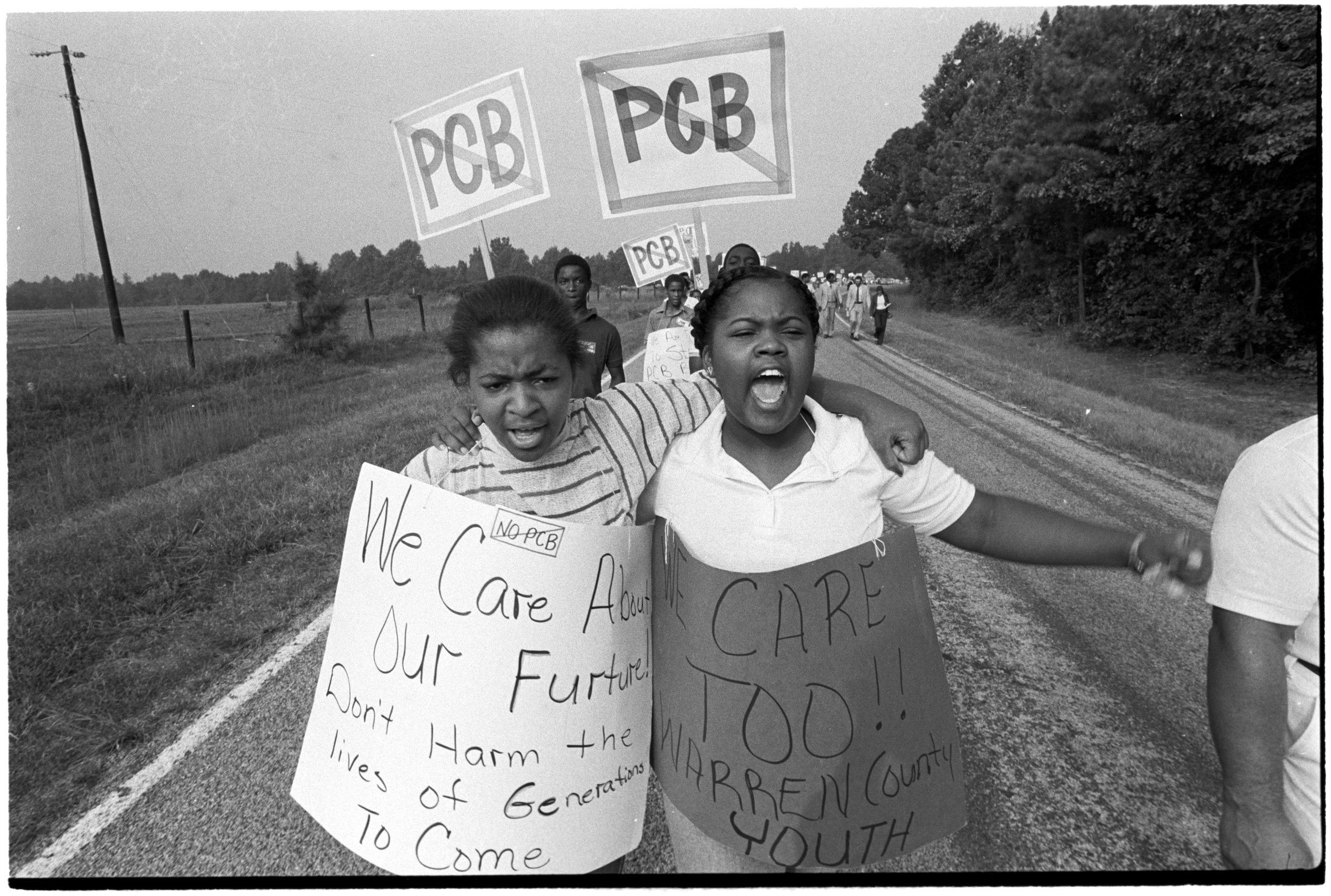
The immediate political fallout of the protests was historic. In 1982, following the momentum of the anti-toxics campaign, Warren County elected its first Black majority to the county commission, its first Black sheriff, and its first Black representative to the state legislature. This shift in representation was directly responsible for the eventual remediation of the landfill site in 2003, proving that electoral power is a prerequisite for environmental remediation.
Quantifying Injustice: The Chronology of Data and Policy
While Warren County provided the moral spark, the movement required a rigorous evidentiary basis to challenge federal and state policies. Charles Lee, inspired by the solidarity he witnessed in North Carolina, spearheaded a national inquiry into the distribution of hazardous waste.
A Timeline of Movement Milestones:
- 1982: Warren County PCB protests bring national media attention to the disproportionate siting of toxic waste in minority communities.
- 1983: The U.S. General Accounting Office (GAO) releases a study, requested by Congressman Walter Fauntroy, finding that three out of four commercial hazardous waste landfills in the Southeast were located in predominantly Black communities.
- 1987: The United Church of Christ (UCC) Commission for Racial Justice publishes Toxic Wastes and Race in the United States. This landmark report concludes that race is the single most significant factor in the siting of hazardous waste facilities nationwide—more so than household income or property values.
- 1991: The First National People of Color Environmental Leadership Summit is held in Washington, D.C., establishing the "17 Principles of Environmental Justice."
- 1992: Under pressure from activists and the findings of the UCC report, the Environmental Protection Agency (EPA) establishes the Office of Environmental Equity (now the Office of Environmental Justice and External Civil Rights).
- 1994: President Bill Clinton signs Executive Order 12898, directing federal agencies to identify and address the disproportionate health and environmental effects of their programs on minority and low-income populations.
Lee’s research highlighted that environmental racism was not a series of isolated incidents but a systemic national phenomenon. The 1987 report revealed that 60 percent of African Americans and Latinos lived in communities with one or more uncontrolled toxic waste sites. By framing these findings through the lens of civil rights, Lee and his colleagues forced a paradigm shift in how the EPA and other regulatory bodies approached public health.
Defining the Doctrine: Rev. Dr. Benjamin Chavis, Jr. and the 17 Principles
The Rev. Dr. Benjamin Chavis, Jr. brought a unique perspective to the movement, having been a member of the "Wilmington Ten"—a group of activists wrongfully convicted and imprisoned for their roles in school desegregation protests. His transition from traditional civil rights work to environmental justice was cemented during his arrest in Warren County.
Chavis realized that the struggle for clean air and water was a continuation of the struggle for the right to vote and the right to fair housing. In 1991, he helped organize the First National People of Color Environmental Leadership Summit. This gathering was notable for its intentional exclusivity; for the first two days, the summit was closed to white participants to allow Black, Indigenous, Latino, and Asian-Pacific Islander leaders to establish a unified agenda without external interference.
The summit produced the "17 Principles of Environmental Justice," a document that remains the foundational text for the movement today. These principles assert the right to self-determination, the need for informed consent, and the responsibility of the government to protect all citizens regardless of race or economic status. Chavis describes the summit as the realization of the "Rainbow Coalition"—a diverse, intergenerational alliance that prioritized the voices of those historically disinvested from the political process.
Data Analysis: The Persistent Correlation Between Race and Toxics
Decades after the initial protests, data continues to support the pioneers’ assertions that race remains a primary predictor of environmental hazard exposure. A 2007 update to the original UCC report, titled Toxic Wastes and Race at Twenty, found that despite twenty years of policy shifts, people of color still made up the majority of those living within two miles of the nation’s commercial hazardous waste facilities.
Furthermore, recent studies by the EPA and academic institutions indicate that:

- Particulate Matter Exposure: Non-white populations are exposed to significantly higher concentrations of PM2.5 (fine particulate matter) from nearly all emission sources compared to white populations.
- Redlining Legacy: Communities that were "redlined" in the 1930s by the Home Owners’ Loan Corporation currently experience higher levels of air pollution and higher urban heat island effects than those that were rated as "desirable."
- Cancer Alley: In industrial corridors like Louisiana’s "Cancer Alley," predominantly Black communities face a risk of cancer from air toxins that is nearly 50 times the national average.
These statistics underscore the pioneers’ argument that environmental justice is not a static goal but an ongoing struggle against deeply embedded structural inequalities.
Broader Impact and the Future of Democracy
The collective work of Burwell, Lee, and Chavis has influenced contemporary federal policy, including the Biden-Harris administration’s Justice40 Initiative, which mandates that 40 percent of the overall benefits of certain federal investments flow to disadvantaged communities. However, the pioneers warn that policy alone is insufficient without a robust and protected democratic process.

Chavis highlights that current challenges to voting rights and the redistricting of minority-heavy areas are direct threats to environmental health. Without the ability to elect representative officials, communities lose their primary mechanism for blocking hazardous developments and securing infrastructure funding. "Most Americans are ahistorical," Chavis notes, "and when you are ahistorical, you become apolitical. The Environmental Justice Movement is a movement to educate."
Charles Lee maintains that the movement is now entering a phase where the integration of data and community narrative is more critical than ever. In an era of increasing anti-intellectualism, he argues that science must be used as a tool for empowerment rather than a gatekeeping mechanism.

Dollie Burwell, reflecting on the 2024 political landscape, sees a "fire in the belly" among younger organizers that mirrors her own resolve in 1982. She emphasizes that the movement’s strength lies in its intergenerational continuity. As the United States approaches its 250th anniversary, the questions raised in Warren County—of whose lives are deemed expendable and whose voices are prioritized in the halls of power—remain at the center of the national discourse.
The legacy of these three pioneers suggests that the long arc of movement-making does not end with a single victory or a piece of legislation. Instead, it is a continuous process of documentation, representation, and civic participation. Their work serves as a living blueprint, proving that when communities reclaim their narrative and their vote, they possess the power to change the environmental and political trajectory of the country.