Lina Irawan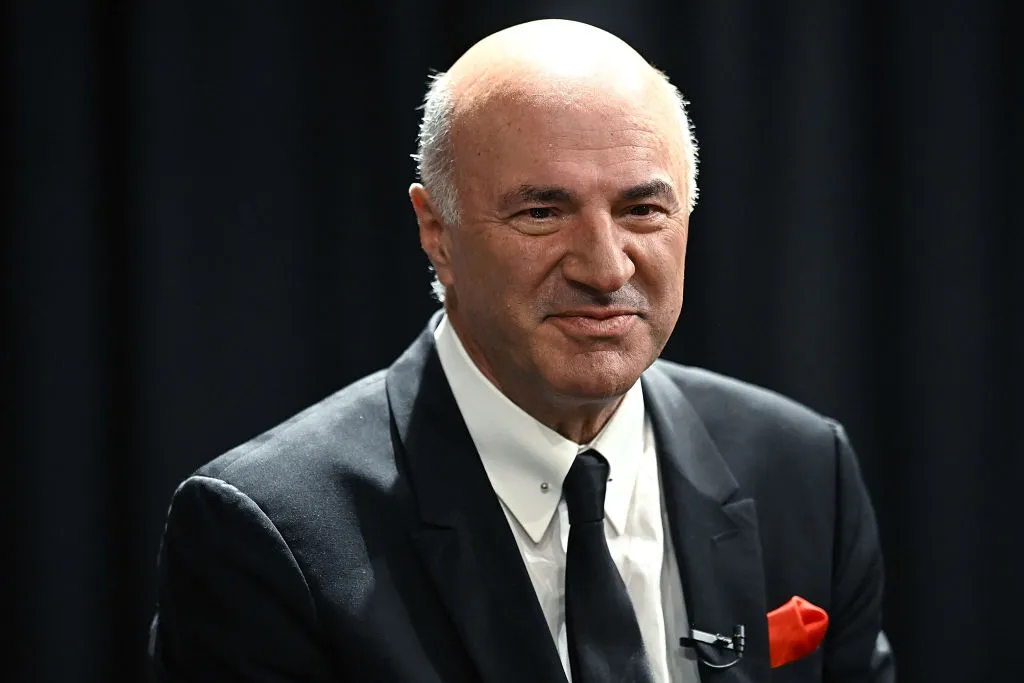
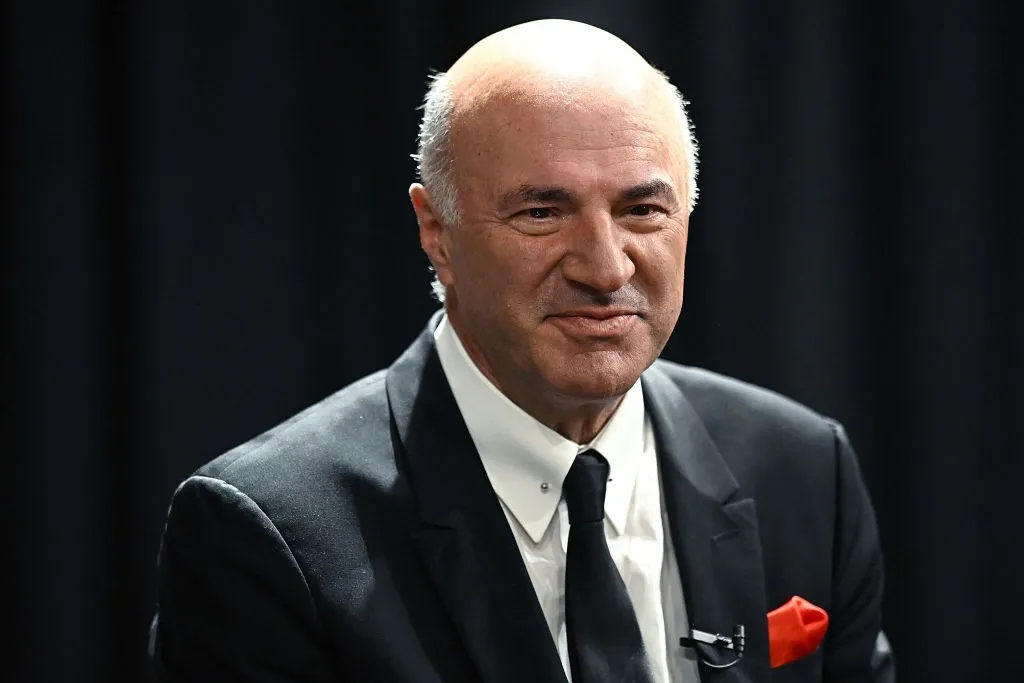
Navigating the complexities of personal finance can often feel like an uphill battle, a sentiment shared by many struggling to gain control over their economic lives. According to Kevin O’Leary, the shrewd investor, entrepreneur, and prominent Shark Tank personality, the fundamental error many individuals make is deceptively simple yet profoundly impactful: outspending their means and succumbing to the insidious grip of high-interest debt. This critical insight, shared during an in-depth conversation on "The Jaime Catmull Show," underscores a core tenet of financial prudence that O’Leary believes is frequently overlooked in the pursuit of modern consumption. His advice is direct and unequivocal: "The key is not to outspend yourself or your spouse or outspend yourself into debt in your family. It’s about working within your means… and not spending and putting on credit card debt."
This seemingly straightforward principle, O’Leary argues, is the bedrock of financial stability, yet its neglect propels countless individuals into precarious situations. The peril, he explains, lies in the mechanics of high-interest debt, particularly credit card debt. When carrying a balance with an annual percentage rate (APR) that can soar to 23% or higher—a figure not uncommon in today’s lending landscape, and one that has seen record highs—a significant portion of every payment is diverted to cover interest charges rather than reducing the principal. This dynamic creates a vicious cycle where catching up becomes an almost insurmountable challenge, trapping individuals in a spiral of ever-increasing financial strain. "This is how people get in trouble," O’Leary warns, highlighting the urgent need for a shift in financial behavior.
The Peril of High-Interest Debt: A National Crisis
O’Leary’s admonition against credit card debt is particularly salient in the current economic climate. Data from the Federal Reserve shows that total U.S. consumer debt, including credit cards, auto loans, and student loans, has reached staggering levels, often setting new records. Specifically, credit card debt alone frequently surpasses the trillion-dollar mark, with millions of Americans carrying balances month-to-month. The average credit card APR has also trended upwards, making O’Leary’s caution about a 23% rate a very real and present danger for many households. For instance, a person carrying a $5,000 balance at 23% APR would accrue approximately $1,150 in interest over a year if only minimum payments were made and no new charges incurred. This substantial sum erodes disposable income and severely hampers the ability to save, invest, or address other financial goals.
The insidious nature of compounding interest on credit card debt means that even small, seemingly manageable purchases can accumulate into significant financial burdens over time. Financial literacy organizations and consumer advocacy groups consistently echo O’Leary’s concerns, emphasizing that high-interest debt is often the most detrimental form of borrowing due to its rapid growth and the difficulty of escape. They frequently advise prioritizing the elimination of credit card debt over other financial objectives, such as saving for non-urgent goals, precisely because of its corrosive effect on wealth accumulation and overall financial health. The "debt snowball" and "debt avalanche" methods, popular strategies for debt repayment, both prioritize attacking high-interest debts first, reinforcing the urgency of O’Leary’s message.
Challenging the Income Fallacy: It’s About Management, Not Earnings
One of the most powerful assertions made by O’Leary, a man who built a fortune from his early business ventures and is renowned for his disciplined investment philosophy, is that the real problem for most people isn’t a lack of income. Instead, he unequivocally states, it’s a profound failure in money management. This perspective challenges a common societal misconception that higher earnings automatically equate to financial stability. O’Leary suggests that even individuals with substantial incomes can find themselves in dire financial straits if they lack the discipline to manage their spending effectively. His own journey, from humble beginnings to becoming "Mr. Wonderful" on Shark Tank, has consistently demonstrated a meticulous approach to capital allocation, a lesson he imparts to aspiring entrepreneurs and everyday individuals alike.
O’Leary elaborates on this point during his interview, stating, "People buy so much stuff they don’t need." This observation cuts to the heart of modern consumer culture, where convenience and instant gratification often overshadow long-term financial goals. He points to ubiquitous examples of unnecessary expenditures: the daily takeout meals, the forgotten subscriptions to streaming services or apps, and impulse purchases driven by marketing or social trends. These seemingly minor indulgences, when compounded over weeks, months, and years, drain financial resources that could otherwise be directed towards savings, investments, or debt reduction.
The Epidemic of Discretionary Spending: A Trillion-Dollar Habit
The magnitude of this issue is underscored by federal data indicating that Americans spend approximately $19 trillion annually on goods and services. A significant portion of this colossal sum is allocated to nonessential, discretionary purchases that offer fleeting satisfaction but contribute little to long-term wealth building. Consider the psychology behind impulse buying, a phenomenon fueled by targeted advertising, easy online shopping, and the pervasive "buy now, pay later" culture. Behavioral economics research consistently shows that humans are often prone to present bias, prioritizing immediate rewards over future benefits, making them susceptible to spending on items they don’t truly need.
Examples of such spending are plentiful: the latest smartphone upgrade when the old one still works perfectly, designer clothes worn only a few times, multiple streaming subscriptions when only one or two are actively used, or daily gourmet coffee purchases that quickly add up. O’Leary’s stark assessment of an impulse buy – "You took money, and you killed it" – vividly illustrates the opportunity cost associated with such expenditures. That money, once spent, is gone forever and cannot be leveraged for growth, security, or future opportunities. It’s a direct depletion of potential wealth, a missed chance to invest in assets that could appreciate or contribute to a robust emergency fund.
The Hidden Cost: Marital Strain and Mental Well-being
The repercussions of poor financial management extend far beyond individual bank accounts, permeating the fabric of personal relationships and mental well-being. O’Leary highlights a sobering statistic: "Fifty percent of marriages fail in America after five to seven years. Not because of infidelity — because of financial stress." While infidelity and other factors certainly contribute to marital breakdowns, numerous studies and family therapists confirm that financial disagreements are indeed a leading cause of divorce. When spending habits diverge, or when one partner accumulates debt without the other’s knowledge or consent, trust erodes, resentment builds, and constant arguments about money can create an unbearable strain on the relationship.
"One outspends the other. And then they get into trouble, and that’s when the fighting starts," O’Leary observes, describing a scenario all too common in households nationwide. This financial discord can escalate into bitter conflicts, ultimately leading to separation. Beyond marital strife, chronic financial stress is a significant contributor to anxiety, depression, and other mental health issues. The constant worry about bills, debt collectors, and an uncertain financial future can take a severe toll, impacting sleep, concentration, and overall quality of life. The psychological burden of living paycheck to paycheck or facing insurmountable debt can be crushing, affecting not only the individuals involved but also their children and broader family dynamics.
Redefining Financial Freedom: Beyond Accumulation
Despite his reputation for being exceptionally wealthy, O’Leary offers a nuanced perspective on financial freedom, moving beyond the simple accumulation of money. For him, true success and freedom are not solely defined by the size of one’s bank account, but by the autonomy it provides. "The definition of freedom is you can pursue the interests that matter to you," he states. This profound shift in perspective reframes money as a tool, a means to an end, rather than an end in itself. It suggests that financial security should empower individuals to live a life aligned with their values and passions, whether that means pursuing a creative endeavor, spending more time with family, or contributing to a cause they believe in.
O’Leary, a staunch advocate for entrepreneurial spirit, posits that this level of freedom is often best achieved through entrepreneurship. "If you want to live an extraordinary life… you have to pursue entrepreneurship because it gives you the freedom to do things that you ordinarily couldn’t do when you work for somebody else," he explains. Entrepreneurship, with its inherent risks and rewards, offers the potential for greater control over one’s time, income, and professional trajectory. However, he quickly clarifies that even in entrepreneurship, the fundamental principles of financial discipline remain paramount. Without a clear plan, meticulous budgeting, and an unwavering commitment to achieving financial goals, even a high-income entrepreneur can fall into the same traps of overspending and debt.
Strategies for Financial Fortitude: Cultivating Discipline
To reach the state of financial freedom O’Leary describes, he stresses that willpower and discipline are far more crucial than simply earning a high income. The cycle of debt and overspending, he warns, will persist without a serious commitment to change. "It’s really about discipline," O’Leary concludes, encapsulating his entire philosophy into a single, powerful word.
Cultivating financial discipline involves several actionable steps that individuals can implement regardless of their income level:
- Budgeting: Creating and adhering to a detailed budget is the cornerstone of financial control. This involves tracking all income and expenses to understand where money is going. Tools like the 50/30/20 rule (50% needs, 30% wants, 20% savings/debt repayment) or zero-based budgeting can be effective.
- Debt Reduction Strategy: Prioritize eliminating high-interest debt. The "debt avalanche" method, which focuses on paying off debts with the highest interest rates first, is often recommended by financial experts as it saves the most money on interest over time.
- Building an Emergency Fund: Establishing a safety net of three to six months’ worth of living expenses in a readily accessible savings account is crucial. This fund prevents reliance on high-interest credit cards when unexpected expenses arise.
- Mindful Spending: Before making a purchase, especially a discretionary one, pause and consider whether it aligns with long-term financial goals. Differentiating between "wants" and "needs" is critical. This could involve delaying purchases, comparing prices, or simply asking if the item truly adds value.
- Automating Savings and Investments: Setting up automatic transfers from checking to savings or investment accounts ensures that a portion of income is consistently set aside before it can be spent.
- Regular Financial Reviews: Periodically reviewing financial statements, budgets, and investment portfolios helps to stay on track, identify areas for improvement, and adjust strategies as life circumstances change.
- Financial Education: Continuously learning about personal finance, investment strategies, and economic trends can empower individuals to make more informed decisions.
A Call for Discipline in a Consumer-Driven World
Kevin O’Leary’s insights serve as a potent reminder that financial success is not solely a function of how much money one earns, but rather how meticulously one manages it. In a society often driven by consumerism and instant gratification, his message advocating for discipline, mindful spending, and debt avoidance stands as a critical counter-narrative. The consequences of ignoring this advice are far-reaching, impacting not only individual financial health but also marital stability and overall mental well-being.
The ongoing conversation on "The Jaime Catmull Show" provides a timely platform for such vital financial guidance. As inflation persists and interest rates remain elevated, the ability to work within one’s means and avoid high-interest debt becomes even more imperative. O’Leary’s philosophy, rooted in practical experience and a keen understanding of capital, offers a clear roadmap for achieving true financial freedom – a state where money serves as a catalyst for pursuing one’s passions, rather than a source of perpetual stress. Ultimately, his message boils down to a fundamental truth: financial liberation is not granted; it is earned through consistent, unwavering discipline.