Nila Kartika Wati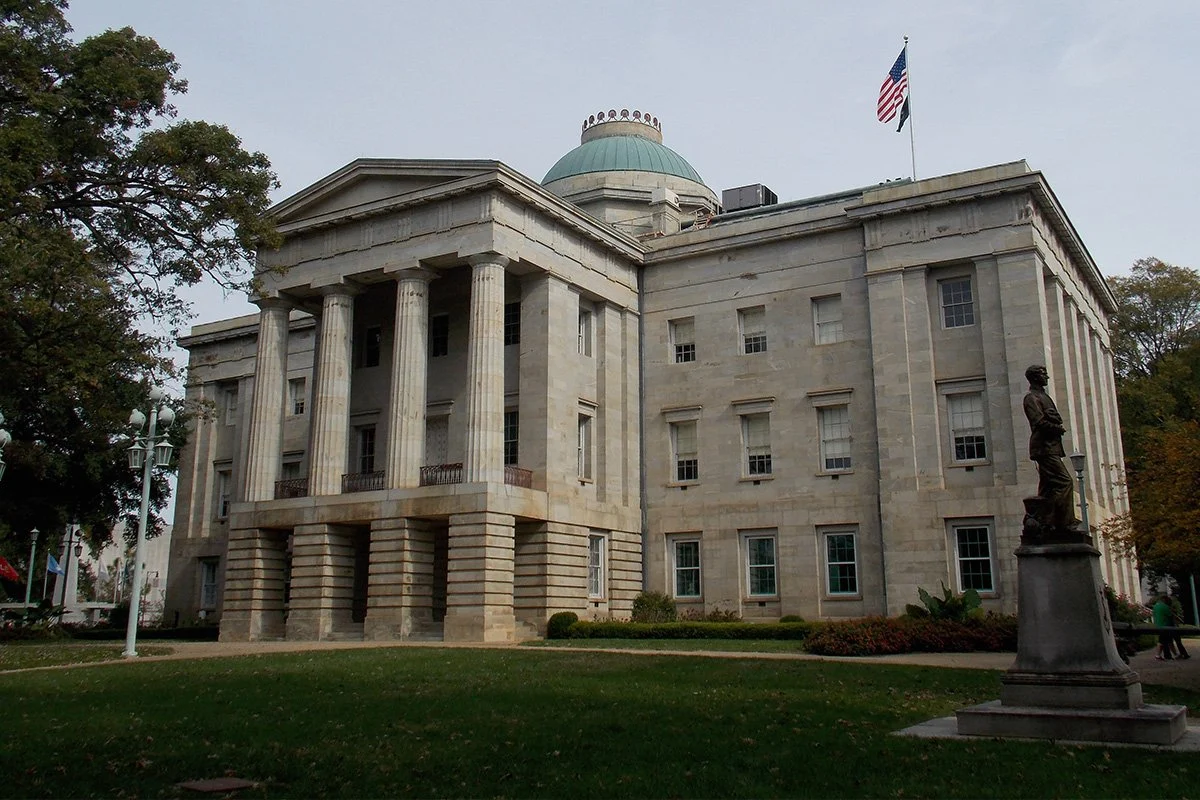
On June 14, 2026, the South Lawn of the White House was transformed by a 92-foot steel rig nicknamed “The Claw,” a massive structure housing a fighting cage for the UFC Freedom 250. The event, hosted by President Donald Trump on his 80th birthday, was framed by the administration as the inaugural celebration for the United States’ 250th anniversary. This display of state-sponsored spectacle occurred just days after SpaceX completed a record-breaking initial public offering, propelling Elon Musk’s net worth past the trillion-dollar mark. For the first time in history, a single individual’s wealth exceeded the combined assets of the next four richest people on the planet. However, while these milestones were celebrated in the halls of power and on the balance sheets of the ultra-wealthy, a starkly different reality was unfolding for the American public.
Data released in the spring of 2026 indicates a deepening crisis of affordability and accessibility for the average citizen. A national survey found that nearly 50 percent of American adults harbor significant concerns regarding their ability to afford necessary healthcare. The study revealed that approximately one-third of the population has been forced to make extreme sacrifices—such as skipping meals, rationing life-saving medications, or falling behind on utility payments—to cover basic medical costs within the last year. This economic precarity serves as the backdrop for a series of legislative maneuvers in North Carolina, where the state legislature has spent years systematically altering the electoral landscape to the detriment of marginalized communities.
The Legislative Landscape in North Carolina
The North Carolina General Assembly has engaged in a decade-long effort to restructure the state’s voting systems, a process that advocates describe as a "death by a thousand cuts" strategy. Since the 2013 Supreme Court decision in Shelby County v. Holder, which removed federal preclearance requirements for changes to voting laws in certain jurisdictions, the state has seen a consistent influx of policies aimed at restricting ballot access. These efforts have targeted a broad coalition of voters, including university students, Black communities, immigrant citizens, and rural residents.
In October 2025, North Carolina Republicans advanced Senate Bill 249, a measure that introduced a new congressional map mid-decade. Such a move is highly irregular in American politics, typically occurring only under direct court order. The primary focus of the redistricting was Congressional District 1, located in the state’s historic "Black Belt" in the northeast. This district has been represented by a Black member of Congress in every election since 1992. By redrawing these boundaries, critics argue the legislature has intentionally diluted the voting power of a long-standing Black constituency to entrench partisan control.
The redistricting was followed by a direct assault on early voting accessibility. In January 2026, the North Carolina State Board of Elections—operating under a newly solidified Republican majority—voted 3-2 along party lines to eliminate early voting sites at several major educational institutions. These included North Carolina A&T, the nation’s largest historically Black university (HBCU), as well as UNC Greensboro and Western Carolina University. Despite a legal challenge from students, a federal judge declined to intervene, citing the proximity of the upcoming primary elections.
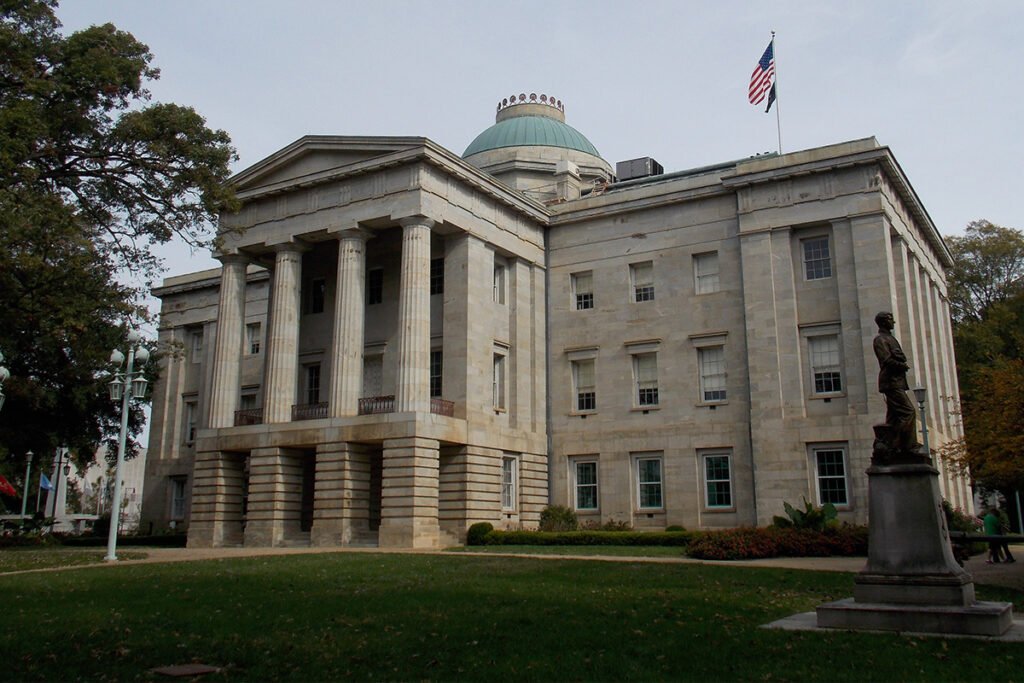
Chronology of Voter Suppression and Student Mobilization
The impact of these closures was immediately visible during the spring 2026 primary season. Students at North Carolina A&T, who previously had access to polling places within a short walking distance of their dormitories, were forced to trek more than a mile to reach the nearest precinct. This physical barrier to the ballot box was interpreted by voting rights advocates as a deliberate attempt to suppress the youth vote.
By the summer of 2026, the General Assembly shifted its focus to House Bill 958, a comprehensive 40-page elections bill. Passed in August, the legislation introduced several restrictive provisions:
- Redistricting Adjustments: Further refinements to maps that maximize partisan advantage while splitting communities of interest.
- Polling Place Restrictions: New limits on the number of satellite voting locations and restricted hours for weekend voting.
- Voter Verification Overhaul: Stricter requirements for voter identification and changes to the verification process for mail-in ballots.
- Observer Authority: Increased powers for partisan poll watchers, raising concerns about potential voter intimidation.
The stated goal of these measures, according to legislative leadership, is to "ensure election integrity." However, non-partisan analysts and civil rights organizations argue that the cumulative effect is the systematic silencing of specific demographics. The pattern of behavior suggests a coordinated effort to gerrymander districts, close polling places serving minority populations, and restrict the types of individuals who are trusted to participate in the democratic process.
Historical Context: A Century of Disenfranchisement
The current legislative environment in North Carolina is not an isolated phenomenon but rather a continuation of a historical trajectory that spans over 150 years. In the mid-19th century, the state’s legal framework regarding disenfranchisement was initially limited to those convicted of "infamous" crimes. Following the Civil War, this definition was weaponized by former Confederate leaders who engaged in a campaign to convict African Americans of minor offenses, subjecting them to corporal punishment and stripping them of their right to vote.
The ratification of the 15th Amendment in 1870, which guaranteed Black men the right to vote, prompted a swift backlash from the state’s white supremacist establishment. In 1877, the state expanded disenfranchisement to include all felony convictions. By 1898, North Carolina had introduced literacy tests and poll taxes. In 1899, a constitutional amendment was passed requiring voter registrants to demonstrate the ability to read and write any section of the Constitution in English. To protect white voters from these requirements, a "grandfather clause" was implemented, exempting those whose ancestors were eligible to vote prior to the Civil War.
These barriers, combined with widespread state-sanctioned violence, effectively purged Black voters from the rolls until the passage of the federal Voting Rights Act (VRA) of 1965. The VRA provided decades of protection, allowing for the growth of Black political power in the South. The 2013 Shelby v. Holder decision, and subsequent rulings such as Callais v. Landry, have significantly weakened these federal safeguards, allowing state legislatures to revert to tactics reminiscent of the Jim Crow era.

The Grassroots Counter-Movement
The push for HB 958 and other restrictive measures has met with intense resistance from civil rights organizations and community advocates. Forward Justice, a non-profit law, policy, and strategy center, has led a coalition-wide effort to challenge these policies through both legal and public channels. Following the introduction of HB 958, advocates packed committee hearings and mobilized community members to submit thousands of public comments in opposition.
The resistance reached a peak during a series of rallies at the General Assembly in Raleigh. These events brought together a diverse coalition of students, attorneys, and voting rights organizations to demand an end to what they characterize as an assault on the democratic process. The focus has now shifted to the State Board of Elections, which is currently deliberating on 20 separate early voting plans. These plans failed to receive unanimous support at the county level due to disputes over the location of voting sites and the availability of Sunday voting hours.
Tensions were further exacerbated by reports that an employee within the State Auditor’s office had pressured county election officials to remove early voting sites serving students and to eliminate Sunday voting options statewide. This revelation has fueled accusations of administrative interference in the electoral process, prompting calls for greater transparency and accountability.
Broader Implications and the Future of Democracy
North Carolina serves as a critical barometer for the health of American democracy as the nation approaches its 250th anniversary. The state’s history is defined by a tension between repressive legislation and creative, grassroots resistance. It was in Greensboro in 1960 that four North Carolina A&T freshmen initiated the sit-in movement at a segregated Woolworth’s counter. That same year, the Student Nonviolent Coordinating Committee (SNCC) was founded at Shaw University in Raleigh, built on the principle that ordinary citizens are the primary drivers of social change.
The modern struggle for the ballot is viewed by many as the "Third Reconstruction"—an effort to build a truly multiracial democracy that addresses both racial and economic injustice. Analysts suggest that the outcomes of the current legal and legislative battles in North Carolina will likely set a precedent for other states across the South and the nation.
As the administration continues its preparations for the national anniversary through grand spectacles like "The Claw," the underlying stability of the democratic system remains in question. The disconnect between the trillion-dollar wealth of the elite and the basic survival struggles of the working class, coupled with the systematic dismantling of voting rights, suggests a period of significant volatility. For organizations like Forward Justice and the students of the state’s HBCUs, the fight is not merely for the preservation of current systems, but for the realization of a future where political power is equitably shared. The fireworks of the 250th anniversary may eventually fade, but the structural conflicts over who gets to participate in the American experiment are expected to endure well into the next century.