admin
admin
For countless entrepreneurs and business leaders, the question of "When will my business make a profit?" is a fundamental one, encapsulating the aspirations and anxieties inherent in commercial ventures. Profitability transcends a mere financial milestone; it represents the critical juncture where an enterprise achieves self-sufficiency, generating reliable earnings for its stakeholders and fostering growth without the constant pressure of financial precarity. While external forces like economic downturns, market fluctuations, and supply chain disruptions remain largely beyond an individual business’s control, the trajectory from launch to sustained profit can be significantly accelerated and stabilized through meticulous planning and strategic execution.
Understanding the Core of Profitability: Beyond the Bottom Line
The concept of "profit" often appears straightforward, yet its interpretation varies significantly among business owners and financial professionals. A clear and precise definition is the cornerstone of any effective profitability strategy. Fundamentally, profit refers to the financial gain, especially the difference between the amount earned and the amount spent in buying, operating, or producing something. However, a deeper dive reveals distinct categories crucial for comprehensive financial health analysis:
- Gross Profit: This is the revenue remaining after subtracting the Cost of Goods Sold (COGS). It indicates how efficiently a business is producing its products or services. For instance, a manufacturing firm might have high gross profit if its production costs are well-managed.
- Operating Profit: Also known as Earnings Before Interest and Taxes (EBIT), operating profit is what’s left after deducting operating expenses (like salaries, rent, marketing, and administration) from gross profit. This metric reveals the core operational efficiency of the business, irrespective of its financing structure or tax obligations.
- Net Profit: The ultimate measure, net profit is what remains after all expenses, including interest and taxes, have been paid. This is the true "bottom line," representing the actual wealth generated for the owners.
Beyond these standard definitions, individual business owners must articulate what "profitable" genuinely means for their specific context. Does it signify merely covering all operational costs? Does it require sufficient income to draw a substantial salary? Or does it mean generating surplus capital for reinvestment and expansion? Setting a quantifiable target—be it a specific net profit margin, a return on investment, or a defined personal income—provides a tangible objective for strategic planning. According to a 2023 survey by Small Business Trends, nearly 40% of small businesses cited achieving consistent profitability as their biggest challenge, underscoring the necessity of these clear definitions.
The Pivotal Role of Break-Even Analysis
A foundational step in accelerating profitability is accurately determining the break-even point. This critical financial metric represents the sales volume—either in units or revenue—at which a business’s total revenue precisely equals its total costs, resulting in neither profit nor loss. Understanding this threshold allows businesses to quantify the minimum activity required to sustain operations and to project the sales needed to move into a profitable zone.
Performing a break-even analysis necessitates a clear distinction between fixed costs and variable costs. Fixed costs are expenses that do not change regardless of the sales volume, such as rent, insurance premiums, administrative salaries, and loan repayments. Variable costs, conversely, fluctuate directly with the level of production or sales, including raw materials, direct labor for each unit, and sales commissions.
The formula for calculating the break-even point in units is:
Break-even Point in Units = Fixed Costs / (Price Per Unit – Variable Cost Per Unit)
For service-based businesses, "units" can be interpreted as billable hours, projects completed, or client engagements. For example, if a consulting firm has monthly fixed costs of $10,000, charges $150 per hour, and incurs variable costs (e.g., specific software licenses for a project, travel expenses) of $50 per hour, its break-even point would be 10,000 / (150 – 50) = 100 billable hours. Exceeding this 100-hour mark means the firm starts generating profit. Financial analysts often recommend revisiting break-even calculations quarterly, or whenever significant changes in costs or pricing occur, to maintain an accurate financial compass.
Strategic Cost Management: Pruning for Growth
While often perceived as a reactive measure, strategic cost reduction is one of the most immediate levers for enhancing profitability. However, indiscriminate cost-cutting can be detrimental, potentially eroding product quality, customer satisfaction, or future growth prospects. The objective is to identify and eliminate inefficiencies without compromising value-generating activities.
A systematic expense audit is the starting point. This involves:
- Categorizing all expenses: Distinguishing between essential, discretionary, and redundant costs.
- Reviewing vendor contracts: Identifying opportunities for negotiation or switching to more cost-effective suppliers.
- Analyzing operational workflows: Pinpointing areas where automation or process optimization can reduce labor or material waste.
Common areas for impactful savings include:
- Subscription Services: Unused software licenses or recurring service fees often accumulate unnoticed.
- Office Space: Evaluating the necessity of large physical footprints, especially in an era of remote or hybrid work models.
- Outsourced Services: Renegotiating terms with payroll providers, IT support, or marketing agencies. For instance, selecting affordable, integrated payroll and accounting software can consolidate expenses and streamline operations, as highlighted by Patriot Software’s offerings.
It is crucial to shield investments in product development, customer support, and critical marketing channels, as these are often direct drivers of revenue and long-term customer loyalty. A 2022 report by Gartner indicated that companies that strategically invest in customer experience, even during cost-cutting phases, tend to outperform competitors in revenue growth by as much as 15%.
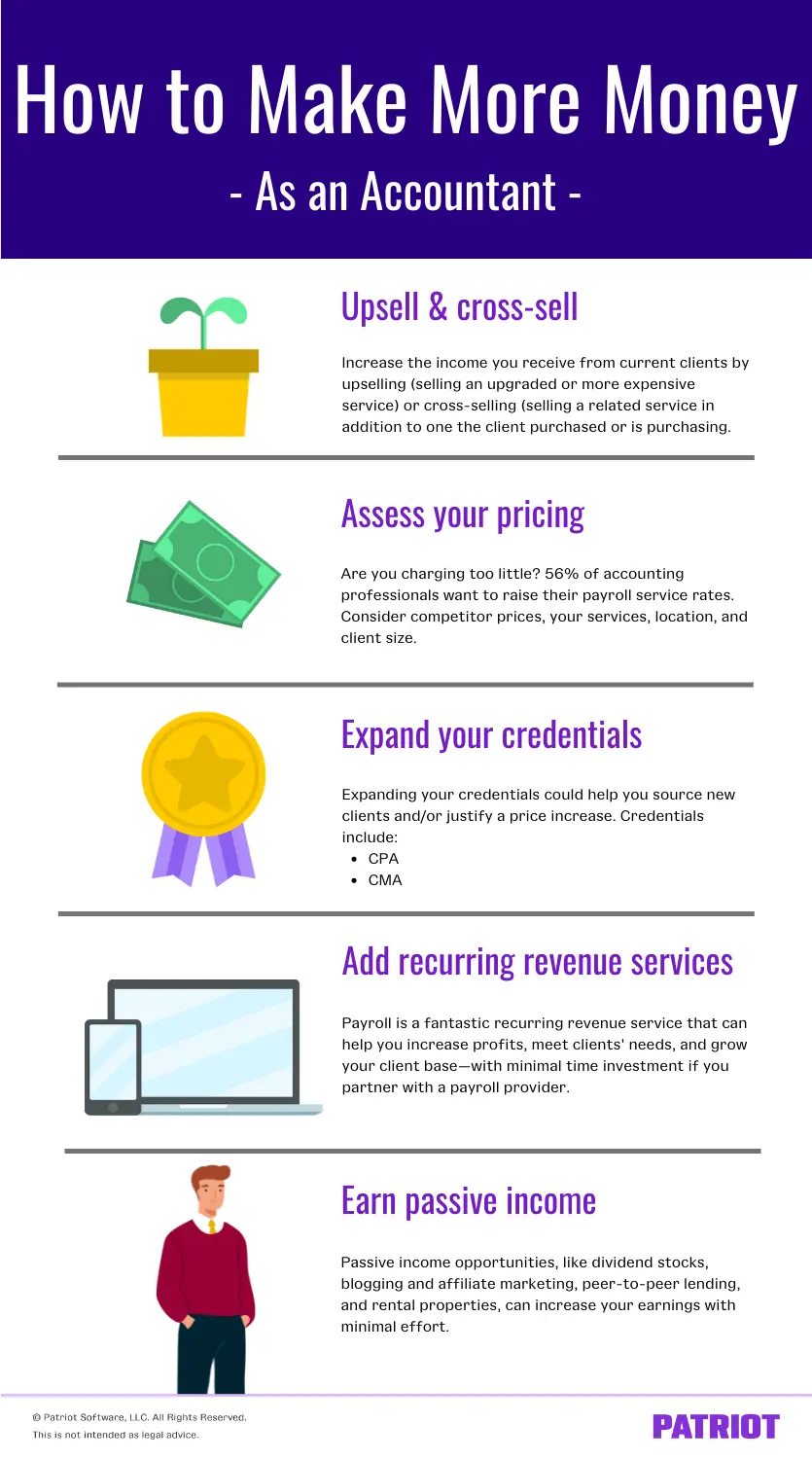
Optimizing Pricing Strategy: Valuing Your Offerings
Underpricing is a pervasive issue among small businesses, frequently delaying or even preventing profitability. Many entrepreneurs, particularly those new to the market, default to competitive pricing without fully understanding their own cost structures or the perceived value of their offerings. A robust pricing strategy ensures that every sale contributes meaningfully to the profit margin.
Key questions to address include:
- Are current prices covering all direct and indirect costs, plus a desired profit margin? This moves beyond simple cost-plus and considers the business’s overall financial goals.
- What is the perceived value of the product or service to the target customer? Value-based pricing can command higher prices if the offering solves a significant problem or provides unique benefits.
- How do competitors price similar offerings, and what differentiates your business? Understanding the competitive landscape allows for strategic positioning, whether through premium pricing based on superior quality or competitive pricing for market entry.
- Are there opportunities for tiered pricing, bundling, or premium add-ons? These strategies can cater to diverse customer segments and increase the average transaction value.
When price increases are necessary, a thoughtful approach can mitigate customer dissatisfaction. Gradual increments, clear communication about added value, or offering new service tiers can soften the impact. Studies show that a 1% price increase, assuming volume remains constant, can lead to an average 11% increase in operating profit, significantly more impactful than a 1% reduction in fixed or variable costs. This underscores pricing as a potent lever for profitability.
Prioritizing High-Margin Offerings: The Pareto Principle in Action
Not all sales are created equal in terms of profitability. Some products or services inherently yield higher profit margins due per unit due to lower production costs, higher perceived value, or less competition. Strategically focusing on these high-margin offerings can dramatically accelerate the journey to profitability.
Businesses should conduct a thorough analysis of their product or service portfolio to identify these "profit engines." This involves estimating for each offering:
- Direct costs of production or delivery.
- Average selling price.
- Contribution margin per unit (Price – Variable Cost).
- Volume of sales.
Once identified, marketing and sales efforts can be re-prioritized to promote these higher-margin items. Low-margin offerings can still play a role, often as "loss leaders" or entry-level products designed to attract customers and facilitate upsells to more profitable solutions. For example, a software company might offer a free basic version to hook users, then upsell to premium tiers with advanced features and higher margins. This approach aligns with the Pareto Principle, where often 80% of profits come from 20% of products or customers.
Strengthening Cash Flow Management: The Lifeblood of Business
While closely related to profitability, cash flow is a distinct and equally vital aspect of financial health. A business can be profitable on paper (i.e., generate more revenue than expenses over a period) but still face insolvency if it lacks the liquid cash to meet immediate obligations. "Cash is king" remains a powerful adage for a reason; without consistent cash flow, even a profitable business can fail.
To improve cash inflow, businesses can:
- Invoice promptly and clearly: Delayed or ambiguous invoices lead to delayed payments.
- Shorten payment terms: Negotiating 15-day or 30-day payment terms instead of 60 or 90 days.
- Offer early payment discounts: Incentivizing customers to pay ahead of schedule.
- Require upfront deposits: Especially for larger projects or custom orders.
- Diversify revenue streams: Reducing reliance on a single customer or product.
Concurrently, managing cash outflow is essential. This involves:
- Negotiating longer payment terms with suppliers: Extending payment windows without incurring penalties.
- Staggering large purchases or investments: Avoiding significant cash drains in a single period.
- Converting annual payments to monthly installments: Spreading out expenses like software subscriptions or insurance.
- Building robust cash flow projections: Forecasting inflows and outflows to anticipate potential shortfalls and take proactive measures. A 2021 study by JPMorgan Chase revealed that poor cash flow management is a leading cause of small business failure, impacting 82% of businesses that shuttered.
The Indispensable Role of Accurate Accounting
Effective financial decision-making hinges on accurate, up-to-date accounting records. Without precise data, entrepreneurs are navigating blind, unable to identify profitable ventures, detect rising expenses, or make informed strategic adjustments. Modern accounting practices transform financial records from mere compliance necessities into powerful analytical tools.
Key financial metrics that demand diligent tracking include:
- Revenue and Sales: Breaking down by product, service, customer segment, or sales channel.
- Expenses: Detailed categorization to identify cost centers and potential savings.
- Profit and Loss (P&L) Statements: Providing a snapshot of financial performance over a period.
- Balance Sheets: Detailing assets, liabilities, and equity at a specific point in time.
- Cash Flow Statements: Tracking the movement of cash in and out of the business.
Regular review of these statements allows businesses to quickly spot trends, such as an unexpected surge in utility costs or a dip in sales for a particular product, enabling timely corrective action. The advent of user-friendly accounting software has democratized sophisticated financial management, allowing small businesses to automate data entry, generate reports, and integrate with other business tools like payroll systems, thereby centralizing financial intelligence.
Strategic Hiring: Investing in Human Capital Wisely
Personnel costs typically represent one of the largest expenditures for any business. The decision to hire, therefore, has profound implications for profitability. Hiring too quickly can burden a fledgling business with unsustainable fixed costs, delaying profitability. Conversely, delaying essential hires can stifle growth by overstretching existing staff and limiting capacity.
Before adding a new role, critical questions must be asked:
- Is this role absolutely essential for revenue generation or critical operations?
- Can the tasks be automated, outsourced, or absorbed by existing staff in the short term?
- What is the projected return on investment for this hire? (e.g., how much revenue will a new salesperson bring in?)
- How will this new expense impact the break-even point and overall profit margin?
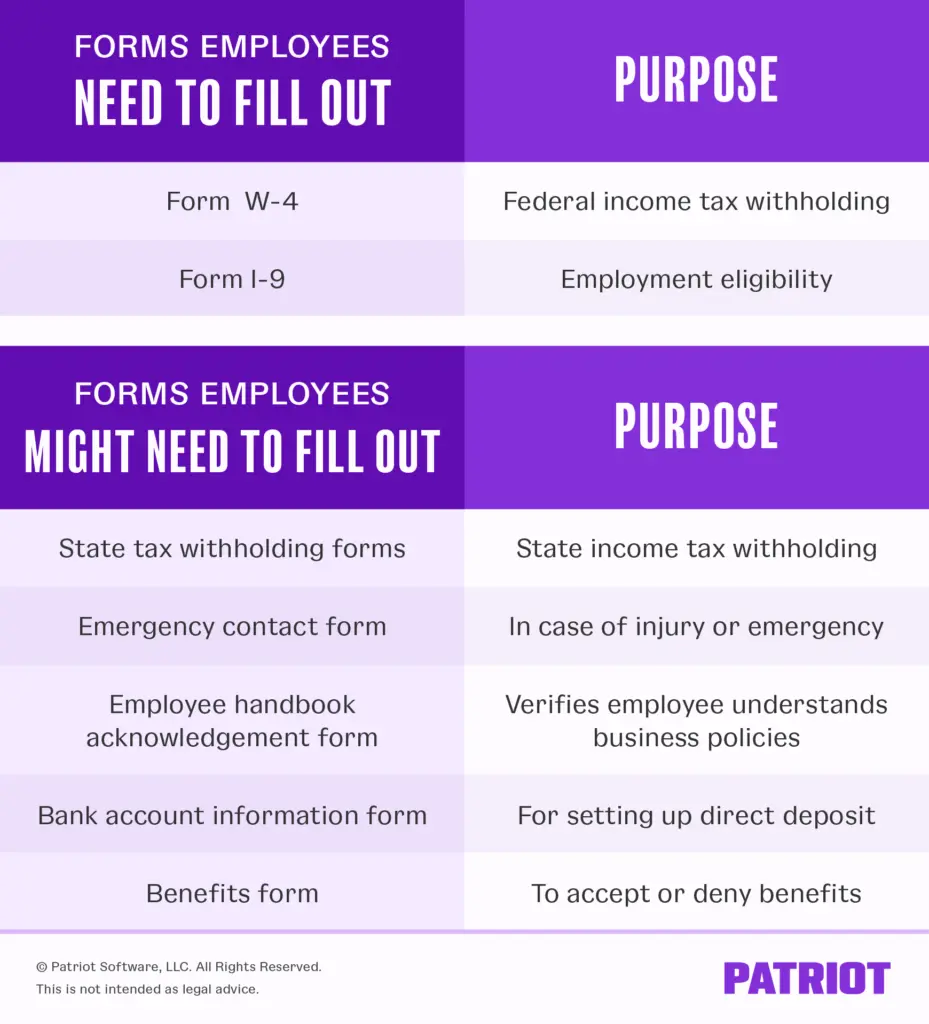
Once the decision to hire is made, managing payroll becomes a complex yet vital process. This involves calculating gross wages, withholding federal and state taxes, deducting benefits, and ensuring timely and accurate distribution of net pay. Payroll errors are not merely administrative nuisances; they can lead to costly fines from regulatory bodies, damage employee morale, and consume valuable management time in corrections. Employing reliable payroll software, such as Patriot Software, can mitigate these risks by automating calculations, ensuring compliance with evolving tax laws, and integrating seamlessly with accounting systems, thereby saving both time and potential penalties, ultimately supporting the journey to sustained profitability.
Cultivating a Culture of Goal Setting and Strategic Planning
Profitability is rarely an accidental outcome; it is the result of intentional goal-setting and disciplined planning. Without a clear target and a roadmap, businesses drift. A comprehensive profit plan integrates all the aforementioned strategies into a cohesive framework.
The planning process should involve:
- Defining a specific profit target: A quantifiable percentage of revenue or a fixed monetary amount.
- Developing a detailed budget: Allocating resources to align with revenue goals and cost controls.
- Forecasting sales and expenses: Projecting financial performance based on market conditions and strategic initiatives.
- Implementing performance metrics: Key Performance Indicators (KPIs) to track progress towards profit goals.
- Establishing regular review cycles: Monthly or quarterly assessments to analyze actual performance against targets and make necessary adjustments.
- Creating contingency plans: Preparing for unforeseen challenges or opportunities.
This systematic approach transforms the abstract desire for profit into an actionable blueprint, enabling consistent monitoring and adaptation.
Avoiding Common Profit-Killing Mistakes
Even with the best intentions, businesses can fall prey to common errors that derail their path to profitability. Awareness of these pitfalls is the first step toward prevention:
- Lack of Clear Financial Goals: Without specific targets, it’s impossible to measure success or direct efforts effectively.
- Ignoring Cash Flow: Focusing solely on paper profit while neglecting liquidity can lead to insolvency.
- Underpricing Products/Services: Devaluing offerings leads to lower margins and often attracts less desirable customers.
- Uncontrolled Spending: Allowing expenses to creep up without corresponding revenue growth erodes profits.
- Poor Inventory Management: Excessive inventory ties up capital; insufficient inventory leads to lost sales.
- Neglecting Customer Retention: Acquiring new customers is significantly more expensive than retaining existing ones.
- Insufficient Marketing or Ineffective Channels: Failing to reach the target audience or investing in unproductive marketing efforts wastes resources.
- Procrastinating on Financial Review: Delaying the analysis of financial statements allows problems to fester.
- Over-reliance on a Single Revenue Stream: Making the business vulnerable to market shifts in one area.
- Failing to Adapt: Sticking to outdated strategies in a dynamic market.
The Broader Economic Impact
The journey to sustainable profitability for small businesses extends beyond individual enterprise success. A robust ecosystem of profitable small and medium-sized enterprises (SMEs) is a critical driver of national economic health. They are incubators of innovation, significant creators of employment opportunities, and vital contributors to local economies. When small businesses thrive, they invest more, hire more, and foster competition, leading to broader prosperity. Governments and financial institutions often implement programs aimed at supporting SME growth, recognizing their outsized impact on job creation and economic resilience.
In conclusion, achieving and sustaining business profitability is a multifaceted challenge that demands strategic foresight, disciplined execution, and continuous adaptation. By meticulously defining profit, understanding the break-even point, managing costs strategically, optimizing pricing, prioritizing high-margin work, ensuring robust cash flow, maintaining impeccable financial records, making judicious hiring decisions, and adhering to a well-crafted profit plan, businesses can navigate economic complexities and secure their financial future. This strategic imperative is not just about financial gain; it’s about building resilient, self-sufficient entities that contribute meaningfully to the economic fabric.