admin
admin
In today’s fiercely competitive talent landscape, organizations are continually seeking innovative and efficient strategies to attract and retain top-tier employees. Among the most effective tools in a recruiter’s arsenal is the employee referral program, a structured initiative that leverages current employees’ networks to source new talent. When a referred candidate successfully joins the team, the referring employee is typically rewarded with a referral bonus. While these bonuses are a powerful incentive, their proper administration, particularly concerning taxation, is a critical area that demands meticulous attention from employers. This article delves into the intricacies of employee referral bonuses, exploring their definition, strategic benefits, optimal payout mechanisms, and crucial tax implications for both employers and employees.
The Strategic Imperative of Employee Referral Programs
Employee referral programs have evolved from informal word-of-mouth recommendations into sophisticated, data-driven components of modern talent acquisition strategies. The premise is simple yet profoundly effective: current employees, being intimately familiar with the company culture and job requirements, are uniquely positioned to identify and recommend suitable candidates from their professional and personal networks. This internal sourcing method offers distinct advantages over traditional recruitment channels such as job boards, recruitment agencies, or career fairs.
Historically, informal referrals have always played a role in hiring. However, the formalization of these programs, often incentivized with financial rewards, gained significant traction in the late 20th and early 21st centuries as the war for talent intensified, particularly in high-growth sectors like technology and specialized manufacturing. Companies realized that by empowering their employees to act as brand ambassadors and talent scouts, they could tap into a hidden pool of passive candidates who might not be actively looking for new roles but are open to opportunities presented by trusted contacts.
The current economic climate, characterized by fluctuating labor markets and persistent skills gaps in various industries, further underscores the strategic importance of robust referral programs. As businesses navigate post-pandemic recovery and digital transformation, the demand for highly skilled and culturally aligned employees remains high. Referral programs offer a cost-effective and efficient solution to meet this demand, fostering a sense of community and shared responsibility in building the workforce.
Defining the Employee Referral Bonus
At its core, a referral bonus is a monetary incentive offered by an organization to its existing employees for successfully recommending individuals who are subsequently hired and often remain employed for a specified duration. This sum of money is a strategic investment designed to encourage employee participation in the recruitment process.
The structure and value of referral bonuses can vary significantly based on company policy, the criticality of the role being filled, and prevailing industry standards. Some organizations opt for a one-time lump sum payment after the referred employee completes their probationary period, typically 30, 60, or 90 days. Other companies may implement a staggered payment system, where an initial bonus is paid upon hiring, with subsequent installments tied to specific employment anniversaries of the referred individual, such as six months or one year. This staggered approach aims to incentivize the referral of candidates who are not only qualified but also likely to demonstrate long-term commitment and stability within the organization.
The amount of a referral bonus is entirely at the discretion of the company. It can range from a few hundred dollars for entry-level or easily fillable positions to several thousand dollars, or even tens of thousands, for highly specialized, senior, or hard-to-find roles. For instance, a software engineer with niche skills or a senior executive might command a significantly higher referral bonus compared to a general administrative role. This differential pricing reflects the market value of the position and the difficulty of sourcing qualified candidates through other means. The harder it is to find qualified employees for a position, the greater the odds of a substantial referral bonus.
While financial incentives are the most common form of referral bonus, some companies also offer non-financial rewards. These can include additional paid time off, public recognition and praise, gift cards, company merchandise, or unique experiences. While these non-monetary incentives can boost morale and engagement, financial bonuses generally remain the most powerful motivator for driving consistent referral activity.
Key Benefits of Offering Referral Bonuses
The advantages of implementing a well-structured employee referral program with attractive bonuses extend far beyond simply filling open positions. Data consistently demonstrates the superior efficacy of referred hires across multiple key performance indicators:
- Higher Quality Hires: Employees are typically discerning when recommending candidates, as their reputation within the company can be implicitly linked to the success of their referral. They are more likely to recommend individuals who not only possess the necessary skills but also align with the company’s culture and values. According to various studies, referred candidates often perform better in their roles and adapt more quickly to the organizational environment.
- Faster Time-to-Hire: Referral programs significantly reduce the hiring cycle. Referred candidates often bypass initial screening stages and can move quickly through the interview process due to the pre-vetting by the referring employee. Industry data frequently shows that referred hires are onboarded weeks faster than candidates sourced through traditional channels. For example, a LinkedIn study indicated that referred hires are 4X more likely to get hired.
- Lower Cost-per-Hire: Recruiting through external agencies or extensive job board advertising can be prohibitively expensive. Referral bonuses, while an upfront cost, are generally more cost-effective. Alex Milosh, Head of Organic Growth at Atera, aptly puts it: "Giving bonuses for employee referrals is a great way to motivate your team and encourage them to help you find top talent. When deciding how much to give, consider the position being filled and the importance of making a good hire. You may also want to factor in the cost of other recruiting methods. For example, if I usually spend $1,000 on job board postings, I might give a $500 bonus for a referred hire that I wouldn’t have otherwise found." This highlights the direct cost savings compared to external recruitment methods.
- Improved Employee Retention: Referred employees tend to stay longer with the company. They often have a built-in support system through their referrer and a clearer understanding of the company culture and expectations before joining. Studies suggest that retention rates for referred hires can be significantly higher, sometimes by as much as 25% or more, compared to those hired through other channels, particularly in the critical first year of employment.
- Enhanced Employee Engagement and Morale: When employees are encouraged to participate in talent acquisition and are rewarded for their efforts, it fosters a sense of ownership and value. It reinforces the idea that their judgment is trusted and that they play a crucial role in the company’s success. This can lead to higher overall employee satisfaction and loyalty.
- Stronger Employer Brand: A thriving referral program signals that a company is a great place to work, as employees are willing to put their reputation on the line to bring others into the fold. It organically builds a positive employer brand and attracts more talent in the long run.
Implementing and Paying Out a Referral Bonus: A Chronological Guide
Successfully integrating referral bonuses into an HR strategy requires a clear, well-communicated policy and a robust process for payout. The journey from referral to bonus payment involves several key stages:

- Program Design and Policy Establishment: The foundational step is to clearly define the parameters of the referral program. This includes eligibility criteria for referrers and referred candidates, the specific positions for which bonuses are offered, the bonus amounts, the conditions for payout (e.g., length of employment for the referred candidate), and the submission process. Transparency and accessibility of these policies are paramount.
- Candidate Submission and Tracking: Employees submit their referrals through a designated channel, often an internal HR portal. The HR team tracks these submissions meticulously, noting the referrer, the candidate, and the position applied for. This tracking is crucial for ensuring fairness and accurate bonus distribution.
- Interview and Hiring Process: The referred candidate proceeds through the standard interview and evaluation process. If successful, a job offer is extended and accepted.
- Onboarding and Probationary Period: The new hire completes their onboarding. The clock often starts ticking for the referred candidate to complete a specified probationary period (e.g., 90 days, 6 months). This ensures the new hire is a good fit and reduces the risk of paying a bonus for a short-term employee.
-
Bonus Trigger and Payout Logistics: Once the conditions for the bonus are met, the payment is initiated. This brings us to the three main components of paying out a referral bonus:
- Amount: The exact gross amount of the bonus must be clearly defined in the program policy. While studies show the average employee referral bonus is around $2,500, this figure can fluctuate widely. Companies must decide if they will offer a flat rate, tiered bonuses based on seniority or role, or even variable bonuses tied to the market value of the position. This amount is the gross sum before any deductions.
- Timing: When the bonus is paid is a critical aspect of the program. Common payout timings include:
- Upon the referred candidate’s start date: Less common, as it carries higher risk if the employee doesn’t stay.
- After the referred candidate completes a probationary period (e.g., 90 days): This is a popular option, balancing incentive with retention.
- Staggered payments: A portion upon the candidate’s hire, and the remainder after six months or a year. This incentivizes long-term retention of the referred employee.
- Within the next scheduled payroll cycle after the trigger event: This is often the most administratively straightforward method.
The logistics of payment also need to be determined: Will it be included in the employee’s regular paycheck, or issued as a separate payment? Including it in the regular paycheck simplifies payroll processing but may make the bonus feel less distinct.
- Taxation: This is arguably the most complex and crucial aspect. Referral bonuses are not a gift; they are a form of compensation and are therefore subject to various taxes.
The Crucial Aspect of Taxation
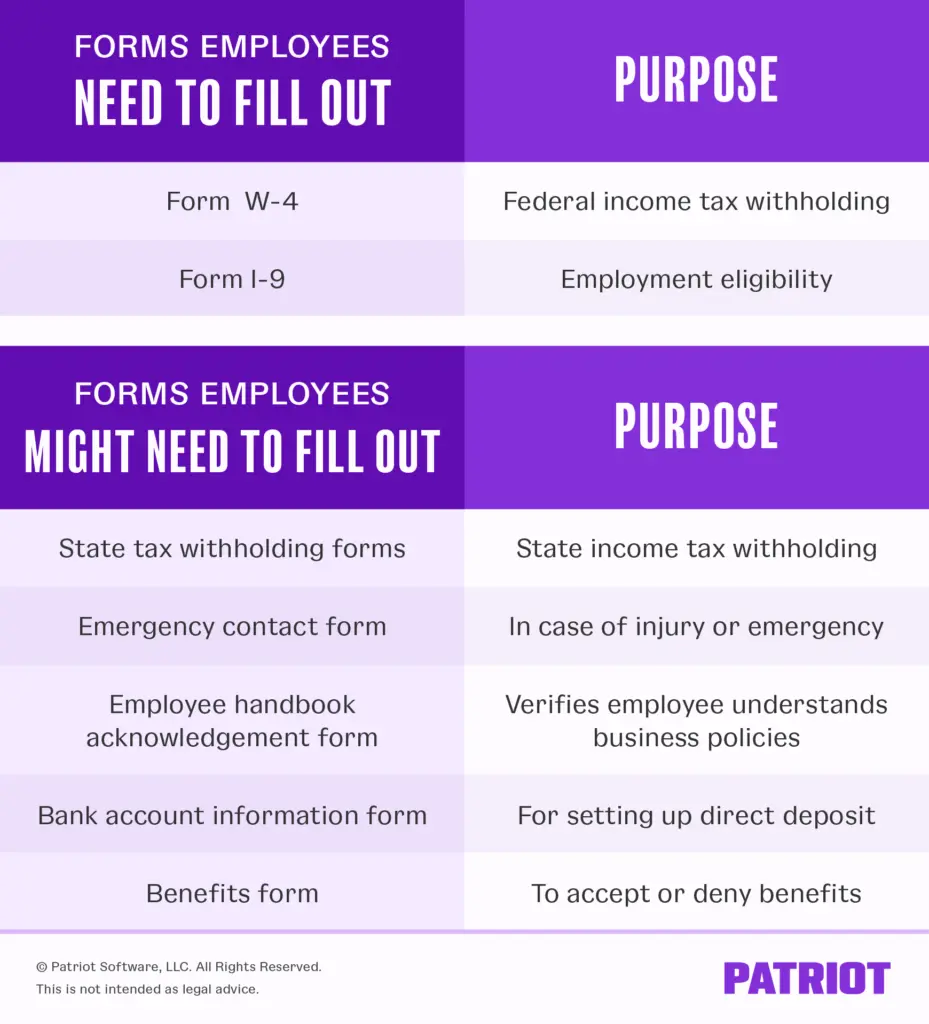
An employee referral bonus is classified by the Internal Revenue Service (IRS) as a "supplemental wage." This means that, like regular wages, it is fully taxable. Employers have a legal obligation to withhold appropriate federal, state, and local taxes from these bonuses before distributing them to employees. Failure to do so can result in significant penalties for the employer.
When it comes to federal income tax withholding for supplemental wages, employers generally have two primary methods:
- The Percentage Method (Flat Rate Method): This is often the simplest approach for supplemental wages. If the supplemental wages paid to an employee in a calendar year are less than $1 million, the employer can generally withhold federal income tax at a flat rate of 22%. If the supplemental wages exceed $1 million within a calendar year, the employer must withhold at the highest income tax rate for that year (e.g., 37% for 2023-2024) on the amount over $1 million. This method is straightforward and commonly used when supplemental payments are clearly identifiable and paid separately from regular wages.
- The Aggregate Method: Under this method, the employer combines the supplemental wages with the employee’s regular wages for the most recent payroll period. The total amount is then treated as a single payment, and income tax is withheld using the employee’s Form W-4 and the standard payroll withholding tables. This method can be more complex as it requires adjusting for the employee’s specific withholding elections, but it often results in a withholding amount that more closely reflects the employee’s actual annual tax liability.
Beyond federal income tax, employers must also withhold Social Security and Medicare taxes (FICA taxes). These are mandatory payroll taxes that apply to virtually all wages, including supplemental wages, up to specific annual limits for Social Security. For Medicare, there is no wage limit.
Additionally, state and local income taxes must be withheld if applicable. These rates and rules vary significantly by jurisdiction, so employers must be diligent in understanding and complying with the specific regulations in each state and locality where their employees reside or work. Some states, for example, have flat income tax rates for supplemental wages, while others require withholding based on aggregate earnings.
For employees, understanding that a referral bonus is taxable is essential for financial planning. A $2,500 gross bonus will result in a lower net "take-home" amount after all applicable taxes are withheld. This can sometimes lead to employee disappointment if not properly communicated upfront.
The Concept of Tax Gross-Up
To address the potential for employees to receive a smaller net bonus than advertised, some employers opt for a "tax gross-up." In a tax gross-up scenario, the employer increases the total gross amount of the compensation (the bonus) so that the employee receives the full intended bonus amount after all taxes have been withheld. Essentially, the employer pays the employee’s tax burden on the bonus.
For example, if a company wants an employee to receive a net $2,500 referral bonus, they would calculate the gross amount needed to achieve this after accounting for federal, state, local, and FICA taxes. This gross-up calculation can be complex, as it involves working backward from the desired net amount to determine the necessary gross payment. While it adds to the employer’s cost, a tax gross-up can significantly enhance the perceived value and appeal of the referral bonus, making it a more powerful incentive.
Broader Impact and Implications
The strategic use of employee referral bonuses extends beyond immediate recruitment needs, influencing broader organizational dynamics and market perceptions.
- For Businesses: A well-executed referral program with attractive, tax-compliant bonuses positions a company as an employer of choice. It fosters a culture of internal advocacy, where employees are invested in the company’s growth and success. This contributes to a stronger employer brand, which is increasingly vital in attracting top talent in a transparent, digitally connected world. Moreover, by reducing reliance on external recruitment channels, companies can gain a competitive edge in talent acquisition, ensuring a steady pipeline of high-quality candidates who are pre-disposed to fit within the organizational culture.
- For Employees: Beyond the direct financial gain, participating in a referral program can enhance an employee’s sense of belonging and value. It validates their professional network and expertise, reinforcing their role as a contributor to the company’s strategic goals. The additional income stream can also be a welcome financial boost, particularly in times of economic uncertainty.
- Challenges and Mitigations: While highly beneficial, referral programs are not without potential challenges. There’s a risk of promoting homogeneity if employees primarily refer individuals similar to themselves, potentially limiting diversity. To mitigate this, companies should ensure their referral programs are inclusive, encourage referrals from diverse backgrounds, and integrate diversity and inclusion metrics into their hiring processes. Administrative burden is another consideration, requiring robust HR and payroll systems to manage submissions, tracking, and accurate tax withholding. Regular review and optimization of the program are essential to maintain its effectiveness.
Conclusion
Employee referral bonuses represent a powerful, multifaceted tool in the modern human resources toolkit. By incentivizing current employees to leverage their networks, businesses can significantly improve the quality, speed, and cost-effectiveness of their hiring processes, while simultaneously boosting employee engagement and fortifying their employer brand. However, the efficacy and legality of these programs hinge on meticulous planning and scrupulous attention to detail, particularly concerning the accurate calculation and withholding of taxes. Understanding that referral bonuses are supplemental wages subject to federal, state, and local taxes, and implementing robust payroll procedures, is not merely a matter of compliance but a fundamental aspect of responsible and strategic talent management. As the pursuit of top talent intensifies, organizations that master the art and science of employee referral programs, including their complex tax implications, will undoubtedly gain a decisive advantage in securing the workforce of the future.