Lina Irawan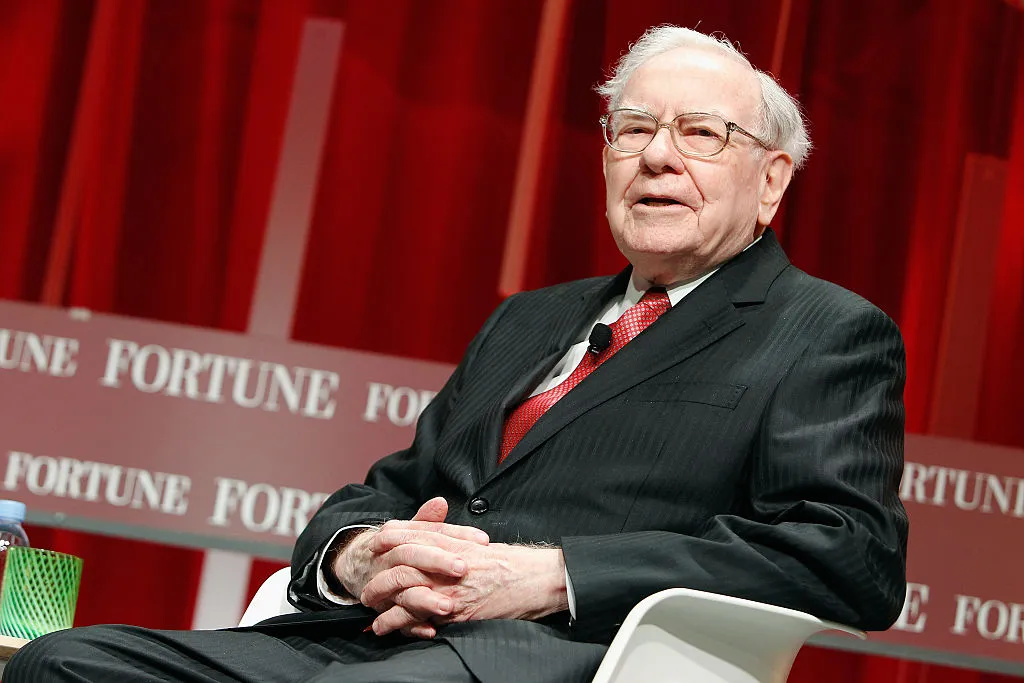
Billionaire investor Warren Buffett, the venerable CEO of Berkshire Hathaway, has consistently outperformed the S&P 500 for decades, cementing his legacy as one of history’s most successful investors. His approach, often characterized by its simplicity and discipline, stands in stark contrast to the speculative fervor that frequently grips financial markets. Rather than chasing fleeting trends or "flashy stocks," Buffett and his long-time business partner, Charlie Munger, have steadfastly focused on assessing fundamental value to identify what they perceive as undervalued companies with robust business models. This steadfast commitment to core principles has not only generated monumental returns for Berkshire Hathaway shareholders but also offers a timeless blueprint for individual investors seeking to cultivate long-term wealth. While his stock selections might appear "boring" to those fixated on rapid growth and immediate returns, it is precisely this methodical, patient investment strategy that has proven to be an engine for sustained capital appreciation. The following explores three foundational investment principles championed by Buffett, principles that every investor can integrate into their own financial journey to foster lasting prosperity.
The Oracle of Omaha: A Legacy of Value Investing
Warren Buffett’s journey to becoming the "Oracle of Omaha" began not with high-frequency trading or complex algorithms, but with an unwavering commitment to value investing, a philosophy deeply rooted in the teachings of his mentor, Benjamin Graham. Born in 1930, Buffett’s early fascination with the stock market quickly blossomed into a profound understanding of intrinsic value. His acquisition of a struggling textile mill, Berkshire Hathaway, in 1965 marked a pivotal moment, transforming it over the subsequent decades into a sprawling investment conglomerate. Through meticulous research and a keen eye for quality businesses, Buffett systematically shifted Berkshire Hathaway’s focus from textiles to insurance and then into a diverse portfolio spanning consumer goods, utilities, finance, and technology.
Berkshire Hathaway’s Class A shares have indeed delivered extraordinary returns, averaging an annual gain of over 20% since 1965, significantly outperforming the S&P 500’s approximately 10% annual return over the same period. This remarkable track record, spanning over five decades, includes navigating numerous economic cycles, market crashes, and technological revolutions. From the dot-com bubble burst in the early 2000s, where Buffett famously eschewed overvalued tech stocks, to the 2008 global financial crisis, where Berkshire Hathaway strategically invested in struggling financial institutions, his disciplined approach has consistently preserved capital and capitalized on market dislocations. The consistency of his methodology, even in the face of evolving market dynamics and increasing digitalization, underscores the enduring power of his core tenets.
1. Identifying Companies with Enduring "Moats"
One of Buffett’s most famous and frequently cited investment principles is the search for companies possessing a "moat." Drawing an analogy from medieval castles, where a deep trench protected the stronghold from invading armies, Buffett applied this concept to business, seeking companies with unassailable competitive advantages. A wider, deeper moat, in his view, provides greater protection from competitors, allowing a company to maintain or expand its market share and profitability over the long term.
Understanding the Anatomy of a Business Moat:
A business moat is not merely a transient advantage but a structural characteristic that allows a company to generate sustainable economic profits. These moats can manifest in several forms:
- Intangible Assets: This includes strong brand recognition (e.g., Coca-Cola, Apple), patents, and regulatory licenses. A powerful brand can command premium pricing and foster immense customer loyalty, making it difficult for new entrants to compete solely on price. Apple’s brand reputation, its ecosystem of innovative products (iPhone, iPad, Mac), and its luxury appeal have created a formidable moat that differentiates it from other hardware and software providers.
- Switching Costs: When it is difficult or costly for customers to switch from one product or service to another, the incumbent company benefits from high switching costs. Enterprise software providers, for instance, often create high switching costs due to the integration complexity and employee retraining required to move to a competitor’s system.
- Network Effects: The value of a product or service increases as more people use it. Social media platforms, payment networks (e.g., Visa, Mastercard), and online marketplaces (e.g., Amazon) are prime examples. As more users join, the platform becomes more valuable to existing and new users alike, creating a virtuous cycle that reinforces its dominance.
- Cost Advantages: Companies that can produce goods or services at a lower cost than their competitors possess a significant moat. This could be due to economies of scale, proprietary processes, superior supply chain management, or preferential access to raw materials. Burlington Northern Santa Fe (BNSF), a Berkshire Hathaway subsidiary, benefits from the immense capital investment required to build and maintain railway infrastructure, creating a natural barrier to entry and a cost advantage in freight transport.
- Efficient Scale: In industries where a limited market size can only support one or a few major players efficiently, the existing dominant companies enjoy a moat. Utilities and local infrastructure companies often fall into this category.
Berkshire Hathaway’s portfolio is replete with examples of companies exhibiting robust moats. Beyond Apple, which constitutes a significant portion of its equity holdings, investments in companies like Coca-Cola (global brand dominance, distribution network), American Express (financial network, brand trust), and See’s Candies (premium brand, loyal customer base) illustrate Buffett’s consistent pursuit of businesses protected by these enduring competitive advantages. Companies with strong moats tend to exhibit higher profitability, resilient market share even during economic downturns, and ultimately, superior long-term shareholder returns, as their structural advantages allow them to fend off competitive pressures and sustain pricing power.
2. Prioritizing Predictable Cash Flow
In an investment landscape often captivated by rapidly rising revenues and ambitious growth projections, Buffett maintains a steadfast focus on a more fundamental metric: predictable cash flow. He is notoriously wary of speculative ventures that prioritize top-line growth at the expense of current profitability, often generating high net losses in their early stages. Instead, Buffett seeks out established companies that consistently generate robust, predictable cash flow, viewing this as the lifeblood of a healthy business.
The Significance of Free Cash Flow:
For Buffett, free cash flow (FCF) – the cash a company generates after accounting for cash outflows to support operations and maintain its capital assets – is paramount. Unlike accounting profits, which can be influenced by various non-cash entries and accruals, FCF represents the actual cash available to a company. This cash can be used for several value-enhancing activities:
- Funding Dividends: Companies with strong, predictable cash flow are better positioned to pay and consistently increase dividends, providing a direct return to shareholders. This stability is highly attractive to income-focused investors.
- Stock Buybacks: Repurchasing shares reduces the number of outstanding shares, increasing earnings per share and, theoretically, the value of each remaining share. This is a common strategy for companies with excess cash flow that see their own stock as undervalued.
- Debt Reduction: Ample cash flow allows companies to pay down debt, strengthening their balance sheet and reducing financial risk, especially during periods of rising interest rates.
- Reinvestment in Growth Opportunities: A healthy cash flow stream provides internal capital for reinvestment in research and development, capacity expansion, or strategic acquisitions, fostering future growth without relying heavily on external financing or diluting existing shareholders.
Investors aspiring to emulate Buffett’s approach should meticulously monitor a company’s cash flow trends over time. A consistent upward trajectory in operating cash flow and free cash flow is a strong indicator of a resilient and well-managed business. Rising cash flow signifies that a company has increasing capital flexibility – it can reinvest more in its core business, pursue new growth avenues, or return more capital to shareholders through dividends and buybacks. This flexibility provides a crucial competitive edge, allowing a corporation to innovate, adapt, and even increase its dividend payouts at a faster rate than its less cash-rich competitors. Buffett’s preference for businesses like Coca-Cola, with its consistent global sales and high margins, or See’s Candies, with its reliable consumer demand and strong brand, perfectly illustrates his focus on cash-generating behemoths rather than unproven startups.
3. The Ultimate Investment: Investing in Yourself
While much of Buffett’s fame stems from his prowess in stock picking, one of his most profound and frequently overlooked principles extends beyond the realm of financial assets: the imperative to invest in oneself. Buffett argues that while well-chosen equities can undoubtedly accelerate one’s path to long-term financial goals, the most potent investment an individual can make is in their own human capital.
Cultivating Financial Literacy and Knowledge:
A cornerstone of self-investment, according to Buffett, is continuous learning, particularly in the domain of finance and investing. This involves:
- Understanding Core Principles: Developing a foundational knowledge of how markets work, different asset classes, valuation techniques, and risk management. This empowers individuals to make informed decisions rather than relying on speculative tips or emotional reactions.
- Identifying Personal Goals: Learning to articulate one’s own financial objectives, risk tolerance, and time horizons. This personalized understanding is crucial for selecting assets that genuinely align with individual circumstances.
- Continuous Education: Engaging with reputable financial literature, reports, and analyses. Buffett himself is a voracious reader, emphasizing the importance of constantly expanding one’s knowledge base. He famously said, "The more you learn, the more you earn."
By educating oneself on investing, individuals gain the autonomy and confidence to navigate complex financial landscapes, make judicious choices, and avoid common pitfalls. This self-reliance is critical for long-term success, as it equips investors to identify opportunities and risks independently.
Investing in Your Career and Skills:
Beyond financial education, Buffett stresses the importance of investing in one’s professional development and career. This multifaceted approach includes:
- Skill Enhancement: Acquiring new skills or refining existing ones that are valuable and in demand within the job market. This could involve formal education, certifications, online courses, or practical experience. In an era of rapid technological advancement, continuous skill development is paramount for career longevity and growth.
- Networking: Building and maintaining a robust professional network. Connections can open doors to new opportunities, mentorship, and collaborative ventures, significantly boosting career prospects.
- Adaptability and Resilience: Cultivating the ability to adapt to changing industry landscapes and economic conditions. A flexible mindset and a willingness to embrace new challenges are invaluable assets in any career.
- Negotiation Skills: Learning to effectively negotiate for higher income, better benefits, and career advancement. A higher income stream provides more capital that can be allocated towards savings and investments, accelerating the journey to financial freedom.
Buffett often reiterates that "the best investment you can make is in yourself." He argues that unlike external investments that are subject to market fluctuations and external forces, an investment in one’s own capabilities and knowledge offers a guaranteed return that compounds over time. Increased income, coupled with enhanced financial literacy, acts as a powerful catalyst for achieving financial independence, providing the capital necessary to invest in external assets and the wisdom to do so effectively. This holistic approach to wealth building underscores that true financial freedom is a product of both external capital allocation and internal personal growth.
Broader Impact and Enduring Relevance
The principles espoused by Warren Buffett and Berkshire Hathaway continue to resonate deeply in the contemporary investment world, even as markets grapple with unprecedented technological shifts, geopolitical uncertainties, and evolving economic models. His emphasis on intrinsic value, competitive advantages, and robust cash flow remains a critical counter-narrative to the often-speculative tendencies that can dominate headlines.
While some critics occasionally point to periods where "growth stocks" have temporarily outshone "value stocks," or question the adaptability of traditional value investing in the age of rapidly scaling tech companies, Buffett’s core philosophy has consistently demonstrated its resilience. His recent significant investment in Apple, a technology giant, exemplifies that his principles are not rigid adherence to old industries but rather an adaptable framework for identifying value in any sector, provided the company possesses a strong moat and predictable cash flow.
For the average retail investor, Buffett’s lessons offer invaluable guidance:
- Patience and Discipline: Avoid herd mentality and short-term trading. Focus on long-term ownership of quality businesses.
- Understanding What You Own: Invest only in companies whose business models you can comprehend.
- Margin of Safety: Purchase assets at a price significantly below their intrinsic value to provide a buffer against unforeseen events.
- Continuous Learning: Remain a student of both business and finance.
In an economic climate characterized by fluctuating inflation, potential recessions, and rapid innovation, the wisdom of the "Oracle of Omaha" provides a stabilizing anchor. His principles are not merely a collection of investment tips but a comprehensive philosophy for building enduring wealth, rooted in common sense, meticulous analysis, and a profound understanding of human nature and economic cycles. By adopting these tenets – seeking out companies with strong moats, prioritizing predictable cash flow, and making the ultimate investment in oneself – individuals can equip themselves with a powerful strategy to navigate financial markets and achieve their long-term financial aspirations.