Layla Zulfa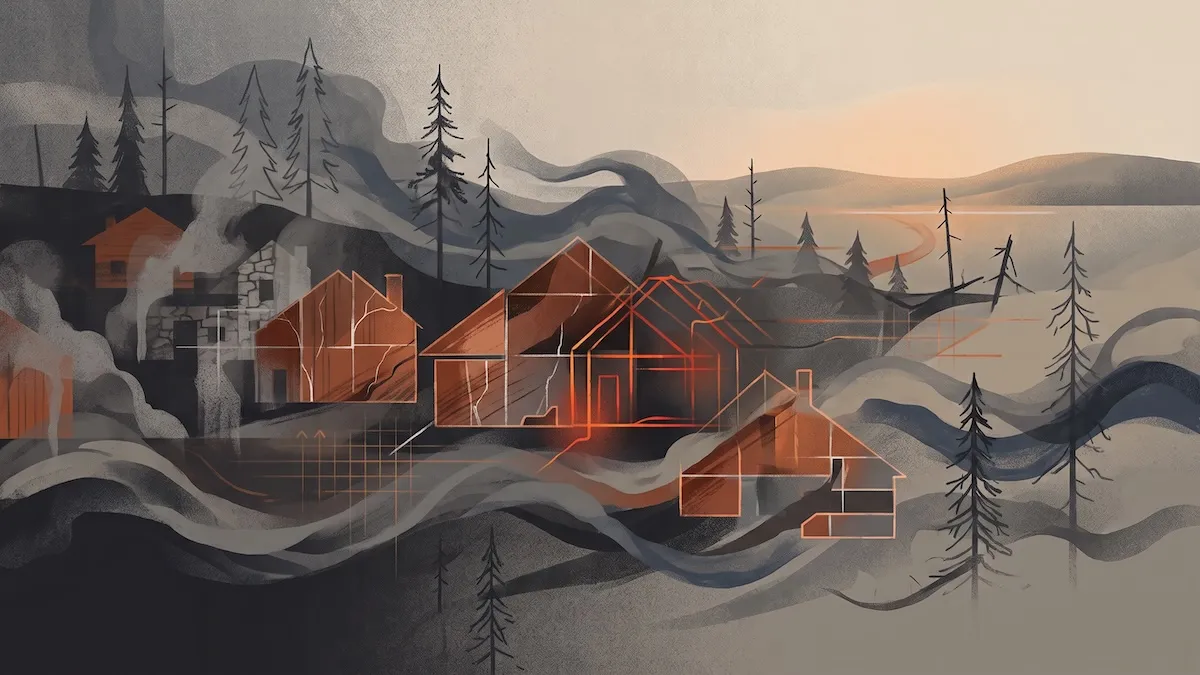
Washington state is grappling with a wildfire season of devastating proportions, setting grim new records as over 850,000 acres have been consumed by flames statewide. The infernos have left a trail of destruction in their wake, particularly in the Spokane area where hundreds of homes have been reduced to ashes. This catastrophic event is not only displacing residents but is also forcing a profound recalibration of the local housing market, presenting complex challenges for homeowners, insurance providers, and real estate professionals alike. The fires have created a ripple effect extending far beyond the immediate loss of shelter, impacting livelihoods, community stability, and the very fabric of residential life.
The current wildfire season, which has already surpassed previous benchmarks, began with a series of intense ignitions that quickly escalated into widespread conflagrations. As of late August, the Washington Department of Natural Resources reported 1,456 wildfires across the state, burning an alarming 851,557 acres. This figure is more than double the acreage burned by the same date in the previous year, underscoring the escalating severity of the crisis. The Spokane Complex fires, which ignited on August 1st, have been particularly devastating, leading to the destruction of over 830 homes according to Spokane County Assessor Tom Konis. Preliminary estimates suggest that the damage from these fires alone could exceed $1 billion, potentially positioning them as some of the costliest wildfires in Washington’s history. This level of destruction triggers a cascade of immediate and long-term challenges for affected communities.
Navigating the Aftermath: Challenges for Displaced Residents and Real Estate Professionals
For residents who managed to escape the flames with only their most essential possessions, the immediate aftermath is a daunting landscape of insurance claims, the search for temporary housing, and agonizing decisions about whether to rebuild their lives in their familiar communities or seek new beginnings elsewhere. The process of filing insurance claims is often arduous and time-consuming, with many individuals facing delays and complexities in navigating policy details and payout procedures. The scarcity of available rental properties in the immediate aftermath exacerbates the housing crisis, driving up demand and costs for temporary accommodations.
Denise Thrasher, a real estate agent with Haven Real Estate Group, affiliated with Epique Realty in Spokane, described the evolving landscape for her profession. "Yes, we do have to continue running the business because we do have many clients that we’re still servicing who were even not affected by the fires, and we still need to help them through their process," Thrasher stated. However, she emphasized the significant adjustments required. "I think one of the bigger things is just trying to be aware of the changes that could be coming, regarding homeowners’ insurance and buyers who need to have homeowners’ insurance prior to closing, or any buyers or sellers that we’ve had that are in the zone that were affected by the fire.”
The requirement for buyers to secure homeowners’ insurance before closing, a standard practice, has become a focal point of concern. In areas devastated by wildfires, obtaining new insurance policies can be challenging, if not impossible, for properties located in high-risk zones. This can stall or derail real estate transactions, adding another layer of complexity to an already difficult situation for both buyers and sellers. Agents are actively working to stay informed about evolving insurance regulations and availability, attending workshops and consulting with insurance agents to better advise their clients.
The Housing Crunch and the Search for Stability
Thrasher highlighted the paramount concern of understanding the immediate and long-term housing needs of displaced homeowners. "For folks who lost their homes and are now needing housing, we need to know what they’re facing in regard to getting any help from insurance," she explained. "There’s also many folks out here who have been taking time, effort and money to help those people out and house them.” The community response has been remarkable, with many residents opening their homes and offering support to those who have lost everything.
However, the transition from temporary shelter to permanent housing remains a significant hurdle. "We don’t see a lot of people who have lost their home find [a new one] yet," Thrasher admitted. "There’s a lot that they have to go through as far as getting through the insurance and then deciding if they want to rebuild on that same lot, or if they’re going to move away from where they’re at. It’s all still really new and up in the air – a lot of people still handling the red tape.” The decision to rebuild involves more than just financial considerations; it requires a deep emotional commitment to a place that has been ravaged by disaster. The uncertainty surrounding future fire risks and potential changes in insurance availability further complicates these life-altering choices.
The Unseen Impact: Standing Homes and Environmental Concerns
The fires’ impact extends beyond the immediate destruction of homes, casting a shadow over properties that miraculously survived the infernos. Thrasher noted the unique challenges faced by homeowners whose properties remain standing amidst the ruins of their neighborhoods. "It’s interesting to see the homes that are still standing when the rest of the neighborhood has been burned down," she remarked. "So, they’re also trying to figure out how those folks can move forward with their homes. I think they’re going through testing for contamination, as well. We’re also learning about contaminants that may have come about through the fire – contaminants that are floating in the air and maybe have entered other people’s homes that are still standing.”
The aftermath of wildfires can leave behind hazardous materials, including asbestos from damaged structures and fine particulate matter from burnt vegetation and building materials. These contaminants can pose significant health risks to residents, necessitating thorough environmental assessments and remediation efforts. The cost and complexity of these assessments add another layer of financial burden for homeowners, even those whose homes were spared direct flame impingement. "There are many levels of damage that came along with the fires. Some people, unfortunately, have probably already been through this before, but I think the majority of people haven’t,” Thrasher added, underscoring the unprecedented nature of this disaster for many in the community.
Resilience and Adaptation: The Real Estate Market’s Ongoing Operations
Despite the overwhelming challenges, the real estate business in Spokane continues to operate. Thrasher, whose own home was in an evacuation zone but thankfully remained undamaged, reported that her business has not experienced widespread cancellations directly attributable to the fires. However, properties situated within evacuation zones have introduced new considerations for both sellers and agents. "We were evacuated in some areas for quite some time, so with some of those [properties] they were going back and forth, trying to figure out if they should pull them off the market for a little while to give them a break," Thrasher explained. "And it can be unclear of how the sale would go in the future because of insurance, and maybe people wouldn’t deem them to be in a safe area because of fires.”
The perception of safety and the long-term viability of a neighborhood in the face of recurring wildfire threats can significantly influence buyer interest and property values. Real estate professionals are tasked with navigating these evolving perceptions and providing accurate, up-to-date information to their clients. This includes understanding the fire mitigation efforts being undertaken in affected areas and the potential for future development or rezoning.
A Long Road to Recovery: Broader Implications and Future Outlook
The current wildfire crisis in Washington is not an isolated incident but part of a growing trend of increased wildfire activity driven by climate change, drought conditions, and land management practices. The state’s escalating wildfire season serves as a stark reminder of the vulnerability of communities in fire-prone regions. The Spokane Complex fires, in particular, have highlighted the devastating economic and social consequences of large-scale wildfires.
The estimated $1 billion in damages from the Spokane fires alone underscores the immense financial strain on individuals, insurance companies, and government resources. This economic impact extends to the broader regional economy, affecting local businesses, employment, and tax revenues. The long-term implications for the Spokane housing market are significant. Property values in fire-affected areas may face downward pressure, while insurance premiums are likely to rise across the state, particularly in high-risk zones. This could lead to a situation where homeowners struggle to afford insurance, potentially resulting in uninsurable properties and further impacting market stability.
Recovery from such a widespread disaster is a marathon, not a sprint. Thrasher echoed this sentiment, drawing parallels to past fire events in the region. "I know we had a fire here a couple years ago, and there’s still people dealing with that," she said. "So, they’re telling people to be prepared to be patient. For right now, like I said, agents are doing good work to help – a lot of people are doing good work for each other – to get through this.” The resilience of the Spokane community, characterized by mutual aid and a collective spirit, will be crucial in the coming months and years.
With September, a historically dangerous month for wildfires in Washington, still on the horizon, the region faces the daunting task of balancing ordinary housing market activity with the extraordinary needs of communities rebuilding from disaster. The ongoing threat of further ignitions adds a layer of anxiety and uncertainty, demanding a proactive and adaptive approach from all stakeholders involved in the recovery and reconstruction efforts. The long-term impact of this wildfire season will undoubtedly reshape not only the physical landscape of Spokane but also its economic and social trajectory for years to come.