Nila Kartika Wati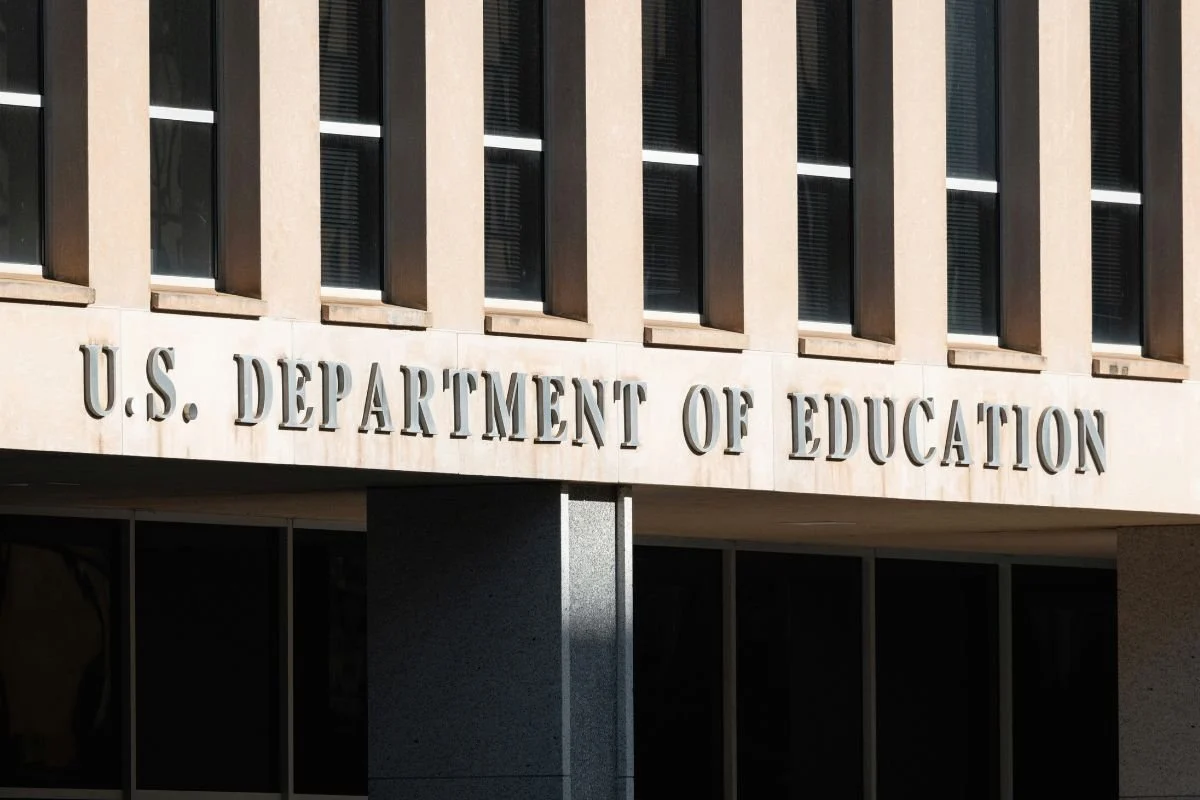
A significant shift in federal education policy is poised to reshape the landscape of American healthcare education, as new loan limits threaten to restrict access to advanced degrees in nursing and public health. Under legislation signed by President Donald Trump, the Department of Education has introduced a tiered system for graduate student loans that distinguishes between "professional" and "standard" graduate degrees. This reclassification, set to take full effect in July 2026, imposes a $100,000 lifetime borrowing limit on standard graduate degrees—a category that now includes public health and nursing—while allowing students in fields such as dentistry, pharmacy, and chiropractic medicine to borrow up to $200,000.
The policy change has ignited a fierce debate between fiscal conservatives aiming to curb the nation’s $1.7 trillion student debt portfolio and healthcare advocates who warn that the move will exacerbate provider shortages and devastate diversity initiatives. For students like Shawnie Allen, the impact is not merely academic; it is a barrier to a career born from personal necessity and a desire to address systemic inequities.
The Human Face of Policy: Personal Narratives and Professional Aspirations
The drive to pursue advanced healthcare education often stems from direct encounters with the shortcomings of the current system. Shawnie Allen, a 23-year-old graduate student at the University of South Florida, traces her commitment to maternal and child health to a 2023 hospital visit. Then a 20-year-old junior, Allen sought information about terminating a pregnancy. She recalls a palpable shift in the demeanor of her nurse upon asking about abortion options, an experience that highlighted the vulnerability of Black women in clinical settings.
Allen’s research into racial disparities in healthcare revealed a stark reality: Black women face significantly higher rates of maternal mortality and often receive lower-quality care when providers do not share their lived experiences. Spurred by this realization, she enrolled in a Master of Public Health program, funded entirely through federal student loans. Under the new $100,000 cap, students in Allen’s position may find themselves unable to complete their degrees if their undergraduate debt and graduate tuition exceed the threshold.
Similar concerns are echoed by Chloe Urias, a second-year graduate student at the Vanderbilt School of Medicine. The daughter of a Mexican immigrant, Urias views education as the primary vehicle for social mobility and health equity. She argues that the administration’s proposal strips away one of the few remaining avenues for women of color to enter high-level health policy roles. For Brittany Vang, a doctoral student at Mercer University and the child of refugees from Laos, the policy threatens to halt progress in "cultural competence"—the ability of providers to effectively communicate with and treat diverse populations.
Chronology of Student Aid Reform and the Regulatory Shift
The current conflict is rooted in the interpretation of the Higher Education Act of 1965, the foundational law governing federal student aid. While the Act provides a list of examples of "professional degrees," it explicitly states that the list is not exhaustive, leaving the Department of Education with significant discretion in how it classifies various programs.
- July 2025: President Trump signs legislation aimed at overhauling federal student loan provisions, focusing on reducing the total volume of government-backed debt.
- November 2025: The Department of Education releases a memorandum clarifying the definitions of "professional" vs. "standard" degrees. Nursing and public health are notably absent from the professional list, despite their clinical requirements.
- Early 2026: Negotiated rulemaking sessions conclude, solidifying the $100,000 cap for standard graduate degrees.
- July 2026: The new loan limits are scheduled to go into effect for all new loan originations.
The administration defends the move as a necessary measure to force universities to lower tuition costs. In a statement on its website, the Department of Education argued that graduate students receive more than half of all new federal student loans and that capping these loans will "help drive down the cost of graduate programs and reduce the debt students have to take out."
Supporting Data: The Economic and Demographic Divide
The reclassification of nursing and public health degrees comes at a time when the healthcare workforce is already struggling with a lack of representation. According to 2024 data from the Bureau of Labor Statistics, people of color account for only 32 percent of all healthcare practitioners and technical occupations.
The financial burden of medical education falls disproportionately on these same groups. Research from the American Association of University Women (AAUW) indicates that women of color historically borrow more in student loans and carry higher debt loads than their white or male counterparts. This is often due to a lack of generational wealth and the necessity of using loans to cover not just tuition, but also the rising cost of living during years of unpaid clinical rotations.
Furthermore, the $100,000 cap is often insufficient for modern medical training. The cost of a Master of Science in Nursing (MSN) or a Doctor of Nursing Practice (DNP) can range from $60,000 to over $150,000, depending on the institution. When combined with the average undergraduate debt—which hovers around $30,000—many students will hit the federal ceiling before they can complete their advanced certifications.
Official Responses and Professional Backlash
The Association of Schools and Programs of Public Health (ASPPH) has been among the most vocal critics of the Department of Education’s decision. Laura Magaña, president of the ASPPH, characterized the definition as "short-sighted," noting that it fundamentally misunderstands the practical application of public health. "This isn’t about labels or academic titles," Magaña said. "It’s about whether we continue to recognize and invest in the training pipeline that has protected Americans for generations."
The National Association of Hispanic Nurses (NAHN) also expressed alarm. Veronica Vital, president of the NAHN, emphasized that nurses with advanced degrees are the "backbone" of care in medically underserved and rural areas. "Historically, we know that when the culture and lived experiences between provider and patient are shared, that enhances trust and ultimately enhances outcomes," Vital stated. She warned that the policy would "weaken the pipeline" of diverse providers, leading to a widening of health equity gaps.
Advocates argue that the inclusion of pharmacy and chiropractic degrees in the "professional" category while excluding nursing—which includes nurse midwives and nurse anesthetists—is arbitrary and fails to account for the essential roles these practitioners play in the American medical infrastructure.
Analysis of Implications: Rural Healthcare and Pandemic Preparedness
The long-term implications of these loan limits extend far beyond the individual student. Advanced practice nurses are often the sole providers of primary care in rural communities where physicians are scarce. By limiting the ability of students to fund these degrees, the policy may inadvertently trigger a healthcare vacuum in the very regions the administration has pledged to support.
From a public health perspective, the timing of the policy is particularly scrutinized. Following the COVID-19 pandemic, there was a national consensus on the need to bolster the public health workforce, including epidemiologists and health administrators. Restricting the financial path to these roles may leave the nation less prepared for future health crises.
Moreover, the administration’s theory that loan caps will force universities to lower tuition remains unproven. Critics argue that instead of lowering prices, elite institutions may simply pivot to admitting wealthier students who do not rely on federal aid, thereby turning advanced healthcare degrees into "luxury goods" and further homogenizing the field.
Conclusion and Future Outlook
As the July 2026 implementation date approaches, the healthcare and education sectors are bracing for a period of significant transition. While the Department of Education maintains that these measures are essential for fiscal responsibility and tuition control, the potential for collateral damage in the form of reduced diversity and workforce shortages remains a primary concern for industry leaders.
The outcome of this policy shift will likely be measured in the coming decade by the demographic makeup of America’s hospitals and the accessibility of care in underserved regions. For students like Allen, Urias, and Vang, the immediate future is defined by a race against time to secure their education before the financial ladder is shortened. The debate now moves to the halls of Congress and the courts, as professional organizations explore legal and legislative avenues to restore the "professional" designation to the degrees that safeguard the nation’s health.