Nila Kartika Wati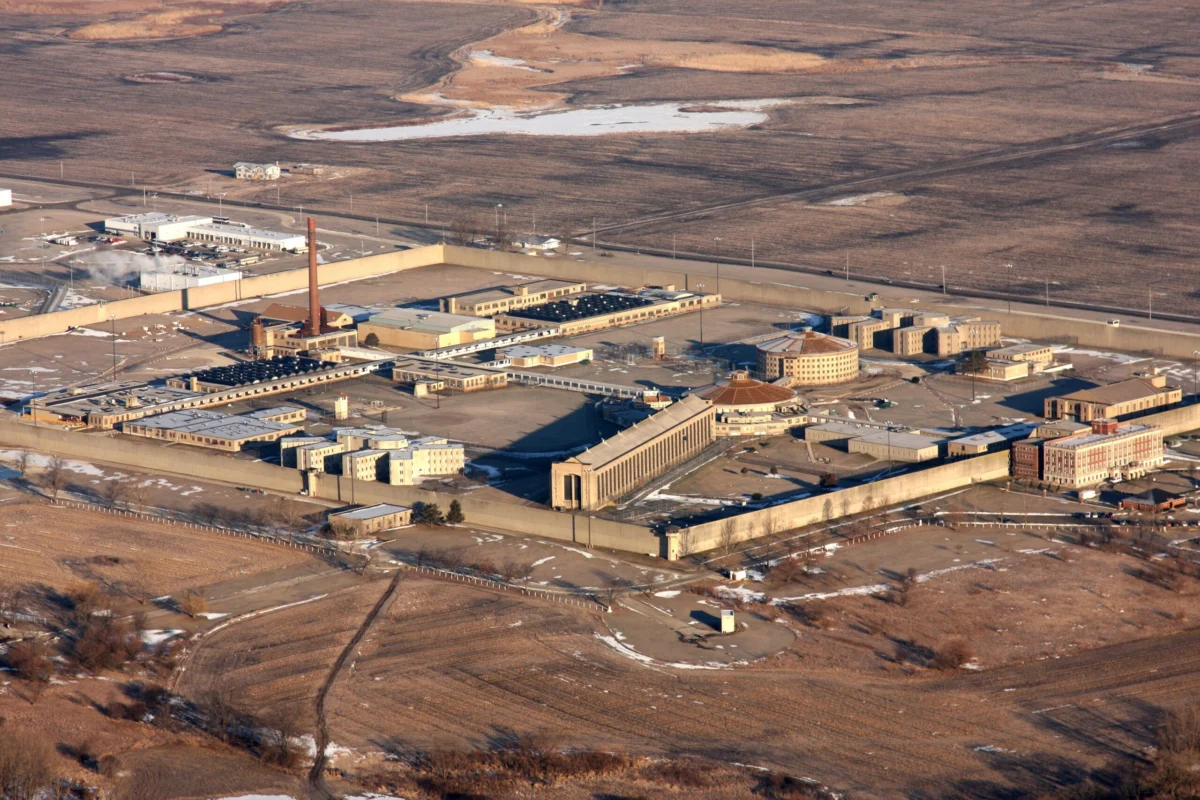
The intersection of the American penal system and environmental degradation has created a public health crisis that advocates describe as a "corrupt calculus" of human and ecological disposability. Across the United States, correctional facilities are disproportionately sited on land contaminated by industrial waste, situated near federal Superfund sites, or plagued by crumbling infrastructure that exposes incarcerated populations to toxic substances. This arrangement, rooted in centuries of state-sanctioned policy, has effectively turned the prison system into a repository for both industrial toxins and marginalized communities.
The Geography of Toxic Prisons
Recent investigations and mapping projects have revealed a startling correlation between carceral geography and environmental hazards. Data indicates that approximately one-third of all state and federal prisons in the United States are located within three miles of a federal Superfund site—areas designated by the Environmental Protection Agency (EPA) as requiring long-term cleanup of hazardous contaminants.
This spatial distribution is rarely accidental. Historically, state governments have sought out the cheapest possible land for prison construction, which frequently leads to the acquisition of "brownfields" or former industrial sites deemed unsuitable for residential or commercial development. B. Preston Lyles, lead organizer for the Toxic Prisons Campaign of the Human Rights Coalition, characterizes this phenomenon as the "trash can" model of governance. In this framework, both the land and the people residing upon it are viewed as surplus or "throwaway" entities.
The environmental burden on incarcerated individuals is significantly higher than that of the general public. A 25-year longitudinal study found that incarcerated populations breathe air with significantly higher concentrations of pollutants than those living outside prison walls. Despite these findings, federal environmental protections often fail to apply within correctional facilities, creating a regulatory vacuum where health standards are routinely bypassed.
Case Study: The Contamination of Stateville Correctional Center
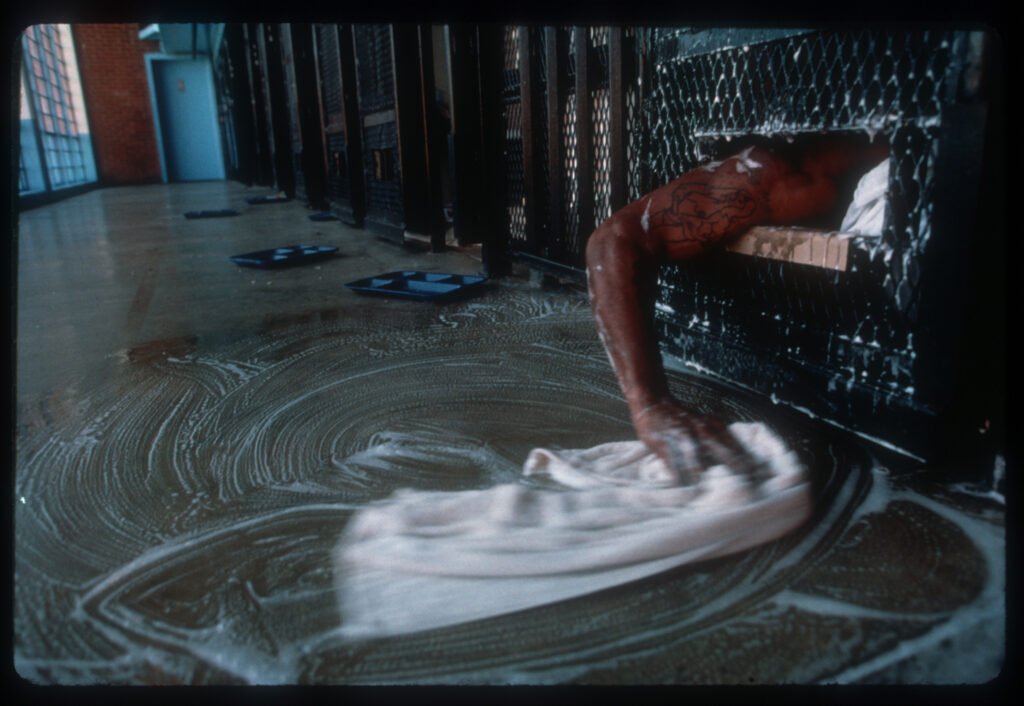
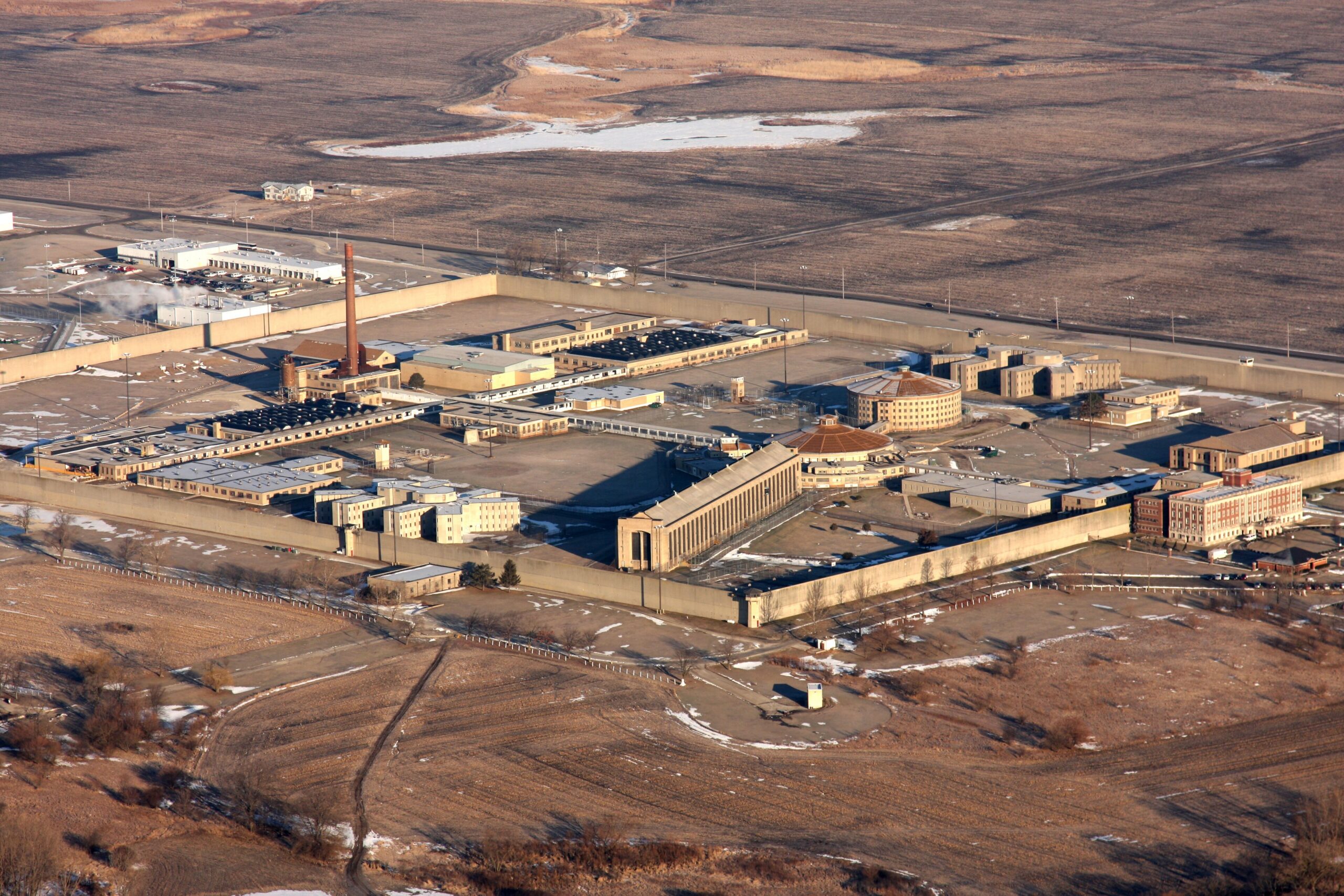
The recent history of the Stateville Correctional Center in Crest Hill, Illinois, serves as a primary example of the intersection between infrastructural neglect and environmental toxicity. For decades, the facility’s water supply contained nearly twice the federal limit for radium, a radioactive element. By 2022, Illinois officials confirmed the presence of Legionella bacteria in the water—the pathogen responsible for Legionnaires’ disease.
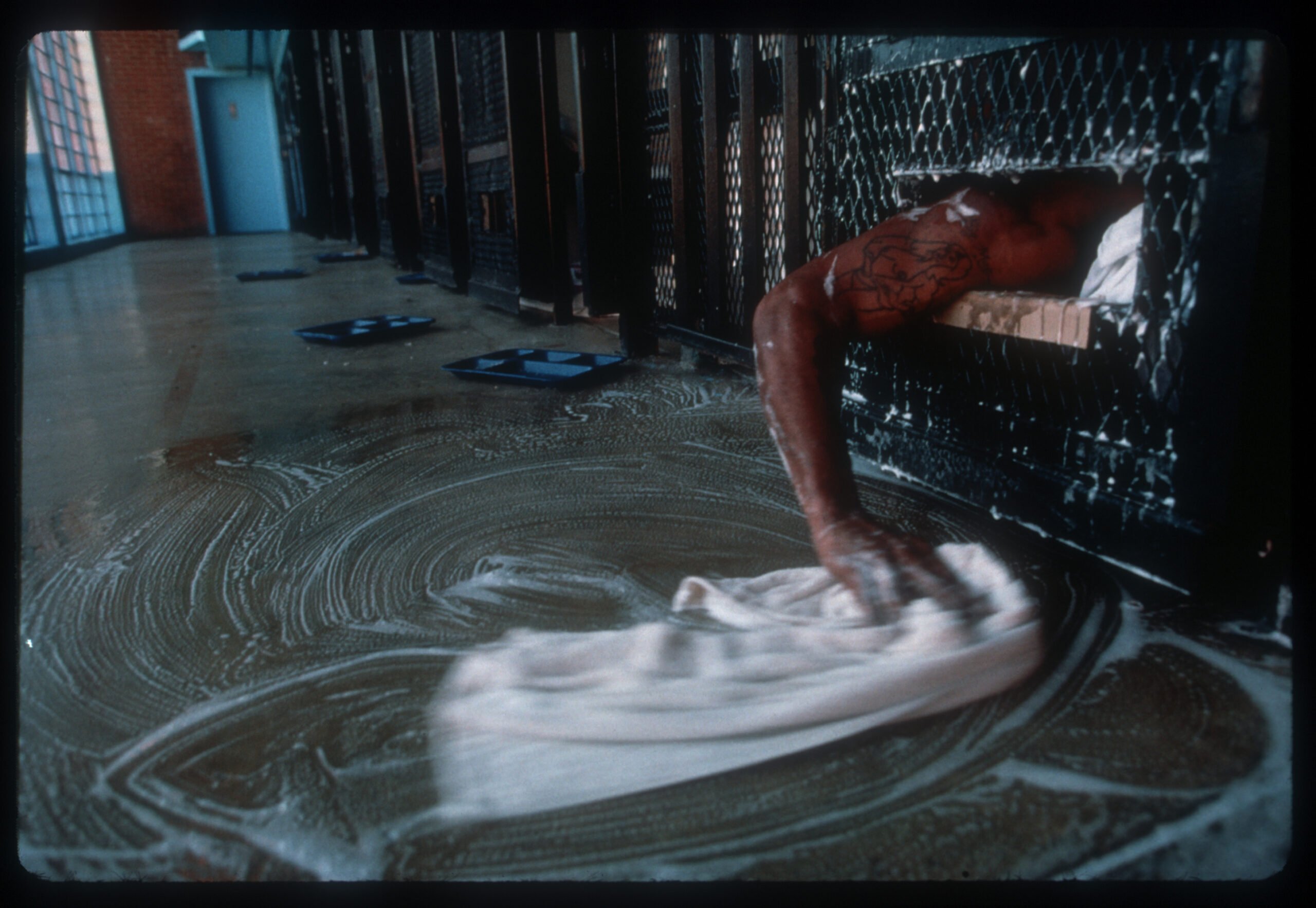
The human cost of these conditions is documented in the medical records of former residents. Broderick Hollins, who spent six years at Stateville, was diagnosed upon his release with a blood-lead level of 83 micrograms per deciliter. This figure is more than eight times the threshold associated with severe neurological damage and was traced directly to the prison’s aging lead pipe infrastructure.
The cumulative impact of contaminated water, poor air quality, and the presence of toxic signage within the facility contributed to what incarcerated individuals described as a "perpetual sickness" pulsing through the institution. These conditions eventually led to a series of lawsuits and public outcries, contributing to the facility’s closure as state officials acknowledged the unsustainability of the site.
SCI Fayette and the Legacy of Coal Ash
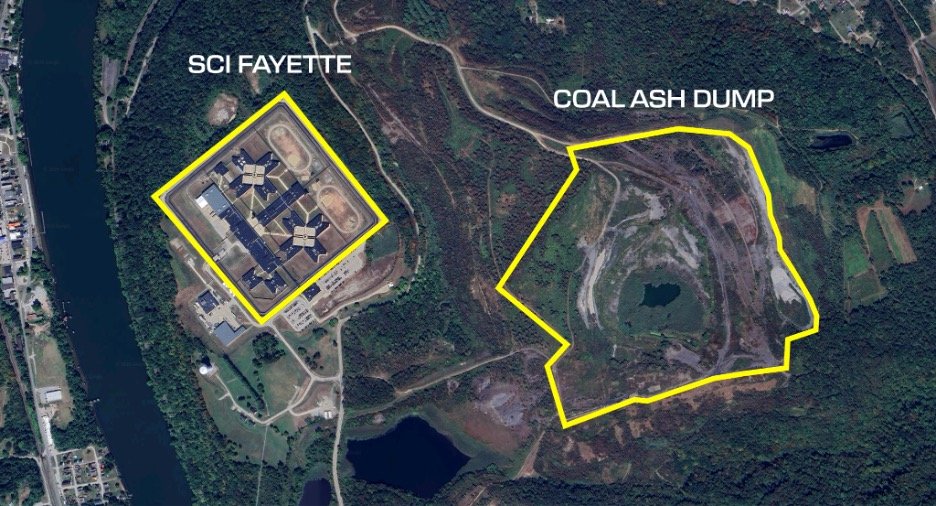
In Pennsylvania, the State Correctional Institution (SCI) Fayette provides another stark illustration of toxic siting. Built in 2003, the facility was constructed on 238 acres of land purchased from a coal ash processing company for $125 million. The site sits directly atop a coal waste dump.
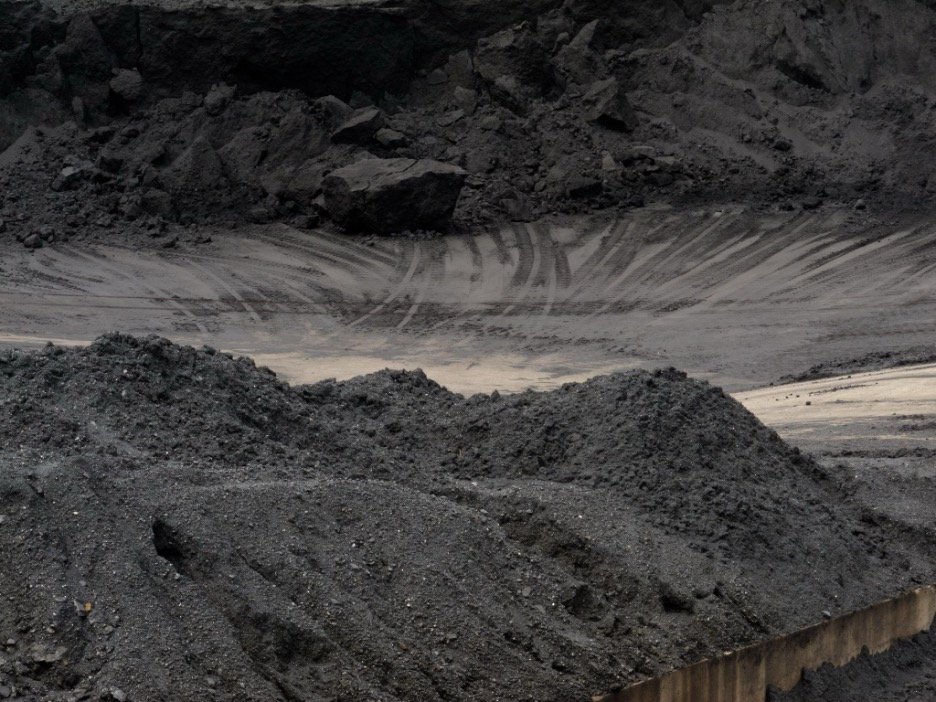
Coal ash—the residue remaining after coal is burned for energy—is a hazardous cocktail of heavy metals, including arsenic, lead, mercury, and chromium. When unmanaged, these toxins leach into the groundwater or become airborne as dust. Residents at SCI Fayette reported washing clothes in water that smelled of urine and being denied bottled water, even as correctional officers and canine units were provided with clean, external water sources.
Within the first few years of the prison’s operation, eleven deaths were reported, followed by a surge in cancer diagnoses. Advocacy groups like the Abolitionist Law Center have documented cases where medical complaints were ignored for years, leading to terminal outcomes for illnesses that might have been treatable had they been addressed upon the first sign of symptoms. The Toxic Prisons Campaign has worked to map these overlaps, building an evidentiary record that suggests these health outcomes are foreseeable consequences of deliberate land-use choices.
A Chronology of Disposability: From Plantations to the 1994 Crime Bill
The logic governing the placement of toxic prisons is rooted in the historical evolution of the American labor and penal systems. Analysts point to a direct lineage from the plantation economy to modern mass incarceration:
- Post-Civil War Era: Following the abolition of slavery, Southern states enacted "Black Codes" to criminalize the existence of freed Black Americans. This led to the rise of convict leasing, where states rented incarcerated labor to railroads, coal mines, and plantations.
- Industrial Extraction: During the late 19th and early 20th centuries, incarcerated people were forced to work in high-risk industrial environments, including mines and toxic manufacturing sites, without the safety protections afforded to free workers.
- Redlining and Urban Renewal: Mid-20th-century zoning laws and housing policies further isolated Black and brown communities in industrial zones, creating "sacrifice zones" where environmental regulations were lax.
- The 1994 Crime Bill: The Violent Crime Control and Law Enforcement Act of 1994 triggered a historic prison construction boom. This expansion occurred without comprehensive environmental impact assessments regarding where facilities would be sited or the long-term health implications for those housed within them.
- Corporate Partnerships: Modern prisons often operate as business partners with the fossil fuel and petrochemical industries, leasing land for mining or purchasing industrial cleaning supplies and manufacturing components from firms with poor environmental records.
A notable modern instance of this synergy occurred following the 2010 Deepwater Horizon oil spill. British Petroleum (BP) utilized incarcerated cleanup crews on toxic beaches in Louisiana. These individuals were often forced to wear BP logos to obscure their status and were exposed to hazardous crude oil and chemical dispersants with minimal protective gear and, in many cases, no financial compensation.
The Failure of Regulatory Oversight
Despite awareness of these issues at the highest levels of government, regulatory progress has been stagnant. In 2022, President Joe Biden’s environmental justice team reportedly pushed for new regulations to address pollution impacting county jails and state prisons. However, these initiatives have yet to manifest as enforceable federal policy.
The lack of oversight is compounded by the "sovereign immunity" and "qualified immunity" often claimed by state agencies, which makes it difficult for incarcerated individuals to seek damages for environmental illnesses. Furthermore, the Prison Litigation Reform Act (PLRA) of 1996 established significant procedural hurdles that prevent incarcerated people from filing lawsuits regarding prison conditions until they have exhausted all internal grievance procedures—a process that is often opaque and circular.
Broader Implications and the Path Toward Reclamation
The environmental crisis in the carceral system is increasingly viewed not as a series of isolated accidents, but as a systemic feature of American racial and economic policy. Scholars such as Michelle Alexander and Angela Davis argue that the system cannot be "reformed" into safety because the very premise of the modern prison is built upon the removal of "undesirable" populations from the public eye.
In response, a growing movement for "environmental carceral justice" is seeking to transition these toxic sites into community assets. In Letcher County, Kentucky, local coalitions successfully organized against a proposed federal prison site on land previously stripped by coal extraction. Instead, they are advocating for the land to be returned to Indigenous stewardship or repurposed for community-led ecological restoration.
In Louisiana, projects like the GrowingChange History Project are documenting the reclamation of land tied to convict leasing, turning former sites of extraction into areas for healing and sustainable agriculture. The vision shared by many activists is the complete cessation of the "toxic prison" model in favor of land-back initiatives and reparative justice.
Conclusion: The Cost of Sustainability
The current trajectory of American incarceration faces an unsustainable environmental and moral cost. As long as carceral facilities are used as "trash cans" for human beings and industrial waste, the goal of a healthy, equitable environment remains unattainable.
The closure of facilities like Stateville suggests a shifting tide, driven by the realization that the infrastructure of mass incarceration is physically and ecologically crumbling. The challenge for policymakers and the public alike is to recognize that the decisions made about whose communities are worth protecting and whose land is available for sacrifice are not inevitable. They are choices that can be unmade through a commitment to the dignity of all citizens and the restoration of the land they inhabit.