Candice Horbacz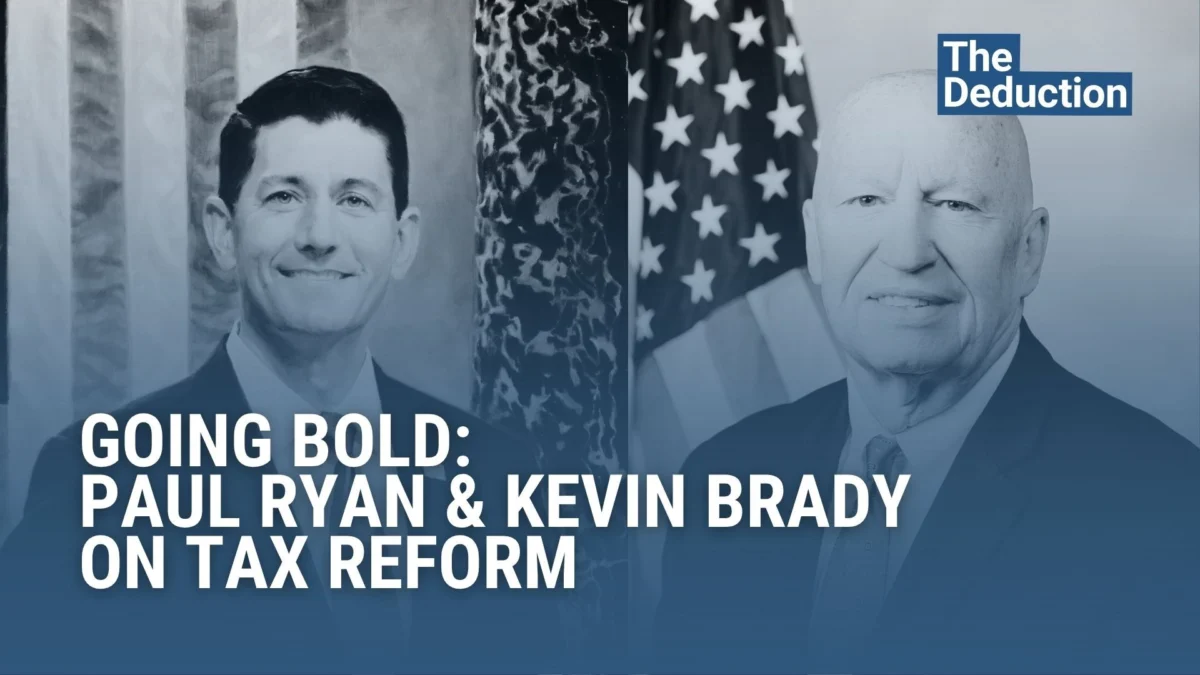
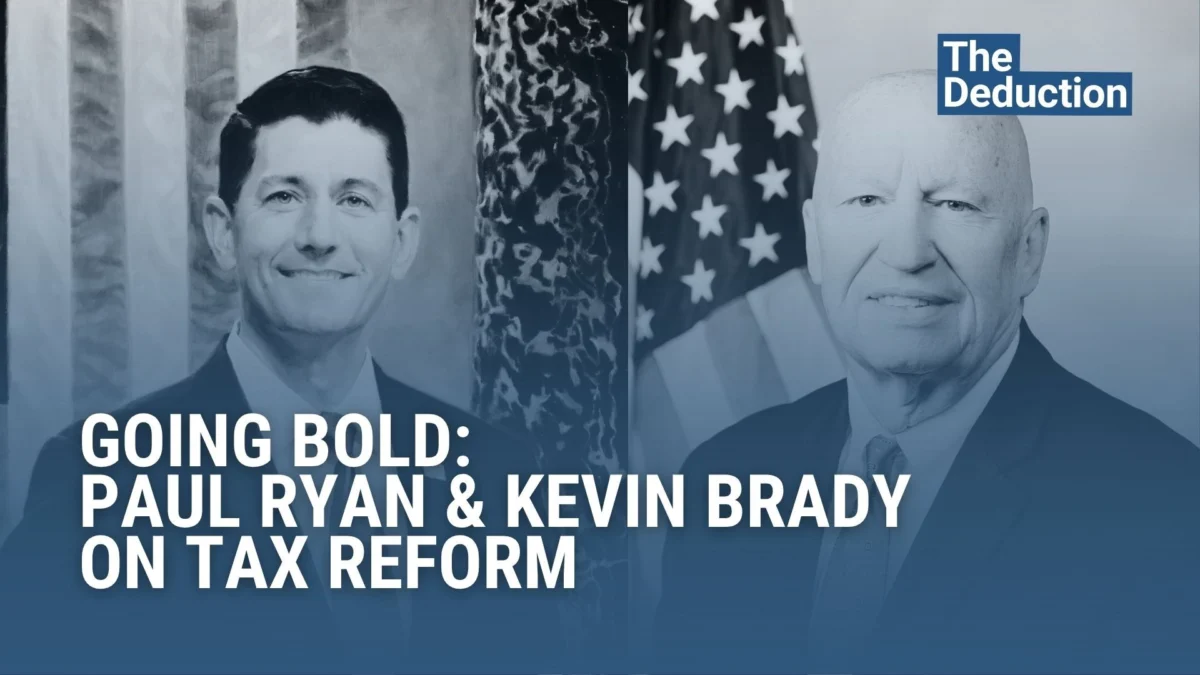
Ten years ago, a pivotal moment in American fiscal policy unfolded with the release of the "Better Way" Tax Plan by then-Speaker Paul Ryan and Ways and Means Chairman Kevin Brady. This comprehensive blueprint, ambitious in its scope and far-reaching in its implications, would eventually serve as the foundational architecture for the Tax Cuts and Jobs Act of 2017 (TCJA). The TCJA, signed into law just over six years ago, represented the most significant overhaul of the U.S. tax code in more than three decades, fundamentally reshaping the financial landscape for individuals and corporations alike. As the nation grapples with a soaring national debt, the looming threat of Social Security insolvency, and the intricate effects of tariffs on its economy, the lessons learned from this transformative period and the bold ideas that drove it are more relevant than ever in charting the course for future reforms.
The Genesis of "A Better Way": A Response to Economic Discontent
The mid-2010s were characterized by a persistent sense of economic stagnation following the Great Recession, coupled with a growing concern that the U.S. tax system was outdated, overly complex, and uncompetitive on the global stage. Corporate inversions, where American companies moved their legal domiciles abroad to avoid higher U.S. tax rates, became a frequent headline, symbolizing the perceived disadvantages of the 35% statutory corporate income tax rate—then among the highest in the industrialized world. Individuals also faced a labyrinthine tax code, prompting calls for simplification and relief.
It was against this backdrop that the House Republican leadership, under Speaker Paul Ryan, embarked on an ambitious project to craft a new vision for American taxation. The "Better Way" agenda, unveiled in June 2016, sought to address these multifaceted challenges. Its core tenets were predicated on the belief that a simpler, fairer, and more competitive tax system would unleash economic growth, encourage domestic investment, and create jobs. The plan proposed a dramatic reduction in the corporate tax rate, a shift to a territorial tax system for multinational corporations, and significant changes to individual income tax brackets, deductions, and credits. It also introduced a controversial concept known as the border adjustment tax (BAT), designed to incentivize exports and discourage imports, which ultimately did not make it into the final legislation. Ryan and Brady positioned the plan not merely as a set of tax cuts, but as a structural reform aimed at modernizing the U.S. economy for the 21st century.
The Tax Cuts and Jobs Act of 2017: A Historic Legislative Achievement
The "Better Way" plan served as the essential roadmap for the Tax Cuts and Jobs Act, which swiftly moved through Congress following the 2016 elections. Utilizing the budget reconciliation process, which allowed the bill to pass with a simple majority in the Senate, the TCJA became law in December 2017, largely along partisan lines. Its passage marked a monumental shift in U.S. fiscal policy, enacting the most comprehensive tax reform since the Tax Reform Act of 1986.
Key Provisions and Their Immediate Impact:
- Corporate Tax Rate Reduction: Perhaps the most significant change was the permanent reduction of the corporate income tax rate from 35% to 21%. This move was lauded by businesses and proponents as a crucial step to boost American competitiveness, stimulate investment, and encourage companies to repatriate profits held overseas. The shift from a worldwide to a territorial tax system also aimed to prevent double taxation of foreign earnings.
- Individual Income Tax Changes: For individuals, the TCJA enacted a series of temporary changes set to expire at the end of 2025. It lowered rates for most income brackets, though it retained the progressive structure. The standard deduction was nearly doubled, aiming to simplify filing for many Americans, while the personal exemption was eliminated. The child tax credit was expanded from $1,000 to $2,000 per child, with up to $1,400 refundable, providing relief to families. However, it also capped the deduction for state and local taxes (SALT) at $10,000, a contentious provision that particularly impacted residents in high-tax states.
- Pass-Through Businesses: Owners of pass-through entities (such as sole proprietorships, partnerships, and S corporations) received a 20% deduction for qualified business income (QBI), a measure intended to provide similar tax relief to small and medium-sized businesses as the corporate rate reduction offered to larger corporations.
- Immediate Expensing: The act allowed for 100% bonus depreciation for certain capital investments, enabling businesses to immediately write off the cost of new equipment rather than depreciating it over several years. This was designed to incentivize increased business investment and productivity.
The immediate aftermath of the TCJA saw a wave of corporate announcements regarding bonuses for employees, increased capital expenditures, and stock buybacks, which proponents pointed to as evidence of the law’s success in stimulating the economy.
A Decade of Hindsight: Economic Impact and Unintended Consequences
Now, with several years of data and the benefit of hindsight, economists and policymakers continue to analyze the TCJA’s multifaceted economic impact. The anniversary of its blueprint offers a timely opportunity for such reflection, as highlighted in "The Deduction" podcast episode featuring the original architects.
- Economic Growth: Proponents had predicted a significant boost to GDP growth, with some estimates suggesting a sustained annual increase of 3% or more. While the U.S. economy did experience a period of robust growth in 2018 and 2019, with GDP growth rates reaching 2.9% and 2.3% respectively, it is challenging to isolate the TCJA’s exact contribution from other factors like global economic trends and monetary policy. Most analyses suggest the growth surge was more modest than initially projected and not sustained at the highest predicted levels.
- Business Investment and Wages: Data indicated an initial uptick in business investment, particularly in equipment and intellectual property, following the TCJA’s passage. However, this momentum eventually moderated. The impact on wages has been a subject of extensive debate. While real wages did see some growth in the years following the TCJA, it’s difficult to definitively attribute this solely to tax reform, as tight labor markets and other economic forces were also at play. Critics argued that much of the corporate tax savings flowed to shareholders through dividends and stock buybacks rather than directly translating into significant wage increases for the broader workforce.
- National Debt and Revenue: One of the most significant concerns raised by critics was the TCJA’s potential impact on the national debt. The Congressional Budget Office (CBO) initially estimated the law would add approximately $1.9 trillion to the federal deficit over 10 years, even after accounting for dynamic economic effects. This projection largely held true, and some independent analyses suggest the revenue impact was even greater. The reduction in corporate and individual income tax revenues, combined with increased government spending, contributed to a substantial increase in the national debt, which has now surpassed $34 trillion. This fiscal challenge is a central theme in current discussions about future tax reforms, especially with rising interest rates exacerbating the cost of servicing this debt.
- Income Inequality: Studies on the distributional effects of the TCJA have generally concluded that its benefits were disproportionately skewed towards corporations and high-income individuals. While all income groups saw some tax relief, the largest percentage reductions in tax liability, particularly after the corporate rate cut is factored in, accrued to the wealthiest segments of the population. The cap on the SALT deduction also disproportionately affected middle and upper-middle-income taxpayers in high-tax states.
- International Competitiveness: The move to a territorial tax system and the lower corporate rate did improve the U.S.’s standing in global corporate tax competitiveness rankings. Reports from the Treasury Department indicated a significant repatriation of corporate profits from overseas, suggesting the new system encouraged companies to bring capital back to the U.S.
- The Border Adjustment Tax (BAT): The border adjustment tax, a key feature of the original "Better Way" plan, aimed to tax imports and exempt exports. Proponents argued it would level the playing field for U.S. businesses and encourage domestic production. However, it faced intense opposition from import-reliant industries, retailers, and consumer groups who feared it would raise consumer prices and harm their businesses. The political and economic complexities of the BAT ultimately led to its exclusion from the final TCJA legislation, highlighting the significant trade-offs involved in radical tax policy proposals.
The Unfolding Challenges: Debt, Social Security, and Tariffs
The current economic landscape presents a complex set of challenges that underscore the urgency of revisiting the U.S. fiscal framework. The national debt continues its upward trajectory, raising concerns about long-term economic stability and the government’s capacity to respond to future crises. The Social Security trust funds are projected to be unable to pay full benefits by the mid-2030s, demanding difficult policy choices. Simultaneously, the strategic use of tariffs, initially employed by the Trump administration and largely maintained by the Biden administration, has reshaped global trade dynamics, impacting supply chains, consumer prices, and the competitiveness of various industries. These interconnected issues create a formidable backdrop for any future tax reform efforts, demanding comprehensive solutions that balance economic growth with fiscal responsibility and social equity.
The Road Ahead: The Future of Tax Reform
As the temporary individual tax provisions of the TCJA approach their expiration at the end of 2025, the U.S. faces a looming "tax cliff." This deadline forces Congress to confront critical decisions regarding the future of the tax code. The choices are stark: allow the provisions to expire, leading to tax increases for many Americans; extend some or all of them, which would add significantly to the national debt; or embark on another round of comprehensive tax reform.
The discussions around future reforms are expected to be vigorous and highly politicized. Potential paths could include:
- Extensions and Modifications: A likely scenario involves debating the extension of popular individual tax cuts, such as the lower income tax rates, the increased standard deduction, and the expanded child tax credit. Lawmakers may also seek to modify the SALT cap.
- Addressing the Debt: Any serious reform efforts will need to grapple with the national debt. This could involve proposals for new revenue streams, spending cuts, or a combination of both.
- Social Security Solvency: Tax policy could play a role in shoring up Social Security, potentially through adjustments to the payroll tax cap or rates.
- Corporate Tax Adjustments: While the 21% corporate rate is permanent, debates may re-emerge about further adjustments or the structure of international taxation, especially in light of global efforts to establish a minimum corporate tax rate.
- Bipartisan vs. Partisan Approaches: The highly partisan nature of the TCJA’s passage underscored the difficulty of achieving broad consensus on tax policy. Future reforms could either attempt to forge bipartisan compromises or risk another round of single-party legislation, with potentially less stable long-term outcomes.
The insights from the original architects of the "Better Way" plan, as explored in "The Deduction" podcast, offer invaluable historical context for these future debates. Their reflections on the bold bets made, the successes achieved, and the provisions that didn’t pan out—like the border adjustment tax—provide a critical foundation for understanding the complexities and trade-offs inherent in large-scale tax reform.
The tenth anniversary of the "Better Way" Tax Plan serves as a powerful reminder of the profound impact that comprehensive tax reform can have on a nation’s economy, its citizens, and its global standing. As policymakers look to the future, the lessons from the TCJA—its triumphs, its challenges, and its enduring legacy—will undoubtedly shape the next chapter in America’s ongoing quest for a tax system that is both equitable and conducive to sustained prosperity. For those seeking deeper insights into these critical discussions, subscribing to reputable tax policy newsletters and podcasts like "The Deduction" remains an essential resource to stay informed on the evolving landscape of tax policies impacting everyone.