Pevita Pearce
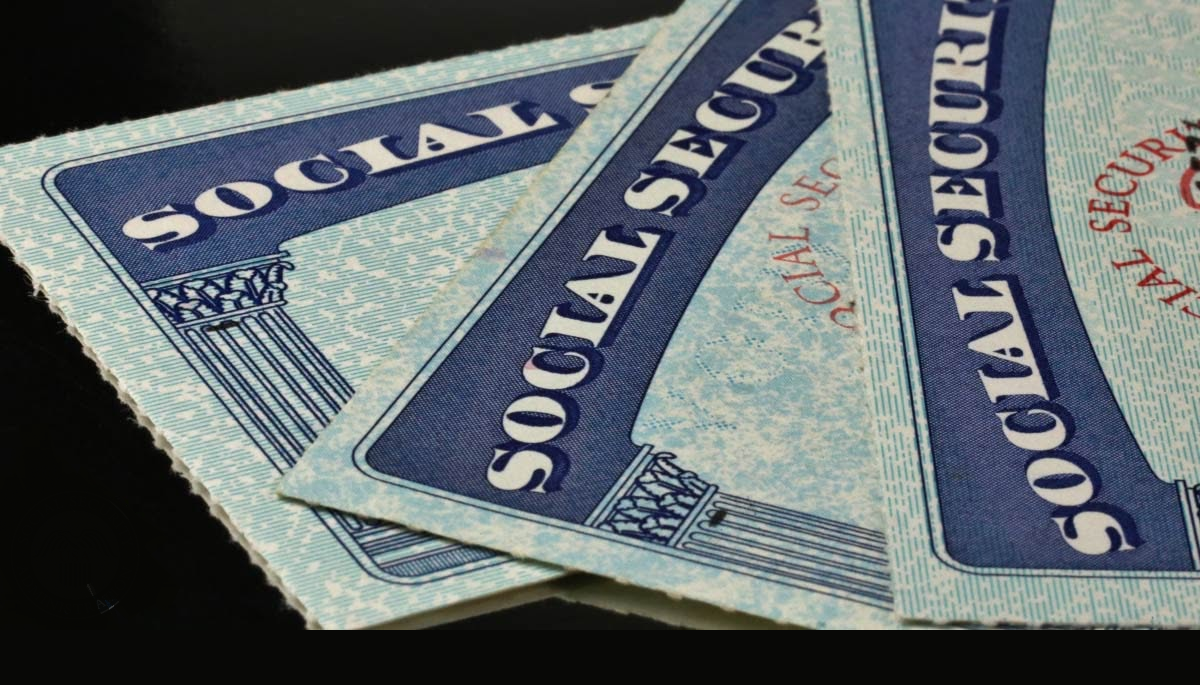
The Social Security Administration (SSA) has issued crucial advice regarding the protection of personal information, particularly the Social Security number (SSN) and the physical Social Security card. In an effort to safeguard individuals from identity theft and fraud, the agency emphasizes that the physical Social Security card itself is not intended to be a primary identification document and, in many circumstances, knowing the nine-digit number is sufficient. The SSA strongly advises against laminating the physical card, as this action can compromise its built-in security features, which are designed to prevent counterfeiting and tampering. These features include a unique blue marbleized paper, embedded planchettes, and raised printing, all of which can be rendered ineffective by lamination.
The Risks of Carrying Your Social Security Card
The SSA’s guidance underscores a fundamental principle of personal data security: the less exposed sensitive information is, the safer it remains. Carrying a physical Social Security card increases the risk of loss or theft, potentially exposing an individual to identity theft. While the SSN is a critical identifier for many government and financial transactions, the agency posits that it is often unnecessary to physically present the card. For individuals who need to provide their SSN, simply knowing the number is usually adequate. This recommendation aims to reduce the likelihood of the card falling into the wrong hands, which could lead to fraudulent activities such as the opening of credit accounts, claiming benefits, or employment under a stolen identity.
The Rise of Digital Social Security Information
In response to evolving technological landscapes and the persistent need for secure access to personal information, the Social Security Administration has embraced digital solutions. A significant development is the introduction of a digital SSN feature, allowing account holders to access and display their Social Security number without needing to produce a physical card. This digital option is accessible through the SSA’s "my Social Security" portal, which can be reached via desktop computers or mobile devices.
This digital initiative serves multiple purposes. Firstly, it provides a secure and convenient alternative to carrying the physical card. Secondly, it offers a vital resource for individuals who may have forgotten their SSN or misplaced their card. Instead of undergoing the potentially lengthy process of visiting an SSA office or waiting for a replacement card to be mailed, individuals can now access their SSN online. This immediate accessibility can be crucial in situations where the SSN is required for time-sensitive applications, such as employment, financial services, or healthcare enrollment.
The "my Social Security" portal offers a range of services beyond just displaying the SSN. It allows users to manage their benefits, view their earnings history, and get personalized estimates of future benefits. The digital SSN feature is an extension of this commitment to providing accessible and secure online services, reflecting a broader trend in government agencies moving towards digital-first solutions for citizen interaction.
Understanding the Security Features of the Physical Card
The Social Security card, while seemingly simple, incorporates several security measures designed by the SSA to deter counterfeiting and ensure its authenticity. These features are not merely aesthetic but serve as crucial elements in the card’s integrity:
- Blue Marbleized Paper: The distinctive blue and white swirling pattern on the cardstock is unique and difficult to replicate. This marbleization is embedded within the paper itself, making it hard to alter or forge without specialized equipment.
- Embedded Planchettes: These are tiny, colored threads or fibers embedded within the paper during its manufacturing process. They are visible when the card is held up to a light source and are a strong indicator of authenticity.
- Raised Printing: The lettering and numbers on the card are printed using a technique that creates a slightly raised texture. This tactile characteristic is difficult to reproduce accurately with standard printing methods.
Laminating the card, while seemingly a protective measure, can interfere with these security features. The heat and pressure involved in lamination can distort the embedded elements and obscure the raised printing. Furthermore, a laminated card may appear less official and could be rejected in certain verification processes, ironically undermining its intended purpose of protection.

Broader Implications for Data Security and Identity Protection
The SSA’s emphasis on safeguarding Social Security numbers and encouraging digital alternatives reflects a broader societal concern about data privacy and identity theft. In an era where personal information is constantly being collected and processed, the SSN remains one of the most sensitive pieces of data an individual possesses. Its compromise can have far-reaching and devastating consequences, impacting financial well-being, creditworthiness, and even personal reputation.
The rise of digital SSN access through the "my Social Security" portal is a proactive step by the SSA to adapt to the digital age. It acknowledges the public’s increasing reliance on digital platforms for managing personal affairs and offers a secure, accessible, and modern solution. This move is consistent with government initiatives aimed at improving citizen services through technology while simultaneously enhancing security protocols.
However, the digital realm also presents its own set of security challenges. Users accessing their "my Social Security" accounts must exercise vigilance in protecting their login credentials, using strong, unique passwords, and enabling multi-factor authentication where available. Phishing scams and other forms of cybercrime targeting personal information remain a significant threat, and individuals must remain educated and cautious.
Background and Chronology of Social Security Card Usage
The Social Security Act, signed into law by President Franklin D. Roosevelt in 1935, established a system of social insurance. Initially, Social Security cards were issued to track individual earnings for retirement benefits. Over time, the SSN evolved into a de facto national identification number, used for a wide array of purposes beyond its original intent, including tax filing, employment verification, and opening financial accounts.
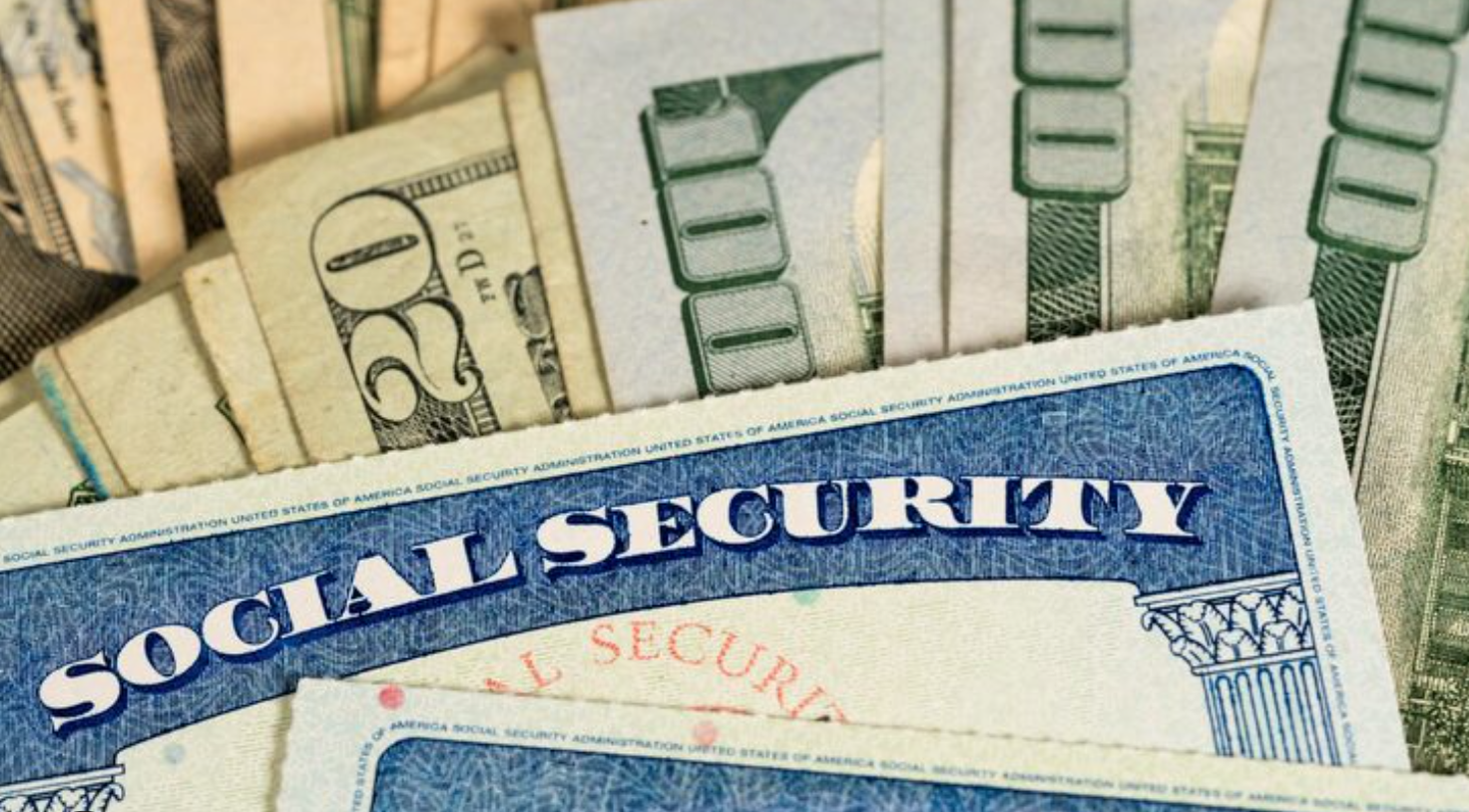
The increasing use of the SSN as a primary identifier has also led to a corresponding increase in identity theft. This has prompted various government agencies, including the SSA, to re-evaluate how individuals interact with and protect their sensitive information. The SSA’s current guidance is part of a long-standing effort to educate the public and implement measures to enhance security.
The development of the "my Social Security" portal and its digital SSN feature represents a significant advancement in this ongoing effort. While the exact timeline for the widespread adoption of the digital SSN feature is ongoing, its introduction signifies a commitment by the SSA to modernize its services and provide more secure and convenient options for beneficiaries and the public. This digital evolution aims to strike a balance between the necessity of the SSN in modern life and the imperative to protect it from misuse.
Official Statements and Public Reaction
The Social Security Administration’s directive against laminating the card and its recommendation to avoid carrying it are clear pronouncements designed to influence public behavior. The agency’s official blog and website serve as primary channels for disseminating such crucial information. A statement from the SSA, as cited in the original report, emphasizes: "Your Social Security card is not an identification document and, in many situations, you only need to know your Social Security number." This statement directly addresses a common misconception about the card’s function and highlights the preferred method of providing the SSN.
While the article does not include direct quotes from the public or advocacy groups, the implications of the SSA’s advice are significant. For individuals who have historically relied on carrying their physical card, this guidance necessitates a shift in habit. The introduction of the digital SSN feature is likely to be met with a mix of appreciation for its convenience and security, and perhaps some initial apprehension for those less comfortable with digital platforms. The SSA’s continued communication and educational outreach will be critical in ensuring that the public understands and adopts these new practices.

Analysis of Implications
The SSA’s advice has several key implications:
- Enhanced Security for Individuals: By discouraging the carrying and lamination of physical cards, the SSA aims to reduce the prevalence of identity theft and the associated financial and personal distress.
- Shift Towards Digital Identity Management: The promotion of the "my Social Security" portal and its digital SSN feature signals a move towards a more digital approach to managing personal identification and government services. This aligns with broader trends in digital transformation across various sectors.
- Re-education of the Public: A significant implication is the need to re-educate the public about the true purpose and security vulnerabilities of the physical Social Security card. Many individuals may have grown accustomed to treating the card as a primary ID, and this perception needs to be addressed.
- Potential Challenges for Specific Demographics: While digital solutions offer convenience, there may be segments of the population, particularly older adults or those with limited internet access, who may face challenges in adopting these new methods. The SSA will need to ensure that accessible alternatives remain available.
- Impact on Verification Processes: Employers and financial institutions may need to adapt their verification processes to accommodate the increasing reliance on digital SSN access and to be aware of the limitations of physical cards.
In conclusion, the Social Security Administration’s updated guidance serves as a vital reminder of the importance of safeguarding personal information. The emphasis on avoiding lamination and the promotion of digital access through the "my Social Security" portal represent a forward-looking approach to protecting individuals in an increasingly digital world. By understanding and adhering to these recommendations, individuals can take a more proactive role in securing their Social Security numbers and preventing potential identity fraud.