admin
admin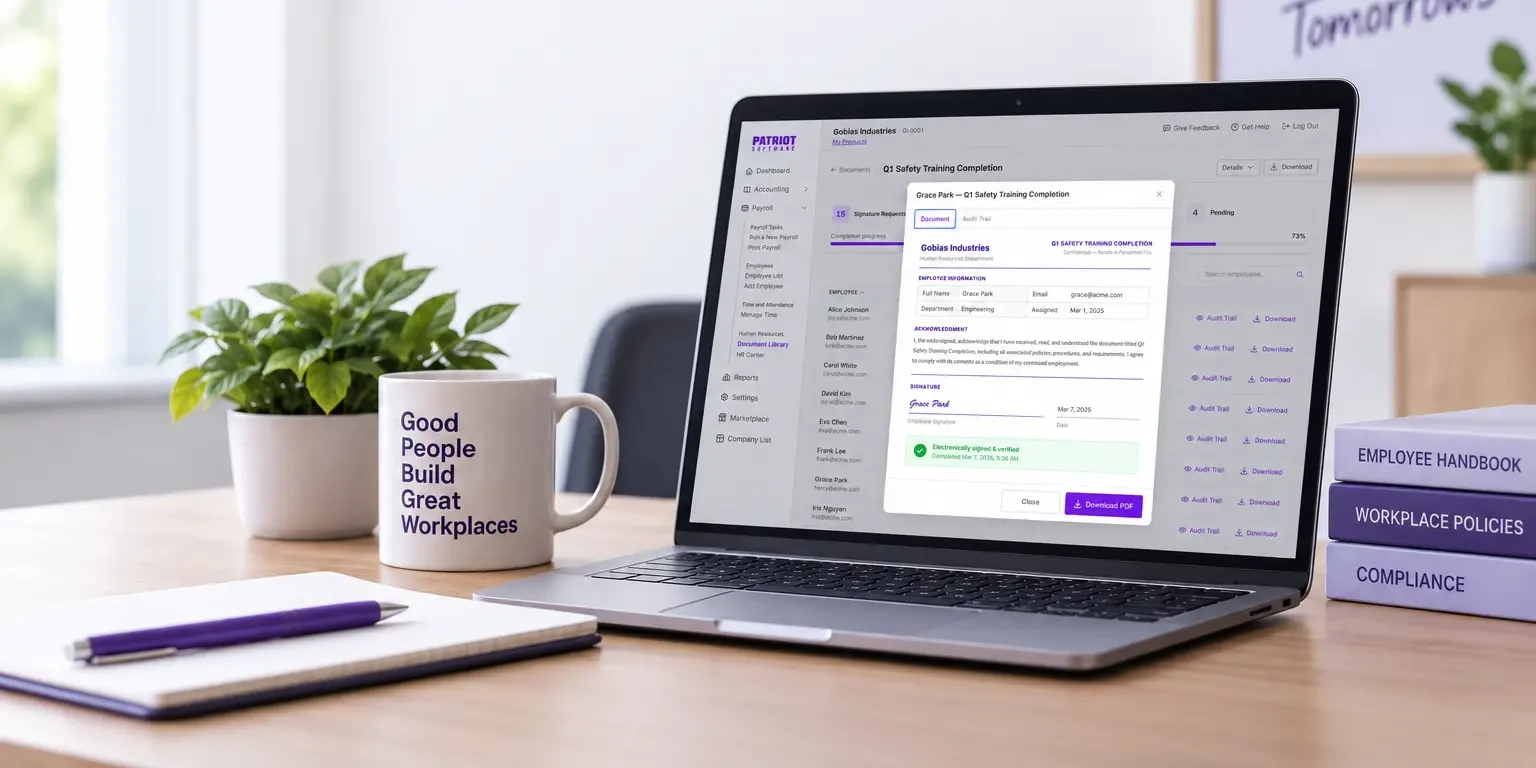
The perennial challenge of ensuring employees acknowledge critical company policies, from updated handbooks to new safety protocols or revised paid time off (PTO) rules, has long plagued employers. The familiar scenario involves an email blast and a team meeting, only for an employee to later claim ignorance of a policy change, sending HR departments scrambling through archives of printed forms, missing signatures, and overstuffed personnel files to prove otherwise. This administrative quagmire, traditionally a "paper chase," is rapidly becoming obsolete thanks to the widespread adoption of digital e-signatures. These electronic counterparts to traditional wet ink signatures offer a streamlined, legally robust solution, providing time-stamped, searchable records of policy acknowledgments that are critical for modern compliance.
For many organizations, the shift from physical to digital record-keeping represents not merely an efficiency upgrade but a fundamental re-evaluation of risk management. The manual process of printing, distributing, collecting, and archiving policy acknowledgments is fraught with vulnerabilities. Documents can be lost, signatures forged, or the sheer volume of paperwork can lead to oversight. The digital transformation, spearheaded by e-signature technology, promises to eliminate these headaches, replacing a laborious, error-prone system with an automated, secure, and verifiable one. This article delves into the legal underpinnings of e-signatures, their profound benefits for employers in strengthening compliance and record-keeping, and the essential features to consider when selecting an e-signature solution.
The Foundational Shift: Legal Validity of E-Signatures
A common initial query for employers considering this digital transition is the legal standing of e-signatures. The short answer is unequivocally yes; electronic signatures hold the same legal weight as their pen-and-paper counterparts in the United States, thanks to two landmark pieces of legislation. This legal equivalence has been a critical enabler for the widespread adoption of digital workflows across industries, including human resources.
The primary federal legislation governing electronic transactions and signatures is the Electronic Signatures in Global and National Commerce (ESIGN) Act, enacted in 2000. This act established that a contract or signature cannot be denied legal effect, validity, or enforceability solely because it is in electronic form. Its core purpose was to foster interstate and international commerce by validating electronic transactions, ensuring that businesses and consumers could confidently conduct affairs digitally. ESIGN acts as a baseline federal law, applicable in situations where state laws might be absent or inconsistent.
Complementing ESIGN is the Uniform Electronic Transactions Act (UETA), a model law developed by the National Conference of Commissioners on Uniform State Laws (NCCUSL) and adopted by 49 U.S. states, the District of Columbia, and the U.S. Virgin Islands. UETA provides a framework for states to adopt consistent laws regarding electronic records and signatures. When a state adopts UETA in a form consistent with the uniform law, state law generally governs electronic transactions within that state. If a state has not adopted UETA, or adopts rules that conflict with federal requirements, the ESIGN Act provides the overarching legal validity. The harmonious interaction between ESIGN and UETA ensures a comprehensive legal framework that supports electronic signatures nationwide, providing certainty for employers operating across state lines.
For an e-signature to be legally sound and enforceable, several conditions generally need to be met, underscoring the importance of robust software solutions. First, the signer must demonstrate an intent to sign. This goes beyond merely clicking a button; the context and user interface should clearly indicate that the action constitutes a legal signature. Second, the signer must consent to doing business electronically. This typically involves an affirmative agreement by the employee to receive and sign documents digitally. Third, the electronic signature must be clearly associated with the record it purports to sign. This ensures that the signature is inextricably linked to the specific document version. Finally, the signed record must be retainable and accurately reproducible for future reference. This last point is where specialized e-signature software truly proves its value, as it must not only capture the signature but also securely store the signed document, link the signature to the exact version presented to the employee, and ensure its retrievability for the required retention period. Furthermore, a robust e-signature feature should incorporate safeguards to prevent the alteration or deletion of a document by either party once it has been signed, maintaining its integrity as a legal record.
The Imperative of E-Sign Acknowledgment Tracking for Employers
Policy acknowledgments are far more than mere administrative tasks; they constitute a critical first line of defense for employers when legal disputes or compliance challenges arise. In an increasingly litigious environment, documented proof of policy acknowledgment can be the determining factor in safeguarding an organization against significant financial penalties, legal liabilities, and reputational damage.
Consider the diverse range of scenarios where robust acknowledgment records are indispensable:
- Defense Against Discrimination or Harassment Claims: A clear record of employees acknowledging anti-discrimination and anti-harassment policies demonstrates the employer’s commitment to a respectful workplace and their proactive efforts to prevent such issues. It provides evidence that employees were informed of company expectations and reporting procedures.
- Proof of Safety Policy Compliance: In the event of workplace accidents or OSHA investigations, documented acknowledgment of safety procedures and training modules is vital. It shows that employees were educated on risks and safety protocols, potentially mitigating employer liability.
- Mitigating Wage and Hour Disputes: Policy acknowledgments related to timekeeping, overtime rules, meal breaks, and other wage and hour regulations can be crucial evidence in disputes, proving that employees were aware of their rights and responsibilities.
- Enforcing Confidentiality and Non-Disclosure Agreements: For businesses handling sensitive information, documented acknowledgment of confidentiality agreements is essential for protecting trade secrets and proprietary data.
- Clarifying Employment Terms: Signed acknowledgments of employee handbooks, job descriptions, and performance expectations help prevent misunderstandings and provide a basis for disciplinary actions or performance management.
- Ensuring Ethical Conduct: Policies on codes of conduct, conflicts of interest, and data privacy require clear acknowledgment to foster an ethical corporate culture and provide recourse if breaches occur.
- Demonstrating Due Diligence in Regulatory Audits: Various regulatory bodies (e.g., Department of Labor, EEOC, state agencies) may request proof of policy dissemination and acknowledgment during audits, making easily accessible, verifiable records invaluable.
Without a reliable system for tracking these acknowledgments, employers face substantial risks. A recent survey by an HR compliance firm indicated that nearly 40% of small to medium-sized businesses have faced a lawsuit related to employment practices, with a significant portion citing inadequate record-keeping as a contributing factor to their defense challenges. The average cost of an employment lawsuit, even without going to trial, can range from tens of thousands to hundreds of thousands of dollars, highlighting the financial imperative of robust compliance.
E-Signatures: Streamlining the Acknowledgment Process
The contrast between manual and electronic acknowledgment tracking is stark. The paper-based system is a laborious cycle: print documents, physically distribute them, chase down employees for signatures, manually file them, and then cross fingers that nothing gets lost or misfiled. This process is not only time-consuming but also prone to human error, creating administrative bottlenecks and compliance vulnerabilities.
E-signatures fundamentally transform this cycle, offering a suite of advantages that streamline the entire process:
- Instant Distribution and Access: Policies can be distributed digitally to all relevant employees simultaneously, regardless of their location. Employees can access and sign documents from any device with internet access, anytime, anywhere, enhancing convenience and reducing delays.
- Automated Tracking and Reminders: E-signature platforms automatically track the status of each document, clearly indicating who has viewed, signed, or is yet to acknowledge a policy. Automated reminders can be scheduled, eliminating the need for HR staff to manually follow up with stragglers. This drastically reduces the administrative burden on HR teams, freeing them to focus on more strategic initiatives.
- Centralized, Secure Storage: All signed documents are stored securely in a centralized digital repository, often encrypted and backed up, eliminating the risk of physical loss, damage, or misplacement. This digital archive is readily searchable, allowing HR to quickly retrieve specific documents when needed for audits, legal inquiries, or internal reference.
- Immutable Audit Trails: Each digital transaction generates a comprehensive audit trail, capturing critical metadata such as the identity of the signer, the precise timestamp of the signature, the IP address used, and often even a record of document views. This tamper-proof audit trail provides undeniable proof of acknowledgment, bolstering legal defensibility.
- Reduced Costs and Environmental Impact: Eliminating the need for printing, paper, ink, and physical storage translates into significant cost savings for organizations. Furthermore, reducing paper consumption aligns with corporate sustainability goals, contributing to a greener operational footprint. A typical medium-sized business can save thousands of dollars annually on printing and mailing costs by transitioning to digital HR processes.
- Improved Employee Experience: Employees appreciate the convenience of digital signing. They can review policies at their leisure, sign electronically without needing to find a printer or scanner, and often access their signed documents through a self-service portal, fostering transparency and autonomy.
- Enhanced Scalability: As businesses grow, manual policy acknowledgment processes quickly become unsustainable. E-signature solutions scale effortlessly, accommodating expanding workforces and increasing policy volumes without proportional increases in administrative overhead.
Key Features to Prioritize in an E-Signature Solution for Employers
Not all e-signature tools are created equal, especially when tailored for the intricate needs of employer compliance. As organizations evaluate HR or payroll software with integrated e-signature capabilities, certain features are paramount to ensure maximum effectiveness and legal defensibility.
-
Comprehensive Audit Trail Detail: Beyond merely recording who signed what and when, a superior system provides granular detail. This includes the IP address of the signer, the device type used, a unique document ID, and a sequential log of all events related to the document (e.g., when it was sent, viewed, signed, or downloaded). This level of detail is invaluable for establishing a strong chain of custody and proving that the employee not only signed but also had legitimate access to and opportunity to review the policy.
-
Robust Document Version Control: Policies are dynamic, often undergoing revisions. It is critical for employers to know precisely which version of an employee handbook or safety policy each employee acknowledged. The e-signature solution must irrevocably link the signature to the exact document version presented at the time of signing. This prevents ambiguity and ensures that if a policy is updated, previous acknowledgments remain tied to the correct historical document.
-
Secure Signer Authentication: To ensure the integrity of the signature, the system must verify the identity of the signer. Common methods include unique employee logins with password protection, multi-factor authentication (MFA), or secure emailed links tied exclusively to the employee’s account. Strong authentication mechanisms ensure that the signature is indeed attributed to the intended individual, not just a name typed into a field.
-
Tamper-Proof Storage and Document Integrity: Once a document is signed, its integrity must be guaranteed. The software should render the signed document immutable, meaning it cannot be altered or deleted by either party. Look for systems that use cryptographic hashing or blockchain technology to create a unique digital fingerprint of the document, ensuring any post-signature changes would immediately invalidate the record. Secure, encrypted storage further protects these vital records from unauthorized access.
-
Intuitive Status Tracking and Automated Reminders: HR teams need an at-a-glance overview of outstanding signatures. A good system provides a dashboard displaying completion rates and pending acknowledgments. Automated reminder notifications, customizable in frequency and content, significantly reduce the manual effort of chasing down employees and accelerate the completion rate of critical policy acknowledgments.
-
Employee Self-Service Access: Empowering employees is key to efficiency. The e-signature feature should allow employees to easily review and sign documents through a dedicated self-service portal, accessible on various devices (desktop, tablet, mobile) and at their convenience. This not only improves the employee experience but also reduces the "can you resend the handbook?" type of requests to HR, as employees can revisit their signed policies anytime.
-
Flexible Retention and Export Capabilities: Legal and regulatory requirements dictate specific retention periods for various HR documents. The e-signature solution must support these requirements, storing records securely for the necessary duration. Furthermore, the ability to easily export or print signed documents in standard formats (e.g., PDF) is essential for sharing with auditors, legal counsel, or government agencies upon request.
-
Seamless Integration with HR Records: The maximum benefit of e-signatures is realized when they are fully integrated into an organization’s existing HR ecosystem. A standalone e-signing tool, while functional, creates another data silo. An e-signature feature built directly into a comprehensive HR or payroll software platform ensures that all employee data, including policy acknowledgments, onboarding documents, and performance reviews, resides in a single, unified system, streamlining data management and improving data integrity.
Putting It Into Practice: A Strategic Implementation Guide
Transitioning to e-signatures for policy acknowledgments requires a strategic approach to ensure a smooth rollout and maximize compliance benefits.
-
Document Identification and Prioritization: Begin by identifying all documents that require employee acknowledgment. Common starting points include:
- Employee handbooks and policy manuals (including updates)
- Safety procedures and training acknowledgments
- Confidentiality and non-disclosure agreements
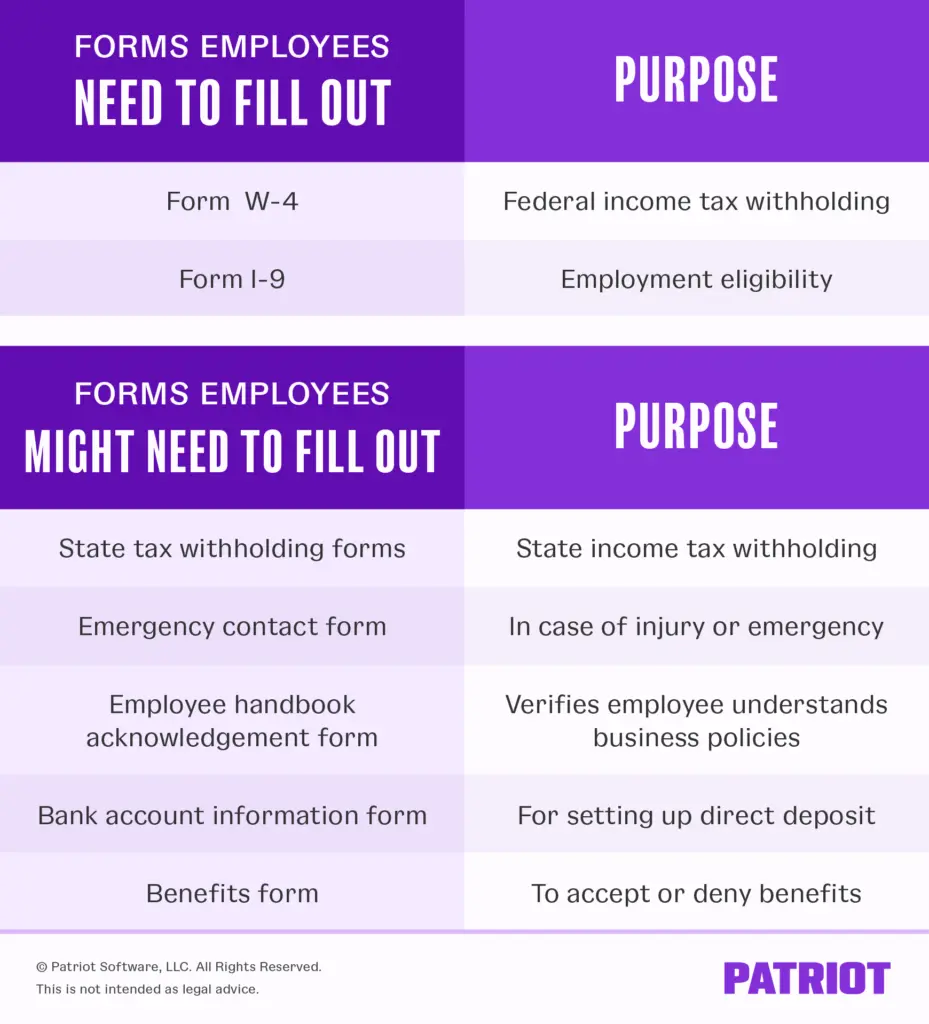
- New hire paperwork (offer letters, I-9 forms, W-4 forms, direct deposit authorizations)
- IT acceptable use policies
- Drug and alcohol policies
- Code of conduct documents
- Performance review acknowledgments
-
Clear Communication Strategy: Proactive communication is vital. Inform employees about the upcoming change to electronic acknowledgments. Explain the benefits (convenience, accessibility), assure them of the legal validity, and clarify that their e-signature carries the same weight as a traditional ink signature. Provide simple instructions on how to access and sign documents using the new system.
-
Phased Rollout (Optional but Recommended): For larger organizations, consider a phased rollout, perhaps starting with a smaller department or a new hire cohort. This allows HR to iron out any kinks in the process before a company-wide implementation.
-
Initial Document Distribution and Monitoring: Send out the first set of documents through the e-signature system. Actively monitor completion rates using the platform’s tracking features. Leverage automated reminders for anyone outstanding, and be prepared to provide support or answer questions during the initial transition period.
-
Integration into Standard Workflows: The key to long-term success and compliance is consistency. Make e-signatures an integral part of every future policy change, new hire onboarding process, and any other scenario requiring employee acknowledgment. This standardization ensures that all records are complete, uniformly stored, and legally defensible.
Broader Impact and the Future of HR
The adoption of e-signatures is more than just a technological upgrade; it represents a significant step in the digital transformation of Human Resources. It reflects a broader trend towards creating more agile, efficient, and legally robust HR operations that can meet the demands of a modern, often remote or hybrid, workforce. The COVID-19 pandemic, in particular, accelerated the need for digital HR solutions, making remote onboarding and policy dissemination not just convenient, but essential.
Looking ahead, e-signatures will continue to be a cornerstone of secure digital identity management within organizations. As HR departments increasingly leverage artificial intelligence and advanced analytics, the clean, structured data provided by digital acknowledgment systems will be invaluable for deeper insights into compliance trends and employee engagement. Moreover, for organizations committed to environmental stewardship, the reduction in paper consumption offered by e-signatures contributes meaningfully to corporate social responsibility initiatives.
When every policy change follows a consistent, signed-and-stored digital workflow, an employer’s records remain complete, defensible, and instantly accessible. This consistency transforms e-signatures from a mere convenience into an indispensable compliance asset, safeguarding the organization’s legal standing and operational efficiency.
For businesses already managing payroll and other employee records digitally, integrating e-signatures is a logical and natural next step. Platforms like Patriot Software’s HR software add-on exemplify this integration, allowing companies to seamlessly upload documents, collect employee e-signatures, and keep all signed records meticulously organized alongside comprehensive payroll and employee information. This holistic approach to HR management ensures that employers are not only efficient but also fully compliant and well-prepared for any regulatory scrutiny or legal challenge.
This article is not intended as legal advice; for specific legal guidance, please consult with a qualified legal professional.