admin
admin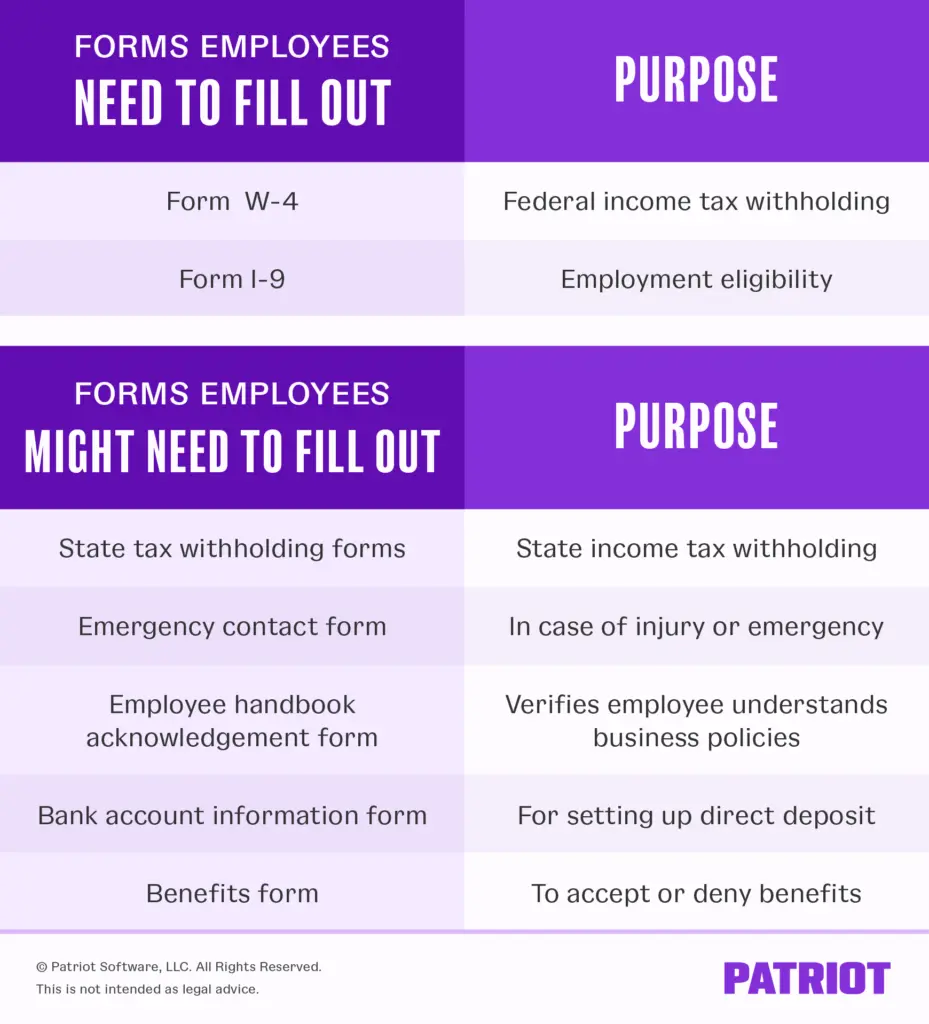
The initiation of any employment relationship hinges on a critical, often underestimated, process: the meticulous completion of new employee forms. Far from mere bureaucratic formalities, these documents form the legal backbone of a company’s workforce, ensuring compliance with federal and state regulations, facilitating accurate payroll, and establishing foundational operational procedures. This intricate web of paperwork is not just a hurdle but a vital component for both employers, who must adhere to stringent legal requirements, and employees, whose rights and compensation depend on accurate documentation.
The Mandate for Verification: Form I-9 and Employment Eligibility
At the forefront of new hire documentation is Form I-9, Employment Eligibility Verification. Mandated by the Immigration Reform and Control Act (IRCA) of 1986, this federal requirement ensures that every employer verifies the identity and employment authorization of individuals hired for employment in the United States. The purpose is unequivocal: to prevent the employment of unauthorized noncitizens, thereby safeguarding national security and ensuring fair labor practices.
Form I-9 is structured into three distinct sections. Section 1 is the employee’s responsibility, requiring them to attest to their employment authorization status and provide personal details such as name, address, date of birth, and Social Security number. This section must be completed no later than the employee’s first day of employment. Section 2, the employer’s domain, necessitates the physical examination of specific documents presented by the employee, confirming their identity and authorization to work. Employers must complete this section within three business days of the employee’s first day of employment. The final Section 3 is reserved for reverification of employment authorization or rehires, demonstrating the form’s utility throughout an employee’s tenure.
The choice of documents an employee can present is critical, designed to offer flexibility while maintaining verification integrity. Employees must provide either one document from "List A" (establishing both identity and employment authorization, such as a U.S. passport or permanent resident card) or one document from "List B" (establishing identity, like a driver’s license) combined with one from "List C" (establishing employment authorization, such as a Social Security card). Employers are legally prohibited from specifying which documents an employee must present, preventing potential discrimination based on national origin or citizenship status.
In an increasingly remote work environment, the process of I-9 verification has evolved. The Department of Homeland Security (DHS) introduced an alternative remote document examination procedure for qualified employers enrolled in E-Verify. This provision, initially temporary during the pandemic, has since been formalized, allowing certain employers to conduct document inspections remotely under specific guidelines. This adaptation underscores the regulatory bodies’ efforts to balance compliance with modern work realities, though employers must diligently review USCIS guidance to ensure eligibility and proper recordkeeping when utilizing this option.
Non-compliance with Form I-9 regulations carries significant penalties, ranging from civil monetary fines for paperwork violations to more severe criminal penalties for knowingly hiring or continuing to employ unauthorized individuals. Penalties are regularly updated, with current civil fines for substantive violations and uncorrected technical violations potentially reaching thousands of dollars per violation. This underscores the imperative for meticulous attention to detail and adherence to deadlines, as reported instances of I-9 audits by Immigration and Customs Enforcement (ICE) continue to highlight areas of common employer error, such as improper document verification or failure to complete sections on time.
Ensuring Fiscal Responsibility: Federal and State Tax Withholding Forms
Beyond employment eligibility, the financial framework of employment is established through tax withholding forms, paramount for accurate payroll processing and compliance with federal and state tax laws. The cornerstone here is Form W-4, Employee’s Withholding Certificate, a document mandated by the Internal Revenue Service (IRS).
The Form W-4 serves as the directive from the employee to the employer, dictating the amount of federal income tax to be withheld from their wages. Its importance lies in the principle of "pay-as-you-go" taxation, ensuring that employees meet their tax obligations throughout the year rather than facing a large tax bill at year-end. The form underwent a significant redesign in 2020, prompted by the Tax Cuts and Jobs Act of 2017. The new design removed the concept of "withholding allowances," which had become complex and often led to incorrect withholding. Instead, it introduced a more straightforward, five-step process that directly accounts for factors influencing withholding, such as marital status, multiple jobs, dependents, and other income or deductions. This change aimed to simplify the process for employees and improve the accuracy of withholding, although it required a learning curve for both employees and employers.
Employees can adjust their W-4 at any time during the year to reflect changes in their financial situation, such as marriage, birth of a child, or changes in employment. If an employee fails to submit a W-4, employers are legally obligated to withhold federal income tax at the highest rate, typically as if the employee is "single with no adjustments," to ensure sufficient tax collection, as per current IRS guidance. Employers then use the information from the W-4, in conjunction with IRS Publication 15 (Circular E), Employer’s Tax Guide, to calculate the correct amount of federal income tax to remit.
The complexity further extends to state income tax. While federal income tax is universal, state income tax varies significantly across the United States. States like Alaska, Florida, Nevada, New Hampshire, South Dakota, Tennessee, Texas, Washington, and Wyoming currently do not impose a statewide income tax on wages. For businesses operating in the remaining states, employees are required to complete a state-specific tax withholding form, akin to the federal W-4. These forms gather similar personal and financial information to determine state income tax withholding. For instance, California requires employees to complete the DE-4 Withholding Certificate, while New York uses Form IT-2104. The mechanisms for calculating state withholding can differ, with some states still utilizing "withholding allowances" or opting for a simpler percentage-based approach. Employers must be keenly aware of their state’s specific requirements and access the correct forms, often available through state revenue or employment departments.
Moreover, the fiscal landscape can include local income taxes. Certain cities, counties, or special districts impose their own income taxes, often calculated as a percentage of wages. While typically not requiring a separate withholding form from the employee, employers in these jurisdictions must be aware of and comply with these local tax obligations, which add another layer of complexity to payroll processing.
Beyond Compliance: Business-Specific Forms for Operational Excellence
While federal and state mandates form the bedrock, a suite of business-specific forms enhances operational efficiency, safeguards employee well-being, and mitigates organizational risks. These documents, though not universally mandated by law, are considered best practices for a well-managed workforce.
An Emergency Contact Form is paramount for workplace safety and crisis management. In the event of an employee medical emergency, accident, or other unforeseen incident, having immediate access to designated contacts can be critical. This form typically requests the names, relationships, and contact numbers (home, work, mobile) of one or more individuals to be notified. Regular updates to this information are crucial to maintain its accuracy and efficacy.

The Employee Handbook Acknowledgment Form is a vital legal and communication tool. An employee handbook serves as the definitive guide to a company’s policies, procedures, expectations, and benefits. It outlines everything from codes of conduct, harassment policies, and attendance rules to leave policies, performance management, and disciplinary actions. By requiring an employee to sign an acknowledgment form, the employer can demonstrate that the employee has received, read, and understood the handbook’s contents. This act provides a layer of legal protection, affirming that policies were communicated and accepted, which can be invaluable in defending against potential wrongful termination claims or disputes regarding workplace conduct. Many organizations now leverage digital handbook builders to streamline creation and ensure accessibility.
For modern payroll systems, the Bank Account Information Form is essential for implementing direct deposit. Direct deposit offers significant advantages for both employers (reduced administrative costs, increased efficiency, enhanced security over physical checks) and employees (convenience, faster access to funds, reduced risk of theft). This form typically collects the employee’s bank name, routing number, account number, and account type (checking or savings), along with their authorization for electronic transfers. While many states permit or encourage direct deposit, some have regulations regarding mandatory direct deposit, often requiring alternatives like pay cards or physical checks if an employee declines.
Finally, Benefits Forms are critical for managing employee compensation packages beyond wages. Offering a comprehensive benefits package—which can include health insurance (medical, dental, vision), retirement plans (401(k), IRA), life insurance, disability insurance, paid time off (PTO), and wellness programs—is a strategic move for attracting and retaining top talent. These forms allow employees to enroll in selected programs, designate beneficiaries, and provide necessary information for coverage. Even if an employee opts out of certain benefits, a signed waiver or declination form is often required for record-keeping and compliance, particularly for programs governed by regulations like ERISA (Employee Retirement Income Security Act) for retirement plans.
The Critical Timeline: Deadlines and Document Retention
Adherence to strict timelines is non-negotiable in new hire paperwork. The most critical deadlines revolve around Form I-9, where Section 1 must be completed by the employee on their first day of employment, and Section 2 by the employer within three business days of that first day. The W-4 must be collected from the employee before their first payroll run to ensure correct tax withholding from the outset. Missing these deadlines can result in penalties, operational disruptions, and legal liabilities.
Equally important are the document retention requirements. Employers must retain completed Form I-9s for the longer of three years after the date of hire or one year after the date employment terminates. Form W-4s, along with other payroll records, must generally be kept for at least four years after the date the tax was due or paid. Business-specific forms, such as emergency contacts and handbook acknowledgments, should also be retained securely for the duration of employment and for a reasonable period thereafter, consistent with state statutes of limitations for potential claims. These records are not routinely submitted to government agencies but must be readily available for inspection during audits by the IRS, DHS, Department of Labor, or state regulatory bodies. Secure storage, whether physical or digital, is paramount to protect sensitive employee data and ensure accessibility when required.
From Paperwork to Productivity: Strategic Onboarding for New Hires
The successful completion of new hire forms marks the initial step in a broader, more strategic process: onboarding. Effective onboarding extends far beyond paperwork, aiming to integrate new employees into the company culture, equip them with the necessary tools and knowledge, and foster engagement and productivity from day one. Studies consistently show that robust onboarding programs significantly improve employee retention, boost productivity, and enhance overall job satisfaction.
Key elements of a strategic onboarding program include:
- Pre-boarding and Preparation: Before the employee’s first day, ensure all necessary paperwork is ready, workspaces are set up, technology (laptops, software access, email accounts) is configured, and initial training schedules are outlined. Proactive communication helps alleviate first-day anxieties.
- Cultural Immersion and Team Integration: Introduce new hires to team members, key stakeholders, and company values. Consider implementing a "buddy" or mentorship program to provide a direct point of contact for questions and social integration. Organized team lunches or informal meet-and-greets can facilitate connections.
- Clear Role Definition and Goal Setting: Clearly communicate job responsibilities, performance expectations, and short-term objectives. Set measurable goals for the first 30, 60, and 90 days to provide structure and a sense of accomplishment.
- Comprehensive Training and Resource Access: Provide access to all necessary training materials, company systems, and knowledge bases. This includes not just job-specific skills but also an understanding of company policies, benefits, and support resources.
- Continuous Feedback and Check-ins: Schedule regular check-ins during the first few weeks and months to gauge progress, address challenges, and provide constructive feedback. This demonstrates support and helps identify areas for further development.
An effectively executed onboarding program can transform a new hire’s initial experience from daunting to empowering, laying a strong foundation for long-term success within the organization. Reports suggest that companies with strong onboarding programs experience 50% greater new hire retention and 54% greater new hire productivity.
The Digital Transformation: Leveraging Technology for HR Compliance
In today’s fast-paced business environment, managing the volume and complexity of new employee forms manually can be overwhelming and prone to error. This has driven the widespread adoption of Human Resources Information Systems (HRIS) and payroll software, which offer powerful solutions for streamlining the entire process.
Modern HRIS platforms enable employers to manage employee data, track benefits enrollment, and store digital copies of all required forms securely. Payroll software automates tax calculations, withholding, and direct deposit, significantly reducing the administrative burden and minimizing compliance risks. Features like employee self-service portals empower new hires to complete forms electronically, update personal information, and access their documents, enhancing efficiency and reducing the need for paper. E-signature capabilities further expedite the process, ensuring that forms are legally signed and recorded.
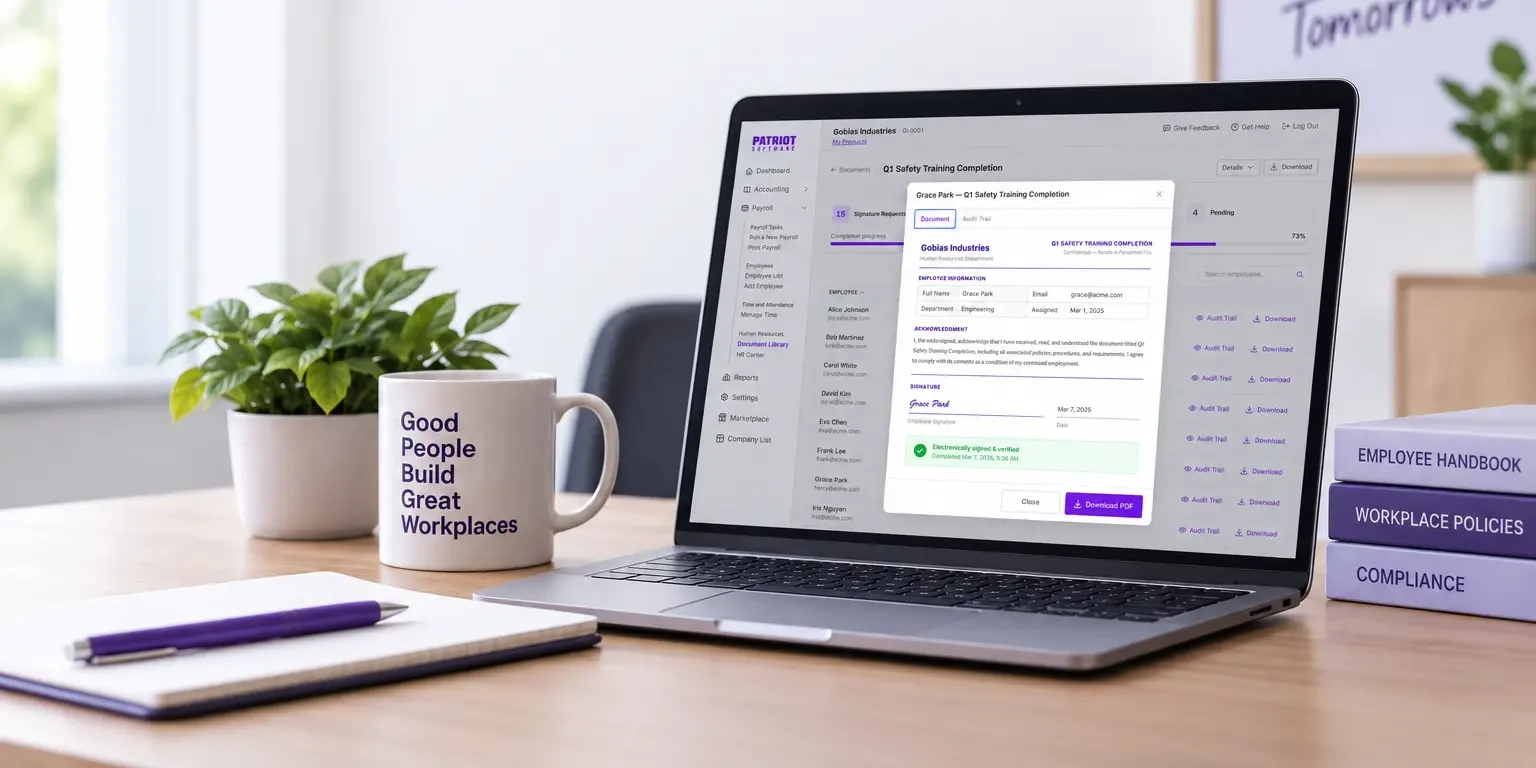
Companies like Patriot Software exemplify how integrated solutions can simplify payroll and HR tasks for small and medium-sized businesses. Their platforms offer functionalities to manage employee files online, facilitate secure document access, and ensure compliance with evolving federal and state regulations. This technological shift not only enhances efficiency but also provides a more secure and auditable record-keeping system, which is crucial in an era of increasing data privacy concerns and regulatory scrutiny.
Conclusion: A Foundation for Success
The process of completing new employee forms is a fundamental aspect of establishing a compliant, efficient, and well-managed workforce. From verifying eligibility to accurately withholding taxes and establishing crucial business protocols, each form plays a distinct yet interconnected role. By understanding the legal mandates, adhering to strict timelines, leveraging technology, and integrating this process into a strategic onboarding program, employers can not only meet their regulatory obligations but also lay a robust foundation for a successful and productive employment relationship. Ongoing vigilance, adaptability to regulatory changes, and a commitment to meticulous record-keeping remain paramount for navigating the complex landscape of employment documentation.