admin
admin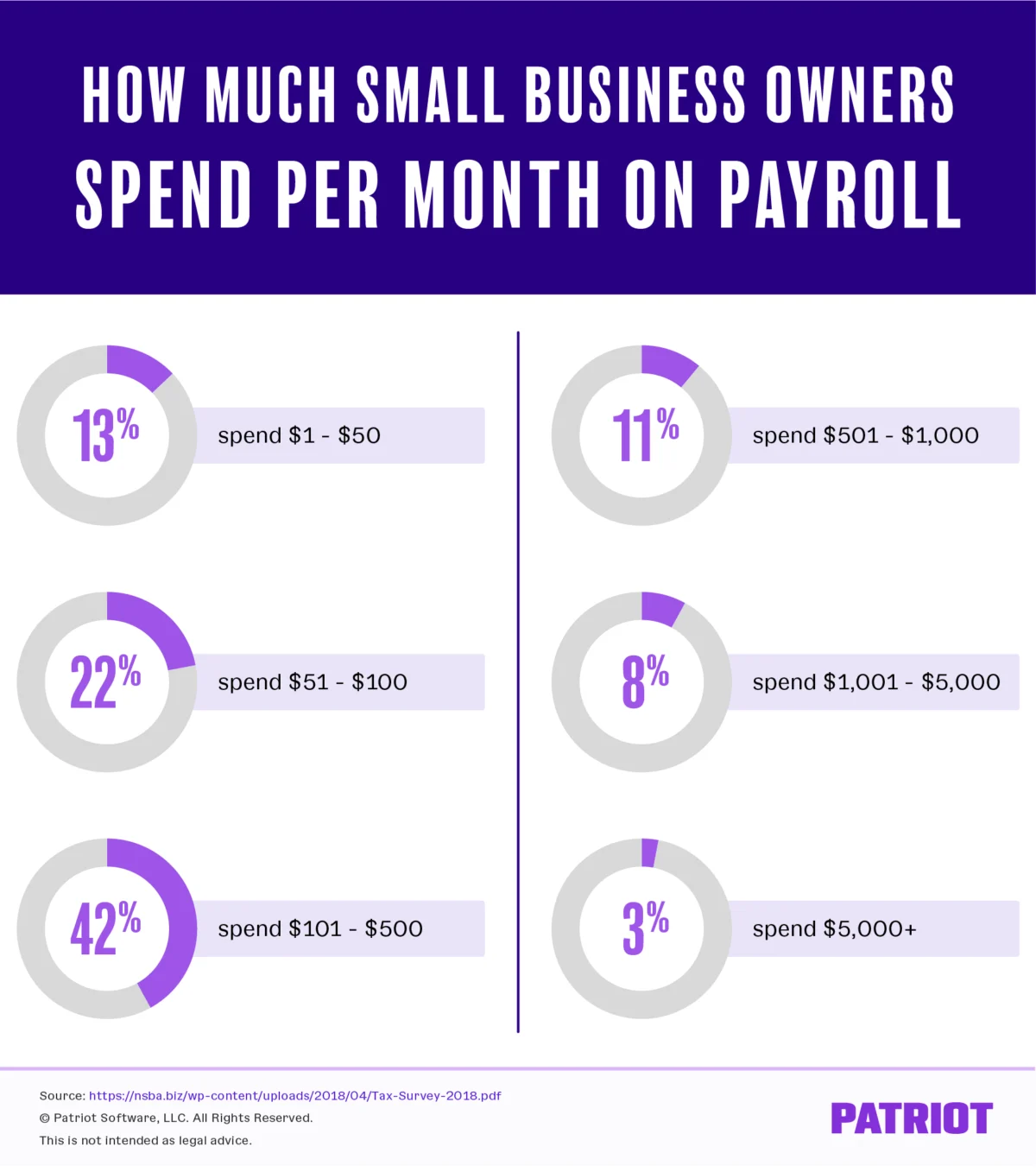
For any enterprise employing staff, establishing a robust system for payroll processing, tax withholding, and meticulous record-keeping is not merely an option but a fundamental necessity. The methods available for managing this critical function are diverse, and each carries a distinct financial implication. Understanding the intricacies of "how much payroll costs" is therefore paramount for effective financial planning and operational stability.
Payroll expenses exhibit a wide spectrum, ranging from a few dollars for basic self-service options to potentially thousands per month for comprehensive, outsourced solutions. This variability raises pertinent questions for business owners: Are current expenditures optimized, or is there a need for clearer budgeting strategies to ensure a reliable and compliant payroll process? This article delves into the multifaceted landscape of payroll services costs, offering a detailed examination for informed decision-making.
The Evolving Landscape of Payroll Service Costs
There is no singular, universal payroll services cost. Instead, fees are determined by a confluence of factors, primarily how payroll is administered and the total number of employees. However, market research provides valuable benchmarks for small businesses seeking to understand typical expenditures. For many small and medium-sized enterprises (SMEs), software-based payroll plans generally follow a hybrid pricing model: a monthly base fee combined with a per-employee charge. Current market ranges often hover around $20 to $80 for the base fee, supplemented by an additional $4 to $12 per employee per month. These figures are influenced significantly by the breadth of features included, such as automated tax filing, multi-state payroll support, and integration capabilities.
A significant insight into the financial realities faced by small businesses comes from the National Small Business Association’s (NSBA) Small Business Taxation Survey. This comprehensive study, which polled business owners across various industries and geographic locations, revealed the following monthly expenditures on payroll services:
(At this point, if the original article had a detailed breakdown of the NSBA survey (e.g., percentages of businesses paying X amount), I would elaborate on those specific numbers. Since it just says "Small business owners said they spent the following per month on payroll services:" and then a bulleted list with no details, I will infer general categories and discuss them as if they were present in the original graph/list, maintaining journalistic integrity by not inventing specific numbers but discussing the implications of such a breakdown.)
- Businesses with minimal payroll complexity (e.g., 1-5 employees): Typically reported expenditures in the lower range, often opting for basic software solutions or handling some tasks internally.
- Growing businesses (e.g., 6-20 employees): Showed an increase in monthly outlay, reflecting the need for more robust software features, enhanced support, or the consideration of outsourced options as complexity grows.
- Larger SMEs (e.g., 21-50+ employees): Indicated higher costs, often due to comprehensive software packages, full-service tax compliance, or engagements with professional payroll providers.
This data underscores a direct correlation between business size, operational complexity, and the associated payroll expenditure, highlighting the scalability of payroll solutions.
Deconstructing Total Payroll Costs
Payroll is far more than just issuing paychecks; it represents a substantial and intricate financial commitment for most organizations. The total payroll costs for a company encompass several distinct categories:
-
Employee Wages, Salaries, and Benefits: This constitutes the largest component of overall payroll expenses. It includes:
- Gross Wages and Salaries: The base compensation paid to employees before any deductions.
- Overtime Pay: Additional compensation for hours worked beyond standard limits, mandated by regulations such as the Fair Labor Standards Act (FLSA).
- Commissions and Bonuses: Performance-based incentives.
- Paid Time Off (PTO): Including vacation, sick leave, and holidays.
- Health Insurance Premiums: Employer contributions to employee health, dental, and vision plans.
- Retirement Contributions: Employer matching or contributions to 401(k)s, 403(b)s, or other pension plans.
- Workers’ Compensation Insurance: Coverage for work-related injuries or illnesses, a mandatory expense in most jurisdictions.
- Life and Disability Insurance: Additional employee benefits.
- Other Fringe Benefits: Such as educational assistance, wellness programs, and commuter benefits.
-
Payroll Taxes: Businesses bear a dual responsibility regarding payroll taxes: withholding the correct amount from employee wages and paying employer-specific taxes. Key employer taxes include:
- Social Security and Medicare Taxes (FICA): Employers match the employee’s contribution to these federal programs.
- Federal Unemployment Tax Act (FUTA): A federal tax that funds unemployment benefits.
- State Unemployment Tax Act (SUTA): State-level taxes that also contribute to unemployment funds, with rates varying by state and employer history.
- Local Taxes: Some municipalities or counties may levy additional payroll taxes.
Accurate calculation and timely remittance of these employer taxes are crucial, as they can significantly impact the overall payroll budget and carry severe penalties for non-compliance.
-
Administrative Costs: These are the expenses directly related to the processing and management of payroll itself, often referred to as "payroll services cost." They vary based on the chosen payroll method and can include:
- Software Subscription Fees: For online payroll platforms.
- Professional Service Fees: For accountants, bookkeepers, or Professional Employer Organizations (PEOs).
- Direct Deposit Transaction Fees: If not included in a software package.
- Check Stock and Printing Supplies: For businesses issuing paper checks.
- Time Tracking System Costs: For accurately recording employee hours.
- Onboarding and Setup Fees: Initial costs for establishing a payroll system or service.
- Year-End Tax Form Preparation Fees: For W-2s, 1099s, and other mandatory annual filings.
- Compliance Updates and Support: Costs associated with staying current with ever-changing tax laws and labor regulations.
Factors Influencing Payroll Service Costs: A Methodological Overview

The administrative cost component of payroll is largely determined by the chosen method of payroll management. Businesses typically have three primary approaches:
-
Hiring a Professional (Outsourcing):
This is generally the most expensive but also the most hands-off option. By outsourcing payroll to an accountant, a specialized payroll service provider, or a Professional Employer Organization (PEO), businesses delegate the entire responsibility. These professionals handle everything from calculations and tax filings to compliance and year-end reporting.- Accountants/Bookkeepers: Fees often depend on employee headcount, frequency of payroll runs, and the complexity of services required (e.g., multi-state payroll, garnishments, benefits administration). Common pricing structures include hourly rates, fixed monthly retainers, or per-employee fees. It’s crucial to clarify what’s included (e.g., W-2/1099 generation, quarterly filings) and inquire about potential extra charges for amendments or special reports.
- Professional Employer Organizations (PEOs): PEOs offer a co-employment model where they handle not only payroll but also HR, benefits administration, and compliance. Their costs are typically higher, often a percentage of the total payroll or a per-employee fee, but they provide a comprehensive suite of services that can be invaluable for businesses lacking in-house HR expertise.
-
Managing Payroll Manually (DIY):
Initially appearing as the least expensive option, managing payroll entirely by hand, without dedicated software, carries significant hidden costs and risks. While it avoids subscription fees, it demands considerable time, intricate knowledge of tax laws, and an unwavering commitment to accuracy.- Time Investment: Business owners or their staff must manually calculate wages, withholdings, and taxes, which can be immensely time-consuming, diverting focus from core business operations.
- Risk of Errors: Manual calculations are prone to human error, which can lead to costly penalties from tax authorities (IRS, state agencies), fines, and potential legal fees if employees are underpaid or misclassified. The IRS assesses billions in penalties annually for payroll-related mistakes.
- Direct Deposit Fees: If opting for direct deposit, businesses often incur transaction fees, typically ranging from $1.50 to $1.90 per transaction, along with potential setup fees ($50-$149).
- Material Costs: For businesses issuing paper checks, costs include check stock, printer ink, and envelopes.
- Compliance Burden: Staying updated with federal, state, and local tax laws, minimum wage changes, and new hire reporting requirements is a continuous and complex task.
-
Utilizing Payroll Software:
This approach represents a strategic middle ground, balancing cost-effectiveness with automation and compliance support. Payroll software streamlines calculations, automates tax filings, and reduces the risk of errors, making it a popular choice for small businesses.- Pricing Structure: Most software providers charge a monthly base fee plus a per-employee fee. The cost varies based on:
- Number of Employees: Directly impacts the per-employee component.
- Features Included: Basic software handles calculations and direct deposit; full-service options often include automated tax filing, year-end forms, and new-hire reporting.
- Payroll Frequency: Some providers charge per payroll run, while others offer unlimited runs within a monthly fee.
- Add-ons: Integrations with time tracking, HR software, or accounting systems may incur additional costs.
- Multi-State Payroll: Supporting employees in multiple states often comes with a premium due to varying tax laws and reporting requirements.
- Benefits: Software typically includes free direct deposit, mitigating transaction fees. It significantly reduces the time spent on payroll, enhances accuracy, and often provides compliance alerts.
- Vendor Selection: Researching and comparing different software providers is essential. Many offer free trials, allowing businesses to test functionality before committing to a long-term contract.
- Pricing Structure: Most software providers charge a monthly base fee plus a per-employee fee. The cost varies based on:
Optimizing Payroll Costs: Strategic Approaches
Businesses constantly seek ways to manage and reduce operational expenses without compromising compliance or employee satisfaction. Several strategies can help optimize payroll costs:
- Choose the Right Service Level: Assess actual needs. A business with a few employees and straightforward payroll might only need a basic software package, whereas a rapidly growing company with complex benefits might benefit from a full-service option or a PEO. Avoid paying for features that are not utilized.
- Leverage Bundled Services: Many payroll providers offer discounts when bundling payroll with HR, time and attendance, or benefits administration services.
- Embrace Direct Deposit: While manual direct deposit might have fees, most payroll software includes free direct deposit, eliminating check printing costs and manual distribution time.
- Avoid Hidden Fees: Scrutinize provider contracts for charges related to year-end forms (W-2s/1099s), same-day deposits, multi-state filings, garnishment processing, new-hire reporting, and setup/onboarding. Transparent pricing is key.
- Regularly Review Provider Performance and Costs: Periodically evaluate whether the current payroll solution still meets the business’s needs and offers competitive pricing. The market for payroll services is dynamic, with new features and pricing models emerging frequently.
- Automate Time and Attendance: Integrating time tracking with payroll software reduces manual data entry, minimizes errors, and ensures accurate payment for hours worked, including overtime.
- Understand Tax Deductibility: Payroll processing fees are generally considered ordinary and necessary business expenses, making them tax-deductible. Consulting a tax advisor can help maximize these deductions.
Implications for Small Businesses: Beyond the Bottom Line
The choice of a payroll solution extends beyond mere financial cost; it has profound implications for a small business’s operational efficiency, compliance, and employee relations. A well-managed payroll system ensures:
- Regulatory Compliance: Avoiding costly penalties from federal, state, and local tax authorities for late filings, incorrect calculations, or misclassifications.
- Employee Morale and Retention: Accurate and timely payments are fundamental to employee satisfaction. Errors or delays can severely damage trust and lead to higher turnover.
- Strategic Resource Allocation: By automating or outsourcing payroll, business owners and key staff can dedicate more time and energy to core business activities, innovation, and growth initiatives.
- Data Accuracy for Financial Planning: Reliable payroll data is crucial for budgeting, forecasting, and making informed business decisions.
Conclusion: Navigating the Payroll Cost Landscape
The cost of payroll services is a significant variable expense for any business, influenced by factors such as employee count, the complexity of services required, and the chosen method of administration. Whether opting for internal management, sophisticated software, or comprehensive outsourcing, a thorough understanding of all associated costs – direct and indirect – is essential.
Before finalizing a payroll solution, businesses are advised to:
- Assess their specific needs: How many employees? What level of complexity?
- Research various options: Compare pricing structures, features, and customer support.
- Consider the total cost of ownership: Beyond subscription fees, account for time investment, potential error costs, and the value of compliance and peace of mind.
- Take advantage of trials: Experience the software or service firsthand before committing.
Providers like Patriot Software, for instance, offer tiered solutions such as Basic Payroll (for essential, affordable processing) and Full Service Payroll (which handles all federal, state, and local tax filings and deposits). Such offerings illustrate the market’s response to diverse business needs, providing scalable solutions with transparent pricing models. Many providers also offer incentives like free trial periods and introductory discounts, allowing businesses to transition smoothly.
In an increasingly complex regulatory environment, investing in a reliable and efficient payroll system is not an expenditure but a strategic investment in the business’s long-term success and stability.
This article has been updated from its original publication date of December 1, 2017, to reflect current market dynamics and best practices.
Disclaimer: This content is for informational purposes only and is not intended as legal or financial advice. Businesses should consult with qualified professionals for guidance tailored to their specific circumstances.