Layla Zulfa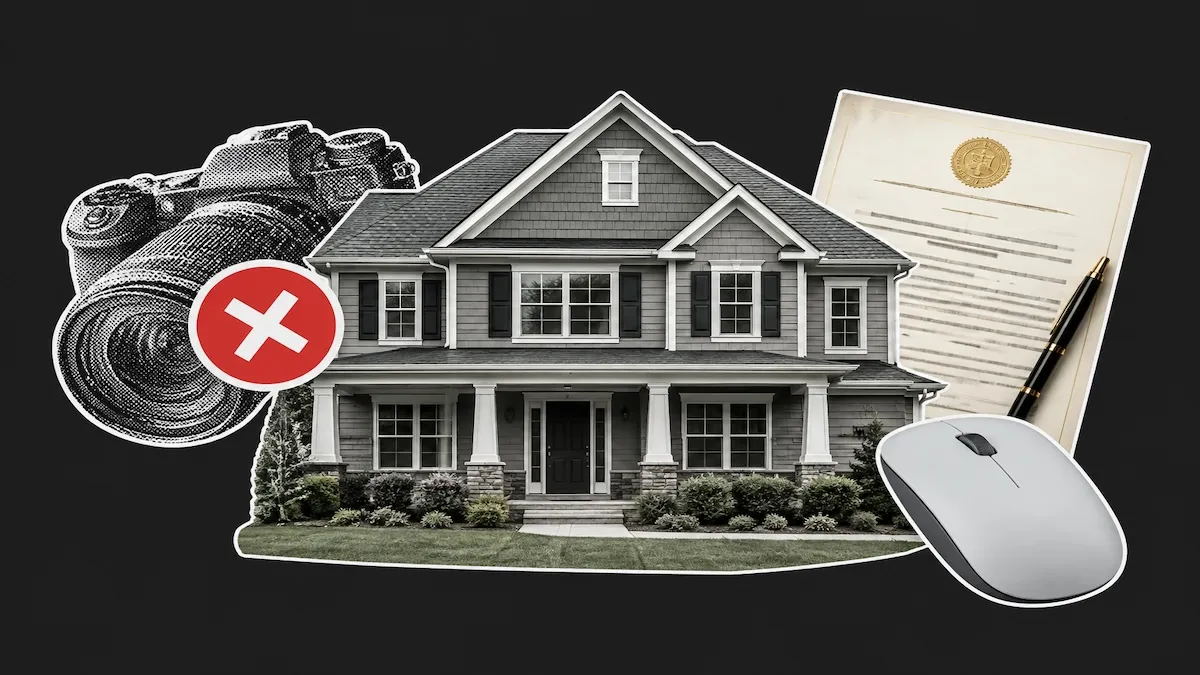
New Jersey homebuyers may soon gain a significant new privacy right, empowering them to legally request the removal of interior photographs of their newly purchased homes from real estate databases, brokerage websites, and social media platforms. This potential shift in real estate transparency is driven by the introduction of Assembly Bill No. 5422, a legislative proposal championed by Assemblyman William F. Moen Jr. The bill aims to establish a clear and standardized process for homebuyers to control the public visibility of their home’s interior imagery once a transaction is finalized, addressing growing concerns about digital privacy in the housing market.
The Genesis of the Legislation: Addressing Evolving Privacy Concerns
The digital age has transformed the real estate industry, with high-resolution photographs and virtual tours becoming standard practice in property listings. While these visual aids are invaluable for marketing and due diligence, they also leave a permanent digital footprint of a home’s interior, accessible long after a sale. This can raise privacy concerns for new homeowners, who may wish to redecorate, renovate, or simply maintain a degree of personal privacy without the visual record of their previous state being readily available online.
Assembly Bill No. 5422 emerges as a direct response to these evolving privacy expectations. The legislation acknowledges that while public access to property listing information is crucial for market functionality, the detailed interior views of a private residence should not remain indefinitely accessible once ownership has transferred. By providing a statutory right to remove these images, lawmakers seek to balance the transparency needs of the real estate market with the fundamental right to privacy of individual homeowners.
Key Provisions of Assembly Bill No. 5422
At the core of the proposed legislation is the creation of a standardized "image removal request form." This form, which the New Jersey Division of Consumer Affairs would be mandated to develop within six months of the bill’s enactment, would serve as the official mechanism for homebuyers to initiate the removal process.
The bill outlines a specific timeline for this process:
- Initiation of Request: The purchaser (homebuyer) would have the right to submit a completed and signed form to the real estate broker, broker-salesperson, or salesperson representing the seller of the purchased property. This request can be made from the date of the sale up to 30 days after the sale.
- Delivery of Form: For transactions involving real estate professionals, listing agents representing sellers would be legally obligated to provide this standardized request form to the buyer no later than the closing date. This ensures that the buyer is aware of their right to request photo removal from the outset of the transaction.
- Removal Mandate: Upon receipt of a completed request form, the agent or brokerage firm would then have a 30-day window to ensure the removal of the interior photos. This removal obligation extends to various platforms where these images might be hosted, including multiple listing services (MLS), brokerage websites, promotional social media accounts, and third-party marketing databases.
Implications for Real Estate Professionals and Enforcement
The proposed legislation introduces direct compliance requirements and potential financial penalties for real estate professionals who fail to adhere to its provisions. This signifies a shift towards greater accountability within the industry regarding the management of listing imagery post-sale.
Penalties for Non-Compliance:
The bill specifies clear consequences for licensees found in violation of the photo removal requirements. According to the text of the bill, an agent or broker who fails to comply will be subject to a penalty of:
- First Offense: Not more than $500.
- Subsequent Offenses: Not more than $1,000.
These penalties would be enforced directly by the New Jersey Real Estate Commission, an agency tasked with regulating the state’s real estate industry and protecting the public interest. This direct enforcement mechanism underscores the seriousness with which lawmakers are approaching this privacy issue.
Extending Privacy Rights to For-Sale-By-Owner (FSBO) Transactions
Recognizing that not all property sales involve real estate agents, Assembly Bill No. 5422 also extends these privacy obligations to for-sale-by-owner (FSBO) transactions. In such cases, unrepresented sellers would be responsible for supplying the standardized request form to the buyer at the time of closing. They would then be subject to the same 30-day removal mandate and face identical fines, with enforcement handled by the Division of Consumer Affairs. This inclusive approach ensures that the privacy rights afforded by the legislation are accessible to all homebuyers, regardless of how they navigate the sales process.
Timeline for Implementation and Broader Context
If enacted, the law would take effect immediately upon passage. However, mandatory enforcement would commence 90 days after the state officially publishes the standardized request form. This staggered implementation allows for a reasonable period for the Division of Consumer Affairs to develop the form and for industry stakeholders to familiarize themselves with the new requirements.
The introduction of this bill places New Jersey alongside a growing number of jurisdictions that are grappling with the intersection of real estate marketing and digital privacy. As online real estate platforms continue to evolve, so too do the legal and ethical considerations surrounding the data they collect and display. This legislation reflects a proactive approach by New Jersey lawmakers to address these concerns within the state’s housing market.
Potential Impact and Analysis
The potential impact of Assembly Bill No. 5422 is multifaceted:
- Enhanced Homebuyer Confidence: By granting a clear legal right to remove interior photos, the legislation could foster greater confidence among homebuyers, assuring them that their privacy is respected after the transaction is complete. This might alleviate anxieties associated with the public availability of personal living spaces.
- Increased Compliance Burden for Agents and Brokers: Real estate professionals will need to adapt their workflows to ensure they are providing the required forms and facilitating timely photo removal. This may involve updating internal procedures and training staff.
- Data Management Adjustments for Listing Platforms: Multiple listing services and other real estate data aggregators will likely need to develop or refine their systems to efficiently process and execute these removal requests. The 30-day timeframe suggests a need for streamlined operational processes.
- Redefining "Public" Listing Information: The bill subtly redefines what constitutes permanently public information in real estate listings. While basic property details and exterior photos may remain accessible, interior views, which are more intimate and personal, will now be subject to homeowner control.
- Potential for Legal Challenges: As with any new legislation, there is always a potential for legal challenges or interpretations that could further shape its implementation and scope. However, the clear language of the bill aims to minimize ambiguity.
The passage of Assembly Bill No. 5422 would represent a significant step forward in protecting homeowner privacy in the digital age. It acknowledges the changing landscape of real estate transactions and seeks to empower consumers with greater control over their personal information and the digital representation of their homes. The coming months will be critical in observing the legislative process and the eventual impact of this proposed law on the New Jersey real estate market.