Nila Kartika Wati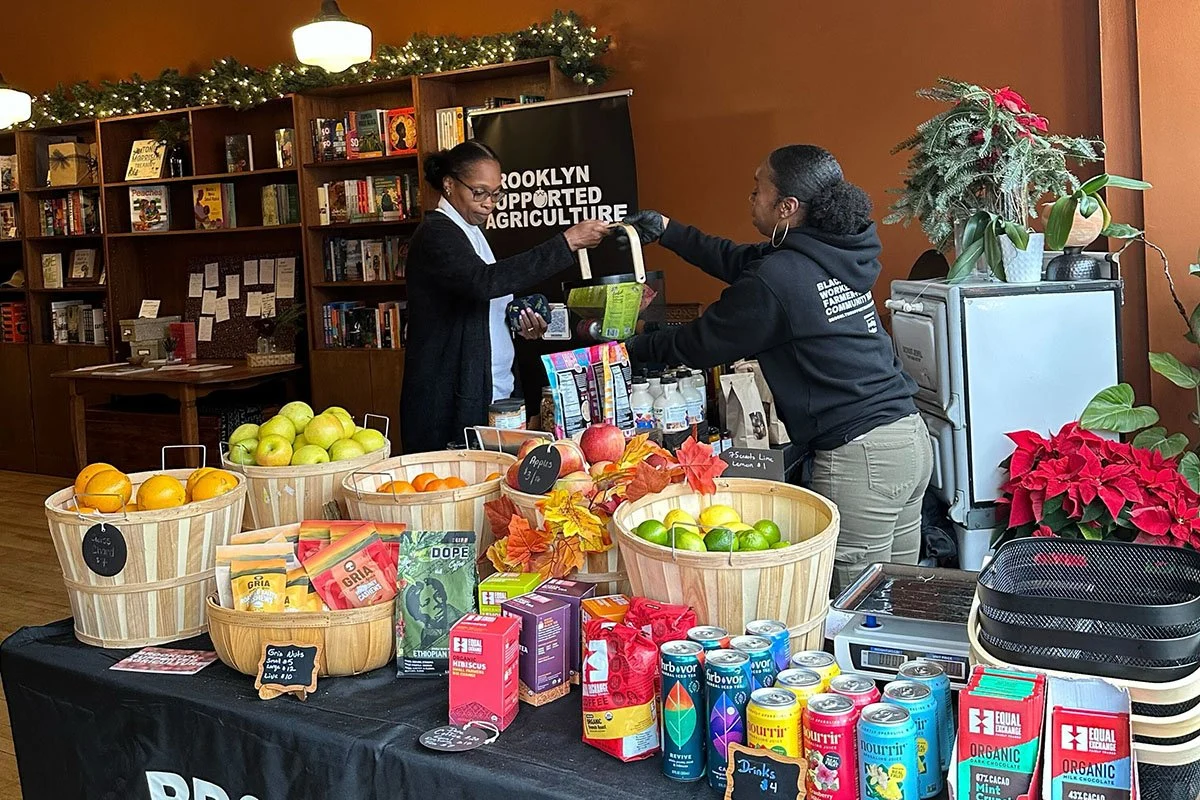
The landscape of New York’s food system is currently at a critical juncture as advocates, legislators, and community-led organizations push for a fundamental restructuring of how fresh produce moves from regional farms to urban consumers. Central to this movement is the challenge of institutional food procurement, a multi-billion-dollar process that has historically prioritized the "lowest bidder" over considerations of food quality, labor rights, and environmental sustainability. Organizations like Brooklyn Supported Agriculture (BSA), a worker-owned cooperative founded in 2016, are leading the call for New York to leverage its existing agricultural and logistical infrastructure to create a more resilient and equitable "solidarity economy."
The Crisis of Institutional Procurement and the Lowest Bidder Model
For decades, the standard operating procedure for New York’s large-scale institutions—including public schools, municipal hospitals, and senior centers—has been dictated by fiscal austerity and bottom-line efficiency. Under current procurement laws, contracts for food and services are frequently awarded to the entities that can provide the lowest price. This systemic preference for the cheapest option often excludes small-scale farmers and local distributors who cannot compete with the economies of scale enjoyed by multinational food conglomerates.
The consequences of this "race to the bottom" are multifaceted. While institutions may save on immediate costs, the hidden costs are absorbed by the community. Farmers in the Hudson Valley, the Catskills, and Western New York often find themselves "squeezed" by pricing structures that do not reflect the true cost of sustainable cultivation or fair wages for farmworkers. Furthermore, the quality of food delivered to vulnerable populations, such as students and the elderly, often suffers. High-calorie, low-nutrient processed foods are frequently more affordable than fresh, locally grown produce, contributing to long-term public health challenges that eventually strain the city’s healthcare budget.
Advocates argue that food should not be treated as a mere commodity but as a public good. The current system prioritizes the maximization of corporate profit margins over the nutritional needs of New Yorkers and the economic stability of the state’s agricultural sector.
Legislative Reform: The Good Food NY Bill
In response to these systemic failures, a coalition of food justice advocates and state legislators has championed the Good Food NY Bill (S7638). This legislation represents a significant departure from traditional procurement practices by allowing municipalities to consider "best value" rather than strictly the lowest price.
The bill is modeled after the Good Food Purchasing Program (GFPP), a national initiative that encourages institutions to direct their buying power toward five core values:
- Local Economies: Supporting small and mid-sized agricultural producers within the region.
- Environmental Sustainability: Prioritizing farms that utilize regenerative practices and reduce chemical inputs.
- Valued Workforce: Ensuring fair wages and safe working conditions for all laborers in the supply chain.
- Animal Welfare: Promoting humane treatment of livestock.
- Nutrition: Increasing the availability of fresh, whole foods in public institutions.
By codifying these values into law, the Good Food NY Bill aims to provide organizations like BSA and other community food hubs with a fair chance to secure large-scale contracts. This shift would allow the city’s massive purchasing power—the New York City Department of Education alone serves hundreds of millions of meals annually—to act as a catalyst for regional economic development.
The Role of Worker Cooperatives and Community Food Hubs
While legislative changes are pending, a robust network of community-led infrastructure already exists. Since its inception in 2016, Brooklyn Supported Agriculture has functioned as a worker-owned cooperative, bridging the gap between independent growers and urban neighborhoods. BSA, alongside partners such as the Corbin Hill Food Project, the Connected Chef, and the Catskills Agrarian Alliance, has spent years perfecting the logistics of aggregation, refrigerated transportation, and neighborhood-based distribution.
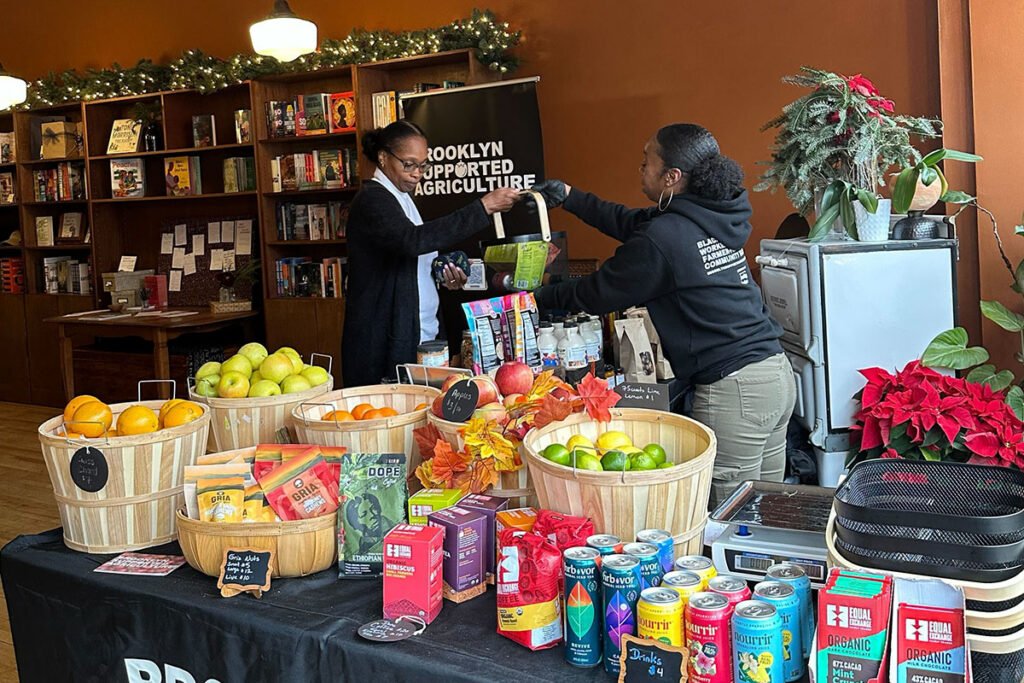
These organizations operate on a model of transparency and relationship-building. Unlike large-scale distributors, these hubs often maintain direct relationships with farmers, ensuring that a higher percentage of the consumer dollar stays with the producer. In Bed-Stuy, Brooklyn, BSA’s storefront and community pop-ups serve as more than just retail points; they are sites of community engagement where residents can interact directly with the people managing their food supply.
The growth of the "solidarity economy"—an economic framework that prioritizes social and environmental well-being over capital accumulation—is evident in the success of these cooperatives. By operating as worker-owned entities, these businesses ensure that the wealth generated through food distribution is shared among the workers themselves, rather than being extracted by external shareholders.
Evaluating the Proposal for City-Owned Grocery Stores
A new element in New York’s food strategy is the proposal for city-owned grocery stores, an initiative gaining traction under current municipal discussions. The goal of these stores would be to address "food apartheid"—a term used by advocates to describe the systemic lack of access to healthy food in low-income neighborhoods and communities of color.
However, the proposal has met with both optimism and caution from existing food justice organizations. In a collaborative white paper titled Prioritizing Affordable, Quality, Neighborhood-Based Supermarket Access as a Public Good, groups including Equity Advocates and the New York City Network of Worker Cooperatives outlined recommendations for the city. The primary concern is whether these new municipal stores will utilize existing local supply chains or simply replicate the industrial models of private supermarkets.
Key questions raised by stakeholders include:
- Will city-owned stores prioritize sourcing from New York State farmers and worker cooperatives?
- How will these stores integrate with existing community food hubs to avoid redundant infrastructure?
- Can a municipal model remain flexible enough to respond to the specific cultural and nutritional needs of diverse neighborhoods?
Advocates suggest that rather than building a parallel system from scratch, the city should invest in the "last-mile" logistics and storefront capacities of existing cooperatives. This would allow the government to act as a facilitator and financier for proven community models, rather than a direct competitor.
Data and Economic Impact: The Power of Local Sourcing
The economic arguments for local food procurement are supported by significant data. According to various economic impact studies, every dollar spent on local food generates a multiplier effect, contributing additional economic activity to the regional economy. In contrast, money spent with national distributors often leaves the state immediately.
In New York, the agricultural sector is a cornerstone of the state economy, with over 33,000 farms across 7 million acres. However, many of these farms face existential threats from rising land costs and climate instability. A shift in NYC’s procurement policy could provide the stable, long-term demand necessary for these farms to invest in sustainable technology and expanded production.
Furthermore, the public health implications are quantifiable. Research indicates that increased access to fresh produce can lead to a reduction in diet-related illnesses such as type 2 diabetes and hypertension. Given that New York City spends billions annually on public health initiatives, a proactive investment in high-quality institutional food is seen by many analysts as a cost-saving measure in the long run.
Chronology of the Movement for Food Sovereignty in NYC
The current push for procurement reform is the result of over a decade of organized advocacy:
- 2012: The Good Food Purchasing Program is launched in Los Angeles, providing a blueprint for values-based procurement.
- 2016: Brooklyn Supported Agriculture is founded, joining a growing movement of worker-owned food cooperatives in the city.
- 2017: New York City officially adopts the Good Food Purchasing framework, though implementation remains limited by existing state-level procurement laws.
- 2021-2023: The COVID-19 pandemic exposes the fragility of global supply chains, leading to a surge in support for regional food systems and community hubs.
- 2024: The Good Food NY Bill gains significant momentum in the State Legislature, and the proposal for city-owned grocery stores enters the public discourse.
Broader Implications and Future Outlook
The debate over New York’s food system is ultimately a debate over the role of government in the marketplace. For supporters of the Good Food NY Bill and the cooperative model, the path forward requires a rejection of the "lowest bidder" mentality in favor of a "best value" approach that accounts for social and environmental health.
The success of this movement will depend on political will and the ability of city and state agencies to collaborate with grassroots organizations. If New York successfully transitions its institutional purchasing to a values-based model, it could serve as a national leader in food sovereignty. The infrastructure for a resilient, local food system—the farms, the hubs, the trucks, and the worker-owners—is already in place. The challenge remains to align public policy with the community-led efforts that have been sustaining the city’s neighborhoods for years.
As New York moves forward, the focus remains on building a system that respects the labor of the farmworker, the health of the consumer, and the stability of the regional environment. By supporting the existing network of cooperatives and small businesses, the state has the opportunity to transform its food system from a commodity-driven market into a community-centered public good.