Nila Kartika Wati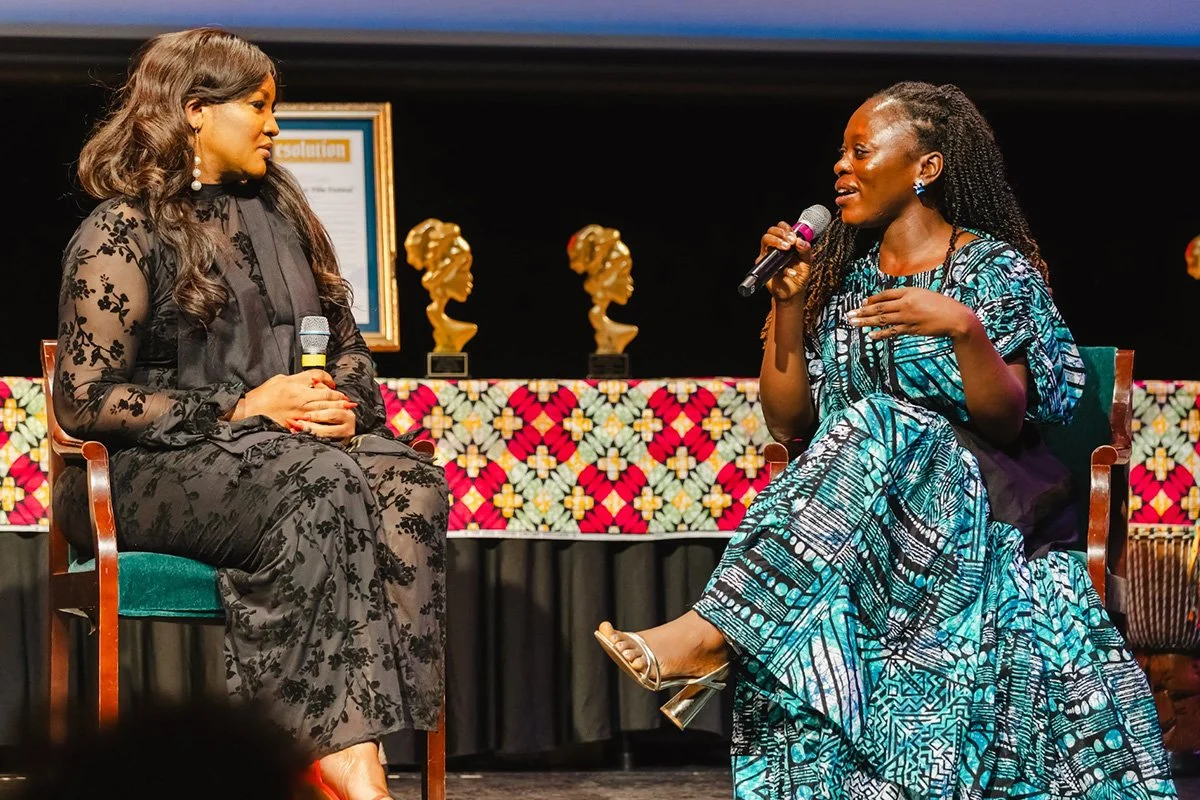
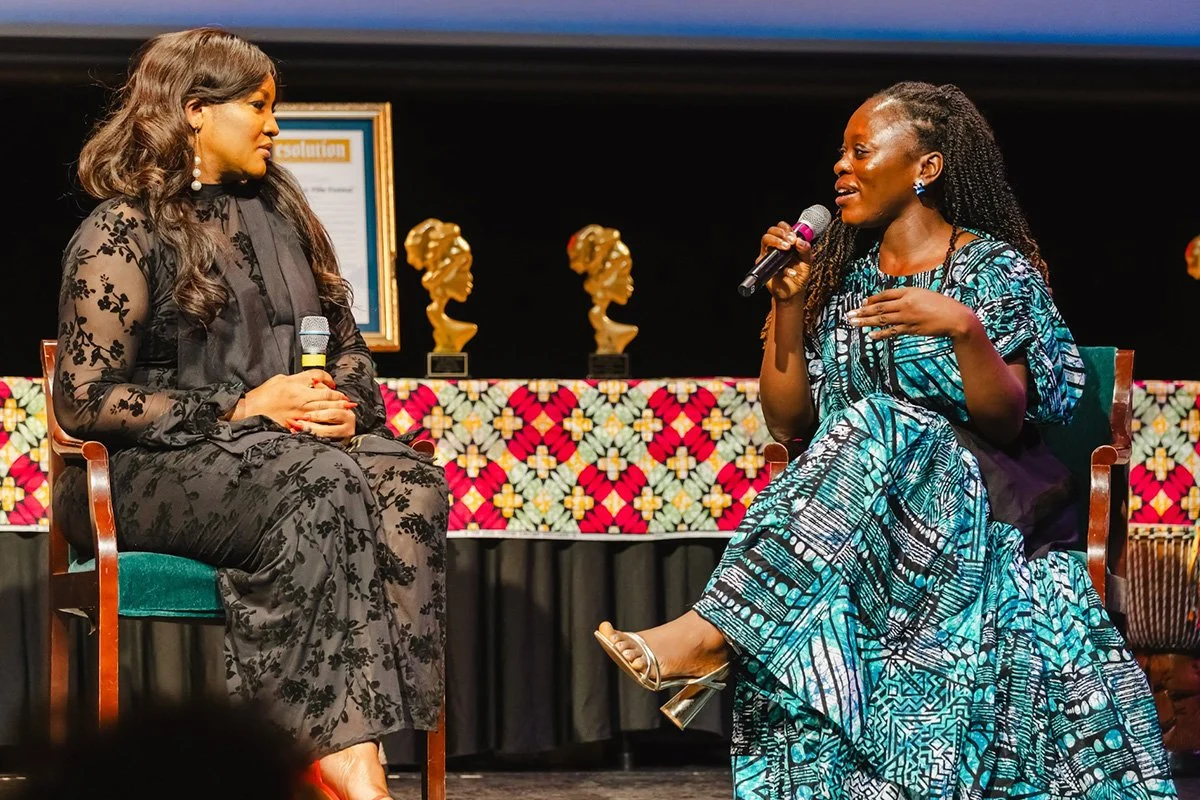
The Silicon Valley African Film Festival (SVAFF) recently concluded its 17th annual edition, marking nearly two decades of cultural curation in one of the world’s most affluent yet economically stratified regions. Held at the Historic Hoover Theatre in San Jose, California, the festival featured 76 films representing 33 countries, drawing filmmakers from across Africa and its global diaspora. While the event has successfully built a loyal audience and established strategic relationships with major technology firms, it continues to face a persistent struggle for financial sustainability. The nonprofit organization behind the festival operates within the shadow of Silicon Valley’s immense wealth, yet it remains subject to the same economic pressures—rising costs of living and displacement—that affect the region’s Black community at large.
A Vision for Authentic African Narrative
The SVAFF was founded by Chike C. Nwoffiah, a Nigerian-born filmmaker and educator who arrived in Silicon Valley as a graduate student 36 years ago. After a career in the biotechnology industry, Nwoffiah returned to his roots in theatre and film, driven by a desire to rectify the pervasive misconceptions about the African continent. During his time as an educator at a local college, Nwoffiah observed a profound lack of geographic and cultural literacy regarding Africa among his students. He noted that many were surprised by commonalities in urban African life, such as young women driving cars or attending nightclubs in cities like Addis Ababa, which conflicted with the limited, often tragic imagery presented in mainstream Western media.
What began in 2010 as a modest "Saturday morning curation" of 10 short films has evolved into a multi-day international festival. The mission remains centered on "narrative agency"—the principle that African filmmakers should be the primary architects of their own stories. This year, the festival received nearly 1,000 submissions, a testament to the growing global footprint of African cinema. However, due to limited staffing and funding, the program was capped at 76 selections.
The 17th edition opened with David Mboussou’s Afrotōpia, a feature film that explores the tension between industrial logging and indigenous land rights in the Congo Basin. The program also included works from the African diaspora, such as Diagnosing Healthcare by Bay Area filmmaker Kenan Moos, which investigates the systemic medical injustices faced by Black Americans. By pairing continental and diasporic stories, SVAFF creates a dialogue that transcends borders, positioning African history and contemporary life as a continuous, global narrative.
The Economic Paradox of Silicon Valley
The festival’s location in San Jose offers a unique strategic advantage: proximity to the headquarters of the technology giants that produce the hardware and software used by modern filmmakers. Over the years, SVAFF has successfully integrated itself into the corporate ecosystem of Silicon Valley, establishing ties with employee resource groups such as Adobe’s Black Employee Network, Black@YouTube, and Africans@Google.
These relationships have yielded significant "corporate engagement." Filmmakers visiting the festival have been invited to Adobe’s headquarters to view demonstrations of emerging editing technologies and provide feedback to developers. At YouTube, directors and producers have engaged in discussions with employees regarding the impact of algorithms on content distribution. This year’s festival kicked off with a reception at Adobe’s San Jose headquarters, hosted by its Black Employee Network.
However, Nwoffiah distinguishes between "engagement" and "investment." Despite its high profile and corporate invitations, SVAFF operates on an annual budget of less than $200,000. The organization has no permanent paid staff; instead, it relies on a rotating cohort of seasonal workers whose contracts end shortly after the festival concludes. Nwoffiah himself receives no salary for his role as founding director, often working 80 hours a week to ensure the event’s success.
The "Silicon Valley address" serves as a double-edged sword for the nonprofit. While it provides access to a wealthy donor base in theory, in practice, it often leads to inflated costs. Nwoffiah noted that vendors and artists frequently assume the festival is flush with cash, making it difficult to negotiate affordable rates for space and production services. Furthermore, the festival must reassemble its funding every year, relying on a patchwork of grants from the City of San Jose, the Silicon Valley Community Foundation, and individual donations.
Demographic Shifts and Community Displacement
The financial precariousness of the festival mirrors a broader socioeconomic crisis within Santa Clara County. Jocelyn Dubin, a co-chair of the Black Leadership Kitchen Cabinet of Silicon Valley (BLKC), emphasized that events like SVAFF are sustained by "love and commitment" rather than robust institutional backing. The BLKC, an all-volunteer coalition, works to address the systemic issues impacting Black residents, including housing affordability and healthcare disparities.
Data from the Silicon Valley Institute for Regional Studies highlights the stark economic divide in the region. Between 2019 and 2023, homeownership among non-Hispanic Black adults in Santa Clara and San Mateo counties stood at approximately 34 percent, compared to 60 percent for non-Hispanic white adults. A 2024 analysis by Gabriel Frank-McPheter, in collaboration with the housing nonprofit SV@Home, found that neighborhoods with higher Black poverty rates were significantly more likely to lose Black residents over the last decade.
This displacement directly impacts the festival’s operational capacity. Nwoffiah reported losing several experienced volunteers and seasonal staff members who were forced to leave the region because they could no longer afford the cost of living. When these individuals depart, the organization loses valuable institutional knowledge, necessitating a constant cycle of recruitment and training.
The documentary project Dying to Stay Here, produced by economist and BLKC member Chuck Cantrell, further illustrates the challenges facing the region’s Black population. The film documents the economic and health disparities that make it increasingly difficult for Black families to maintain a presence in Silicon Valley. For Dubin and other community leaders, SVAFF is more than a cultural event; it is a vital anchor for a community that is being physically and economically pushed to the margins.
Educational Outreach and Year-Round Programming
Despite its financial constraints, SVAFF has expanded its reach through year-round educational and community programs. The "Africa in the Classroom" initiative provides schools with access to a curated library of over 500 African films. An academic team reviews these films for age-appropriateness and subject matter, helping educators integrate authentic African perspectives into their curricula.
The festival also partners with the Santa Clara County Alliance of Black Educators to host middle school students for special screenings and discussions. These sessions are designed to challenge stereotypes early in a student’s development, replacing monolithic views of Africa with a nuanced understanding of its diverse cultures and histories.
Another key program, the "African Cinema Café," takes the festival’s mission into smaller, more intimate community settings. Organizations can request screenings focused on specific themes, such as mental health, grief, or men’s issues. These events often serve as a catalyst for what Nwoffiah calls "courageous conversations." For instance, a screening of short films about schizophrenia and wellness led to an impromptu town hall where healthcare professionals in the audience stood up to offer resources and advice to attendees.
Strengthening the Nonprofit Ecosystem
The survival of SVAFF has been bolstered by a network of cross-sector collaborations. The BLKC, for example, not only provides volunteers but also funds tickets for residents who would otherwise be unable to attend the festival. In return, Nwoffiah lends his production expertise and artistic contacts to the coalition’s annual Black Family Day, an event held in partnership with the county’s public health department.
Dubin suggests that the future of the region’s nonprofit sector depends on breaking down "silos" and finding overlapping missions. She advocates for a model where health organizations might sponsor information booths at film festivals, or arts funders might support creative activities at community health fairs. This collaborative approach is essential in an environment where traditional corporate funding is often redirected toward larger, more established institutions.
Implications for the Future of Cultural Institutions
The story of the Silicon Valley African Film Festival serves as a case study in the resilience of Black-led nonprofits in high-cost urban centers. While the festival has achieved artistic acclaim and fostered a sense of belonging for African immigrants and Black residents, its long-term viability remains uncertain without a shift from corporate "engagement" to institutional "investment."
For Nwoffiah, the ultimate metric of success is not found in box-office figures, but in the emotional resonance of the event. He recounted the story of a Ghanaian grandmother who, after attending the festival, embraced him and expressed that she finally felt "at home" in California. He also noted the enthusiasm of younger audiences, such as a group of kindergartners who refused to leave after a block of animated films, demanding to see more.
"When people believe that your organization belongs to them too," Nwoffiah stated, "they will fight to keep it alive." However, the question remains whether the grassroots passion of the community can indefinitely compensate for the lack of structural financial support in a region defined by its technological and economic power. As Silicon Valley continues to evolve, the fate of cultural institutions like SVAFF will serve as a bellwether for the region’s ability to sustain diversity and inclusion beyond corporate slogans.