Layla Zulfa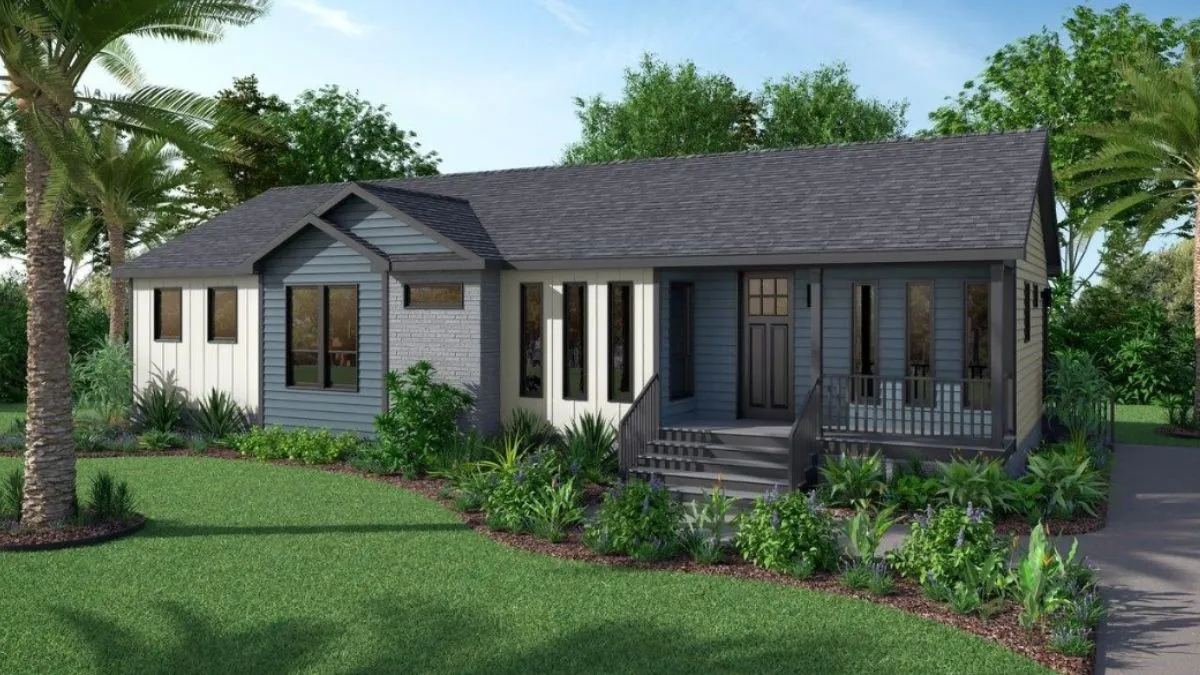
The U.S. housing sector, grappling with an escalating affordability crisis, is increasingly recognizing that innovative solutions are often already present, albeit obscured by outdated perceptions and historical baggage. Among these overlooked options, manufactured housing stands out as a potent, yet long-stigmatized, answer to the nation’s growing need for accessible and cost-effective homes. Its inherent advantages – relatively low cost, portability, and scalability – are propelling it into the forefront of national housing affordability discussions, even as persistent negative stereotypes hinder its broader market penetration. As lawmakers in Washington and state capitals begin to acknowledge the vital role manufactured communities can play in addressing this crisis, the industry is simultaneously undertaking a strategic shift, moving beyond traditional marketing to embrace innovation and reshape public opinion.
The Evolving Definition and Federal Push for Manufactured Housing
Manufactured homes, defined by the U.S. Department of Housing and Urban Development (HUD) as factory-built housing constructed on a permanent chassis, adhering to stringent safety and construction standards, are central to the federal government’s strategy to bolster housing affordability. A recent report from the National Association of Home Builders (NAHB) clarifies that a manufactured home is a "movable dwelling, 8 feet or more wide and 40 feet or more long, constructed on a permanent chassis." This specific definition has, however, inadvertently created a barrier to wider adoption and cost reduction.
Recognizing this, the "Housing for the 21st Century Act," overwhelmingly approved by the House of Representatives in February, represents a significant federal effort to streamline and de-stigmatize manufactured housing development. A key provision of this legislation is the proposed elimination of the permanent chassis requirement. This change, according to industry analyses, could potentially reduce construction costs for each manufactured home by as much as $5,000. Furthermore, the bill aims to designate HUD as the primary federal regulator for manufacturing standards and safety, simplifying the oversight process and potentially leading to additional cost savings of up to $10,000 for consumers. This legislative push signals a growing understanding at the federal level that manufactured housing is not merely a niche product but a crucial component of a comprehensive affordable housing strategy.
The history of federal involvement in manufactured housing dates back to the 1970s with the establishment of the HUD Code, a national building standard designed to ensure quality and safety. Prior to this, mobile homes were regulated by various state and local agencies, leading to inconsistent standards and a perception of lower quality. The HUD Code aimed to standardize production, enhance safety, and thus, hopefully, improve the public’s perception. However, the association with mobility and the legacy of less regulated "mobile homes" have proven difficult to overcome.
Confronting the Lingering Perception Problem
Despite the structural and quality improvements in modern manufactured homes, a pervasive perception issue continues to impede the industry’s growth. The Manufactured Housing Institute reports that new manufactured homes cost less than a third of comparable site-built homes, offering a significant affordability advantage. Yet, this cost-effectiveness has not translated into substantial market share gains in recent years, largely due to persistent negative stereotypes.
The peak of manufactured home shipments occurred in 1998, with 373,000 units, accounting for approximately 23% of single-family housing starts. However, by 2024, this figure had dramatically decreased to around 103,000 shipments, representing only 9% of single-family housing starts. This decline underscores the challenge the industry faces in overcoming decades of ingrained negative perceptions.
Even as contemporary manufactured communities showcase high-quality design and construction, the "Not In My Backyard" (NIMBY) effect remains a formidable obstacle. Local residents often harbor concerns that manufactured communities will detract from neighborhood aesthetics, pose safety risks, or negatively impact property values. This resistance can make obtaining zoning approvals and entitlements for manufactured housing developments exceedingly difficult in many markets. Gene Kim, Executive VP of CRE Strategies at Ascent Developer Solutions, has previously highlighted this challenge, noting that "obtaining entitlements for manufactured housing can be challenging in many markets."
Furthermore, even when approvals are secured, convincing potential buyers remains a hurdle. Data from the U.S. Census Bureau’s 2025 Manufactured Housing Survey indicates that manufactured homes and site-built homes have appreciated at the same rate from 2000 to 2025. Despite this parity in value appreciation, a significant segment of the buying public still believes that manufactured homes do not appreciate as quickly as traditional homes. Kim elaborates on this disconnect, stating, "When people say mobile home parks, a lot of times, their mind jumps to a 1960s trailer park. But the communities delivered today are of much higher quality. It’s almost necessary to have a separate asset class and asset theme category, because the quality is so high, both in the community overall and the quality of the homes."
Building Trust Through Innovation and Enhanced Customer Experience
To dismantle these misconceptions and foster trust, the manufactured housing industry is actively pursuing a multi-pronged strategy that emphasizes innovation, superior design, and an elevated customer experience. Major manufacturers are investing in research and development to create a wider array of models and floor plans that cater to contemporary consumer tastes and budgets.
Clayton Homes, a prominent manufacturer of manufactured and modular homes, has historically launched marketing campaigns aimed at directly challenging stereotypes. Their "Have it Made Campaign" and "Prefabulous" initiative, for instance, utilized television advertising during major sporting events to showcase the innovative and affordable aspects of their manufactured housing options, highlighting modern designs. While these large-scale marketing efforts aim to raise awareness, industry leaders acknowledge that they are not sufficient on their own to achieve a significant shift in public perception.
Champion Homes, another leading manufactured homebuilder, focuses its outreach on a combination of an evolving product mix and exceptional customer service. Their commitment to quality and design is reflected in their consistent recognition as a trusted brand. A recent survey by Lifestory Research identified Skyline Homes, a Champion Homes subsidiary, as the most trusted manufactured housing brand for the sixth consecutive year, with Champion Homes and its subsidiary Genesis Homes ranking second and third, respectively.
John Kastanek, VP of Customer Operations and Services at Champion Homes, emphasizes that trust in the manufactured housing industry is built upon several key pillars, with outstanding design and quality at the forefront. "Customers still value quality highly, even when choosing a more affordable option like manufactured homes," Kastanek stated. Champion Homes regularly introduces new home models, including the Concord Suplex Series, their first nationally manufactured duplex series, and EcoWise, a solar-ready manufactured home. These innovations demonstrate a commitment to meeting evolving consumer demands for energy efficiency, smart layouts, and finishes that rival those of site-built homes.
"The homes themselves have to keep evolving," Kastanek explained. "Customer expectations are changing fast, whether that’s smarter layouts, better energy efficiency or finishes that feel more site-built. When people see that our designs reflect how they actually want to live, it builds confidence."
Beyond product innovation, Kastanek underscores the critical role of a positive retail experience. Clear communication, genuine support, and a transparent sales process are paramount. Trust is cultivated by actively listening to customers, making them feel valued, and delivering well-designed homes that adapt to their needs. "Even though today’s homes are incredibly well built, a lot of people still hold onto outdated perceptions. So, trust becomes the bridge," Kastanek remarked. "For us, it all ties back to keeping our promises. If we deliver on the customer experience consistently, those authentic endorsements start to break through people’s filters and chip away at misconceptions."
William Boor, President and CEO of Cavco Industries, a publicly traded manufacturer, echoed this sentiment during a Q4 2025 earnings call, noting that the removal of the permanent chassis requirement would not only drive innovation but also expand market share opportunities. "We would still make a lot of homes that have a permanent chassis affixed to the home. But just removing that from the definition of a manufactured home just opens up innovation opportunities for our industry. It opens up the possibility of more easily being able to do multi-story homes," Boor stated. This potential for multi-story construction could unlock new possibilities for manufactured housing in urban and suburban markets, which have traditionally been less accessible due to zoning restrictions and space limitations.
A Broader Affordability Push: Manufactured Housing and Beyond
The renewed focus on manufactured housing is part of a larger trend of policy reforms at both federal and state levels aimed at tackling the worsening housing affordability crisis. Lawmakers are revisiting and revitalizing housing types that were once commonplace but have been largely sidelined for decades.
Beyond manufactured housing, the revival of single-room occupancy (SRO) units, a housing model popular before World War II, is gaining traction. As housing costs continue to soar, cities and states are reconsidering bans that were enacted in previous eras, often due to concerns about health and safety. Oregon, for example, passed legislation last year legalizing SROs, and the City of Portland has launched an SRO pilot program offering grants to homeowners who rent out spare rooms to low-income tenants. Similar statewide reforms to legalize SROs and shared housing have been enacted in Washington and Hawaii.
Manufactured housing, much like SROs, is experiencing a resurgence at the local level as restrictions are eased. A bill in Maryland, effective last year, now mandates that municipalities permit manufactured homes in areas zoned for single-family residential use. Maine and Kentucky have also passed similar laws preventing municipalities from outright exclusion of manufactured housing. Boor suggests that these localized reforms can be more impactful than federal legislation alone. "There are certain things the federal government can do that would really have a big impact," he noted. "Where it’s harder for them to impact directly are the things that are more functions at the state and local level. And that’s where you really see the zoning challenges that limit the supply of what we do."
The implications of these shifts are far-reaching. By addressing outdated zoning laws and fostering a more favorable regulatory environment, states and municipalities can significantly increase the supply of affordable housing options. The combination of legislative reforms, industry innovation, and a concerted effort to change public perception positions manufactured housing to play a pivotal role in meeting the housing needs of a growing number of Americans. As the industry continues to evolve and demonstrate its capacity for quality, affordability, and modern design, its integration into the broader housing landscape appears not just likely, but increasingly essential. The journey from stigma to acceptance is underway, promising a more inclusive and attainable housing future for many.